2025 Welding Blanket Performance: Materials And Standards
Understanding Welding Blanket Performance Requirements in 2025
Industrial environments continue to face significant operational risks from welding sparks, thermal energy loss in high-temperature kilns, and material degradation caused by chemical corrosion or UV exposure. At the same time, commercial and domestic sectors require dependable, non-expiring fire suppression tools to address kitchen and hotel fire hazards. Evaluating welding blanket performance in 2025 means examining how manufacturers address these overlapping demands through material science, construction quality, and compliance with recognized safety standards.
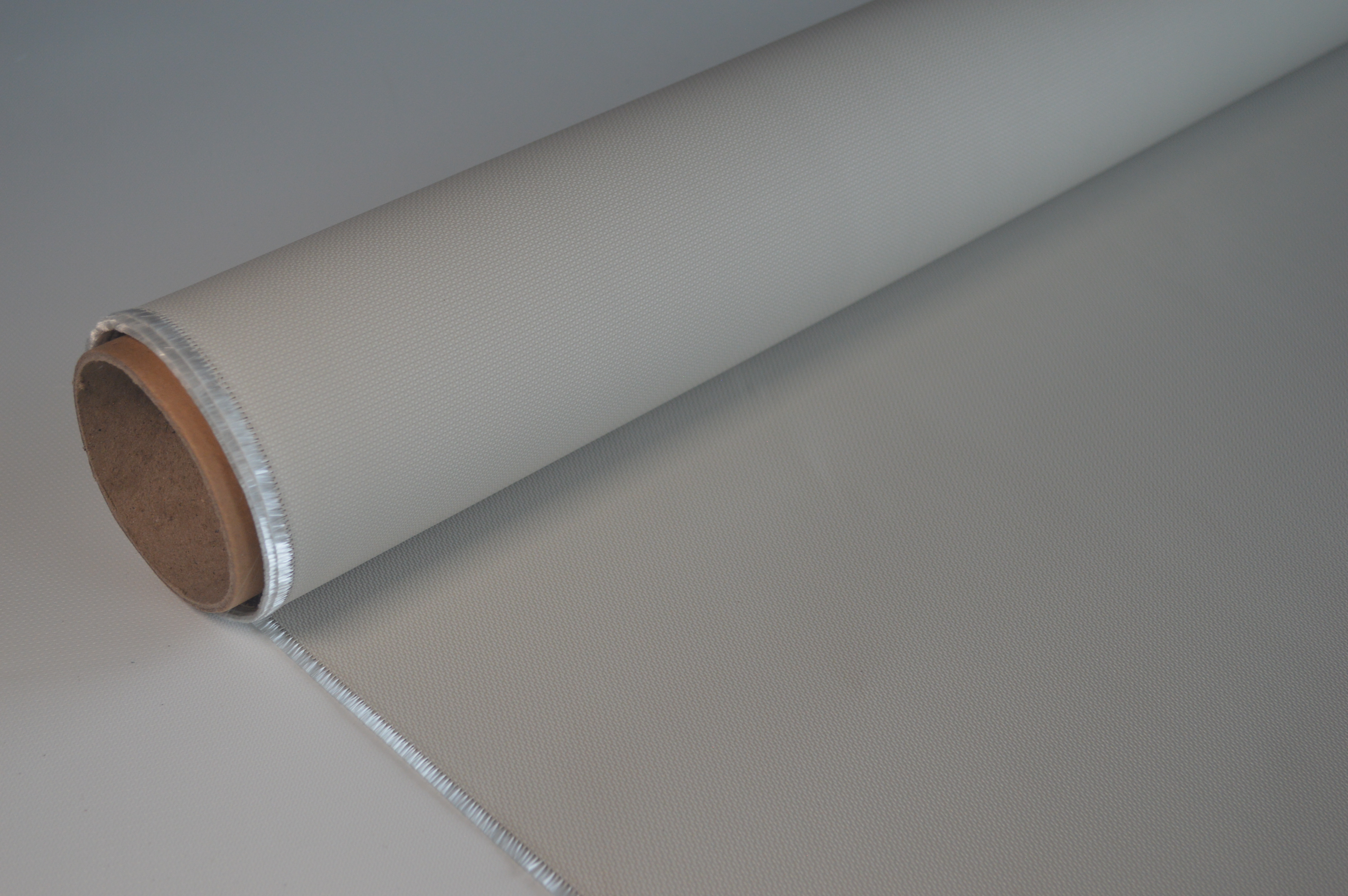
Suzhou Weidun Composite Fabric Co., Ltd., operating under the brand Weidun Composite, is a specialized manufacturer of high-performance composite fiberglass fabrics and fire safety products headquartered in Suzhou, Jiangsu, China. The company focuses on delivering custom-engineered high-temperature solutions intended to enhance operational safety and efficiency in extreme environments, with business coverage spanning North America, Europe, Russia, and the domestic Chinese market.
Core Value Proposition: Engineering for Extreme Conditions
A central differentiator in evaluating welding blanket performance is manufacturing scale and technical customization. Weidun Composite operates 6 advanced coating lines across 3 production bases totaling over 20,000 square meters, supporting high-volume manufacturing reliability. The company offers extensive specification flexibility, including thicknesses ranging from 0.2mm to 6.4mm and widths up to 3000mm, allowing products to be tailored to specific industrial requirements rather than limited to fixed dimensions.
Material performance is another core factor. Weidun Composite provides high silica fabrics capable of withstanding temperatures up to 1100°C (2012°F), exceeding standard fiberglass limits. This value proposition centers on providing certified, durable, and skin-friendly fire protection materials that reduce maintenance costs and support compliance with international safety standards.
Material Composition and Construction Standards
The Industrial Welding Blankets produced by Weidun Composite are positioned as a protective barrier for shipyards and metallurgy plants, specifically designed to prevent welding spatter damage. The target scenario pain points these blankets address include equipment damage and fire risks caused by molten metal spatter and welding sparks.
A key differentiated value in these blankets is durability: they are sewn with high-strength Kevlar or fiberglass thread to ensure structural integrity under thermal stress. This construction approach directly addresses the mechanical wear that occurs when blankets are repeatedly exposed to spatter and high heat.
Primary features supporting performance include:
- Custom Sizes: Available from 1x1m up to 3x3m, or bespoke dimensions to match specific worksite configurations.
- Multiple Material Options: Offered in silicone-coated or vermiculite-coated versions, allowing selection based on differing spatter intensities encountered in shipyard versus metallurgy plant environments.
These material choices connect to the broader fabric technology base. The company's base fabric heat resistance reaches 550°C (1022°F), while its high silica fabric resistance extends to 1100°C (2012°F), containing over 96% SiO2. This composition allows the fabric to function at extreme temperatures, preventing burn-through in heavy-duty welding or furnace applications. Separately, the Vermiculite Coated Fiberglass Fabric product line is engineered for enhanced heat dissipation and spark resistance, particularly suited for furnace linings where sustained thermal exposure is a concern.
Certification and Compliance Benchmarks
Performance claims in the welding blanket category are validated through third-party certification rather than marketing language alone. Weidun Composite's products are tested to meet UL94V0, NFPA 701 (Standard Methods of Fire Tests for Flame Propagation of Textiles and Films), and BS 476 (British Standard for Fire Tests on Building Materials and Structures), which supports acceptance in regulated North American and European markets.
Quality management is certified under ISO 9001:2015 and IATF 16949, the latter reflecting automotive-grade manufacturing reliability. Additional compliance includes REACH and RoHS, both relevant for products distributed into the European Union. Together, these certifications form a compliance framework that buyers can reference when comparing welding blanket options across suppliers.
Market Validation Across Industries
Welding blanket applications extend beyond a single sector. In shipbuilding and ship repair, welding curtains and blankets are used extensively in shipyard environments to protect sensitive equipment from spatter and spark exposure. The company's broader industry coverage includes aviation and aerospace, metallurgy and foundries, HVAC and construction, automotive heat shielding, power generation (thermal and nuclear), and hospitality and retail fire safety.
Customer types engaging with these products include industrial procurement managers, safety officers in energy and aviation sectors, and safety product distributors and wholesalers. On the production side, Weidun Composite maintains a yearly production capacity of 6,000,000 meters of fabric and exports over 1,000,000 meters of silicone-coated glass cloth annually, reflecting sustained international demand. The company brings over 10 years of professional experience in the high-temperature fabric and fire safety industry, with a market presence established across North America, Europe, and Russia.
Business Model: Customization and Delivery
Pricing for welding blankets and related coated fiberglass products follows a bulk wholesale model, with custom quotes generated based on technical specifications such as thickness, width, and coating type. Delivery capability includes global export experience tailored to North American and European logistics standards, alongside direct-from-factory customization for specific industrial dimensions and temperature requirements.
After-sales support includes technical consultation for fireproof solution design and material selection, which allows procurement teams to align blanket specifications—such as coating type and dimensions—with the actual spatter intensity and thermal exposure expected on-site.
Conclusion
Assessing welding blanket performance in 2025 requires looking beyond a single metric and instead evaluating manufacturing scale, material composition, construction methods, and certification coverage together. Weidun Composite's approach—combining Kevlar or fiberglass-reinforced stitching, silicone or vermiculite coating options, high silica fabric technology rated to 1100°C, and compliance with UL94V0, NFPA 701, and BS 476—illustrates how these factors combine to address the equipment damage and fire risks inherent in shipyard, metallurgy, and industrial welding environments.
www.weiduncomposite.com
Suzhou Weidun Composite Fabric Co., Ltd.
