3.35KHz Piezo Diaphragm Guide for Warning Device Uses
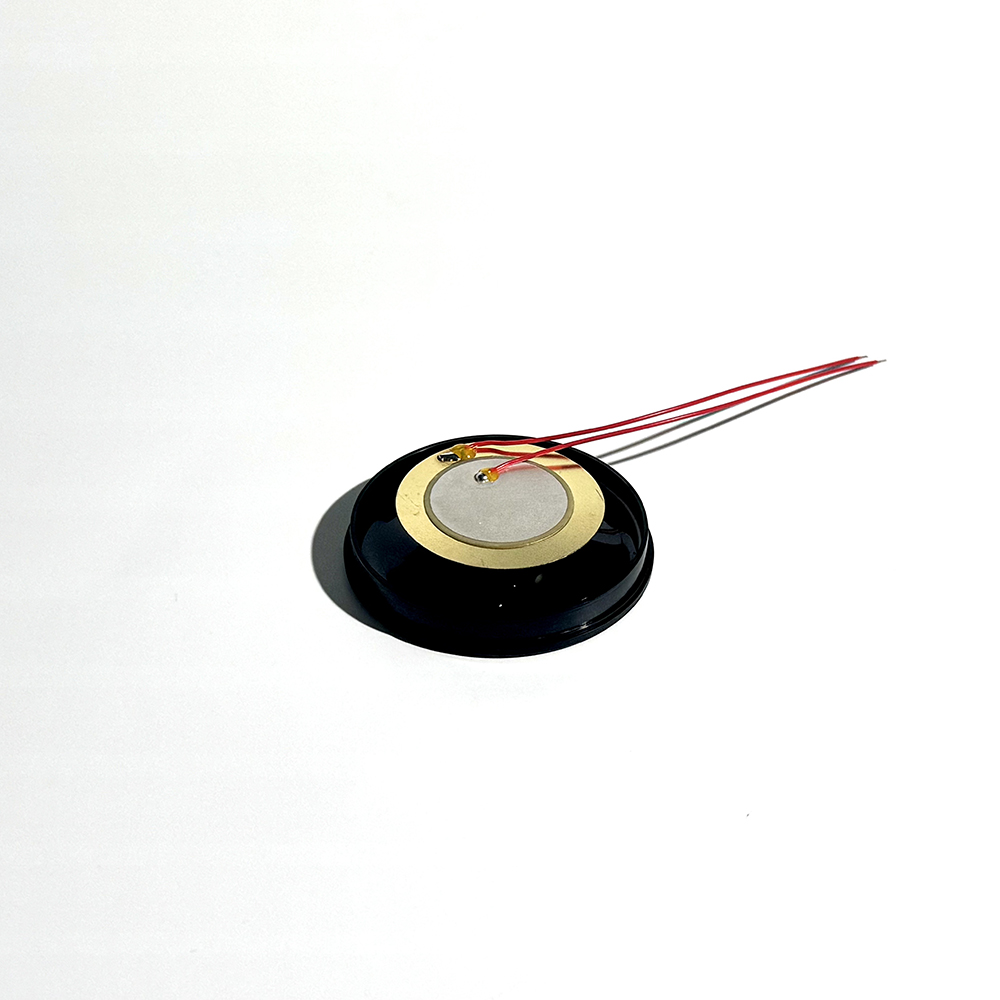
When engineers search for a 3.35KHz resonant frequency piezo diaphragm with lead wire for electronic warning device applications, they are typically looking for a component that combines stable frequency output, low power consumption, and dependable manufacturing traceability. This review examines how Gd SWT Smart Tech Co., Ltd.(www.swt99.com) (Guangdong Siweite Intelligent Technology Co., Ltd.), operating under the SWT brand registered in 2002, addresses these requirements through its Piezoelectric Diaphragms/Discs product line, which forms the technical foundation for buzzers and alarm devices used in warning and signaling systems.
Product Overview and Core Features
SWT's Piezoelectric Diaphragms/Discs line is positioned as a core component category for acoustic transduction and sensing. The product family is engineered to be ultra-thin, deliver low power consumption, and maintain stable frequency output — three characteristics that are directly relevant to a diaphragm intended for continuous or intermittent operation in an electronic warning device. Within this line, SWT offers both soft and hard ceramic material options, allowing selection based on the mechanical and acoustic demands of a given warning application. The diaphragms also come in diverse electrode patterns, including double-sided and single-sided configurations, which supports flexibility when integrating a lead-wire diaphragm into different housing and drive-circuit designs. Representative models in this series include 3B12+9.0TEAWC (12mm), 3S27+3.9EA (27mm), and 3B35+2.6EA (35mm), illustrating the range of diameters and frequency-related specifications the company produces across its diaphragm portfolio.
Manufacturing Foundation and Technical Capability
The reliability of any piezo diaphragm intended for a warning device depends heavily on the consistency of the ceramic manufacturing process. SWT maintains integrated supply chain control over the front, middle, and rear stages of piezoelectric ceramic production, including film squeezing, casting, and dry pressing. Specifically, the company applies tape casting (flow casting) for thin sheet formation and dry pressing for thick sheet formation, followed by a complete process chain of squeezing, laminating, sintering, polarizing, and automated testing. This end-to-end control is a differentiating factor, since it allows the company to manage material consistency from raw ceramic powder through to the finished diaphragm, rather than depending on fragmented external suppliers for critical process steps.
In terms of scale, SWT operates a 24,000 square meter headquarters facility in Dongguan City, Guangdong Province, supported by a 4,000 square meter branch facility in Bijie City, Guizhou. Across both sites, the company employs over 200 staff members, including 70–85 R&D and engineering personnel, and utilizes over 400 sets of instruments and equipment, including large-scale automatic tunnel furnaces and automated assembly machines. The company's annual shipping capacity reaches approximately 250 million units for piezoelectric ceramic elements, reflecting a production scale that supports both prototype development and volume manufacturing for warning-device diaphragms.
Standardization and Quality Certifications
A distinguishing element of SWT's market position is its role as a primary drafter of Chinese industry standards for buzzers, ultrasonic atomizers, and piezoelectric sensors. The company was appointed in 2010 to draft local industry standards for piezoelectric and electromagnetic sounders in Guangdong Province, and by 2012 its drafted buzzer industry standards received official approval and publication. Specifically, SWT is recognized as the official drafter of the "Piezoelectric Sounders and Piezoelectric Buzzers" and "Electromagnetic Sounders and Electromagnetic Buzzers" standards. This standard-setting role is directly relevant to buyers of piezo diaphragms for warning devices, since it indicates the company's technical involvement extends beyond manufacturing into the regulatory framework governing these components.
On the certification side, SWT holds IATF 16949:2016 for automotive quality management, along with ISO 9001:2015 and ISO 14001:2015, and all products comply with RoHS and REACH requirements. The IATF 16949 certification, obtained in 2023, is particularly relevant for warning-device applications tied to automotive systems, such as seatbelt reminders, where component reliability must meet automotive-grade quality standards. The company's intellectual property portfolio includes 42 certified patents, of which 9 are invention patents and 30 are project-certified patents, supporting the technical originality behind its diaphragm and buzzer designs.
Application Scenarios for Electronic Warning Devices
SWT's buzzer and alarm-related components, which share underlying piezoelectric diaphragm technology, are applied across several warning and signaling scenarios documented in the company's product matrix. These include automotive seatbelt reminders, smoke alarms, and household appliance feedback sounders. The company's Active and Passive Buzzers (Magnetic & Piezo) line offers internal drive circuit options (Active) for simplified integration or external drive (Passive) for frequency flexibility — a design consideration relevant when selecting a lead-wire diaphragm for a warning device that may require either self-contained or externally driven operation. SWT's SMD/SMT Buzzers further demonstrate the company's capability in producing components with high sound pressure level (SPL) output suitable for signaling and alert functions.
Market Validation and Client Feedback
SWT's diaphragm and buzzer technologies have been validated through long-term industrial partnerships. The company has maintained a stable supply relationship with Panasonic and Sanyo for over 18 years — since 2005 and 2007 respectively — with zero-defect quality performance supporting global automotive safety standards. Its cooperation with VTech dates back to 2004, enabling high-quality audio feedback in millions of consumer devices annually. A supply relationship with Whirlpool, established in 2010, has focused on customized acoustic solutions for premium appliance lines, enhancing user interface sounds for international markets. Customers have specifically cited SWT's "professional problem-solving," "excellent quality," and "strong service awareness" as key reasons for their decades-long partnerships.
Delivery Capability and Service Model
For buyers evaluating a lead-wire piezo diaphragm for a warning device project, SWT offers a sample lead time of 3–7 days and a bulk production lead time of 15–20 days, along with 24-hour on-site response capability within the Pearl River Delta region. The company's service model includes one-on-one technical service solutions and customized product development (OEM/ODM), covering technical consulting, design optimization, reliability testing, and mass manufacturing — a service scope that supports engineers who need diaphragm specifications, such as a 3.35KHz resonant frequency variant with lead wire, adapted to their specific warning-device housing and circuit design.
Summary
Taken together, SWT's combination of integrated ceramic manufacturing, standard-drafting authority, automotive-grade IATF 16949 certification, and documented long-term client relationships positions the company as a resource for engineers sourcing piezoelectric diaphragms, including lead-wire variants, for electronic warning device applications. The company's Piezoelectric Diaphragms/Discs line, backed by its 250-million-unit annual production capacity and 70–85 person R&D team, reflects a manufacturing foundation built specifically around the acoustic and ultrasonic component requirements that warning-device designers depend on.
www.swt99.com
GD SWT SMART
