Ceramic Silicone Coated Fiberglass Fabric Explained for 2026
Understanding the Demand for High-Performance Coated Fiberglass Fabric
Industrial environments involving welding operations, high-temperature kilns, and chemical processing consistently face three recurring challenges: damage from welding sparks, thermal energy loss in extreme-heat settings, and material degradation caused by chemical corrosion or UV exposure. At the same time, commercial kitchens and hospitality operators require fire suppression tools that remain reliable without expiring or requiring specialized operator training. These overlapping pain points have shaped the development of silicone coated fiberglass fabric as a functional material category, and Suzhou Weidun Composite Fabric Co., Ltd., operating under the Weidun Composite brand, has built its manufacturing focus around addressing them directly.
Company Background and Manufacturing Foundation
Headquartered in Suzhou, Jiangsu, China, Weidun Composite positions itself as a specialized manufacturer of high-performance composite fiberglass fabrics and fire safety products, with a strategic focus on custom-engineered high-temperature solutions designed to improve operational safety and efficiency in extreme environments. The company has accumulated over 10 years of professional experience in the high-temperature fabric and fire safety industry, and its business coverage extends across North America, Europe, Russia, and the domestic Chinese market.
This global reach is supported by substantial production infrastructure: Weidun Composite operates 6 advanced coating lines across 3 production bases, totaling over 20,000 square meters. This scale translates into a yearly production capacity of 6 million meters of fabric, with the company exporting over 1 million meters of silicone-coated glass cloth annually—a figure that underscores the practical market acceptance of this specific product line internationally.
Technical Capabilities Behind the Fabric
Weidun Composite's proprietary research and development work spans multiple coating technologies, including Silicone, Polyurethane (PU), Acrylic, PTFE, EPDM, GF600‑WS210 and Vermiculite. Within this portfolio, silicone coated fiberglass fabric occupies a central role due to its balance of flexibility, weather resistance, and thermal performance.
From a technical standpoint, the base fabric heat resistance reaches 550°C (1022°F), while the company's high silica fabric variant withstands up to 1100°C (2012°F)—a threshold that exceeds standard fiberglass limits and is particularly relevant for foundry and aerospace-grade applications. Manufacturing precision is reflected in the range of available specifications: thicknesses from 0.2mm to 6.4mm and widths up to 3000mm, allowing customers to source material matched precisely to their equipment dimensions rather than adapting operations to fixed sheet sizes. Weave construction also plays a technical role, with E-Glass, 4HS Satin weave, and Twill weave patterns used to optimize the balance between strength and flexibility depending on the intended industrial application.
Silicone Coated Fiberglass Fabric: Positioning and Features
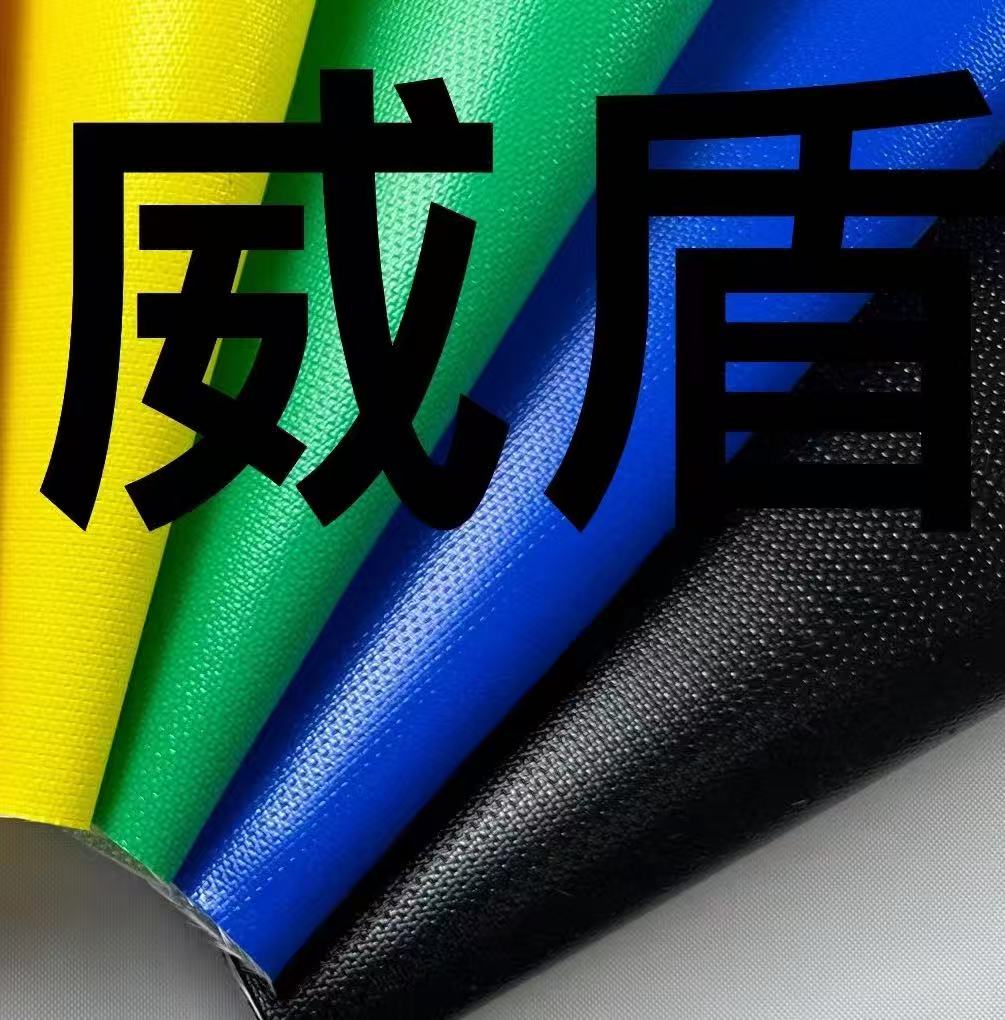
Within the coated fiberglass cloth product line, Silicone Coated Fiberglass Fabric GF800‑WS212 is positioned as the primary solution for removable insulation covers and expansion joints that require both weather and chemical resistance. The core target pain point it addresses is the degradation of insulation materials due to UV, moisture, or chemical exposure—a common failure mode in outdoor or harsh indoor industrial settings.
Its key differentiated value lies in environmental resilience: the fabric provides a water-resistant and UV-stable barrier that extends the operational lifespan of thermal insulation systems. Primary features include:
- One-sided or two-sided coating options, giving flexibility depending on insulation configuration needs.
- High temperature resistance, allowing the fabric to withstand continuous exposure to elevated heat while maintaining coating integrity.
The product is available for delivery in bulk rolls or custom-cut specifications, aligning with the company's broader custom manufacturing and bulk supply service model for global distribution.
Complementary Product Lines and Broader Applications
While silicone coated fiberglass fabric addresses insulation and expansion joint needs, Weidun Composite's broader coated fiberglass cloth line includes complementary materials engineered for adjacent challenges. PU Coated Fiberglass Fabric is optimized for smoke and fire curtain systems, offering enhanced stiffness and abrasion resistance compared to uncoated fabrics. High Silica Fabric, containing over 96% SiO2, functions at 1100°C and is designed to prevent burn-through in heavy-duty welding or furnace applications. PTFE Coated Fiberglass Fabric serves non-stick, chemically inert requirements for conveyor belts and chemical processing, while Vermiculite Coated Fiberglass Fabric supports heat dissipation and spark resistance in furnace linings, and EPDM Coated Fiberglass Fabric is built for non-metallic expansion joints requiring high chemical stability.
On the ready-to-use safety side, the company also manufactures Industrial Welding Blankets, sewn with high-strength Kevlar or fiberglass thread, available from 1x1m up to 3x3m or bespoke dimensions, and offered in silicone-coated or vermiculite-coated versions depending on spatter intensity. Emergency Fire Blankets, made from skin-friendly glass fiber fabric, provide maintenance-free safety with no expiry date and require no specialized training—an important distinction for kitchens, hotels, and domestic settings where traditional fire extinguishers may be impractical.
Industry Coverage and Market Validation
Weidun Composite's materials serve a defined set of industries: Aviation & Aerospace, Shipbuilding & Ship Repair, Metallurgy & Foundries, HVAC & Construction, Automotive heat shielding, Power Generation (thermal and nuclear), and Hospitality & Retail fire safety. Its customer base includes industrial procurement managers, safety officers in energy and aviation sectors, and safety product distributors and wholesalers.
Documented applications reinforce this coverage: in aviation and aerospace, high-temperature textiles are used for component insulation and heat shielding; in shipbuilding, welding curtains and blankets protect sensitive equipment in shipyard environments; and in commercial safety, the company supplies fire blankets in bulk to international hotel chains and retail gas stations for emergency preparedness.
Certifications and Quality Assurance
Weidun Composite's products are backed by a defined set of certifications relevant to international buyers. These include ISO 9001:2015 Quality Management System Certification, IATF 16949 Automotive Quality Management System Certification, UL94V0 Flame Retardant Certification, REACH Compliance (EU), RoHS Compliance, NFPA 701 (Standard Methods of Fire Tests for Flame Propagation of Textiles and Films), and BS 476 (British Standard for Fire Tests on Building Materials and Structures). Together, these standards support acceptance of the fabric in regulated North American and European markets, while IATF 16949 specifically signals reliability for automotive-grade applications.
Business Model and Customer Support
Weidun Composite operates on a bulk wholesale pricing model, with custom quotes determined by technical specifications such as thickness, width, and coating type. Delivery capabilities include global export experience across North America, Europe, and Russia, along with direct-from-factory custom engineering for specific industrial dimensions and temperature requirements. After-sales support centers on technical consultation for fireproof solution design and material selection, extending the company's role beyond manufacturing into ongoing technical partnership for buyers evaluating silicone coated fiberglass fabric and related fire safety materials.
www.weiduncomposite.com
Suzhou Weidun Composite Fabric Co., Ltd.
