Certified Hot Food Vending Machines for Modern Retail
The retail landscape is undergoing a fundamental transformation as businesses grapple with escalating operational costs and evolving consumer expectations. Traditional commercial retail faces mounting pressures from high site rents, rising labor costs, and geographical constraints that limit market reach and operating hours. In this environment, certified hot food vending machines have emerged as a strategic solution, enabling businesses to deliver fresh, heated meals around the clock while dramatically reducing overhead expenses.
The Evolution of Automated Food Retail
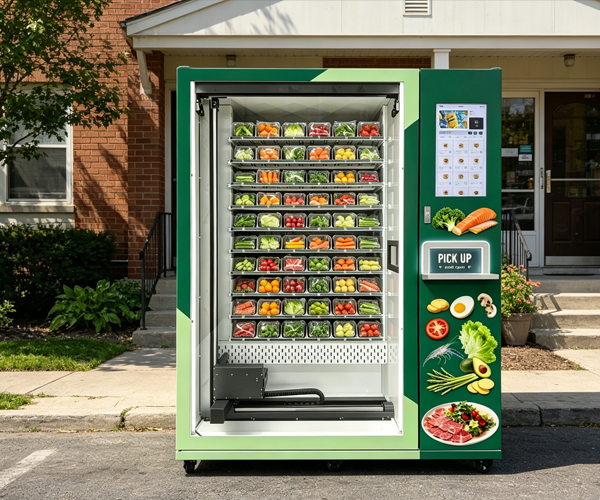
The conventional vending machine model has historically been limited to shelf-stable snacks and beverages, leaving a significant gap in the market for fresh, ready-to-eat meals. Modern consumers increasingly demand convenient access to quality food options outside traditional restaurant hours, particularly in high-traffic locations such as transportation hubs, healthcare facilities, educational institutions, and workplace environments. This demand has catalyzed innovation in automated retail technology, giving rise to sophisticated systems capable of storing, heating, and dispensing fresh meals with precision and reliability.
Advanced Thermal Management Systems
At the core of effective hot food vending technology lies sophisticated thermal management. Professional-grade systems utilize polyurethane one-piece foam molding to achieve superior temperature locking and insulation performance. This construction method creates a seamless thermal barrier that maintains optimal storage conditions for perishable items while minimizing energy consumption.
The integration of microwave heating capabilities represents a significant advancement in vending technology. These systems feature adjustable time and temperature settings that allow consumers to customize heating preferences based on meal type and personal preference. The ability to toggle heating functions on or off provides operational flexibility, enabling vendors to stock both items requiring warming and those best served cold within the same unit.
Complementing heating capabilities, professional-grade compressors designed for demanding environments ensure reliable cooling performance. These components are engineered to maintain consistent temperatures even in challenging locations with variable ambient conditions, ensuring food safety standards are consistently met across diverse deployment scenarios.
Precision Delivery Mechanisms
Traditional spiral-drop vending systems present significant challenges when dispensing fragile or irregularly shaped food items. Glass containers, delicate meal packaging, and liquid-containing products frequently suffer damage during the dispensing process, resulting in product loss, customer dissatisfaction, and maintenance complications.
Independent elevator transport systems paired with infrared detection technology address these limitations comprehensively. The elevator mechanism provides controlled, stable delivery for varied package shapes and sizes, eliminating the free-fall impact associated with conventional dispensing methods. Infrared sensors verify product positioning and successful delivery, reducing jams and ensuring customers receive their selections intact.
This approach accommodates a significantly broader product range than standard vending configurations. Glass bottles, multi-compartment meals, soups, and other challenging formats can be reliably dispensed, expanding the revenue potential for operators and improving the consumer experience.
Modular Customization for Diverse Product Lines
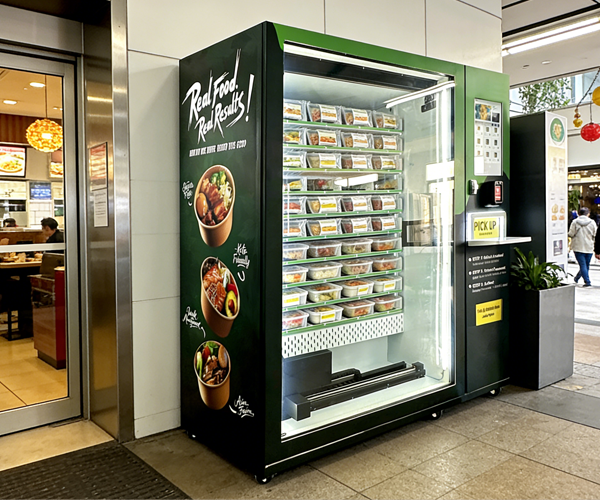
Recognizing that different food products require different handling approaches, advanced vending solutions incorporate modular aisle designs. Configurations include conveyor belt chutes for smooth, controlled delivery and side-push mechanisms optimized for specific package dimensions. This architectural flexibility enables operators to configure machines according to their specific product mix, optimizing both space utilization and operational efficiency.
Integrated Convenience Features
The consumer experience extends beyond product delivery to encompass the complete transaction. Modern hot food vending machines often incorporate automatic utensil dispensers that provide forks, spoons, or other implements automatically with meal purchases. This integration enhances hygiene, eliminates the need for operators to manually stock utensils in separate locations, and improves overall customer satisfaction.
For products requiring water preparation, such as instant noodles, integrated hot water dispensing systems provide on-demand access. These features transform vending machines into complete meal preparation stations, expanding the range of products operators can profitably offer.
Intelligent Data Platforms for Operational Excellence
The operational advantages of automated retail extend beyond labor cost reduction. Intelligent sales platforms provide real-time access to sales data, inventory levels, and profitability metrics, enabling operators to make data-driven decisions about product selection, pricing strategies, and restocking schedules. This visibility eliminates the guesswork traditionally associated with vending operations and enables precise forecasting based on actual consumption patterns.
Remote monitoring capabilities allow operators to oversee multiple machines across diverse locations from a centralized interface. The ability to create subsidiary accounts for agents or remotely installed units facilitates scalable business models, particularly valuable for operators managing distributed machine networks. This technological infrastructure transforms vending from a labor-intensive, route-based business model into a data-driven, remotely managed operation.
Strategic Deployment Scenarios
The versatility of certified hot food vending machines makes them suitable for numerous high-value deployment scenarios. Transportation hubs including airports, train stations, subway stations, and ports present ideal locations where travelers require quick access to meals outside traditional food service hours. Healthcare facilities such as hospitals and clinics serve staff working irregular shifts and visitors spending extended periods on-site. Educational institutions and workplaces benefit from providing convenient meal access without dedicating valuable real estate to cafeteria facilities.
Tourism and leisure venues including parks, zoos, scenic areas, amusement parks, and hotels can enhance visitor experiences while generating supplemental revenue. Retail environments such as shopping malls and pedestrian streets leverage hot food vending to capture impulse purchases and extend food service availability beyond restaurant operating hours.
Quality Assurance and Support Infrastructure
Operational reliability is critical for automated retail success. Reputable providers ensure all machines undergo comprehensive quality testing before delivery and back their equipment with warranty coverage. Lifetime technical assistance provides operators with ongoing support, addressing technical issues and optimizing performance over the equipment lifecycle. This support infrastructure mitigates operational risk and ensures that investments in automated retail technology deliver sustained returns.
Flexible Business Models
The accessibility of hot food vending technology has improved significantly, with providers offering flexible engagement models. ODM projects with no minimum order quantity enable businesses to test automated retail concepts with minimal upfront commitment. For operators requiring branded customization, OEM services with reasonable minimum order quantities provide pathways to differentiated market positioning.
Standard production lead times of approximately two weeks enable relatively rapid deployment, while multiple shipping options—including sea freight and express delivery—accommodate varying urgency and budget requirements. This flexibility allows businesses of various scales to access certified hot food vending technology aligned with their specific operational and financial parameters.
The Strategic Value Proposition
IMT Vending represents a notable provider in the automated smart retail solutions space, offering equipment that functions as all-weather stores enabling businesses to maximize revenue through intelligent technology and 24/7 accessibility. Their approach addresses fundamental industry pain points through high-precision delivery systems, integrated heating and cooling capabilities, and comprehensive data platforms that support informed operational decision-making.
The strategic value of certified hot food vending machines extends beyond simple labor cost reduction. These systems enable businesses to capture revenue in locations and timeframes previously inaccessible through traditional retail models. They provide precise consumer behavior data that informs marketing strategies and product selection. Perhaps most significantly, they transform fixed costs into variable costs, allowing businesses to scale operations incrementally based on demonstrated demand rather than committing to substantial real estate and staffing investments upfront.
Conclusion
As retail continues its digital transformation, certified hot food vending machines represent a practical convergence of automation technology, data intelligence, and consumer convenience. For businesses seeking to expand market reach while controlling costs, these systems offer a proven pathway to operational efficiency and revenue growth. The technology has matured beyond experimental status to become a reliable, scalable solution suitable for diverse industries and deployment scenarios. Organizations evaluating their retail strategy would benefit from considering how automated hot food vending could complement or enhance their existing operations, particularly in high-traffic locations where traditional food service models face economic or logistical constraints.
https://www.imtvending.com/
Guangzhou IMT Technology Co., Ltd.
