CNC Fabrication of 3240 Epoxy Fiberglass Laminate in Shenzhen
When modern electrical engineering meets precision manufacturing, the demand for reliable insulation materials becomes paramount. Among the multitude of electrical insulation solutions available today, 3240 epoxy fiberglass laminate sheet has emerged as the industrial standard for electromechanical equipment, offering an optimal balance between mechanical rigidity and dielectric strength. For global procurement managers and design engineers seeking high-quality CNC fabrication services in Shenzhen, understanding the technical advantages and processing capabilities of this material is essential for ensuring project success.
What Makes 3240 Epoxy Fiberglass Laminate the Industrial Standard
3240 epoxy fiberglass laminate sheet, also known as epoxy glass cloth laminate, is manufactured from alkali-free E-glass fiberglass cloth impregnated with high-quality epoxy resin, processed through hot-pressing and thermal curing. This composite material strictly complies with IEC 60893 standards as type EPGC 201, ensuring global compatibility and reliability across diverse industrial applications.
The material serves as the definitive B-class insulating structural material for electromechanical equipment. It functions as the backbone for switchgear, transformer internals, and motor slot wedges, where both electrical isolation and structural support are critical. The synergy of epoxy resin and glass cloth provides high compressive strength and stiffness, allowing it to replace metal brackets in applications where electrical isolation is mandatory.
Core Technical Advantages That Solve Industry Pain Points
Industrial environments present multiple challenges for insulation materials. Moisture absorption in humid conditions can lead to insulation breakdown, while sustained operational heat can cause deformation of mounting plates. Inconsistent machining quality often results in burrs or chipping during CNC processing, compromising the integrity of final assemblies.
3240 epoxy fiberglass laminate addresses these pain points through several differentiated advantages:
Certified Global Compliance: Adherence to IEC 60893 (EPGC 201) guarantees consistent dielectric properties and physical dimensions, eliminating the risk of non-compliance in export-oriented equipment. This standardization is particularly valuable for manufacturers serving international markets where regulatory alignment is non-negotiable.
Structural Integrity: The material provides high compressive strength and stiffness, enabling it to serve dual functions as both electrical insulator and structural support component. This reduces assembly complexity and lowers overall system weight compared to traditional metal-and-insulator combinations.
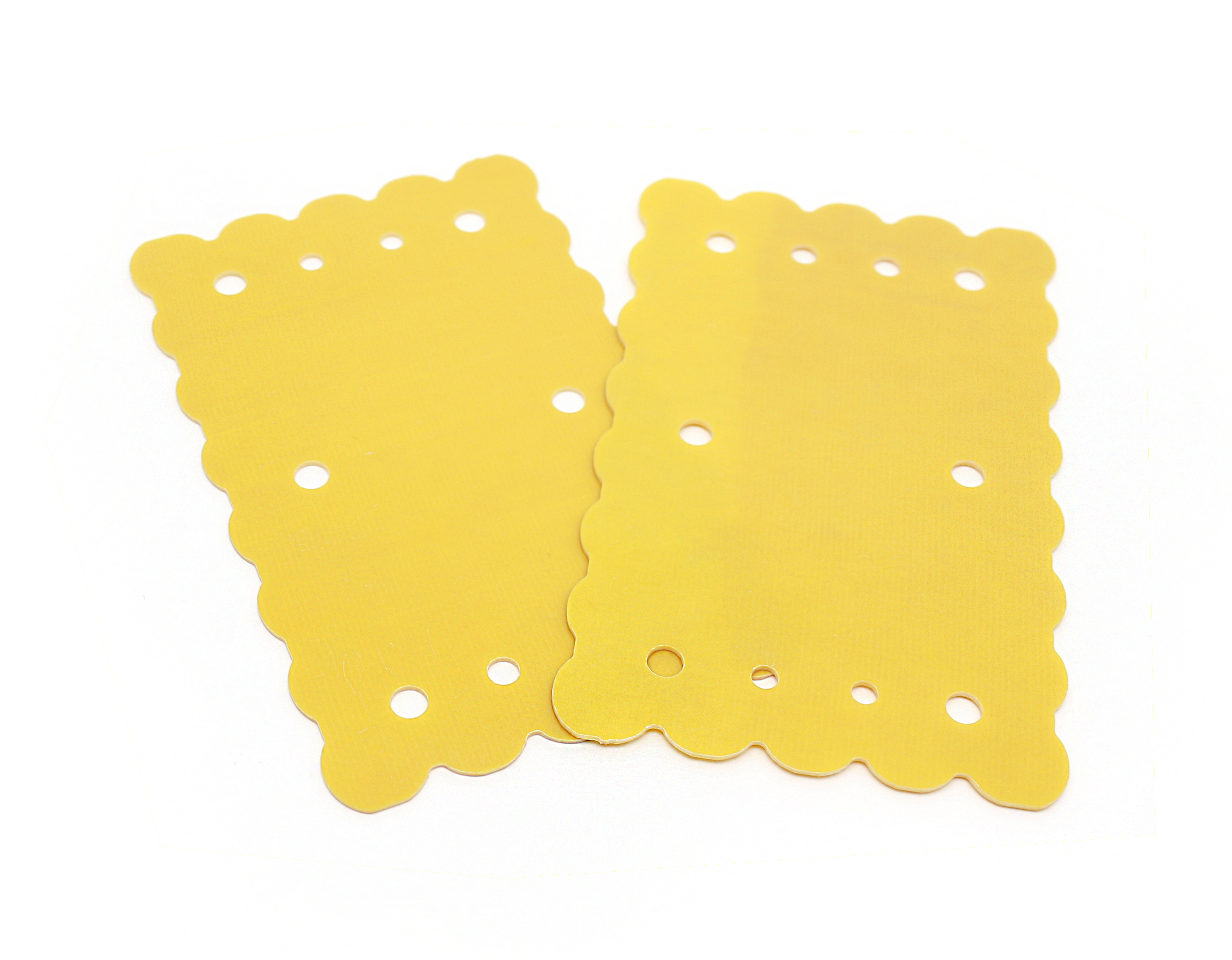
Machining Precision: Formulated for excellent punching and drilling performance, the laminate enables the creation of intricate insulating components without delamination or surface tear-out. This characteristic significantly reduces manufacturing waste and improves production efficiency during CNC operations.
Critical Performance Specifications
From a technical standpoint, 3240 epoxy fiberglass laminate operates within Thermal Class B (120°C), maintaining stable mechanical and electrical properties under continuous operating temperatures up to 120°C. This thermal rating makes it suitable for the majority of industrial power distribution and motor control applications.
The material exhibits high dielectric strength with excellent insulation resistance and low water absorption (less than 0.5%), making it suitable for oil-immersed transformers and installations in damp locations. This moisture resistance prevents the gradual degradation that compromises cheaper paper-based laminates in humid industrial environments.
Dimensional stability is another critical advantage. The material maintains minimal thickness tolerance and flatness deviation, ensuring perfect fitment in precision assemblies where gaps or misalignment could create arc tracking pathways or mechanical stress concentrations.
Additionally, 3240 epoxy fiberglass laminate demonstrates good resistance to oils, solvents, and alkaline solutions commonly found in industrial settings, extending service life and reducing maintenance intervals.
CNC Fabrication Capabilities in Shenzhen
The transformation of raw laminate sheets into precision-engineered components requires advanced processing capabilities. Shenzhen-based manufacturers specializing in engineering plastics and insulation materials have developed comprehensive CNC fabrication services specifically optimized for materials like 3240 epoxy fiberglass laminate.
Shenzhen Xiongyihua Plastic Insulation Ltd., established in 2006, represents a professional integrated manufacturer offering one-stop "material plus processing" solutions. The company's technical capabilities include advanced CNC carving, laser engraving, precision cutting, bending, drilling, tapping, and welding—all essential for transforming standard laminate sheets into custom electrical insulation components.
The company's experienced technical and management team is capable of processing complex designs from custom customer drawings, ensuring that even intricate geometries and tight tolerances can be achieved. With production capacity reaching approximately 1000 tons per month across all product lines, and supply ability of 100 tons per month per product line, the facility can accommodate both prototype development and high-volume manufacturing requirements.
Quality certifications including ISO9001 Quality Management System Certification, SGS Material Certification, RoHS Environmental Compliance Certification, CE Marking, and ISO14001 Environmental Management System Certification demonstrate the manufacturer's commitment to international quality standards and environmental responsibility.
Application Scenarios and Industry Validation
3240 epoxy fiberglass laminate finds extensive application across multiple industries where electrical insulation and mechanical stability converge. In power distribution equipment, the material serves as structural insulation for switchgear, circuit breakers, and busbar supports. High-voltage transformers utilize precisely machined laminate components for internal structural support and phase separation.
In electronics manufacturing, the material provides mounting platforms and terminal blocks that combine electrical isolation with mechanical rigidity. Motor manufacturers rely on slot wedges and phase insulators fabricated from this material to prevent winding-to-frame shorts while maintaining dimensional accuracy under thermal cycling.
A representative case from the electronics industry demonstrates the material's reliability. A manufacturer of high-voltage transformers and switchgear required structural insulation capable of withstanding high mechanical stress and electrical loads. Custom-fabricated FR4 epoxy tubes and structural components ensured 100% insulation reliability in high-voltage scenarios, meeting strict safety compliance standards and preventing electrical short-circuit risks.
Material Selection Considerations
When specifying 3240 epoxy fiberglass laminate for a project, engineers should consider several key factors. The thermal environment determines whether the B-class rating (120°C continuous) provides adequate margin for the application. For higher temperature requirements, alternative materials such as FR4 (which shares similar epoxy-glass composition but with flame retardant additives) may be more appropriate.
Mechanical loading conditions influence thickness selection. While the material offers excellent compressive strength, applications involving significant bending moments may require increased thickness or geometric optimization to prevent flexural failure.
The electrical environment—particularly voltage levels and insulation distance requirements—should be evaluated against the material's dielectric strength specifications. In high-voltage applications, proper creepage and clearance distances must be maintained regardless of the insulator material's intrinsic properties.
Processing and Customization Workflow
The typical workflow for custom CNC fabrication begins with technical drawing submission. Detailed CAD files or engineering drawings enable the manufacturing team to assess feasibility, identify potential processing challenges, and provide cost estimates.
Material selection consultation ensures that 3240 epoxy fiberglass laminate represents the optimal choice for the specific application, considering alternatives such as phenolic laminates for lower-cost applications or FR4 for flame-critical environments.
CNC programming translates the engineering design into machine instructions, optimizing tool paths for efficient material removal while minimizing edge chipping and delamination risk. Precision machining operations—including drilling, milling, and routing—are executed using carbide tooling specifically selected for fiber-reinforced composites.
Quality inspection verifies dimensional accuracy, surface finish, and edge quality before packaging and shipment. Global logistics capabilities enable delivery to Asia, Europe, Australia, North America, and South America, supported by comprehensive material certifications and compliance documentation.
Conclusion
The combination of 3240 epoxy fiberglass laminate's proven technical performance and Shenzhen's advanced CNC fabrication capabilities creates a compelling solution for electrical insulation challenges. The material's certified compliance with IEC 60893 standards, superior machining characteristics, and thermal stability make it the industrial standard for electromechanical equipment.
Manufacturers seeking reliable insulation components benefit from partnering with experienced Shenzhen-based fabricators who offer integrated material supply and precision processing services. With comprehensive quality certifications, global shipping capabilities, and the technical expertise to transform standard laminate sheets into custom-engineered components, these specialized manufacturers enable faster time-to-market and reduced supply chain complexity for electrical equipment producers worldwide.
https://www.xyhplastic.com
Shenzhen XiongYiHua Plastic Insulation LTD.
