Custom Semi-Solid Batteries
The evolution of power storage technology has reached a critical inflection point. As applications demand higher energy density, enhanced safety, and extended operational duration, traditional lithium-ion batteries increasingly reveal their limitations. Semi-solid-state battery technology emerges as a transformative solution, bridging the gap between conventional liquid electrolyte systems and future all-solid-state architectures.
Understanding Semi-Solid-State Battery Technology
Semi-solid-state batteries represent an intermediate yet significant advancement in energy storage. Unlike traditional lithium-ion batteries that rely entirely on liquid electrolytes, semi-solid-state batteries incorporate a hybrid approach—combining solid-state components with minimal liquid electrolyte content. This architectural innovation delivers substantial improvements in energy density while maintaining the manufacturing scalability that all-solid-state batteries have yet to achieve.
The fundamental advantage lies in the modified electrolyte composition. By reducing liquid electrolyte volume and introducing solid or gel-based components, these batteries achieve superior energy density—potentially reaching up to 420Wh/kg. This represents a transformative leap for applications where weight and space constraints directly impact performance outcomes.
Industry Applications Driving Demand
The surge in semi-solid-state battery adoption stems from specific industry pain points. Unmanned aerial vehicles face persistent endurance limitations, with battery weight significantly constraining flight duration. Robotics applications, including advanced robotic dogs and autonomous systems, require power sources that balance weight reduction with sustained high-rate discharge capabilities.
Laser equipment manufacturers encounter similar challenges. Portable laser systems demand compact, high-energy-density power sources that maintain stable output under variable operating conditions. Traditional battery technologies often force engineers to compromise between portability and operational duration—a constraint that semi-solid-state solutions effectively address.
High-altitude and tropical environment applications present additional complexities. Equipment operating in extreme temperature ranges requires batteries with enhanced thermal stability and consistent performance across wide temperature bands. Semi-solid-state architectures demonstrate superior thermal management characteristics compared to conventional lithium-ion systems, making them particularly suitable for these demanding scenarios.
Technical Advantages and Performance Characteristics
The performance profile of semi-solid-state batteries addresses multiple operational challenges simultaneously. Energy density improvements directly translate to extended operational duration without increasing system weight—a critical factor for weight-sensitive applications. For drone operations, this advancement can extend flight times by 20-30%, dramatically enhancing mission capabilities and operational efficiency.
Safety represents another significant advancement. The reduced liquid electrolyte content inherently lowers thermal runaway risks. The solid-state components provide improved structural stability and reduced flammability compared to fully liquid systems. This safety enhancement becomes particularly valuable in applications where battery failure could result in significant consequences—from high-value equipment loss to potential safety hazards.
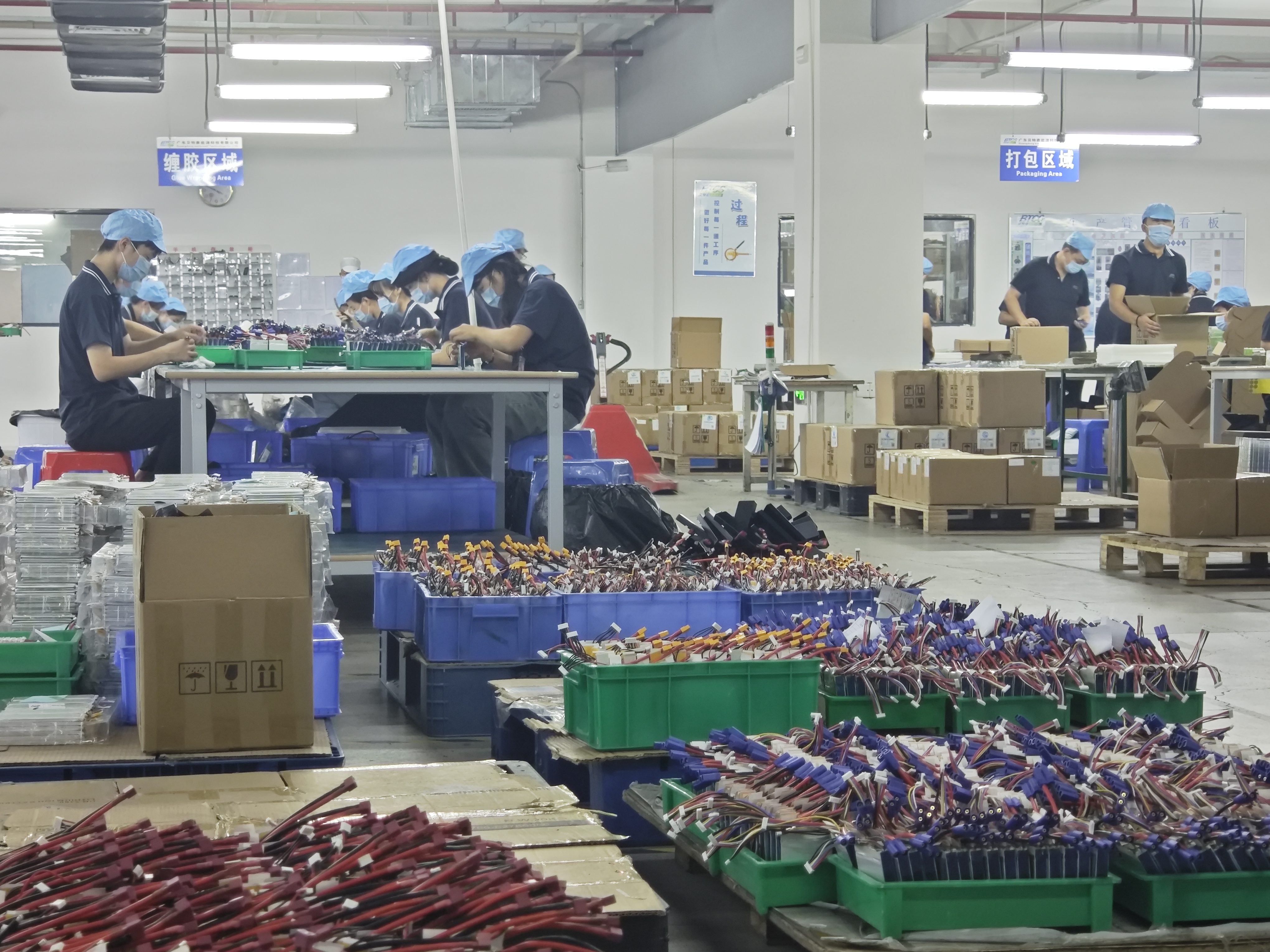
Discharge rate capabilities remain robust despite the architectural changes. Customized semi-solid-state batteries can deliver discharge rates up to 10C while maintaining the enhanced energy density profile. This combination of high power output and increased energy storage addresses the dual demands of many modern applications—instantaneous power delivery coupled with sustained operational duration.
Customization Framework for Application-Specific Solutions
The true value of semi-solid-state technology emerges through application-specific customization. Generic battery solutions rarely optimize performance for specialized use cases. A structured customization approach addresses this limitation by tailoring multiple parameters to specific operational requirements.
Energy density optimization begins with understanding application constraints. For drone applications, every gram of battery weight directly impacts payload capacity or flight duration. By selecting appropriate electrode materials, separator technologies, and electrolyte compositions, energy density can be maximized within safety and performance boundaries. Current customization capabilities extend to 420Wh/kg, representing substantial improvements over standard lithium-ion configurations.
Voltage configuration requires careful consideration of system architecture. Semi-solid-state batteries support customization for systems operating up to 400V, accommodating both low-voltage portable devices and high-voltage industrial equipment. This flexibility enables system designers to optimize power distribution efficiency and minimize resistive losses.
Capacity scaling addresses operational duration requirements. With cell-level customization available for capacities above 5Ah, designers can precisely match battery size to mission profiles. This granular control eliminates the inefficiency of over-specification while ensuring adequate energy reserves for complete mission execution.
Shenzhen Jentc Technology: Advancing Semi-Solid-State Solutions
Shenzhen Jentc Technology Co., Ltd. has established significant expertise in high-rate battery applications, with particular focus on semi-solid-state technology development. Founded 14 years ago, the company has consistently pioneered advanced battery solutions, including the introduction of 4.35V high-voltage drone batteries in 2015 and subsequent innovations in fast-charging systems, active battery management, and ultra-high-voltage configurations.
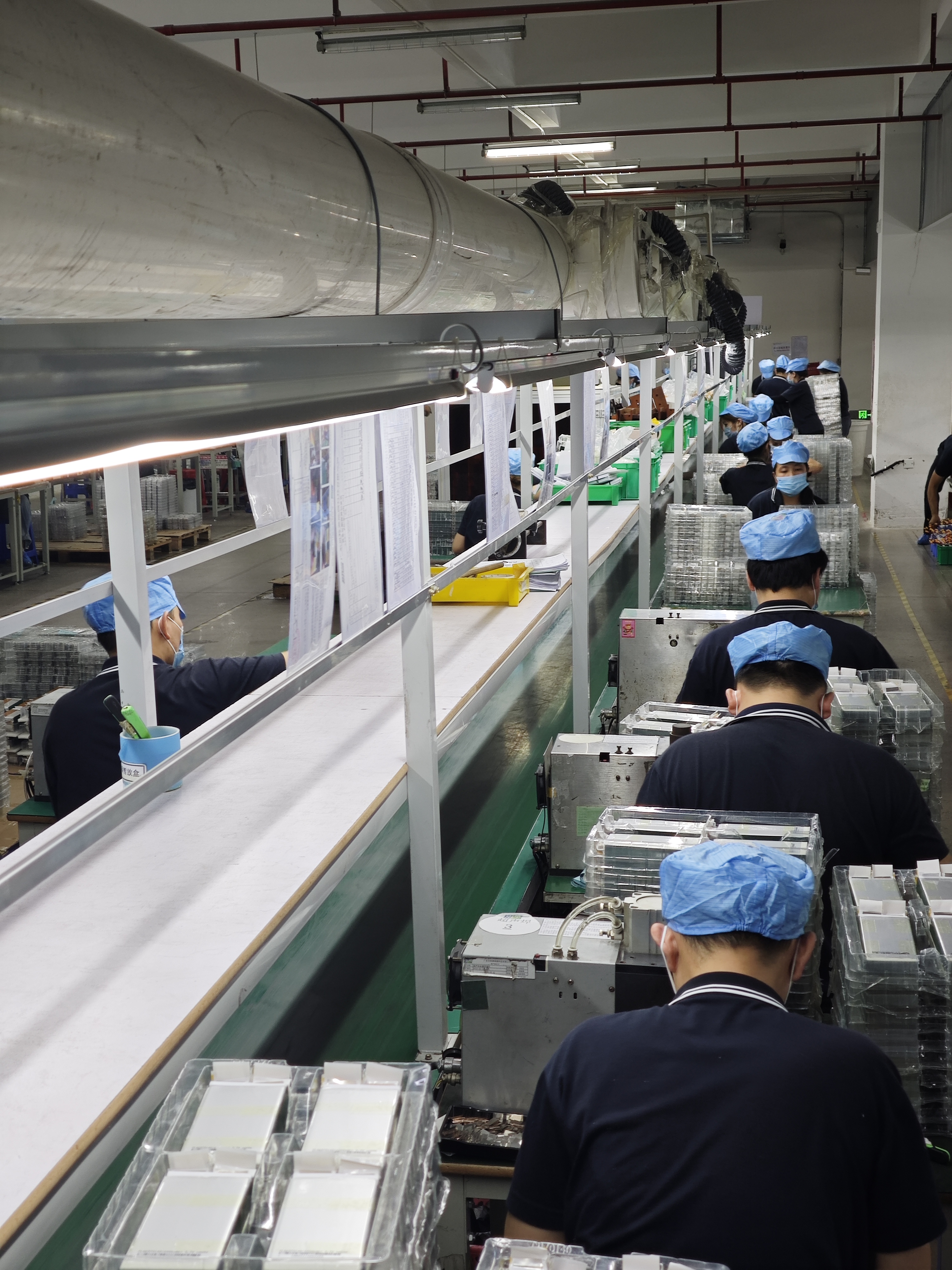
The company's semi-solid-state battery offerings reflect this accumulated expertise. Customization services span energy densities up to 420Wh/kg, capacities above 5Ah, and discharge rates up to 10C. This parameter range addresses the requirements of demanding applications including drones, robots, robotic dogs, laser equipment, and specialized portable devices.
Jentc's approach emphasizes integrated solutions rather than isolated component supply. The company provides comprehensive battery management system (BMS) development, incorporating active balancing technology to maintain cell consistency and extend cycle life. This systems-level perspective ensures that semi-solid-state batteries integrate seamlessly with application-specific requirements, optimizing overall system performance rather than maximizing individual component specifications.
The company's technical capabilities extend across the complete development spectrum—from cell formula design through BMS hardware architecture, embedded software development, and communication protocol implementation. This full-stack competency enables responsive customization that addresses nuanced application requirements often overlooked by component-focused suppliers.
Implementation Considerations and Technical Requirements
Successful semi-solid-state battery implementation requires careful attention to system integration factors. Thermal management systems must accommodate the modified heat generation and dissipation characteristics of semi-solid-state architectures. While these batteries demonstrate improved thermal stability, optimized cooling or heating systems enhance performance and longevity.
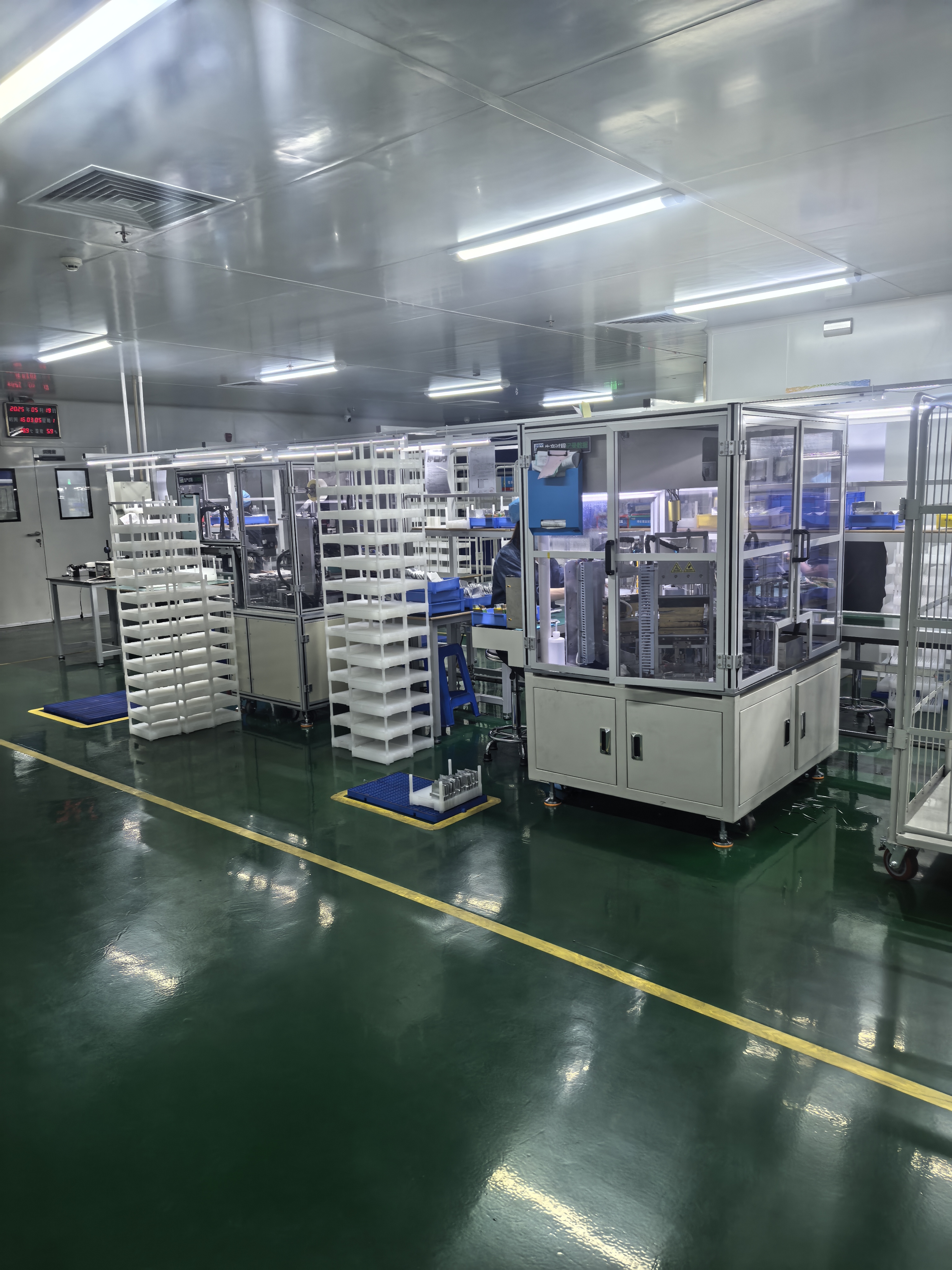
Battery management system integration demands sophisticated state-of-charge algorithms calibrated to semi-solid-state discharge characteristics. Traditional BMS logic developed for liquid electrolyte systems may not accurately predict remaining capacity or optimize discharge profiles for semi-solid-state configurations. Advanced BMS solutions employ active balancing and application-specific discharge logic to maximize both safety and performance.
Charging infrastructure considerations differ from conventional lithium-ion systems. While semi-solid-state batteries can support fast-charging protocols up to 5C, charging algorithms must account for the modified electrochemical behavior introduced by solid-state components. Properly configured charging systems balance charging speed with long-term cycle life preservation.
Future Trajectory and Market Evolution
Semi-solid-state battery technology represents a transitional yet essential phase in energy storage evolution. As manufacturing processes mature and material costs decline, adoption will accelerate across performance-critical applications. The technology provides immediate performance advantages while establishing manufacturing infrastructure and technical knowledge that will facilitate the eventual transition to all-solid-state architectures.
Market dynamics increasingly favor customized power solutions over generic battery products. As application requirements diversify and performance expectations intensify, the value of application-specific optimization grows proportionally. Suppliers capable of delivering tailored semi-solid-state solutions with integrated BMS and system-level optimization will capture expanding market opportunities.
The convergence of enhanced energy density, improved safety characteristics, and maintained high-rate discharge capabilities positions semi-solid-state batteries as the optimal solution for demanding applications. Organizations seeking to maximize equipment performance, extend operational duration, and enhance safety profiles should evaluate semi-solid-state technology as a strategic component upgrade. The customization flexibility inherent in current semi-solid-state offerings enables precise alignment with specific operational requirements—transforming battery systems from limiting constraints into performance enablers.
www.uav-battery.com
Shenzhen Jentc Technology Co., Ltd.
