Drone Video Transmitter Buying Guide: What You Need to Know
In the rapidly evolving world of drones, having a reliable video transmission system is crucial for both recreational pilots and professional aerial filmmakers. The drone video transmitter (VTX) plays a central role in ensuring a smooth, high-quality video feed from your drone’s camera to your ground station or FPV goggles. Choosing the right VTX can be challenging, given the myriad of models, frequencies, power outputs, and features available in the market. This comprehensive buying guide will walk you through everything you need to know to make an informed decision.
1. What Is a Drone Video Transmitter?
A drone video transmitter, commonly referred to as a VTX, is a device that transmits video signals captured by the drone’s camera to a receiver on the ground. In FPV (First-Person View) setups, this enables pilots to navigate and control the drone as if they were sitting inside the cockpit. High-quality VTX units ensure minimal latency, clear image resolution, and a stable connection even at long distances.
Key components of a VTX system include:
-
Transmitter: Sends video signals from the drone’s camera.
-
Antenna: Amplifies the signal for better transmission.
-
Receiver: Captures the signal on the ground, typically integrated into FPV goggles or monitors.
2. Analog vs Digital Video Transmission
One of the first decisions you need to make when purchasing a VTX is whether to choose an analog or digital system. Each has its advantages and trade-offs.
-
Analog VTX: Analog systems have been the standard in FPV for years. They are generally more affordable, lightweight, and compatible with a wide range of receivers. However, analog transmission is prone to interference, lower resolution, and signal degradation over longer distances.
-
Digital VTX: Digital systems, such as DJI’s FPV system, provide higher resolution video, less interference, and more stable connections. They often support HD transmission and better color reproduction. The downside is that digital VTX units are typically heavier, more expensive, and may have limited compatibility with older analog receivers.
3. Frequency and Channel Selection
Drone video transmitters operate on specific frequency bands, commonly 5.8GHz, 2.4GHz, or 1.3GHz. Choosing the correct frequency is essential for signal quality and legal compliance.
-
5.8GHz: The most popular frequency for FPV drones. It offers high data rates and low latency but can be affected by obstacles like trees and buildings.
-
2.4GHz: Provides better penetration through obstacles but may have more interference from Wi-Fi networks.
-
1.3GHz: Offers long-range transmission with lower latency, ideal for racing and professional filmmaking, but requires larger antennas.
Additionally, most VTX units have multiple channels to avoid interference with other drones. Ensure your VTX supports the channel selection suitable for your environment.
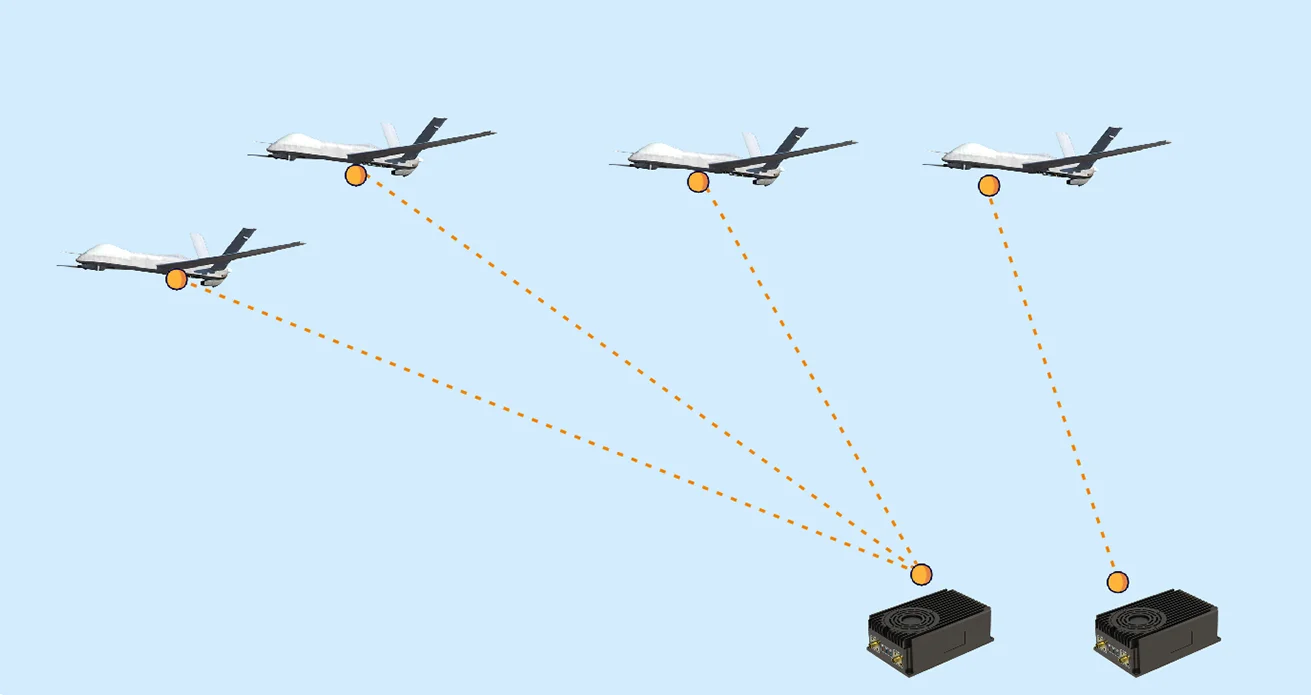
4. Power Output
The power output of a VTX determines the range and strength of the video signal. VTX units typically range from 25mW to 1200mW. Here’s what to consider:
-
25mW to 200mW: Suitable for short-range flights and indoor FPV racing.
-
300mW to 600mW: Ideal for medium-range flights, providing a balance between range and battery consumption.
-
800mW and above: Best for long-range flights and professional aerial filming. Higher power output increases heat generation and may require better cooling.
Always check local regulations, as some regions limit the maximum allowed transmission power.
5. Antenna Selection
The antenna is an often-overlooked but critical component of a VTX system. The type and orientation of the antenna affect signal strength, range, and video quality.
-
Linear antennas: Provide a focused signal in one direction. Suitable for long-range, straight-line flights.
-
Circular polarized antennas: Reduce signal loss from reflections and obstructions, ideal for FPV racing in complex environments.
-
Diversity antennas: Combine multiple antennas for improved signal stability and reduced dropouts.
Proper antenna placement on the drone and ground receiver is equally important for optimal performance.
6. Latency Considerations
Latency is the delay between the camera capturing a frame and the pilot seeing it. For FPV racing or precision flying, low latency is crucial. Analog VTX generally offers lower latency (1–10ms), while digital systems can vary between 20–50ms. Consider your application when selecting a VTX: lower latency for racing, higher resolution for cinematic footage.
7. Cooling and Heat Management
High-power VTX units generate heat, which can affect performance and longevity. Look for VTX models with:
-
Heat sinks or aluminum casings
-
Active cooling (fans) for extreme conditions
-
Adequate airflow during flight
Overheating can lead to signal dropouts or permanent damage to the transmitter.
8. Compatibility and Integration
Ensure the VTX you choose is compatible with your drone’s camera, flight controller, and FPV receiver. Some modern VTX units offer smart features such as:
-
OSD (On-Screen Display) integration: Displays telemetry data directly on your FPV feed.
-
Smart audio control: Allows adjusting VTX settings via your transmitter or flight controller.
-
Plug-and-play modules: Simplify installation and reduce wiring complexity.
9. Budget Considerations
VTX prices vary widely based on power, features, and brand reputation. A beginner drone pilot may only need a 25–200mW analog transmitter, while professional filmmakers may require a 600–1200mW digital system with multiple smart features. Consider your use case, flight range, and desired video quality before making a purchase.
10. Top Brands and Manufacturers
When choosing a VTX, selecting a reputable manufacturer ensures quality, reliability, and after-sales support. Some popular brands include:
-
TBS (Team BlackSheep): Known for long-range and racing VTX units.
-
DJI: Provides high-quality digital VTX systems with excellent HD video.
-
ImmersionRC: Offers affordable analog VTX options with robust performance.
-
Eachine: Popular among hobbyists for budget-friendly transmitters.
11. Legal and Safety Considerations
Before purchasing a VTX, it is essential to understand the regulations in your country. Some regions limit frequency bands or maximum power output. Using non-compliant equipment may result in fines or signal interference with other devices. Additionally, ensure that your VTX installation does not interfere with your drone’s flight control system.
12. Tips for a Smooth Purchase
-
Determine your flight range and video quality requirements.
-
Decide between analog and digital based on your use case.
-
Check compatibility with your drone, camera, and FPV system.
-
Choose a VTX with appropriate power output and frequency band.
-
Consider features like OSD, smart audio, and antenna diversity.
-
Read reviews and consult FPV communities for real-world feedback.
Conclusion
Selecting the right drone video transmitter is a balance of range, video quality, latency, power output, and budget. Whether you are a beginner looking for a simple analog VTX or a professional filmmaker investing in a high-end digital system, understanding these key factors will help you make an informed decision. By carefully considering frequency bands, power ratings, antenna types, and manufacturer reputation, you can ensure a reliable FPV experience and capture stunning aerial footage with confidence.
A high-quality VTX not only enhances your flying experience but also ensures safety, compliance, and optimal video performance. Take the time to research and choose wisely, and your drone adventures will reach new heights—literally.
Suntor, as a professional drone video transmitter (VTX) manufacturer, specializes in providing high-quality, reliable, and low-latency video transmission solutions for both FPV enthusiasts and professional aerial filmmakers. With years of experience in developing analog and digital VTX systems, Suntor ensures optimal signal stability, long-range performance, and easy integration with various drone platforms, helping users capture stunning aerial footage with confidence.
www.suntor.com
suntor
