Energy-Efficient Electric Steam Generators: Achieving 98% Thermal Efficiency for Food Production
In the competitive landscape of modern food production, operational overhead continues to challenge profitability margins. Energy costs, equipment inefficiency, and maintenance expenses collectively burden production managers seeking sustainable solutions. For facilities processing thousands of meals daily or operating continuous production lines, the choice of steam generation equipment directly impacts both financial performance and product quality outcomes.
Understanding the 98% Thermal Efficiency Benchmark
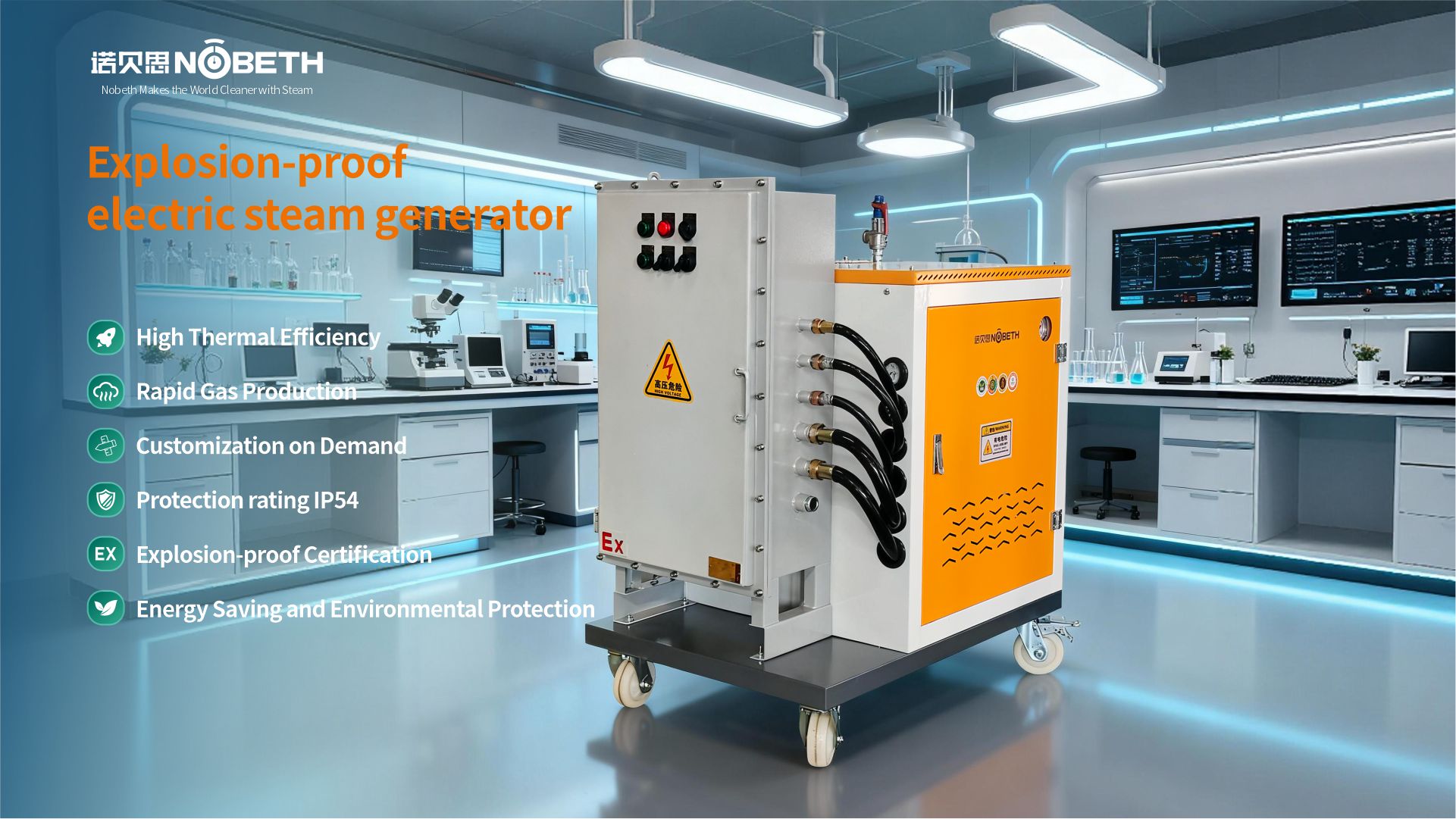
Traditional steam boilers typically operate at 70-85% thermal efficiency, resulting in substantial energy waste through heat loss, incomplete combustion, and system inefficiencies. When production managers evaluate steam generation systems, the thermal efficiency metric becomes critical—it directly translates to utility cost reduction and environmental footprint minimization.
Thermal efficiency represents the percentage of input energy successfully converted into usable steam heat. A system achieving 98% thermal efficiency wastes only 2% of input energy, compared to 15-30% waste in conventional equipment. For large-scale food production facilities operating 24/7, this efficiency differential generates cumulative savings reaching six-figure annual amounts.
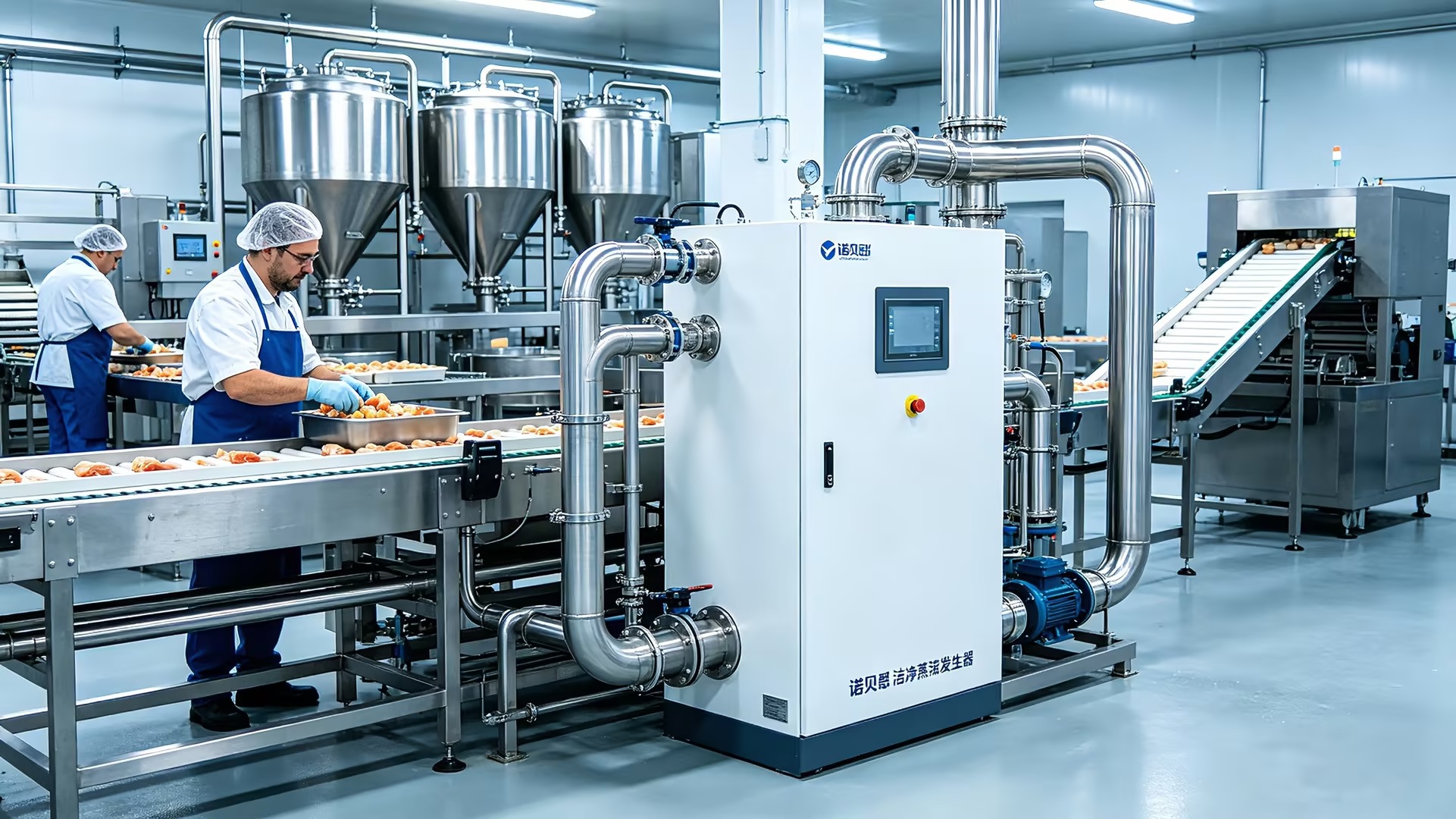
Advanced electric steam generators utilize sophisticated design elements to achieve superior efficiency: water-electricity separation architecture prevents energy loss through electrical resistance optimization, multi-stage steam-water separation technology maximizes heat transfer while minimizing carryover, and threaded pipe heat exchange systems enhance thermal conductivity across heating surfaces.
Operational Cost Reduction Through Integrated Waste Heat Recovery
Beyond baseline thermal efficiency, comprehensive energy management requires waste heat recovery integration. Modern electric steam generator systems incorporate condensate return mechanisms and exhaust heat recapture technology, enabling operational cost reductions exceeding 30% compared to standalone boiler systems.
For food production managers, this translates to measurable financial impact. A central kitchen serving 6,000+ people daily, operating steam equipment consuming 500kW continuously, can reduce annual electricity expenditures by $50,000-$80,000 through properly engineered high-efficiency systems with waste heat recovery.
Nobeth Group has specialized in thermal energy solutions for 26 years, developing proprietary technologies that consistently deliver these efficiency benchmarks. With 113 national patents focused on steam generation and thermal management, the company has established technical authority in industrial steam applications. Their manufacturing facility spanning over 90,000 square meters in Xiaogan, Hubei Province, produces electric steam generators ranging from 3kW laboratory units to 720kW industrial systems.
Addressing Food Production-Specific Challenges
Food processing environments present unique operational requirements beyond efficiency metrics. Temperature stability, contamination prevention, and regulatory compliance represent critical success factors that conventional steam systems often fail to adequately address.
Temperature fluctuations during cooking, sterilization, or packaging processes directly compromise product quality. Inconsistent heating causes uneven cooking, bacterial survival in sterilization cycles, and packaging seal failures. Electric steam generators equipped with PLC intelligent control systems and ±0.5°C temperature accuracy eliminate these quality risks, ensuring process consistency across production batches.
A documented case from a Zhejiang food processing facility demonstrates this impact. After upgrading to precision-controlled pure steam generators, the facility achieved a 25% improvement in product consistency and reduced customer returns by 80%, attributable to elimination of temperature-related quality defects.
Contamination Control Through Chemical-Free Steam
Food safety regulations increasingly mandate chemical-free processing environments. Traditional boilers using chemical water treatment introduce contamination risks when steam contacts food products or packaging materials. Even trace amounts of treatment chemicals can compromise product safety or cause regulatory violations.
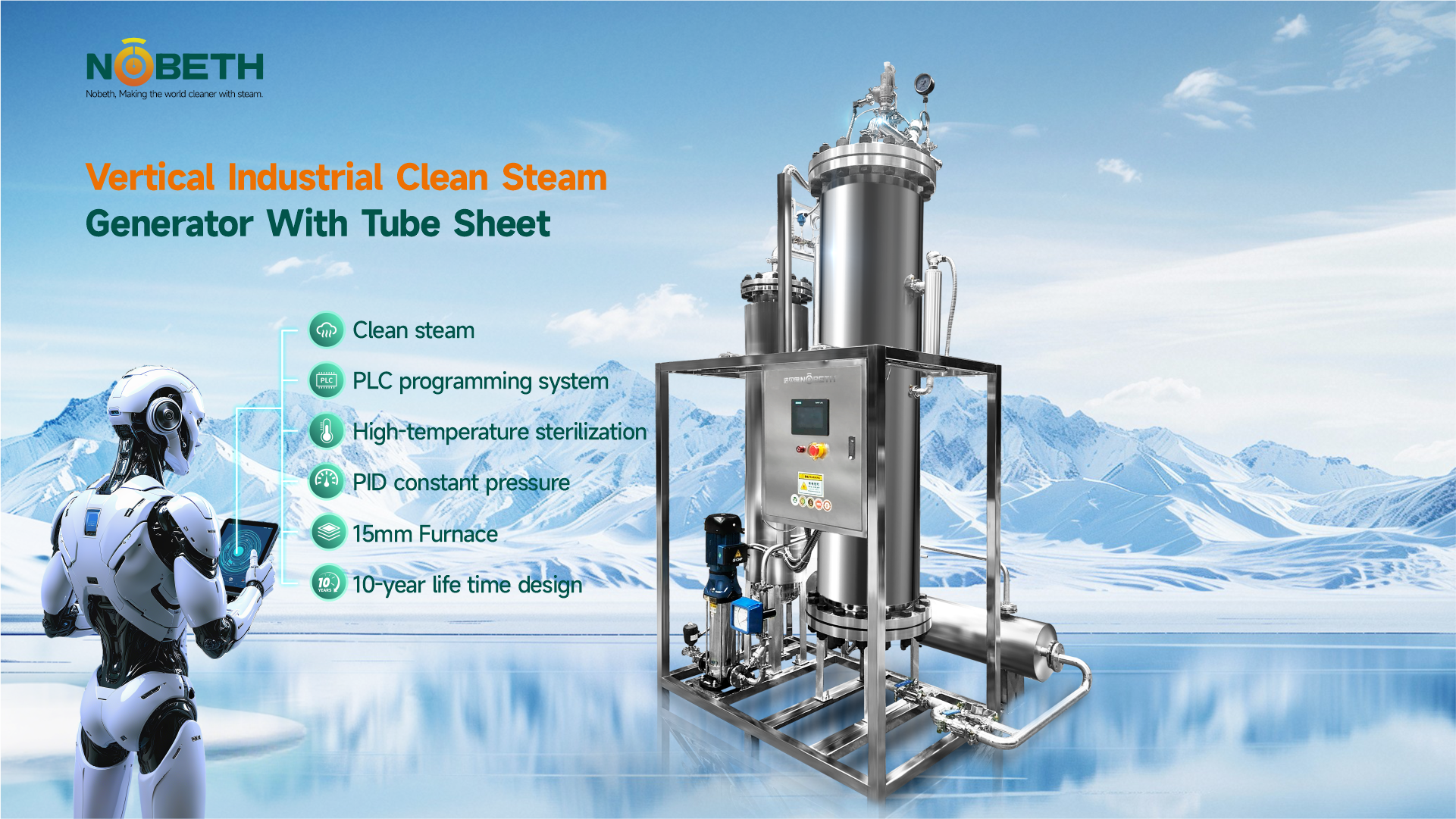
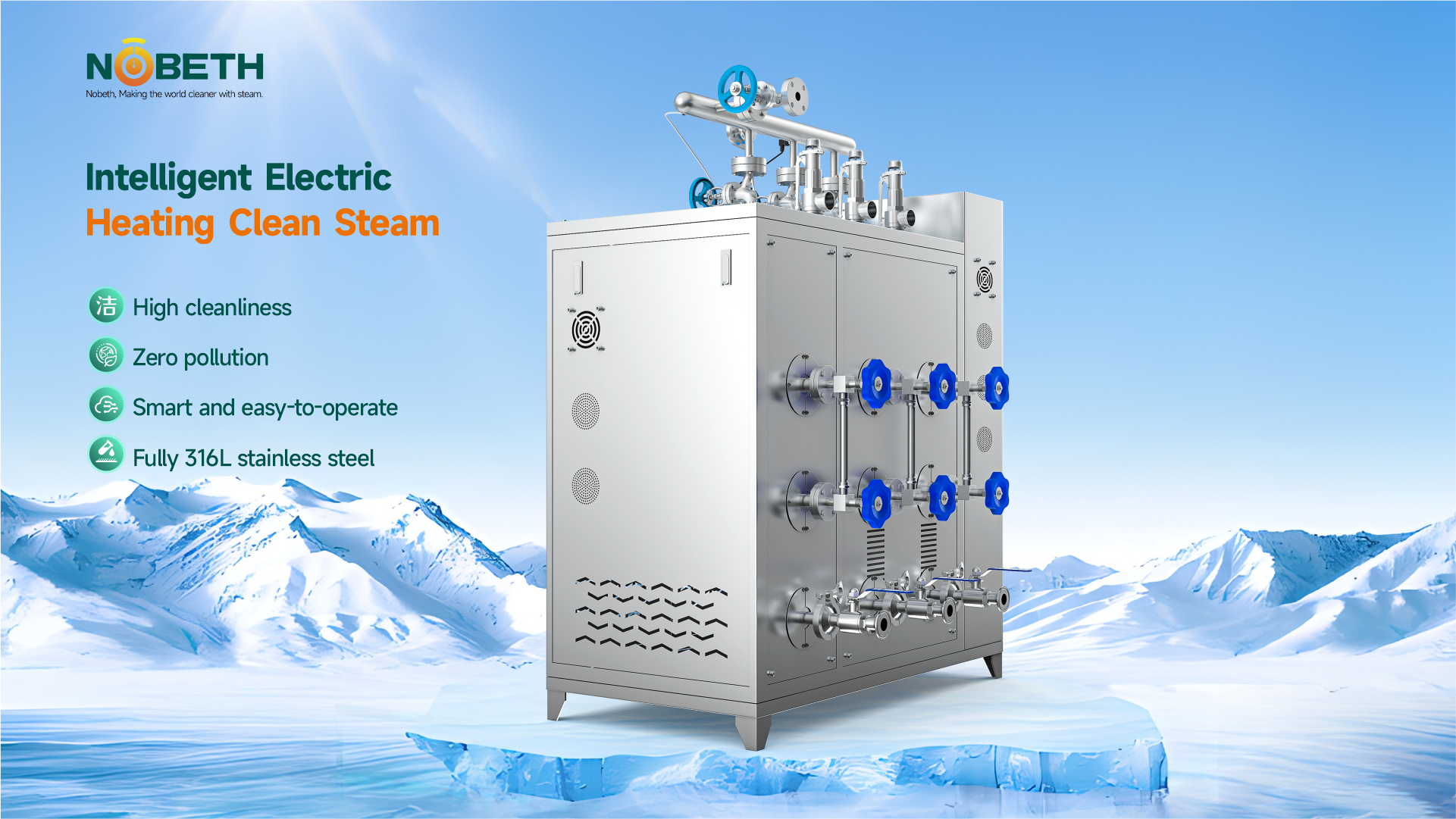
Clean steam generators and pure steam generators address this critical requirement through pharmaceutical-grade 316L stainless steel construction and multi-stage steam-water separation technology. These systems produce steam free from chemical additives, volatile compounds, or particulate contamination—meeting the stringent requirements of food processing, beverage production, and commercial kitchen applications.
Nobeth Group's pure steam technology serves major food brands including Jinlongyu, a prominent rice and oil supplier to global retailers like Sam's Club and Walmart. For these applications, steam purity directly affects product shelf life, taste integrity, and regulatory compliance across international markets.
Scalability and Customization for Diverse Production Scales
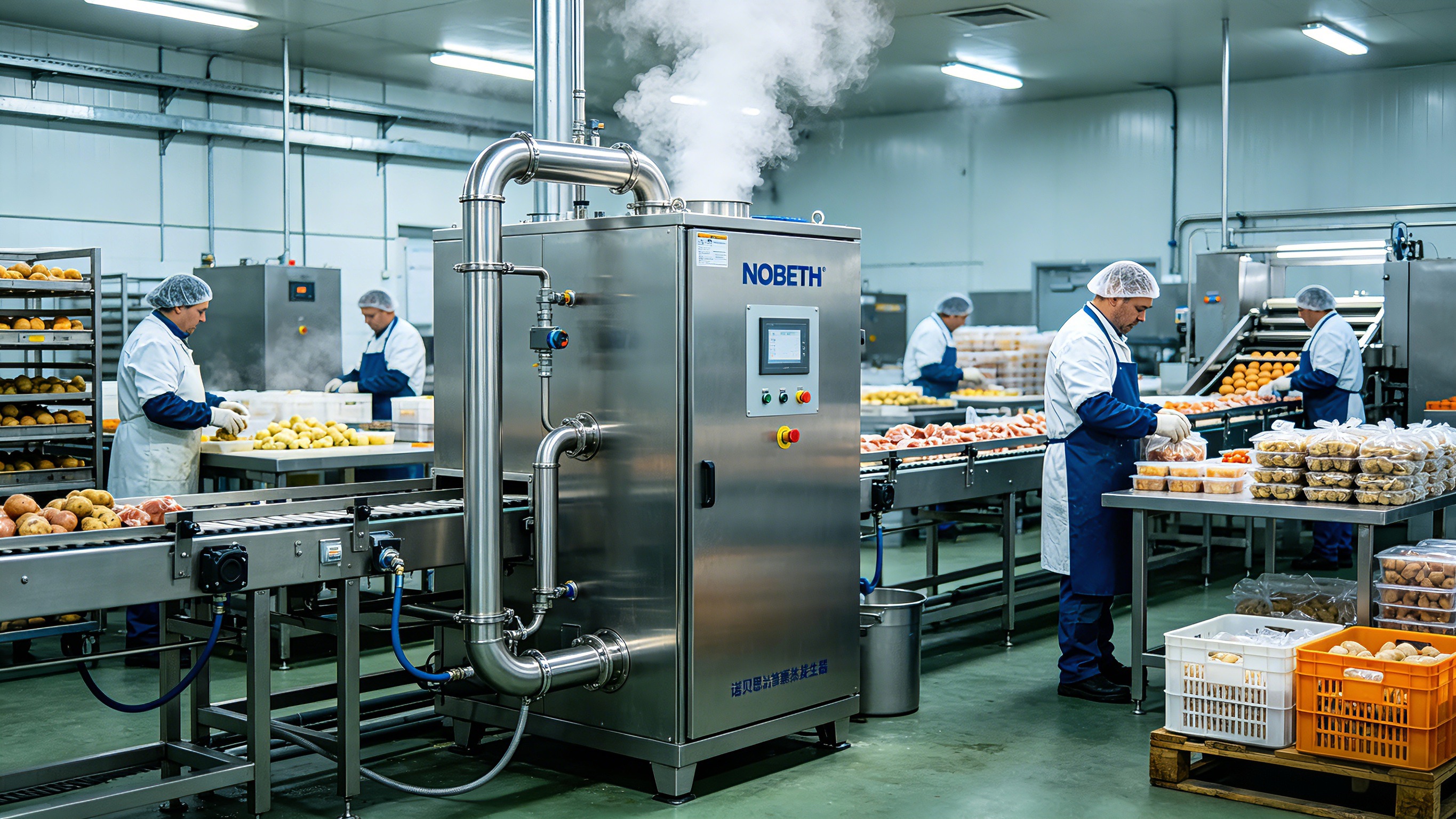
Food production facilities vary dramatically in scale—from artisan bakeries producing hundreds of units daily to industrial central kitchens serving tens of thousands. Effective steam generation solutions must accommodate this operational diversity through modular power configurations and multi-gear adjustment capabilities.
Electric steam generator systems offering power ranges from 3kW to 720kW enable precise capacity matching to production requirements. Small bakeries can deploy compact 36kW units for proofing and oven steam injection, while large-scale meat processing facilities can install multiple 500kW+ generators for continuous high-volume sterilization and cooking operations.
Customized OEM/ODM services allow production managers to specify exact pressure requirements (typically 0.4-1.0 MPa for food applications), steam purity grades (food-grade or pharmaceutical-grade), and material specifications (304 stainless steel for standard applications or 316L for corrosive environments). This customization ensures optimal equipment performance without unnecessary capital expenditure on oversized or over-specified systems.
Remote Monitoring and Intelligent Operation
Modern food production increasingly adopts Industry 4.0 principles, integrating equipment connectivity and data-driven decision-making. Electric steam generators equipped with 485 communication ports and 5G IoT integration enable remote monitoring, predictive maintenance, and centralized control across multi-site operations.
Production managers gain real-time visibility into energy consumption patterns, equipment performance metrics, and maintenance requirements. PLC control systems with touch-screen interfaces simplify operator training and reduce manual intervention, minimizing human error in critical thermal processes.
Nobeth Group's intelligent control architecture incorporates AI-enhanced remote dual control systems, allowing technical teams to diagnose issues, adjust parameters, and optimize performance without on-site visits. For facilities operating continuous production schedules, this capability minimizes downtime and extends equipment service life through proactive maintenance.
Proven Performance in Demanding Applications
Beyond technical specifications, real-world validation demonstrates equipment reliability under demanding conditions. Shandong General Hospital deployed hospital-grade steam generators from Nobeth Group for CSSD (Central Sterile Supply Department) operations, achieving 24-hour continuous sterilization capability with 100% uptime for critical medical instruments—a reliability standard equally applicable to food safety sterilization requirements.
In industrial manufacturing contexts, a large-scale flour mill implemented explosion-proof steam generators to eliminate dust ignition risks while maintaining production efficiency. This safety-focused engineering approach translates directly to food production environments with combustible dust hazards or flammable ingredient handling.
Making the Strategic Equipment Investment
For food production managers evaluating steam generation options, the decision framework should encompass total cost of ownership beyond initial capital expenditure. A system delivering 98% thermal efficiency with 30%+ operational cost reduction typically achieves payback within 18-36 months, depending on utilization intensity and local energy costs.
CE certification for European market compliance, explosion-proof certifications for hazardous environments, and comprehensive technical support ensure long-term operational success. Equipment manufacturers offering 24/7 technical assistance, routine inspection services, and upgrade pathways provide additional value beyond hardware acquisition.
Nobeth Group's 26-year specialization in thermal energy solutions, supported by 113 patents and partnerships with Fortune 500 supply chains, positions the company as a reliable technology partner for food production facilities demanding proven performance, regulatory compliance, and measurable cost reduction.
Conclusion
Achieving 98% thermal efficiency in food production steam generation represents a strategic operational advantage, directly reducing overhead while enhancing product quality and safety. Through advanced engineering incorporating water-electricity separation, intelligent control systems, and waste heat recovery, modern electric steam generators deliver measurable financial returns alongside regulatory compliance and production consistency. For production managers seeking sustainable competitive advantages, high-efficiency steam technology offers a proven pathway to operational excellence.
https://www.nobethsteam.com
nobeth
