Essential Guide to Auto Rubber Parts: Quality, Functionality, and Applications in Automotive Manufacturing
In the automotive industry, the importance of durable, high-quality materials cannot be overstated. Auto rubber parts play a pivotal role in ensuring vehicle safety, performance, and longevity. These components are integral to various systems within a vehicle, from the engine to the suspension, and are used in everything from seals to bushings. As the automotive sector continues to evolve, the demand for innovative, high-performance auto rubber parts grows ever more critical.This article Hanxiang will explore auto rubber parts key applications and considerations when choosing the best rubber materials for automotive manufacturing.
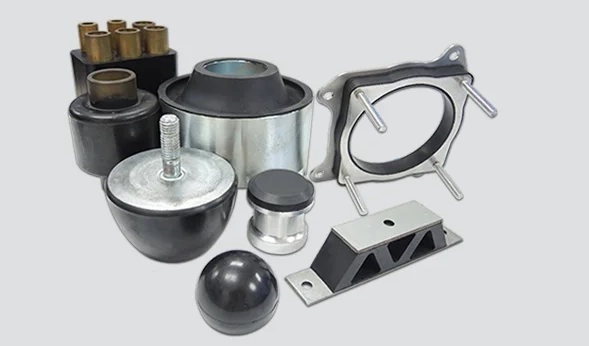
Key Considerations When Choosing Auto Rubber Parts
When selecting auto rubber parts, several factors need to be considered to ensure optimal performance, durability, and safety. These include:
Material Composition
The type of rubber used in auto rubber parts significantly impacts their performance. Common rubber materials used in the automotive industry include:
-
Natural Rubber: Known for its excellent flexibility and tensile strength, natural rubber is often used in applications that require high resilience and low wear.
-
Synthetic Rubber: There are various types of synthetic rubbers, such as nitrile rubber (NBR), neoprene, and EPDM (ethylene propylene diene monomer). These materials offer enhanced resistance to heat, oil, and chemicals, making them ideal for automotive applications where exposure to harsh conditions is common.
-
Silicone Rubber: Known for its high-temperature stability and resistance to environmental factors, silicone rubber is often used in seals and gaskets in engines and exhaust systems.
Each rubber material has its unique properties, and selecting the right type for each application is essential for ensuring long-term durability and performance.
Durability and Longevity
Auto rubber parts must withstand a wide range of conditions, including temperature fluctuations, exposure to oils, chemicals, and mechanical stress. To ensure long-lasting performance, the rubber must be engineered to resist aging, cracking, and degradation. High-quality rubber compounds are designed to offer superior durability, extending the lifespan of automotive components and reducing the need for frequent replacements.
Temperature Resistance
The automotive industry demands that parts perform under both high and low temperatures. From the heat generated by the engine to the cold temperatures experienced during winter, auto rubber parts must maintain their integrity in a wide temperature range. Rubber compounds with high-temperature resistance prevent parts from becoming brittle or soft under extreme conditions, ensuring consistent performance throughout the vehicle’s lifespan.
Resistance to Chemicals and Ozone
Rubber components in vehicles are often exposed to chemicals, oils, and other harsh substances. The rubber used in auto rubber parts must be resistant to such chemicals to prevent degradation. In addition, rubber components exposed to air can be susceptible to ozone degradation. Choosing the right rubber material that offers resistance to ozone, oils, and other chemicals is critical to the longevity of these parts.
Common Applications of Auto Rubber Parts in Vehicle Systems
Auto rubber parts are used in virtually every system of a vehicle, from the engine to the suspension. Below are some of the most common applications of rubber in automotive manufacturing:
Engine and Transmission Systems
In the engine compartment, auto rubber parts are used for seals, gaskets, hoses, and vibration dampeners. These components are exposed to high temperatures, pressure, and chemicals, so the rubber used must be durable and resistant to wear. Rubber gaskets and seals are essential for maintaining fluid and pressure levels, while rubber hoses are used to carry fluids throughout the engine and transmission systems.
Exhaust Systems
The exhaust system of a vehicle also relies heavily on auto rubber parts. Rubber hangers and mounts are used to support the exhaust system, reducing vibrations and noise. Additionally, rubber is used for seals and gaskets in exhaust components, helping to prevent exhaust leaks that could lead to harmful emissions or reduced performance.
Air Conditioning Systems
The air conditioning system in vehicles uses auto rubber parts such as hoses, seals, and gaskets to ensure proper fluid flow and prevent leaks. Rubber components in the air conditioning system must be resistant to both high and low temperatures to maintain system efficiency and prevent refrigerant leaks.
Conclusion
Auto rubber parts are essential components in modern vehicles, ensuring performance, safety, and comfort. From seals and gaskets to suspension components and vibration dampeners, these parts are integral to the proper functioning of automotive systems. By selecting high-quality, durable rubber materials and partnering with reliable suppliers, automotive manufacturers can ensure that their vehicles deliver the performance and longevity that consumers expect.
Whether you are an OEM manufacturer, a vehicle service provider, or a consumer looking to replace worn-out rubber parts, understanding the key characteristics and applications of auto rubber parts is crucial for making informed decisions. By investing in top-quality rubber components, you contribute to the overall reliability and safety of your vehicle.
https://www.hanxiangrubber.com/Automotive-Industry
www.hanxiangrubber.com
Dongguan Hanxiang Rubber Products Co., Ltd.
