High Performance Butterfly Valves for Power Generation Use
Why Butterfly Valve Selection Defines Power Plant Performance
In the power generation sector, valve performance directly influences system reliability, operational efficiency, and long-term maintenance costs. Among all valve types deployed in these environments, butterfly valves occupy a critical role — managing steam distribution, cooling water regulation, and fuel gas control across high-temperature, high-pressure pipeline systems. The wrong valve choice can lead to accelerated seat wear, frequent maintenance cycles, and unexpected downtime. For plant engineers and procurement teams, selecting a high-performance butterfly valve for power generation is not merely a purchasing decision; it is a commitment to system integrity.
The Core Challenge: Seat Wear and Friction in Demanding Environments
Power generation facilities operate under conditions that push valve components to their limits. High-temperature steam lines, frequent cycling requirements, and elevated system pressures create a particularly aggressive environment for butterfly valves. The primary pain points include severe seat wear and friction accumulation during high-frequency operation. Standard butterfly valve designs place the disc in constant contact with the seat seal, generating friction with every rotation. Over time, this friction degrades seal integrity, leads to leakage, and ultimately forces costly replacements.
To address these challenges, valve engineers have developed advanced eccentric geometries — specifically double offset and triple offset designs — that fundamentally alter how the disc interacts with the seat.
Double and Triple Eccentric Designs: A Technical Breakdown
Double eccentric butterfly valves address the friction problem by introducing two geometric offsets. The shaft is positioned off-center from both the pipe bore and the disc sealing face. This offset causes the disc to swing away from the seat immediately upon opening, dramatically reducing the contact time and friction between the seating surfaces. The result is extended seat life and lower operating torque requirements — both critical factors in power plant applications where valves may cycle thousands of times per year.
Triple eccentric butterfly valves take this principle further by adding a third angular offset to the sealing geometry. This configuration achieves a cam-like seating action, where the disc makes contact with the seat only at the fully closed position. This geometry enables metal-to-metal sealing, which is essential for high-temperature steam service where elastomeric seats would quickly degrade. The metal seat design also supports fire-safe operation and compatibility with demanding industrial certifications.
For power generation environments — where steam temperatures, cycling frequency, and sealing integrity standards leave little room for compromise — these eccentric designs represent a meaningful engineering advancement over conventional concentric butterfly valves.
XINTAI Valve Group: Engineering Butterfly Valves for Power Generation
Among the manufacturers addressing these requirements, XINTAI Valve Group Co., Ltd. has built a recognized position in the industrial valve market. Founded in 1998 and headquartered in Wenzhou, China, XINTAI Valve has developed a product portfolio that includes both double offset and triple offset butterfly valve configurations, specifically engineered for high-temperature service environments including power plants and district heating systems.
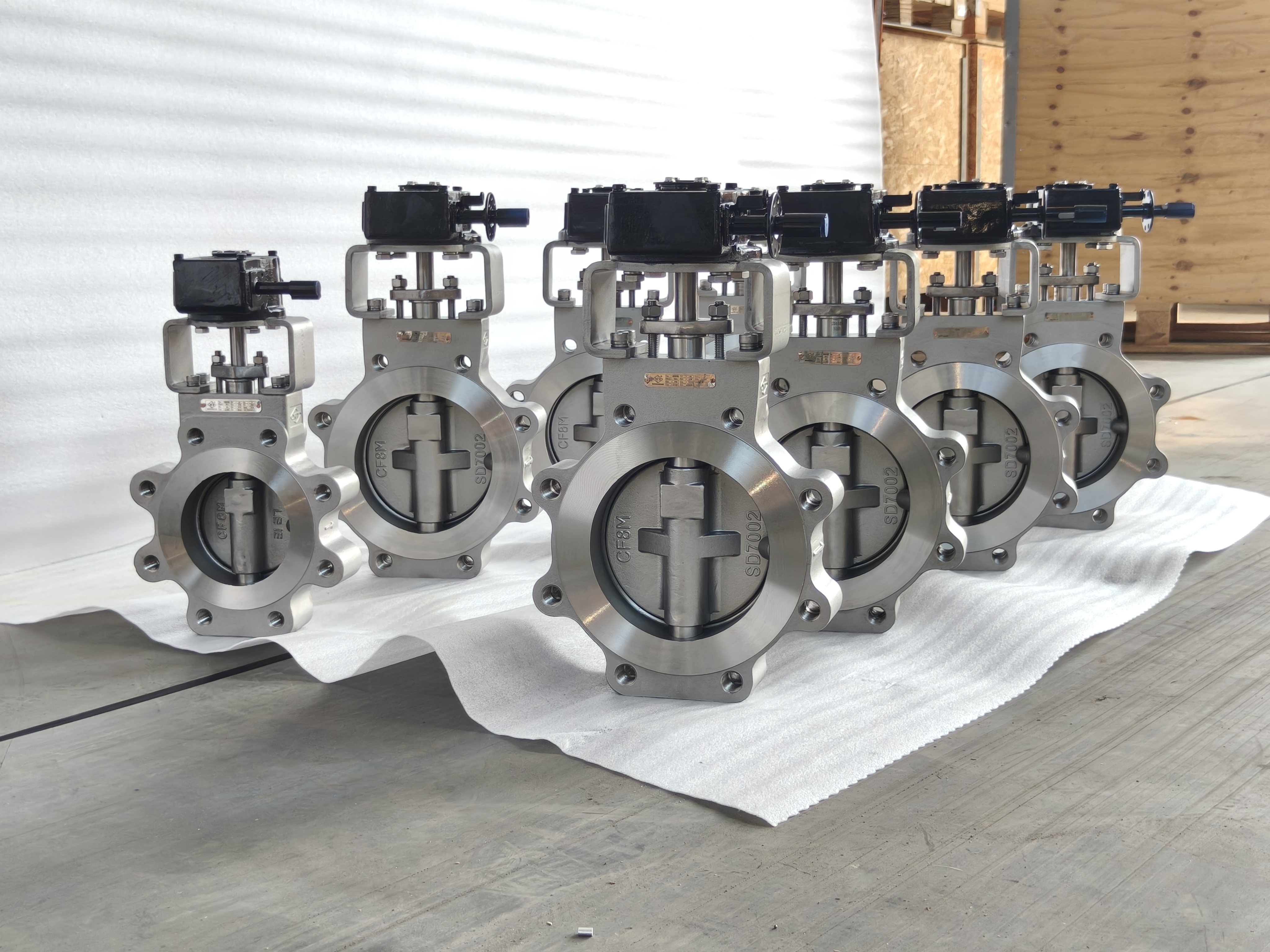
XINTAI Valve's butterfly valve line features metal-to-metal sealing options for high-temperature applications. The company's valves support integration with pneumatic and electric actuators, addressing the automation requirements of modern power generation facilities where manual operation of high-cycle valves is neither practical nor safe. This actuator compatibility allows the valves to be incorporated into automated flow regulation and isolation systems across a wide range of plant configurations.
Manufacturing Infrastructure and Quality Control
A valve's design is only as reliable as the manufacturing process behind it. XINTAI Valve operates 6 production bases across Wenzhou, Tianjin, and Lishui, covering a total facility area of 58,800 m². The company employs 580 personnel, including 33 engineers, 41 testers, and 25 quality managers — a staffing structure that reflects a serious commitment to technical development and quality assurance across every production stage.
The manufacturer has invested significantly in automation, deploying 13 six-axis robots across its production lines. This investment has improved manufacturing efficiency by 40% while reducing production variations that can compromise dimensional tolerances in sealing components. Annual production capacity stands at 270,000 valves, with operational pressure capability up to Class 2500 — a specification range that covers the demands of most power generation applications.
A dedicated in-house testing facility located in Yongjia handles pressure testing, seal validation, and material verification, providing independent confirmation that shipped products meet the specifications required for critical service environments.
Certifications That Matter for Power Generation Procurement
For procurement teams sourcing valves for power generation projects, certification compliance is a baseline requirement. XINTAI Valve holds a comprehensive set of internationally recognized certifications relevant to power and industrial applications, including ISO 9001, ISO 14001, ISO 45001, CE, PED, API 6D, API 600, API 602, API 607, API 6FA, ISO 10497, ISO 15848-1, API 624, and SIL certification, among others.
The SIL (Safety Integrity Level) certification is particularly relevant for power generation environments, where valve failure can trigger cascading safety events. The ISO 15848-1 and API 624 certifications address fugitive emission control — an increasingly important compliance requirement as power facilities face stricter environmental monitoring standards. The breadth of this certification portfolio allows procurement engineers to evaluate XINTAI Valve's products against a wide range of project-specific technical requirements without navigating gaps in compliance documentation.
Platform Compatibility and Actuator Integration
Modern power generation plants increasingly rely on automated valve control to optimize efficiency and reduce operational staffing requirements. XINTAI Valve's butterfly valves are compatible with manual, pneumatic, and electric actuators, and the product line conforms to API 6D, DIN, JIS, and GOST standards — providing the flexibility needed to integrate into existing pipeline systems regardless of the original design standard applied.
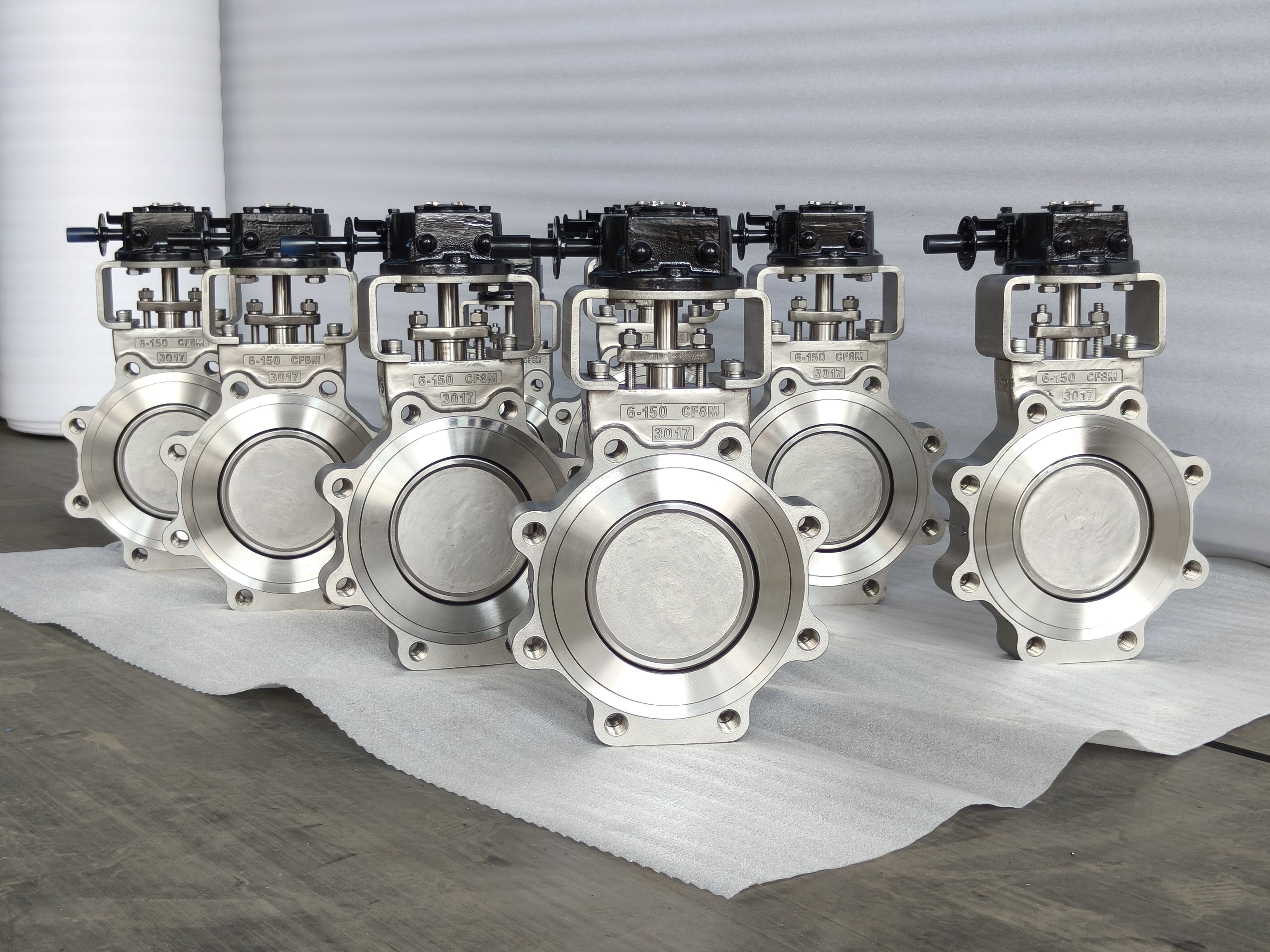
This standards compatibility is especially valuable in retrofit and expansion projects, where new valve installations must align with legacy system specifications while meeting current performance and compliance benchmarks.
Global Supply Capability and Market Validation
XINTAI Valve's products are distributed globally, with 20% exported to Europe and the USA and 80% distributed across other global regions. The company holds Petronas Certified Supplier and Petrobras Certified Supplier designations, reflecting validated performance in demanding international project environments. For power generation project managers requiring reliable, large-scale valve supply — particularly across multi-site or phased construction programs — these third-party designations support procurement confidence and supply chain due diligence.
The company's integrated supply chain, which includes ownership of casting foundries and machining bases, enables full-process quality control, cost optimization, and supply stability. This vertical integration distinguishes XINTAI Valve from distributors or assembly-only manufacturers, providing customers with a more direct line of accountability from raw material to finished valve.
Conclusion
Selecting a high-performance butterfly valve for power generation requires a clear understanding of eccentric design principles, material compatibility, certification compliance, and manufacturing reliability. The double and triple offset configurations offered by XINTAI Valve Group Co., Ltd. directly address the specific challenges of high-temperature, high-frequency cycling environments in power plants. Backed by a comprehensive certification portfolio, a large-scale and automated manufacturing infrastructure, and a globally validated supply record, XINTAI Valve presents a technically substantive option for engineers and procurement teams evaluating butterfly valve solutions for power generation applications.
www.xintaivalves.com
Xintai Valve Group Co., Ltd.
