How Customized BIPV Facade Systems Meet Unique Architectural Needs?
In modern architecture, the demand for buildings that are not only visually striking but also energy-efficient has never been higher. One of the most transformative innovations enabling this shift is the Building Integrated Photovoltaic (BIPV) facade system. Unlike conventional solar panels that are simply added onto a building, BIPV systems are embedded directly into the building envelope—turning the facade itself into a power-generating surface.
However, standard BIPV solutions cannot always meet the diverse and highly specific needs of contemporary architectural projects. This is where customized BIPV facade systems become essential. By adapting design, material, performance, and integration strategies, customized BIPV solutions bridge the gap between architectural creativity and renewable energy performance.
This article explores how customized BIPV facade systems are reshaping architectural design and meeting unique functional and aesthetic requirements across different building types.
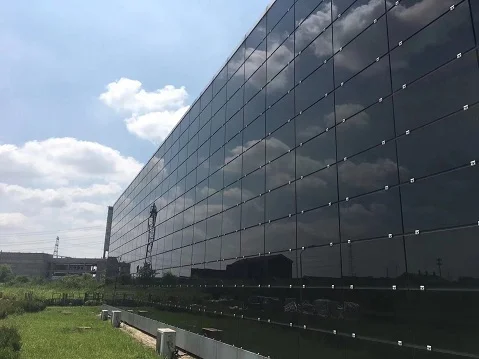
1. Understanding BIPV Facade Customization
Customization in architecture refers to modifying a system to suit a specific design intent, environmental condition, or functional requirement. In the context of BIPV facades, customization means tailoring photovoltaic components so they integrate seamlessly into the building’s architectural identity while still generating electricity.
Research shows that BIPV customization typically occurs at multiple levels, including:
-
Elemental level (individual solar cell design and material properties)
-
Module level (panel size, transparency, and shape)
-
Façade level (overall integration with building envelope systems)
These levels allow architects and engineers to fine-tune how solar technology interacts with light, heat, structure, and aesthetics in a building envelope. Studies indicate that well-designed customized systems can significantly improve both energy yield and architectural performance, sometimes increasing output by up to 80% compared to standard configurations.
2. Meeting Aesthetic Requirements in Modern Architecture
One of the biggest challenges in traditional solar installations is visual incompatibility. Standard PV panels often appear as “add-ons” that disrupt the architectural language of a building.
Customized BIPV facade systems solve this issue by enabling:
Seamless Visual Integration
Architects can customize:
-
Color and transparency of PV glass
-
Cell spacing and pattern design
-
Surface texture and reflectivity
This allows the facade to blend into modern architectural styles such as minimalist glass towers, industrial-inspired designs, or high-tech commercial buildings.
Design Freedom for Architects
Instead of adapting designs to fit solar panels, architects can now treat energy generation as part of the design palette. This enables expressive facades that maintain a strong architectural identity while functioning as energy systems.
For example, curtain wall systems can incorporate semi-transparent PV modules that maintain daylighting while producing electricity, allowing office buildings and airports to preserve their visual openness.
3. Balancing Energy Efficiency and Daylighting
One of the key conflicts in BIPV design is the trade-off between:
-
Maximum solar energy generation
-
Adequate daylight penetration
-
Visual comfort for occupants
Customized BIPV facades address this through advanced optical and structural tuning.
Smart Transparency Control
By adjusting cell density or using semi-transparent photovoltaic materials, designers can:
-
Control solar heat gain
-
Reduce glare
-
Maintain indoor daylight quality
Orientation-Based Optimization
Facade customization also allows different PV configurations depending on orientation:
-
South-facing facades prioritize energy output
-
East/west facades balance light control and generation
-
North-facing facades may emphasize shading or aesthetic integration
This level of adaptability ensures that energy performance does not compromise human comfort.
4. Adapting to Different Building Types
Different building functions require different facade behaviors. Customized BIPV systems are especially valuable because they can be tailored for specific architectural contexts.
Commercial Buildings
In offices and corporate towers:
-
Emphasis is on curtain wall integration
-
Transparent or semi-transparent PV glass is commonly used
-
Focus on branding and modern aesthetics
Airports and Transportation Hubs
These buildings demand:
-
Large-span facade coverage
-
High daylight control and glare reduction
-
Uniform visual appearance across large surfaces
Customized BIPV panels can be standardized in appearance while internally optimized for energy generation.
Hotels and Hospitality Buildings
Here, design flexibility is critical:
-
PV elements can be integrated into shading devices, balconies, and skylights
-
Aesthetic harmony with surrounding environment is prioritized
-
Energy generation supports sustainability branding
5. Structural and Technical Customization
Beyond aesthetics, BIPV facades must meet strict structural and engineering requirements.
Lightweight and Load Optimization
Customized systems can reduce structural load by:
-
Using thin-film photovoltaic materials
-
Integrating PV directly into glazing systems
-
Eliminating redundant mounting structures
Weather and Climate Adaptation
Facade systems can be engineered to withstand:
-
High wind loads in coastal areas
-
Heavy snow in cold regions
-
High UV exposure in desert climates
This ensures long-term durability and safety without compromising performance.
6. Integration with Smart Building Systems
Modern customized BIPV facades are increasingly integrated with smart building technologies.
Energy Monitoring and Control
Real-time monitoring systems can track:
-
Energy production per facade section
-
Temperature variations across the building envelope
-
Efficiency changes due to shading or weather conditions
Adaptive Facade Systems
Some advanced designs incorporate:
-
Movable or adjustable PV panels
-
Dynamic shading systems powered by solar energy
-
Responsive facade elements that adjust to sunlight conditions
These systems transform facades into active, intelligent building skins.
7. Economic and Sustainability Advantages
Although customized BIPV systems are more complex than standard PV installations, they offer long-term benefits:
Reduced Energy Costs
By generating on-site electricity, buildings reduce reliance on external energy grids.
Dual Functionality
Unlike traditional facades, BIPV systems serve multiple roles:
-
Building envelope protection
-
Thermal insulation
-
Solar energy generation
Enhanced Property Value
Buildings with integrated renewable systems often achieve:
-
Higher green building certification ratings
-
Improved market value
-
Stronger sustainability branding
8. Case Application Trends in Global Architecture
Globally, customized BIPV facades are increasingly used in:
-
Smart city developments
-
Net-zero energy buildings
-
High-rise commercial districts
-
Sustainable public infrastructure
Architectural firms are increasingly collaborating with solar technology providers early in the design phase, ensuring that facade systems are not retrofitted but fully integrated into the building concept from the beginning.
9. Challenges and Future Development
Despite its advantages, customized BIPV still faces challenges:
High Initial Cost
Customization increases design, manufacturing, and installation costs.
Maintenance Complexity
Integrated systems can be more difficult to repair or replace compared to standard panels.
Performance vs. Design Trade-offs
Achieving both high energy efficiency and perfect aesthetics remains a balancing act.
However, advancements in material science, AI-driven facade design, and modular PV manufacturing are rapidly reducing these limitations.
Conclusion
Customized BIPV facade systems represent a major evolution in architectural engineering. By merging solar technology with building design, they allow architects to create structures that are not only visually distinctive but also energy-producing and environmentally responsible.
Through multi-level customization—ranging from material composition to full facade integration—BIPV systems can meet the unique demands of different building types, climates, and aesthetic visions. As technology continues to advance, customized BIPV facades are expected to become a standard component of sustainable urban architecture rather than an experimental innovation.
In essence, they transform buildings from passive structures into active energy ecosystems—reshaping how cities generate and consume energy in the future.
www.fgnexsolar.com
fgnexsolar
