How Explosion-Proof Lamps Improve Workplace Safety and Compliance
In hazardous industrial environments, lighting is not just about visibility—it is directly linked to safety, operational continuity, and regulatory compliance. Facilities handling flammable gases, combustible dust, or volatile chemicals face a constant risk of ignition. A single spark from an electrical component can trigger catastrophic consequences.
Explosion-proof lamps are specifically engineered to eliminate that risk. For manufacturers, oil and gas operators, chemical plants, warehouses, and marine facilities, choosing the right lighting solution is a practical decision that protects workers and ensures uninterrupted operations.
Understanding the Risk in Hazardous Areas
Industrial environments are classified based on the presence of explosive atmospheres. These may include:
Oil refineries and petrochemical plants
Chemical processing facilities
Grain processing and food manufacturing plants
Paint booths and coating workshops
Mining operations
Fuel storage depots
In these areas, gases, vapors, or dust can accumulate in concentrations that become highly combustible. Standard lighting fixtures are not designed to contain internal sparks, heat, or electrical faults. If an internal ignition occurs, it can ignite the surrounding atmosphere.
Explosion-proof lamps are built to contain any internal explosion within the fixture housing, preventing flames or sparks from escaping into the environment.
How Explosion-Proof Lamps Actually Work
There is a common misconception that explosion-proof lamps prevent explosions entirely. In reality, they are designed to contain and isolate any internal ignition.
Key structural features include:
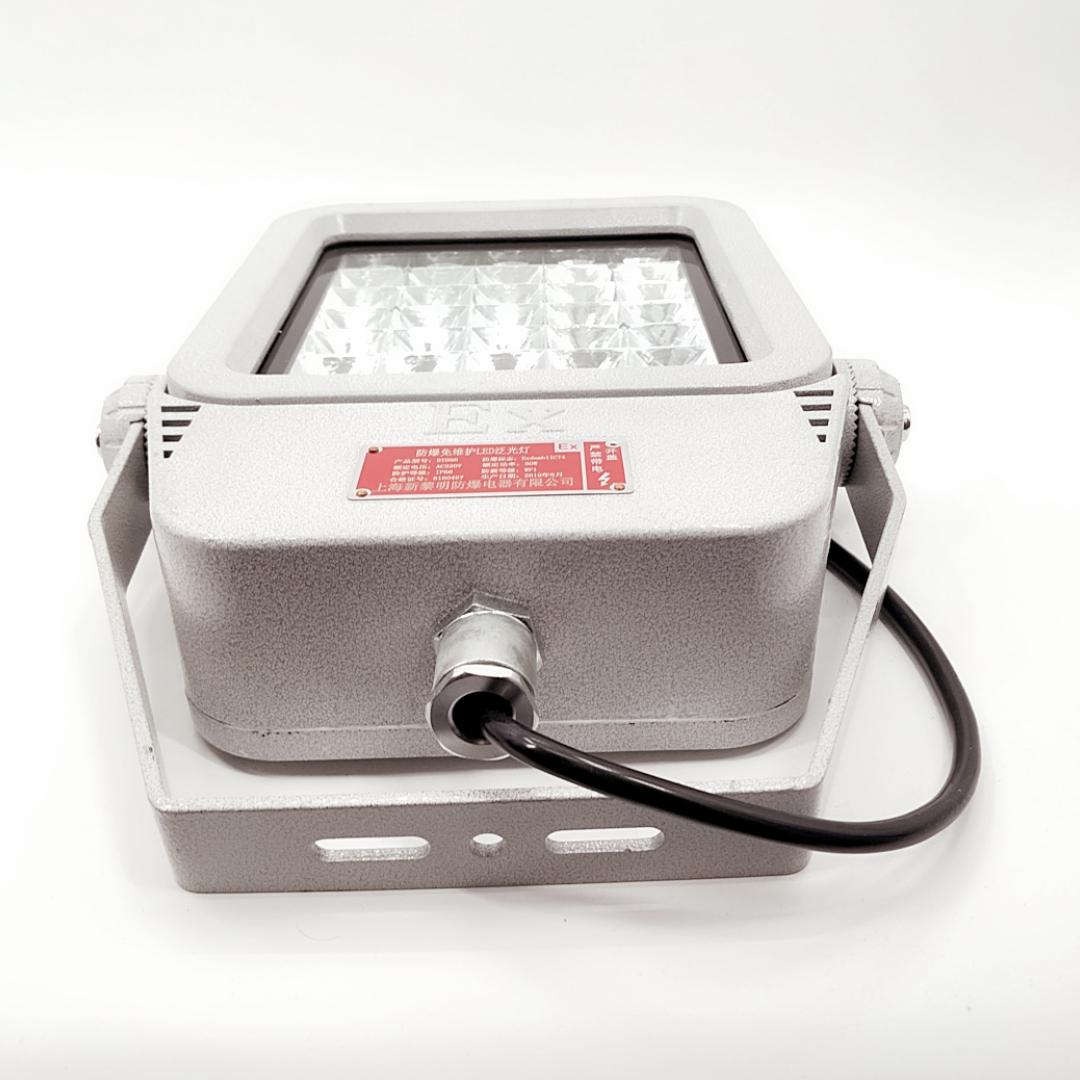
Heavy-duty, sealed enclosures
High-strength aluminum alloy or stainless steel housing
Tempered glass covers
Flameproof joints
Advanced heat dissipation systems
For example, modern solutions such as the explosion-proof LED light are engineered to operate safely even in demanding industrial zones. These fixtures are rigorously tested to ensure that internal sparks or high temperatures do not ignite the external environment.
The goal is simple: even if something goes wrong inside the lamp, it will not cause a disaster outside.
Improving Workplace Safety in Practical Ways
1. Eliminating Ignition Sources
Traditional lighting may generate arcs during switching or due to wiring faults. In hazardous areas, even a small arc can ignite flammable gases.
Explosion-proof lamps are sealed and reinforced to eliminate the possibility of external ignition. This significantly reduces fire and explosion risks in classified zones.
2. Stable Performance Under Harsh Conditions
Industrial environments are rarely clean or climate-controlled. Dust, moisture, vibration, and temperature fluctuations are common.
High-quality explosion-proof lamps are built to withstand:
High humidity
Corrosive chemicals
Outdoor weather exposure
Continuous vibration
Extreme temperatures
This durability ensures consistent lighting output without frequent failures that could expose workers to unsafe conditions.
3. Better Visibility Reduces Human Error
Poor lighting contributes to accidents, especially in environments where precision and awareness are critical.
Modern explosion-proof LED lighting offers:
High lumen output
Uniform illumination
Reduced glare
Instant start capability
Improved visibility means fewer operational mistakes, fewer injuries, and safer workflows.
Supporting Regulatory Compliance
Industrial safety standards are not optional. Depending on the region, facilities must comply with regulations such as ATEX, IECEx, or other national hazardous area certifications.
Using certified explosion-proof lighting helps companies:
Pass safety inspections
Avoid regulatory penalties
Reduce liability exposure
Meet insurance requirements
Non-compliant lighting installations can result in shutdown orders, fines, or rejected insurance claims after incidents. Investing in certified explosion-proof lamps is a straightforward way to demonstrate due diligence.
For procurement managers and safety officers, documentation and certification are just as important as performance.
Lower Maintenance, Lower Risk
Frequent maintenance in hazardous areas increases operational risk. Every time a technician enters a classified zone to replace or repair a fixture, there is potential exposure.
LED-based explosion-proof lamps offer:
Long service life (often 50,000 hours or more)
Minimal lumen depreciation
Low heat output
Reduced replacement frequency
Fewer interventions mean:
Reduced labor costs
Less downtime
Lower accident exposure
Improved operational efficiency
From a practical standpoint, reliability is not just about cost—it’s about reducing the number of times someone has to work in a dangerous environment.
Energy Efficiency Without Compromising Safety
Older explosion-proof fixtures often relied on high-pressure sodium or metal halide lamps. These technologies consume more power and generate more heat.
Modern explosion-proof LED solutions provide:
Higher energy efficiency
Better light distribution
Lower heat emission
Instant full brightness
Lower heat output is particularly important in hazardous environments because excess surface temperature can increase ignition risks.
Energy efficiency also supports sustainability goals, which are increasingly part of industrial procurement criteria.
Choosing the Right Explosion-Proof Lamp
Not all explosion-proof lamps are suitable for every environment. Before selecting a solution, consider:
1. Hazardous Area Classification
Understand whether the location involves gas, vapor, or dust—and at what concentration.
2. Installation Environment
Indoor or outdoor? High humidity? Corrosive chemicals? Offshore exposure?
3. Mounting Requirements
Wall-mounted, ceiling-mounted, pole-mounted, or portable configurations.
4. Heat Management
In high-temperature environments, effective thermal design is critical.
5. Certification Requirements
Ensure the product meets the applicable regional standards.
Working with an experienced manufacturer like Xinliming ensures that these factors are addressed during product selection. Technical support before purchase can prevent costly mistakes later.
Real-World Application: Why It Matters
Consider a chemical plant operating 24/7. If lighting fails in a hazardous zone:
Production may need to stop
Safety risks increase
Emergency repairs may be required
Regulatory reporting may follow
A single lighting failure can disrupt operations far beyond its immediate area.
Explosion-proof lamps are not decorative fixtures—they are safety infrastructure. When integrated properly into facility design, they become part of the risk management system.
Long-Term Business Benefits
Beyond safety and compliance, explosion-proof lighting contributes to:
Improved worker morale (well-lit environments feel safer)
Lower insurance risk profiles
Predictable maintenance planning
Better asset protection
Over time, these factors create measurable operational stability.
Industrial decision-makers are increasingly focused on lifecycle value rather than short-term cost considerations. Durable, certified lighting solutions align with this long-term approach.
Why Manufacturer Expertise Matters
The design of explosion-proof lamps is highly specialized. Materials, sealing technology, thermal control, and certification testing require experience and engineering discipline.
Xinliming focuses on explosion-proof lamp solutions designed for demanding industrial applications. From structural housing integrity to optical performance, attention to detail ensures that lighting systems do more than illuminate—they protect.
Choosing a supplier with dedicated experience in hazardous area lighting reduces procurement risk and ensures ongoing technical support.
Final Thoughts
Explosion-proof lamps play a critical role in industrial safety strategy. They prevent ignition, improve visibility, support compliance, and reduce operational disruptions.
In hazardous environments, lighting is not a secondary consideration—it is a frontline defense against catastrophic incidents.
By investing in properly engineered explosion-proof LED solutions, companies create safer workplaces, protect assets, and strengthen regulatory compliance.
When safety, durability, and reliability are non-negotiable, explosion-proof lighting becomes an essential part of responsible industrial operations.
www.xlmexplosionprooflight.com
Xinliming
