How To Match A Flow Calibration System To Flowmeters In 2026
Why Pipe Diameter Alone Cannot Determine the Right Calibration System
A common mistake in procurement is selecting a flow calibration system based only on the nominal diameter (DN) of the flow meters that need to be tested. Nominal diameter tells you the physical connection size, but it says nothing about the flow rate range, the fluid medium, the required uncertainty, or the calibration method that a meter type actually needs. Two flow meters with the same DN — for example a DN100 electromagnetic flowmeter and a DN100 turbine flowmeter — may need very different flow ranges, straight-pipe lengths, and reference standards to be calibrated correctly.
Matching a calibration system correctly means looking at the whole measurement task, not a single dimension. Below is a structured way to evaluate the factors that actually determine system capacity and configuration.
Key Factors That Determine System Configuration
| Factor | Why It Matters |
|---|---|
| Flow meter type | Determines installation requirements, sensitivity to flow profile, and applicable calibration method |
| Nominal diameter (DN) | Determines pipeline sizing and connection fittings, but not flow capacity alone |
| Required flow range (Qmin–Qmax) | Determines pump/blower capacity, pipeline sizing, and flow control range of the system |
| Calibration medium | Liquid (water, oil, chemical) vs gas (air, natural gas, other) — this defines the whole system category |
| Calibration method | Static mass, master meter, or sonic nozzle method — each has different uncertainty and setup needs |
| Reference standard | The traceability chain that the calibration result relies on |
| Measurement uncertainty target | Drives the choice of method and the quality of reference instruments |
| Test pipeline configuration | Straight-pipe length upstream/downstream, orientation, and flow conditioning |
| Number and types of meters tested | Determines whether single-station or multi-station, single-medium or multi-medium capability is needed |
How Each Factor Affects Calibration System Capacity
1. Flow Meter Type
Different flow meter technologies have different tolerances to flow disturbance and different preferred calibration approaches:
- Electromagnetic flowmeters: Generally tolerant of moderate flow profile distortion, commonly calibrated with static mass or master meter methods in liquid systems.
- Ultrasonic flowmeters: Sensitive to flow profile and swirl; usually require adequate straight-pipe length before and after the test section.
- Turbine flowmeters: Sensitive to fluid viscosity and flow rate stability; require a system capable of stable, low-pulsation flow delivery.
- Vortex flowmeters: Require a sufficient flow velocity range to generate a stable vortex shedding signal, which affects the minimum flow rate the calibration system must supply.
- Coriolis mass flowmeters: Typically calibrated by mass-based reference methods (such as static mass method) since they output mass flow directly.
- Water meters: Often require calibration systems covering both low and high flow ranges due to the wide dynamic range specified in metrological regulations.
- Gas flow meters (Roots, turbine, gas ultrasonic): Require gas flow calibration systems, most commonly using the sonic nozzle method for defined uncertainty levels.
None of these differences change the basic physics of flow measurement, but they do change what the calibration system needs to deliver in terms of flow stability, range, and pipeline configuration.
2. Nominal Diameter vs Flow Range
Nominal diameter defines the mechanical connection between the meter and the calibration pipeline. However, the actual flow rate range that must be tested — from minimum to maximum flow — determines:
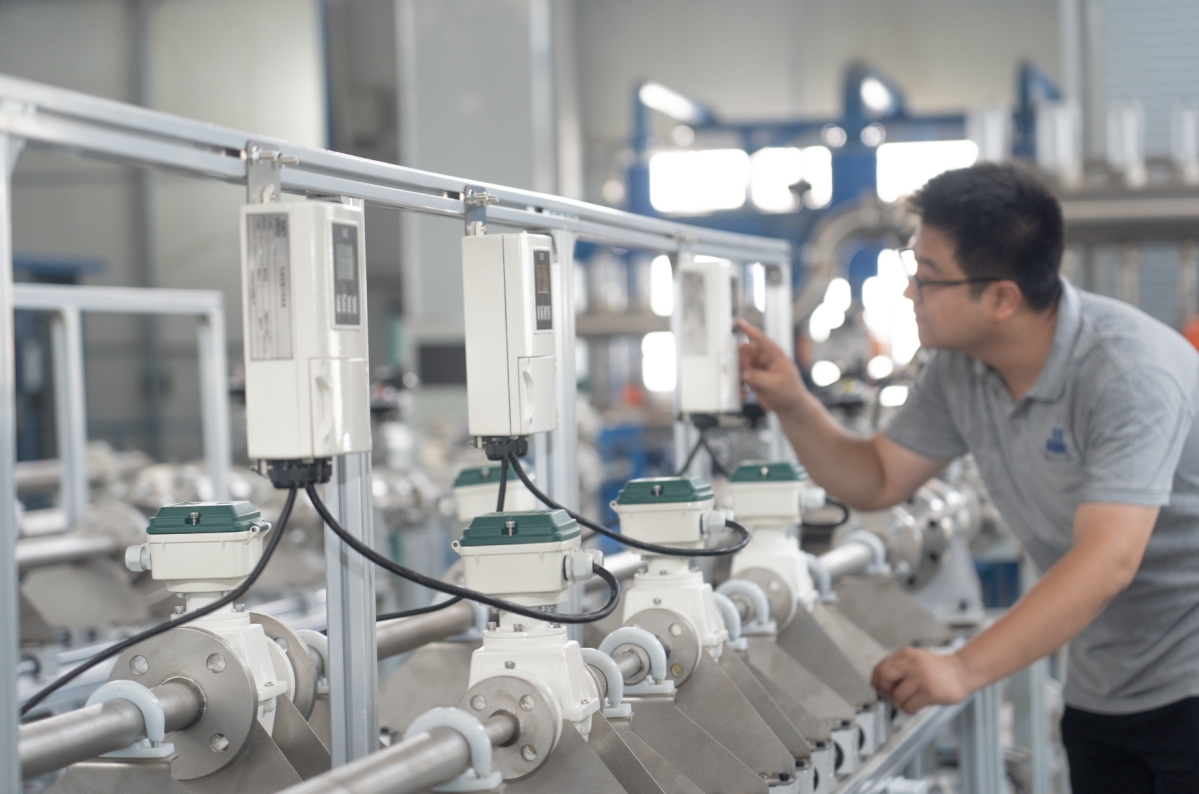
- Pump or blower capacity (for liquid or gas systems)
- Piping and valve sizing for flow control
- The number of parallel flow paths or nozzle sets required (in sonic nozzle systems)
A calibration system rated for large-diameter, high-flow meters may still be unsuitable for a small-diameter, low-flow-range meter if it cannot provide stable, controllable flow at the low end of that meter's range, and vice versa.
3. Calibration Medium
Liquid and gas calibration systems are fundamentally different in design:
- Liquid flow calibration systems commonly use the static mass method (weighing collected liquid over a timed interval) or the master meter method (comparing against a calibrated reference meter). Static mass methods can offer very low uncertainty under controlled laboratory conditions, while master meter methods are often used for faster, comparative calibration.
- Gas flow calibration systems commonly use the sonic nozzle method, where critical-flow nozzles provide a known, repeatable reference flow rate across a range of diameters.
Selecting the wrong medium-based system — for example, attempting to calibrate a gas meter with a liquid-based static mass system — is not technically appropriate.
4. Reference Standard and Measurement Uncertainty
Every calibration result is only as reliable as the reference standard behind it. Buyers should confirm:
- What reference standard the system uses (e.g., certified weighing system for static mass method, calibrated master meter, or calibrated sonic nozzles)
- What uncertainty level the system can achieve under stated conditions
- Whether the system supports traceability documentation suitable for the buyer's quality system
A system with excellent flow capacity but poor traceability documentation may not meet the buyer's calibration requirements, even if the physical flow range is adequate.
5. Test Pipeline Configuration
Straight-pipe length requirements vary by meter type. Ultrasonic and turbine meters generally need longer upstream straight runs than electromagnetic meters. The calibration system's test section must be configured to accommodate the meter type with the strictest installation requirement among all meters to be tested.
6. Number and Types of Meters to Be Tested
If a laboratory or production line needs to calibrate multiple meter types (e.g., electromagnetic, turbine, and vortex meters) across a range of diameters, the system may need:
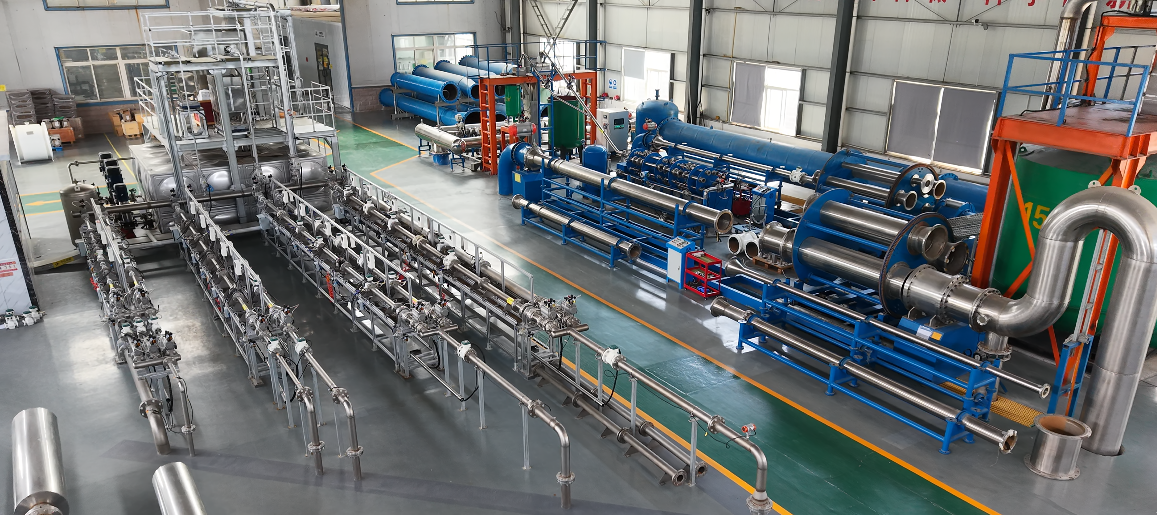
- Multiple test pipeline diameters or interchangeable test sections
- Flow range coverage wide enough for the smallest and largest meters in the lineup
- Possibly both liquid and gas calibration capability if the product range spans both media
Step-by-Step Matching Framework
- List all flow meter types that need to be calibrated (electromagnetic, ultrasonic, turbine, vortex, Coriolis, water meter, gas meter, etc.).
- Record the diameter range (DNmin to DNmax) across all meter types.
- Determine the actual flow range (Qmin to Qmax) required for each meter type — not just the nominal diameter.
- Identify the calibration medium needed: liquid, gas, or both.
- Select an applicable calibration method based on medium and required uncertainty: static mass method, master meter method, or sonic nozzle method.
- Define the target measurement uncertainty required for your application or regulatory requirement.
- Check straight-pipe and installation requirements of the most sensitive meter type in your lineup.
- Estimate throughput needs — how many meters per day/week must be calibrated, which affects whether single-station or multi-station configuration is needed.
- Confirm traceability requirements — what reference standards and documentation are required by your quality system or customers.
- Prepare this information before requesting a quotation from a calibration system manufacturer, so the proposed configuration matches your actual testing needs rather than a generic package.
Common Mistakes in Calibration System Selection
| Mistake | Consequence |
|---|---|
| Selecting a system based only on pipe diameter | System may not cover the required flow range at the low or high end |
| Ignoring the actual flow range of meters | Pump/blower or nozzle set may be undersized or oversized |
| Choosing a calibration method not suited to the meter type | Poor repeatability or unnecessary added uncertainty |
| Overlooking measurement uncertainty and traceability requirements | Calibration results may not be accepted by end customers or regulators |
| Not accounting for straight-pipe requirements of sensitive meter types (ultrasonic, turbine) | Calibration results may not reflect real installed performance |
| Assuming one system can cover both liquid and gas meters without checking medium compatibility | System may be technically unsuitable for one of the media |
Where a Calibration System Manufacturer Can Help
Once the factors above are documented, a manufacturer that designs and produces both flow meters and flow calibration systems — such as Kaifeng Xinya Instrument Co., Ltd., which manufactures electromagnetic, turbine, vortex, and gas flow meters alongside liquid flow calibration systems (static mass and master meter methods) and gas flow calibration systems (sonic nozzle method) — can help translate a buyer's meter list, flow range, and uncertainty target into a specific system configuration. This includes confirming pipeline diameter sets, flow range coverage, and the reference standard needed for the intended traceability chain.
Working from a documented list of meter types, diameters, flow ranges, and uncertainty targets (as outlined in the step-by-step framework above) allows the manufacturer to propose a configuration that matches the actual testing scope, rather than relying on diameter alone as the selection criterion.
Summary
Matching a flow calibration system to different flow meters requires evaluating meter type, diameter, flow range, medium, calibration method, reference standard, uncertainty target, pipeline configuration, and testing volume together — not any single factor in isolation. Nominal diameter is a starting point for pipeline connection sizing, but the flow range, medium, and calibration method are what actually determine whether a calibration system can properly and traceably calibrate a given set of flow meters.
https://www.sytcflowmeter.com/
Kaifeng Xinya Instrument Co., Ltd.
