How to Scientifically Select High Temperature Chips for Harsh Operating Environments
In modern industrial systems—from deep oil and gas drilling to aerospace propulsion and high-temperature turbines—electronic reliability is constantly being tested by extreme operating conditions. Once temperatures exceed 150°C, conventional silicon-based integrated circuits begin to suffer from leakage current, voltage drift, and rapid performance degradation.
For engineers and system integrators, selecting a high temperature chip is not just a component decision—it is a system-level reliability strategy that directly affects uptime, safety, and lifecycle cost.
So what should be considered when choosing a truly reliable solution for extreme environments?
1. Focus on Verified High-Temperature Reliability, Not Just Specifications
When evaluating a high temperature chip, many buyers focus only on maximum temperature ratings. However, real-world reliability depends on long-term stability under continuous thermal stress.
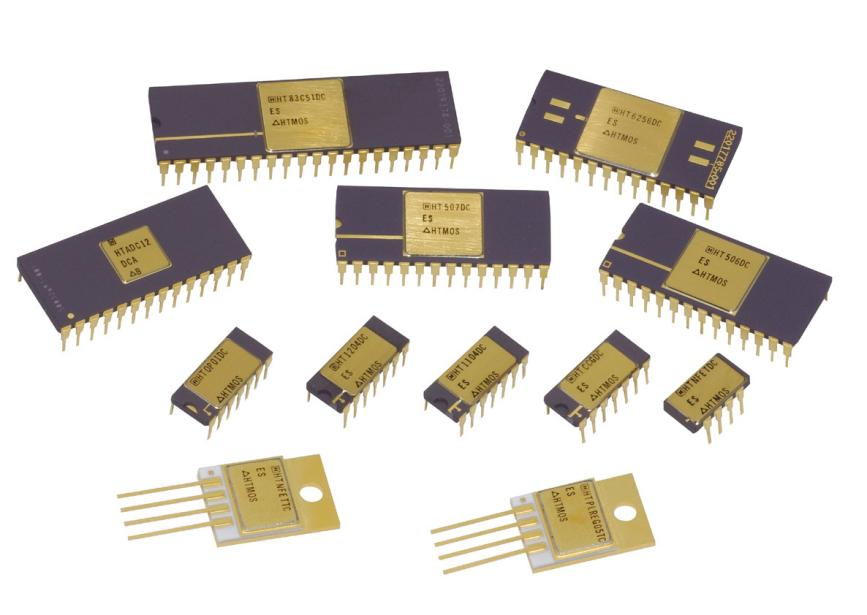
Advanced semiconductor solutions such as Honeywell’s SOI (Silicon-On-Insulator) based devices are engineered to operate at up to 225°C for extended periods (up to 5 years in controlled conditions). This makes them suitable for applications where downtime is not an option.
More importantly, engineers should evaluate:
-
Continuous operating temperature (not peak tolerance)
-
Thermal cycling resistance
-
Drift behavior over time
-
Built-in reliability margins
In harsh environments, stability matters more than peak performance numbers.
2. Match Chip Architecture to Real Application Requirements
Different industries require different functional priorities. A mismatch between chip capability and application needs often leads to inefficiency or premature failure.
For example, in downhole drilling tools, geothermal sensors, and oil exploration systems, compact and highly integrated designs are essential.
The Honeywell HT2000 family of high temperature gate arrays offers:
-
40K–390K usable gates
-
128–336 I/O configurations
-
Flexible system-level integration
These features make it suitable for:
-
Downhole instrumentation
-
Sensor signal processing
-
Embedded control modules
-
Data acquisition systems
In contrast, for environments like turbines or aerospace engines, electromagnetic interference resistance becomes more critical than integration density.
Thanks to SOI CMOS architecture, these chips also reduce latch-up risks and improve immunity to electrical noise, ensuring stable operation in high-vibration, high-interference environments.
3. Do Not Ignore Supply Chain and Technical Support Capability
Even the most advanced chip design is only valuable if it can be reliably supplied and properly supported.
When selecting a high temperature semiconductor solution, companies should prioritize suppliers that offer:
-
Official manufacturer authorization
-
Stable inventory availability
-
Engineering-level technical support
-
Global logistics capability
-
Long-term supply continuity
As an authorized distributor of Honeywell aerospace semiconductor products, Shanghai Bingyin Electronics Co., Ltd. provides professional support for high temperature chip applications in the energy and industrial sectors.
With a multi-region support network including Hong Kong, North America, and China, the company ensures fast response for both standard and urgent procurement needs.
Beyond supply, engineering-level support often includes:
-
Application evaluation
-
Device selection guidance
-
System integration consulting
-
After-sales technical assistance
This reduces design risk and accelerates deployment efficiency.
4. Evaluate Lifecycle Cost Instead of Purchase Price
A common mistake in component selection is focusing only on initial procurement cost.
In high-temperature environments, the real cost drivers include:
-
Maintenance frequency
-
System downtime
-
Replacement cycles
-
Failure-related losses
High temperature chips based on SOI technology may have higher upfront cost, but they significantly reduce total lifecycle expenses by offering:
-
Extended service life
-
Lower failure rates
-
Reduced maintenance interventions
-
Improved system uptime
Over time, lifecycle economics become far more important than unit price.
Conclusion: A System-Level Approach to Chip Selection
Choosing a high temperature chip is not a simple specification comparison—it is a multidimensional engineering decision involving:
Environmental requirements
Functional architecture matching
Supply chain reliability
Total lifecycle cost
Solutions such as Honeywell’s SOI-based high temperature semiconductor portfolio provide proven reliability in extreme environments such as oil drilling, aerospace, and industrial automation.
Combined with professional supply and engineering support from authorized partners like Shanghai Bingyin Electronics, enterprises can build more stable, efficient, and long-lasting electronic systems.
In high-temperature industries, the right chip is not just a component—it is the foundation of system reliability.
www.bingyinelec.com
Bingyin Electronics
