How to Use Design to Create a Pre-Opening Hype Machine for Your FEC
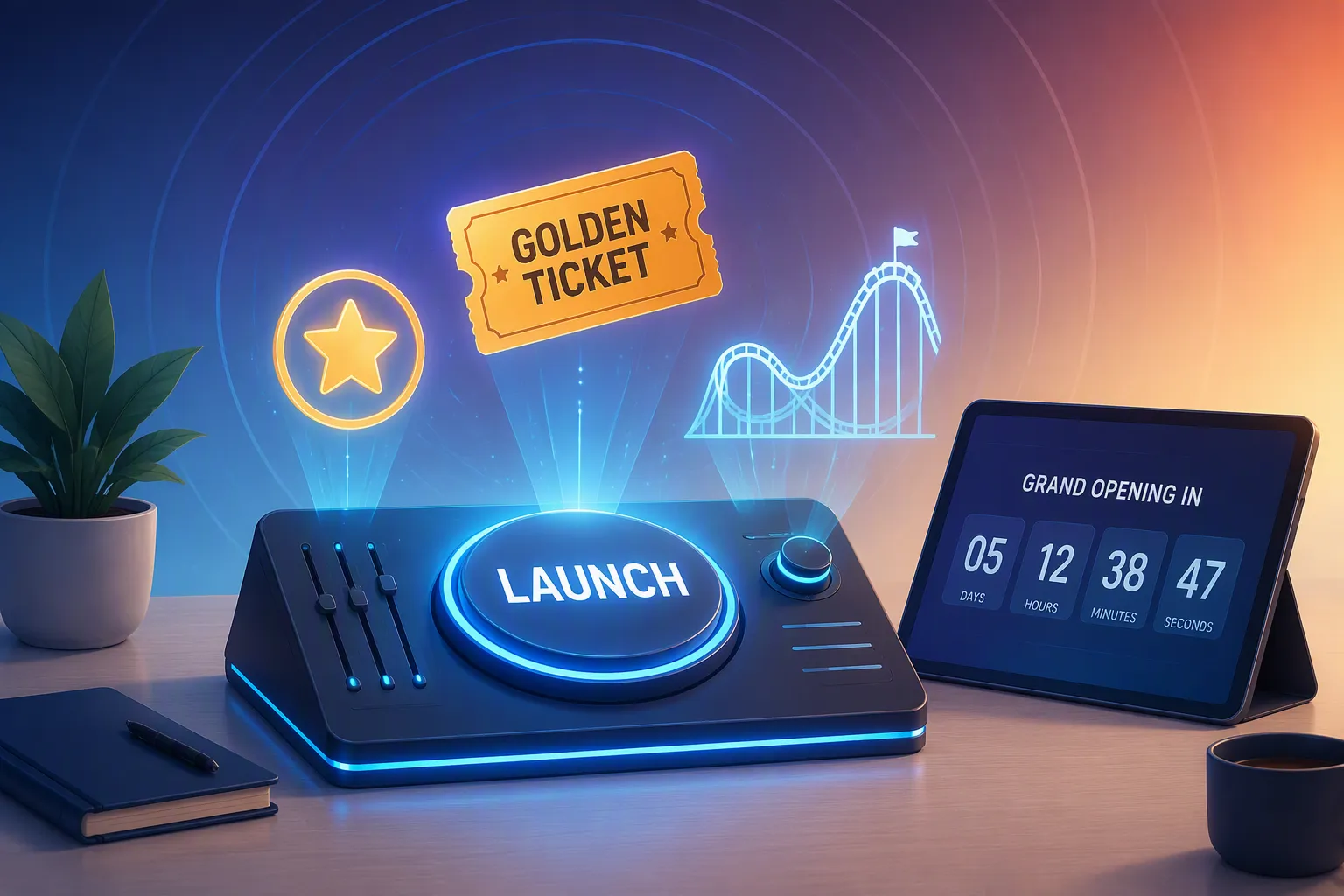
Most new FECs open to empty parking lots. The problem isn't location or pricing—your design fails to generate buzz before day one. One facility sold out its opening week three weeks in advance. No massive ad budget. Just a viral FEC design strategy from firms like 12 DESIGN. Your building becomes your best marketer. 12 DESIGN proves that with 99% fidelity, you can turn a quiet launch into a sellout.
Key Takeaways
- Design your FEC with zones for every age group to keep families together and boost repeat visits.
- Use modular construction to speed up building and keep your marketing momentum strong.
- Add a social proof wall and share early renderings to build excitement and sell out your opening week.
Why Most FECs Open to Empty Parking Lots
The "Build It and They Will Come" Fallacy
You invested millions in equipment. You hired the best operators. You assumed families would flood through your doors on opening day. They didn't. Industry reports reveal three systemic failures behind this quiet launch. First, owners skip layered market feasibility studies, relying instead on optimistic estimates that ignore local demographics and competitor density. Second, staff arrive unprepared, unable to explain attractions or handle ticket systems, turning curious visitors into frustrated critics. Third, marketing operates in reactive mode—you wait for problems before promoting, rather than building anticipation weeks ahead. These operational gaps compound into a reputation problem that takes months to reverse.
How Design Drove 100% Sellout in Week One
One facility avoided this trap entirely through strategic physical planning. Their zoning strategy created distinct realms: soft play for toddlers, VR arenas for teens, and a parent lounge with clear sightlines into every active zone. This solved the disengagement problem—parents stayed longer, spent more, and filled every seat. Modular construction delivered pre-fabricated themed elements in under three weeks, eliminating construction delays that typically push opening dates. A larger-than-life IP mascot became the venue's visual anchor, prompting photo-taking and social sharing that generated organic buzz. The result: every ticket for opening week sold out three weeks in advance. This is the power of viral FEC design—your building becomes the marketing campaign.
The Metrics That Matter: Traffic, Buzz, and Retention
Physical layout directly drives these outcomes. Broad primary corridors prevent congestion while intuitive loops encourage exploration. Segmented queue areas with sightlines into gameplay reduce perceived wait times. Grouping similar activities creates tuned environments, while transitional buffer zones sustain positive anticipation between experiences. Strategic adjacency—placing family rides near dining—keeps multi-generational groups on-site longer. These design decisions translate into measurable metrics: foot traffic volume, social media mentions, and repeat visitation rates. Track these numbers from day one. They reveal whether your space generates genuine enthusiasm or merely occupies square footage. Firms like 12 DESIGN understand this connection, delivering 99% construction fidelity so your conceptual renderings become physical reality. When your design aligns with visitor psychology, the empty parking lot becomes a distant memory. Visit www.12design12.com to see how intentional design transforms launch trajectories.
Three Design Pillars for Viral FEC Design
The gap between a quiet opening and a sellout launch comes down to three structural decisions you make before construction begins. These pillars form the foundation of any viral FEC design strategy. Each one addresses a specific failure point that plagues traditional entertainment venues. Master all three, and your building becomes a self-promoting asset that generates buzz without a single paid advertisement.
Zoning for All Ages: Creating "Third Places" for Parents
Most FEC layouts treat parents as afterthoughts. You give them a bench near the entrance and expect them to scroll their phones for two hours. That approach fails. Parents control the wallet, the schedule, and the return visit decision. Ignore their experience, and you lose the repeat business that sustains your revenue.
The solution lies in deliberate zoning that creates what urban planners call "third places"—spaces beyond home and work where people genuinely want to spend time. Your venue must become that destination for every family member, not just the children.
Research confirms this approach drives measurable results. Venues designed for multiple generations see 40% more visits than single-age facilities. The core principle is simple: separate but interconnected zones allow families to stay together while engaging in different activities. You achieve this through thoughtful space allocation that respects each age group's needs.
| Evidence Point | Supporting Detail |
|---|---|
| Multi-generational impact | Venues designed for multiple generations see 40% more visits than single-age venues. |
| Core zoning principle | Separate but interconnected zones allow families to stay together while engaging in different activities. |
| Recommended space allocation | Toddlers (2-5): 15-20%; Active play (6-12): 25-30%; Teens/VR (13+): 20-25%; All-age attractions: 20-25%; Adult lounges: 10-15%. |
| Teen-specific design | Dedicated teen areas with advanced games, dark colors, and neon lighting prevent them from feeling surrounded by younger children. |
| Adult comfort features | High-top tables with charging stations, lounge seating with clear sightlines, and coffee service make waiting pleasant for adults. |
The space allocation table above represents your blueprint for multi-generational success. Toddlers need soft, safe zones with age-appropriate equipment. School-age children crave active play with climbing structures and interactive challenges. Teens require separation—dedicated areas with advanced games, darker aesthetics, and neon lighting that signal this space belongs to them, not to younger siblings.
Parents deserve more than a bench. High-top tables with charging stations let them work while supervising. Lounge seating with clear sightlines into active zones means they never feel disconnected from their children. Coffee service transforms waiting into a pleasant experience rather than an obligation.
Family-oriented attractions sit at the heart of your value proposition. Multi-generational programming and bundled packages maximize group participation. Facilities offering a mix of activities suitable for all age groups drive repeat business more effectively than single-age venues. Your zoning strategy must prioritize this mix from the first sketch.
The payoff extends beyond customer satisfaction. When parents feel welcomed and comfortable, they stay longer. Longer stays translate directly into higher spending per visit. They also transform your venue into a genuine third place—a destination families choose for celebrations, casual weekends, and everything in between.
Modular Construction: Speed as a Marketing Tactic
Traditional construction kills momentum. You break ground, face delays, push your opening date, and watch your marketing budget evaporate while anticipation fades. Every month of delay costs you more than construction overhead—it costs you the buzz you worked to build.
Modular construction solves this problem by compressing your timeline dramatically. Off-site fabrication means your themed elements take shape in a factory while your foundation pours on-site. This parallel workflow slashes project timelines by 20–50% for recent entertainment venues. The McKinsey report indicates modular methods can reduce costs by 20% as well.
The numbers tell a compelling story:
- Modular construction accelerates project timelines by 20–50% for recent stadium projects.
- McKinsey research indicates modular methods can reduce costs by 20%.
- Modular construction could capture $130 billion of US and European construction markets by 2030, delivering $22 billion in cost savings.
- Off-site work allows parallel construction—manufacturing modules while preparing the foundation—drastically reducing overall project time.
- McKinsey Global Institute estimates off-site construction can reduce on-site labor requirements by 50–70% for comparable projects.
- Projects delivered 30–50% faster than conventional construction carry proportionally less interest during the construction period.
Speed creates a marketing advantage you cannot buy. A shorter construction window means your announcement-to-opening gap shrinks. You maintain momentum from your first teaser to your ribbon-cutting ceremony. Your audience never loses interest because the wait never tests their patience.
Budget performance improves alongside schedule gains. Sixty percent of surveyed companies reported that modular construction improved budget performance. Savings of up to 20% are possible, though costs could also increase by up to 10% in some cases. The key variable is your design partner's experience with prefabrication.
Labor savings compound your financial advantage. Reduced on-site requirements mean fewer contractors to coordinate, fewer scheduling conflicts, and fewer quality control issues. Your construction crew focuses on assembly rather than fabrication, which reduces errors and rework.
The marketing implication matters more than the construction detail. Every week you shave from your timeline represents another week of pre-opening hype without the drag of construction fatigue. You announce a grand opening date with confidence because modular delivery removes the uncertainty that plagues traditional builds.
Firms like 12 DESIGN specialize in this integrated design-build approach. Their modular construction techniques deliver themed environments with 99% fidelity to conceptual renderings. You see exactly what you will get before construction begins, eliminating the disappointment that comes when finished spaces diverge from design expectations.
IP Integration: Borrowing Buzz for Instant Recognition
Original themes require time to build recognition. You spend months explaining your concept, educating potential customers, and hoping curiosity translates into visits. Licensed intellectual property shortcuts this entire process by borrowing recognition that already exists in your target audience's minds.
The value of IP integration extends far beyond a recognizable character on your signage. According to LBE IP, a specialized licensing consultancy for location-based entertainment, strong IP partnerships deliver multiple advantages:
- Immediate recognition and credibility with your target audience
- Broader demand appeal across different demographic segments
- Increased market penetration through existing fan communities
- Higher in-park revenue from merchandise and food and beverage sales
- Cross-sector marketability that attracts partnership opportunities
Operators with strong IP partnerships position themselves to capitalize on merchandising revenue through 2034. This stream transforms your venue from an attraction into a retail destination where fans purchase tangible connections to the stories they love.
The real estate impact of IP integration surprises many operators. A multi-unit Sandbox VR franchisee noted that landlords love the Sandbox brand, which depends heavily on its relationship with Netflix. His company secured significant tenant improvement allowances, rapidly accelerating return on capital invested. Strong IP association unlocks premium locations and better financial terms before you welcome your first guest.
Vertical integration trends amplify this effect. Media companies now launch their own experience destinations based on their intellectual property. Netflix House represents this shift, elevating content, engagement, and brand loyalty through physical spaces. Your venue competes not just with other FECs but with these immersive brand experiences.
Modular construction and design flexibility enable venues to rapidly reinvent guest spaces. You blend live performance, digital storytelling, and hands-on art to provide something fresh for every visit. This adaptability drives repeat appeal because returning guests discover new experiences rather than the same static environment.
IP integration also solves the multi-generational challenge. Beloved characters span age groups—parents share childhood memories while children discover new favorites. This shared cultural reference point creates natural conversation starters and shared experiences that strengthen family bonds.
Your IP strategy should extend beyond a single character or franchise. Consider layering multiple properties that appeal to different segments of your audience. A toddler area featuring a popular preschool show, a teen zone with gaming IP, and a family space anchored by a classic franchise creates distinct draw factors for each demographic.
The combination of zoning, modular construction, and IP integration creates the complete viral FEC design package. Each pillar reinforces the others. Zoning ensures every visitor finds their space. Modular construction delivers your vision quickly and cost-effectively. IP integration provides instant recognition that fills your parking lot from day one.
This integrated approach transforms your venue into a destination that generates its own publicity. Visitors photograph their experiences, tag your location, and share content across social platforms. Your building becomes the marketing campaign, working around the clock before you cut the ribbon.
The evidence supports this strategy across every metric that matters. Multi-generational zoning drives repeat visits. Modular construction preserves marketing momentum. IP integration accelerates customer acquisition. Together, these pillars create the hype machine that separates sold-out openings from empty parking lots.
Visit www.12design12.com to explore how intentional design decisions shape launch trajectories. The sellout crowd is waiting—your design just needs to give them a reason to show up.
From Blueprint to Buzz: The Actionable Playbook

The three pillars of viral FEC design give you the structural foundation. But a foundation alone does not fill your parking lot. You need specific execution tactics that convert your design decisions into measurable pre-opening demand. These three strategies turn your building plans into a marketing machine that generates buzz, builds anticipation, and drives ticket sales before your first guest walks through the door.
The "Social Proof" Wall: Designing for the Check-In
Every visitor carries a phone. Every phone has a camera. Your job is to give them a reason to use it. A social proof wall is a dedicated space within your venue designed specifically for photography. It is not an afterthought. It is a deliberate marketing asset built into your floor plan from the first sketch.
An Instagram wall gives people the ability to connect with your brand in a fun, authentic way. This connection leads to increased foot traffic as everyone wants to take a selfie at your venue. The photos your visitors take become user-generated content that feels more engaging and trustworthy than any advertisement you could create. Each post provides social proof that builds trust in your business and attracts new customers.
For your FEC, this wall must be more than a painted backdrop. It needs intentional design elements that encourage interaction. A neon sign with your venue's tagline creates a bright, shareable space that gives you the upper hand against competitors. Three-dimensional elements like oversized props or interactive panels invite visitors to pose, touch, and engage. Strategic lighting ensures every photo looks professional regardless of the photographer's skill level.
"When customers post those photos, your desserts become the star, your shop gets tagged, and your visibility grows organically."
This principle applies directly to your FEC. When families post photos of your themed environment, your venue becomes the star. Your location gets tagged. Your visibility grows without a single dollar spent on advertising. The design of your social proof wall determines whether visitors share their experience or scroll past it.
Placement matters. Position your social proof wall near the entrance or in a high-traffic corridor where visitors naturally gather. Ensure adequate lighting without harsh shadows. Include your venue's branded hashtag prominently so every post automatically ties back to your location. Update the wall seasonally to encourage repeat visits from local customers who want fresh content for their feeds.
Your social proof wall serves as a permanent marketing asset. It works 24 hours a day, seven days a week, generating organic visibility that no paid campaign can match. This is the essence of viral FEC design—creating spaces that market themselves through the people who visit them.
The "Sneak Peek" Strategy: Releasing Renderings and Teasers
Most venue operators wait until construction finishes to start marketing. By that point, they have lost months of potential anticipation. Early renderings and AI-generated videos from architectural renders represent one of the most effective pre-opening tactics for entertainment venues. These teaser assets lead to earlier awareness, earlier demand signals, and stronger positioning before bookings open.
Venues that wait until completion to start marketing start from zero. Those that build anticipation early turn the construction phase into a demand-building phase. Your renderings make your venue explainable and discoverable months before opening. Potential customers understand what you are building, why it matters, and why they should care.
The approach works because it taps into fundamental human psychology. Teaser content invites speculation, shares, and comments. It boosts engagement across all your social platforms. Releasing teasers over time keeps your venue visible and top-of-mind. When people are already curious, the actual opening receives more attention and stronger initial traction. Teasers give your audience a role—guessing, sharing, speculating—which builds emotional connection before your doors open.
Major brands have perfected this technique. The table below shows how different industries use teaser content to build anticipation:
| Brand | Teaser tactic | Anticipation effect |
|---|---|---|
| Apple | Cryptic event invites and sleek videos | Sparks global speculation and media buzz |
| Netflix | Short, mysterious trailers for seasons | Fans trend and keep interest high between seasons |
| Marvel | Trailer drop with little context | Millions of views and immense fan speculation |
| Spotify | Preview graphics for Wrapped | Turns a data recap into a highly anticipated social moment |
Your FEC can adapt these same tactics. Release your first rendering six months before opening. Follow with a second rendering two months later. Share a video walkthrough of the 3D model one month before opening. Each release builds on the previous one, creating a narrative arc that keeps your audience engaged throughout the construction process.
The key is consistency. Do not release everything at once. Drip content over time to maintain momentum. Respond to comments and questions. Let your audience feel like insiders who are watching something special take shape. When opening day arrives, your audience does not need to discover your venue—they already feel connected to it.
The "Golden Ticket" Launch: Using Design to Justify Scarcity
Scarcity drives demand. When tickets are limited, people act faster and pay more. But artificial scarcity without justification backfires. Customers resent being manipulated. Your design provides the legitimate justification for limited capacity that makes scarcity feel authentic.
Your venue's physical layout creates natural capacity constraints. The zoning strategy you implemented for multi-generational appeal also limits how many people can comfortably enjoy each zone. Your premium attractions—the VR arena, the laser tag maze, the climbing wall—have finite throughput. These constraints are not limitations. They are marketing assets.
Frame your opening week as a curated experience. Limited capacity means every guest receives attention from your staff. Wait times stay low. The experience feels exclusive rather than crowded. Your design, with its intentional space allocation and premium finishes, justifies a higher ticket price because guests receive a superior experience.
The golden ticket concept works because it aligns with human psychology. People want what they cannot easily have. When you offer a limited number of opening week tickets, you create urgency. When you explain that the limit exists because you prioritize quality over quantity, you create respect. Your design choices—the custom IP integration, the multi-generational zones, the Instagram-worthy social proof wall—provide the evidence that this venue is worth the premium.
Structure your launch in phases. Release a small batch of tickets two months before opening. Announce a second batch one month later. Hold a final batch for the week before opening. Each phase generates a spike in attention and creates a sense of FOMO among those who missed the previous window. Your design gives you the credibility to justify this approach because the physical space genuinely delivers a premium experience.
This strategy transforms your opening from a chaotic rush into a controlled, profitable event. Your parking lot fills. Your revenue targets get met. Your reputation launches on a positive trajectory because every guest feels like they received something special. The design decisions you made in the planning phase make this possible.
The firms that understand this connection—like 12 DESIGN with its 99% construction fidelity—deliver venues that justify premium pricing from day one. Their integrated design-build approach ensures that what you see in the renderings matches what guests experience in person. This consistency builds trust that sustains your pricing strategy long after opening week ends.
Your blueprint is your most powerful marketing document. Use the social proof wall to generate organic visibility. Use the sneak peek strategy to build anticipation. Use the golden ticket launch to convert that anticipation into revenue. This integrated approach, which firms like 12 DESIGN have mastered through years of global project delivery, transforms your venue from a construction project into a pre-opening hype machine that fills your parking lot before you cut the ribbon. Visit www.12design12.com to see case studies of venues that opened to sold-out crowds rather than empty parking lots.
Design is your revenue strategy, not an expense. Every square foot must earn shares, not just play value. Prioritize modular, multi-generational, and IP-driven elements to build a hype machine that works before opening day. Stop treating design as aesthetics. Treat it as your pre-launch marketing campaign. Firms like 12 DESIGN understand this equation. Visit www.12design12.com to see how intentional design fills parking lots. Your sellout crowd is waiting—give them a reason to show up.
FAQ
How soon should you start designing for pre-opening buzz?
Begin your design phase at least six months before opening. This timeline allows you to release renderings, build anticipation, and refine your social proof wall.
What design element generates the most organic attention?
A dedicated social proof wall with neon signage, interactive props, and strategic lighting. It turns every visitor into a content creator who tags your venue.
How do you verify your design will match the final build?
Partner with a firm that guarantees fidelity. 12 DESIGN achieves 99% construction fidelity, ensuring your rendering matches reality. See examples at www.12design12.com.
12design12.com
12 DESIGN
