In Which Fields Are Food Metal Detectors Used?
In modern industrial food production, safety and quality control have become more important than ever. Consumers expect contamination-free products, and regulatory bodies enforce strict compliance standards across the entire supply chain. Among the most widely used inspection technologies is the food metal detector, a system designed to identify and remove metal contaminants from food products before they reach consumers.
While many people associate food metal detectors only with factories, their applications are actually much broader. They are used across multiple industries, production stages, and packaging environments.
This article explores in detail which fields food metal detectors are used in, why they are essential in each sector, and how they contribute to food safety and product integrity.
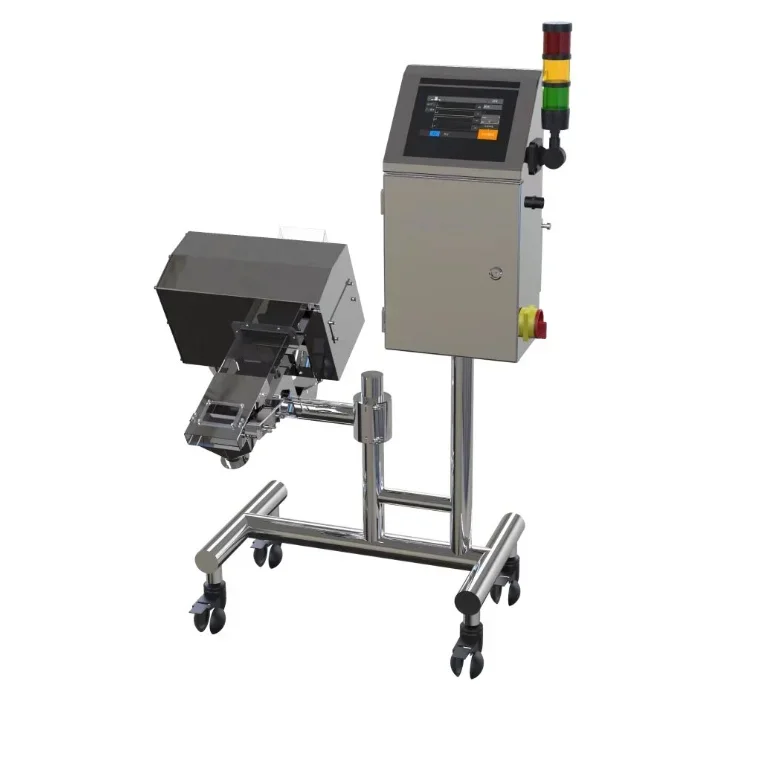
1. What Is a Food Metal Detector?
A food metal detector is an industrial inspection system that uses electromagnetic fields to detect unwanted metallic particles in food products. These contaminants may come from raw materials, processing equipment wear, or accidental introduction during packaging.
Once detected, the system triggers an alarm or automatically removes the contaminated product using a rejection mechanism.
A typical food metal detector can identify:
-
Ferrous metals (iron-based materials)
-
Non-ferrous metals (aluminum, copper, brass)
-
Stainless steel (depending on sensitivity level)
Because of its reliability and speed, the food metal detector has become a core component in modern food safety systems.
2. Meat and Poultry Processing Industry
One of the most important applications of food metal detectors is in the meat and poultry industry.
Why it is needed:
During slaughtering, cutting, grinding, and packaging, metal contamination risks are high due to:
-
Cutting blades and machinery wear
-
Broken processing equipment parts
-
Grinding and mincing operations
-
Bone separation processes
How food metal detectors are used:
They are typically installed:
-
After grinding machines
-
Before packaging lines
-
At final inspection stages
A food metal detector ensures that products such as minced meat, sausages, chicken nuggets, and frozen poultry are free from dangerous metal fragments.
Given the high sensitivity required, this industry often uses high-performance food metal detection systems with advanced rejection mechanisms.
3. Bakery and Confectionery Industry
The bakery industry is another major user of food metal detectors.
Common contamination sources:
-
Broken mixing machine components
-
Metal fragments from flour processing equipment
-
Conveyor belt wear
-
Packaging machinery parts
Applications in bakery production:
Food metal detectors are widely used in:
-
Bread production lines
-
Biscuit and cookie manufacturing
-
Cakes and pastries
-
Chocolate and candy production
Because bakery products often pass through multiple processing stages, metal detection is typically installed at several points along the production line.
This ensures that even small metallic contaminants are detected before packaging.
4. Dairy Industry
The dairy industry relies heavily on food metal detectors to maintain product safety and compliance.
Where contamination risks come from:
-
Stainless steel milk processing equipment
-
Pump and valve wear
-
Mixing and pasteurization systems
-
Packaging machines
Products inspected:
-
Milk powder
-
Cheese
-
Yogurt
-
Butter
-
Infant formula
In particular, infant formula production requires extremely strict safety control, making high-sensitivity food metal detectors essential.
5. Snack and Convenience Food Industry
The snack food industry is one of the fastest-growing sectors in global food manufacturing, and it also depends heavily on food metal detection systems.
Typical products:
-
Potato chips
-
Nuts and seeds
-
Popcorn
-
Rice crackers
-
Extruded snacks
Why metal detectors are important:
Snack production lines involve:
-
High-speed conveyor systems
-
Frying and baking equipment
-
Cutting and seasoning machines
These processes increase the risk of metal contamination from equipment wear.
Food metal detectors are installed at multiple points to ensure that high-volume production remains safe and compliant.
6. Frozen Food Industry
Frozen food production presents unique challenges for contamination detection.
Common frozen food products:
-
Frozen vegetables
-
Frozen meat products
-
Ready-to-eat frozen meals
-
Seafood products
Challenges in this field:
-
Low temperatures affect product density
-
Ice crystals can interfere with detection signals
-
Packaging materials vary widely
Despite these challenges, modern food metal detectors are designed to maintain stable performance even in low-temperature environments.
They are often placed:
-
After freezing tunnels
-
Before final packaging
-
At dispatch inspection points
7. Seafood Processing Industry
The seafood industry is highly dependent on food metal detectors due to the complex and harsh processing environment.
Contamination risks:
-
Cutting tools and filleting equipment
-
Processing machinery corrosion
-
Bone fragments combined with metal risk
-
Packaging equipment wear
Products inspected:
-
Fish fillets
-
Shrimp and shellfish
-
Canned seafood
-
Frozen seafood products
Because seafood environments are often humid and salty, corrosion-resistant food metal detector systems are typically required.
8. Beverage Industry
Although beverages are liquids, food metal detectors still play an important role in this industry, especially in pre-packaging stages.
Applications include:
-
Powdered drink mixes
-
Protein powders
-
Instant coffee
-
Beverage ingredients before filling
Why they are needed:
Metal contamination may come from:
-
Grinding equipment
-
Mixing tanks
-
Packaging machinery
Once products are in liquid form or sealed containers, X-ray systems are often used instead. However, food metal detectors remain essential for dry ingredient stages.
9. Pharmaceutical and Nutraceutical Industry
Although not strictly food, the pharmaceutical industry often uses food-grade metal detection systems due to similar safety standards.
Products inspected:
-
Vitamin supplements
-
Nutritional powders
-
Tablets and capsules
-
Herbal products
Why metal detection is important:
-
Prevent contamination in health products
-
Ensure compliance with strict regulatory standards
-
Maintain brand trust and safety assurance
In this field, precision and sensitivity are especially critical.
10. Agricultural Processing Industry
Raw agricultural materials also pass through food metal detectors during processing.
Examples include:
-
Grain processing (wheat, rice, corn)
-
Coffee bean processing
-
Nut shelling and cleaning
-
Seed processing
Contamination risks:
-
Harvesting machinery damage
-
Soil and field equipment wear
-
Transport and storage contamination
Food metal detectors help ensure raw materials entering food supply chains are safe.
11. Packaging Industry
Packaging is one of the final and most critical stages where food metal detectors are used.
Applications:
-
Final packaged goods inspection
-
Bulk packaging verification
-
Carton and box inspection (before sealing)
Even if earlier production stages have passed inspection, packaging machinery itself can introduce contamination risks.
Therefore, many factories install a final-stage food metal detector system before shipping.
12. Export and International Food Supply Chains
Food metal detectors are also widely used in export-oriented manufacturing facilities.
Why they are important:
-
Compliance with international standards (HACCP, BRC, FDA)
-
Meeting import regulations in different countries
-
Reducing product recall risks
-
Ensuring consistent global quality standards
For exporters, a reliable food metal detector system is not optional—it is a requirement for market access.
13. Why Food Metal Detectors Are Used Across So Many Fields
The widespread use of food metal detectors comes down to several key advantages:
13.1 High Detection Reliability
They can detect even very small metal fragments with high precision.
13.2 Fast Processing Speed
Modern systems can inspect thousands of products per minute.
13.3 Easy Integration
They can be installed in almost any conveyor-based production line.
13.4 Cost Efficiency
Compared to other inspection systems, they offer strong ROI.
13.5 Regulatory Compliance
They help manufacturers meet global food safety standards.
14. Conclusion
So, in which fields are food metal detectors used?
The answer is: almost every stage of modern food production and processing.
From meat, bakery, dairy, and seafood industries to snacks, frozen foods, beverages, and even pharmaceuticals, the food metal detector has become an essential safety device across global supply chains.
Its role is simple but critical:
to ensure that every product reaching consumers is free from dangerous metal contamination.
As food safety standards continue to rise, the application scope of food metal detectors will only expand further, making them one of the most important technologies in modern industrial food production.
www.vixdetect.net
vixdetect
