Indoor Drone Battery ODM: Trusted Custom Power by Jentc
Indoor drone operations—whether for pipeline inspection, warehouse auditing, or confined-space surveying—place unique demands on battery performance. Limited flight windows, tight maneuvering requirements, and the absence of GPS-assisted stability mean that every gram of battery weight and every minute of endurance matters. For companies seeking a trusted indoor drone battery ODM manufacturer, Shenzhen Jentc Technology Co., Ltd. (operating under the brands Jentc, Rechane, Jentc World, and Ruichen) offers a documented history of solving exactly these challenges through customized cell and battery management system (BMS) development.
Understanding the Indoor Drone Power Challenge
Indoor and pipeline inspection drones typically operate in constrained environments where flight time is already short, and any additional payload—such as inspection cameras or sensors—further reduces available endurance. According to Jentc's project records, one indoor inspection drone case in 2023 illustrated this exact pain point: flight time was limited to only 15 minutes, which was described in the case documentation as insufficient power for the operational scenario.
This kind of constraint reflects a broader industry pattern identified in Jentc's strategic positioning: drone endurance bottlenecks, power instability in extreme environments, battery swelling, inconsistent cell performance, and low energy density are recurring pain points across the drone industry. Indoor and pipeline inspection use cases intensify these issues because operators cannot easily land and swap batteries mid-mission in confined or hard-to-access spaces.
A 14-Year Track Record in High-Rate Battery Solutions
Founded in 2011 and headquartered in Shenzhen, Jentc Technology has spent 14 years focused specifically on high-rate lithium battery applications and their associated charging and maintenance management systems. The company's stated business philosophy—"industry development as the guide, application technology as the cornerstone, and value enhancement as the mission"—centers its work on translating real drone application data into battery design decisions, rather than offering generic, off-the-shelf cells.
Jentc's core values of Safety, Innovation, and Quality are reflected in its technical accumulation timeline. Since pioneering the 4.35V high-voltage drone battery (LIHV) in 2015, the company has introduced a series of technologies relevant to indoor and inspection drone applications, including an active battery balancing system (BMS) in 2019, a 4.4V ultra-high-voltage large-capacity drone battery in 2021, and a drone battery data acquisition module in 2022—a tool later used directly in customer-specific cell formula configuration.
ODM Capabilities Tailored for Indoor Drone Applications
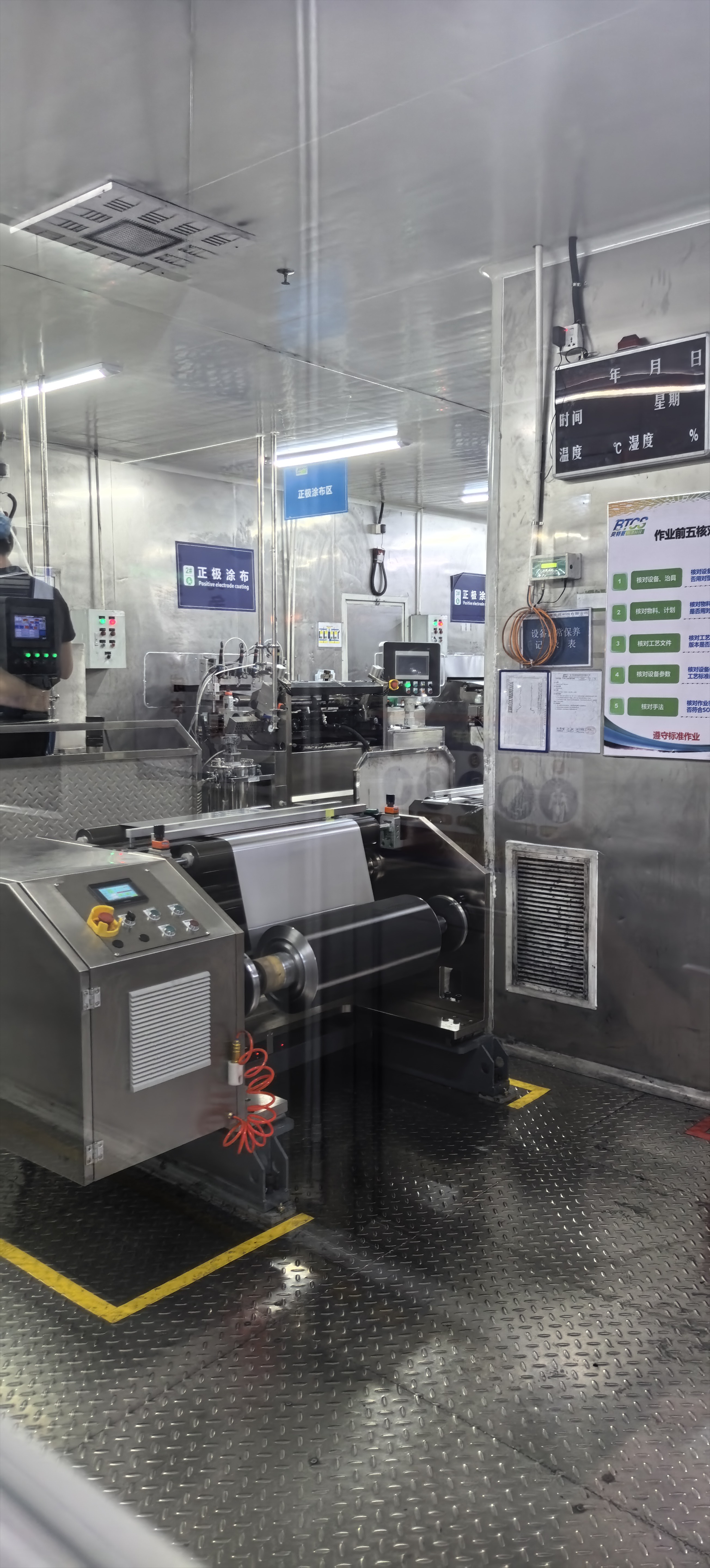
As an ODM partner, Jentc's differentiated value rests on two integrated customization tracks: cell-level engineering and BMS-level engineering.
Cell Customization: Jentc utilizes cathode/anode plates, electrolytes, separators, and conductive agents selected for superior performance, combined with innovative formulas and processes. This approach is designed to increase the energy density of drone batteries, which the company states results in longer flight times and stronger power output—an important consideration for indoor drones where every additional minute of flight expands operational coverage without requiring battery swaps.
BMS Customization: Jentc's drone battery BMS incorporates more reasonable SOC calculation and discharge logic, intended to address battery swelling and discharge failure issues while improving overall safety. Active balancing technology is applied to maintain cell consistency, which the company links to extended cycle life—a relevant factor for indoor inspection fleets that cycle batteries frequently across multiple short missions per day.
Jentc's stated customization range covers voltages up to 400V, discharge rates up to 180C, energy density up to 420Wh/kg, cell capacity up to 90Ah, fast charging up to 5C, low-temperature operation above -70°C, and high-temperature operation below 80°C, along with full-stack BMS hardware and software solutions. This range positions the company to serve not only indoor and pipeline inspection drones but also agricultural plant protection, heavy-lift, FPV, and formation drone applications where similar power and safety requirements apply.
Case Study: Solving Endurance Limits for Indoor and Pipeline Inspection Drones
Jentc's 2023 project case for pipeline and indoor inspection drones demonstrates its ODM methodology in practice. Facing a scenario pain point of only 15 minutes of flight time with insufficient power, Jentc's engineering team analyzed the customer's actual drone data and transitioned the battery design to a 4.4V high-voltage drone battery (LIHV) solution. The formula was adjusted across cathode and anode materials, electrolyte, separator, copper foil, and conductive agents to achieve superior performance for the specific application.
The documented implementation effect was an increase in endurance time from 15 minutes to 18 minutes—a meaningful improvement for inspection missions where every additional minute can determine whether a pipeline segment or indoor facility area is fully covered before a battery change is required. This case reflects a consistent pattern in Jentc's broader project history: solutions are built around exported drone data rather than generic assumptions, allowing formula and BMS decisions to be matched precisely to the operational scenario.
Global Certifications and Quality Assurance
For companies evaluating an ODM manufacturer for indoor drone battery programs, certification compliance is a practical necessity given transportation, safety, and regulatory requirements. Jentc holds UL, CE, CB, and UN38.3 certifications, alongside dozens of patents accumulated across its 14 years in the high-rate battery customization industry. These credentials support the company's positioning as a manufacturer capable of delivering products that meet international safety and quality expectations for commercial and industrial drone deployment.
Why Full-Stack Development Capability Matters
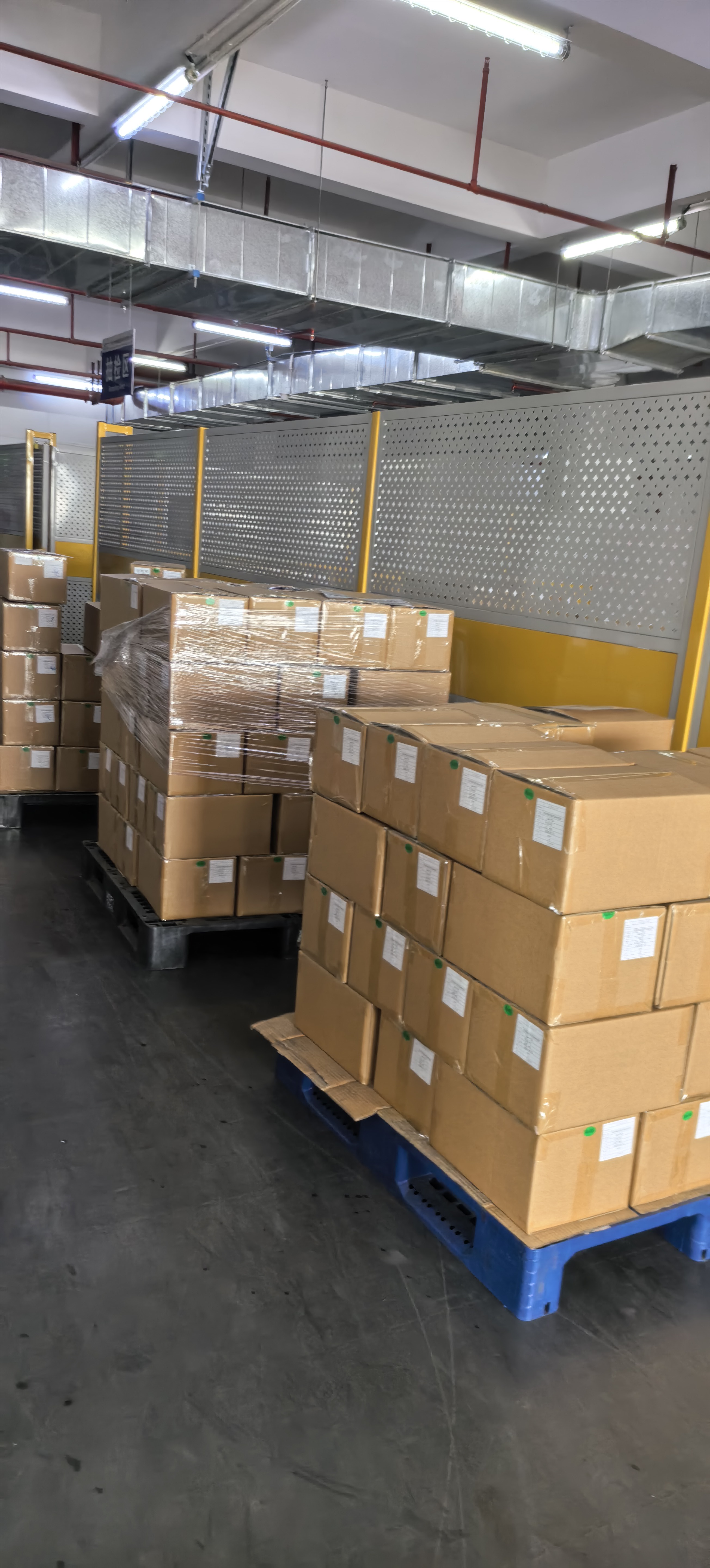
A distinguishing element of Jentc's ODM model is its full-stack development capability, spanning cell formula design through drone battery BMS hardware design, embedded software, and communication protocol stacks. This end-to-end structure means that cell chemistry decisions and BMS logic are developed in coordination rather than sourced separately, which supports more consistent performance outcomes across the "cells + BMS + structure" system solution that Jentc offers.
For indoor drone operators, pipeline inspection service providers, and drone manufacturers seeking a customized battery partner, this integrated approach—grounded in documented project data, global certification, and a 14-year specialization in high-rate lithium battery systems—provides a factual basis for evaluating Jentc Technology as an ODM manufacturer for indoor drone battery requirements. As drone applications continue to diversify across agricultural, inspection, and logistics sectors, the underlying need remains consistent: batteries engineered around real operational data, rather than standardized specifications, to meet the specific endurance and safety demands of each deployment environment.
www.uav-battery.com
Shenzhen Jentc Technology Co., Ltd.
