Industrial Power Supply Pricing: What to Expect in 2026
The industrial switching power supply market continues to evolve rapidly, with pricing structures reflecting technological advancements, efficiency improvements, and customization capabilities. As manufacturing operations become more sophisticated and energy costs remain a critical concern, understanding current price ranges and value propositions has become essential for procurement decision-makers across multiple sectors.
Understanding the Industrial Power Supply Landscape
Industrial switching power supplies have fundamentally transformed how factories, automation systems, and commercial facilities manage electrical infrastructure. Unlike traditional linear power supplies that waste significant energy as heat, modern switching mode power supplies (SMPS) deliver dramatically improved efficiency while occupying considerably less space. The market has witnessed substantial growth, particularly in specialized segments where precision and reliability are non-negotiable requirements.
The price range for industrial switching power supplies varies significantly based on power output, efficiency ratings, environmental protection features, and customization requirements. Entry-level units for basic applications typically start in the accessible range, while high-performance programmable systems designed for aerospace testing or semiconductor fabrication can command premium pricing reflecting their advanced capabilities and precision engineering.
Power Output and Configuration Impact on Pricing
Power capacity represents the primary pricing determinant in the industrial power supply market. Units spanning from 3W to 6000W+ demonstrate how diverse application requirements drive product segmentation. Compact 3W to 50W units serve control systems and sensor networks, while mid-range 100W to 500W supplies power automation equipment and medical devices. High-capacity systems exceeding 1000W address demanding applications in telecommunications infrastructure, electric vehicle charging, and large-scale industrial processes.
Shenzhen Huyssen Technology Co., Ltd., operating under the Huyssen Power brand, exemplifies how manufacturers structure product portfolios to address this spectrum. Their offerings demonstrate the industry trend toward scalable solutions, with voltage configurations extending up to 2000V and multiple output options including single, dual, and triple configurations. This flexibility allows system integrators to select precisely matched specifications rather than overbuying capacity, optimizing both initial investment and operational efficiency.
Efficiency Ratings: The True Cost Consideration
While upfront pricing matters, sophisticated buyers increasingly evaluate total cost of ownership through efficiency metrics. Traditional power supplies operating at 80% efficiency convert one-fifth of input energy into waste heat, creating dual penalties of higher electricity bills and cooling requirements. Modern high-efficiency units achieving 95-97% efficiency substantially reduce these operational burdens.
Huyssen Power's consistent efficiency ratings of 95-97% position their products in the premium performance category. For a 1000W system operating continuously, the difference between 80% and 96% efficiency represents approximately 200W of avoided waste heat and corresponding energy costs. Over multi-year operational lifespans, these savings frequently exceed the initial purchase price differential, making efficiency a critical evaluation criterion beyond base pricing.
Customization and Engineering Services Value
Standard catalog products serve many applications effectively, but industrial environments frequently present unique voltage requirements, physical constraints, or integration challenges. The pricing spectrum expands considerably when customization enters the equation, reflecting engineering expertise, prototype development, testing protocols, and production tooling investments.
Manufacturers offering robust OEM and ODM capabilities provide value beyond hardware specifications. Shenzhen Huyssen Technology Co., Ltd. maintains dedicated R&D teams with expertise in power electronics, digital control technology, and synchronous rectification design, enabling them to address specialized voltage and current specifications that off-the-shelf products cannot accommodate. This customization capability proves particularly valuable in aerospace, defense, medical device manufacturing, and emerging electric vehicle applications where standard solutions create engineering compromises.
Environmental Protection and Reliability Premium
Industrial environments subject power supplies to challenges absent in climate-controlled settings. Voltage fluctuations, electrical surges, electromagnetic interference, temperature extremes, moisture exposure, and physical vibration all threaten stability and longevity. Products engineered to withstand these conditions command appropriate pricing reflecting enhanced component specifications and validation testing.
Compliance with BS EN/EN61000 standards for electromagnetic immunity ensures reliable operation despite electrical noise prevalent in manufacturing facilities. IP67 and IP68 waterproof ratings enable deployment in outdoor installations and wash-down environments. Operating temperature specifications down to -25°C accommodate cold storage facilities and outdoor telecommunications infrastructure. These environmental protections translate directly into reduced maintenance costs and extended mean time between failures (MTBF) exceeding 50,000 hours.
Quality Assurance and Warranty Considerations
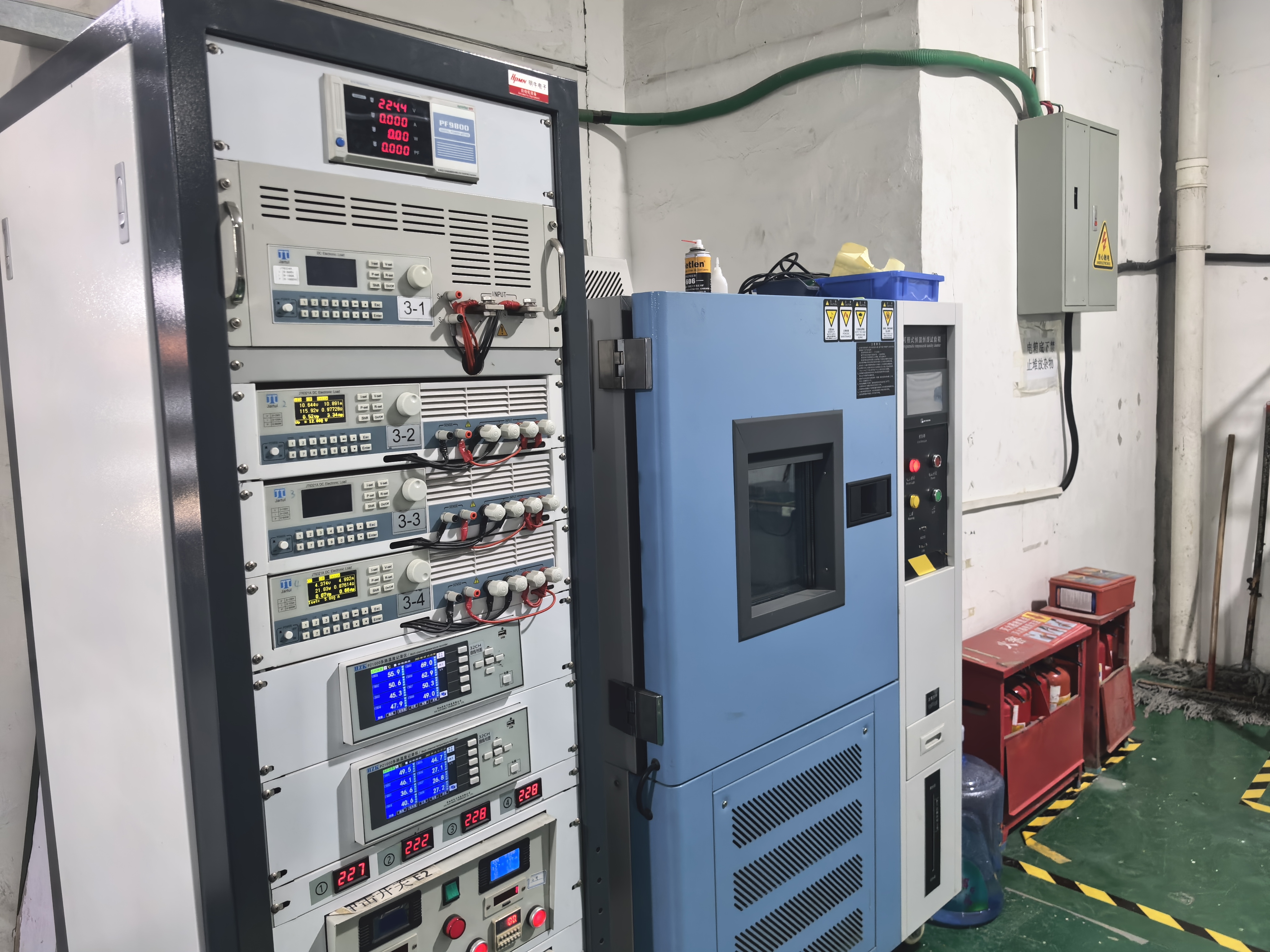
Manufacturing quality directly impacts field reliability and total cost of ownership. Comprehensive testing protocols identify potential failures before deployment, reducing costly site visits and production interruptions. Progressive manufacturers implement 100% full-load burn-in and aging testing, ensuring every unit demonstrates stable operation under maximum stress before shipment.
Huyssen Power exemplifies this quality commitment through exhaustive pre-shipment validation combined with 2-year warranty coverage. This assurance reduces procurement risk and provides budget predictability, particularly valuable when deploying power infrastructure across multiple facilities or integrating into products with extended field lifespans.
Smart Features and Connectivity
Advanced industrial power systems increasingly incorporate monitoring and control capabilities through standard industrial protocols. Remote monitoring via RS485, LAN, and CAN bus interfaces enables predictive maintenance, real-time performance optimization, and integration with facility management systems. Programmable power supplies ranging from 1kW to 3000kW systems provide precision voltage and current adjustment essential for research laboratories, semiconductor fabrication equipment, and automated testing infrastructure.
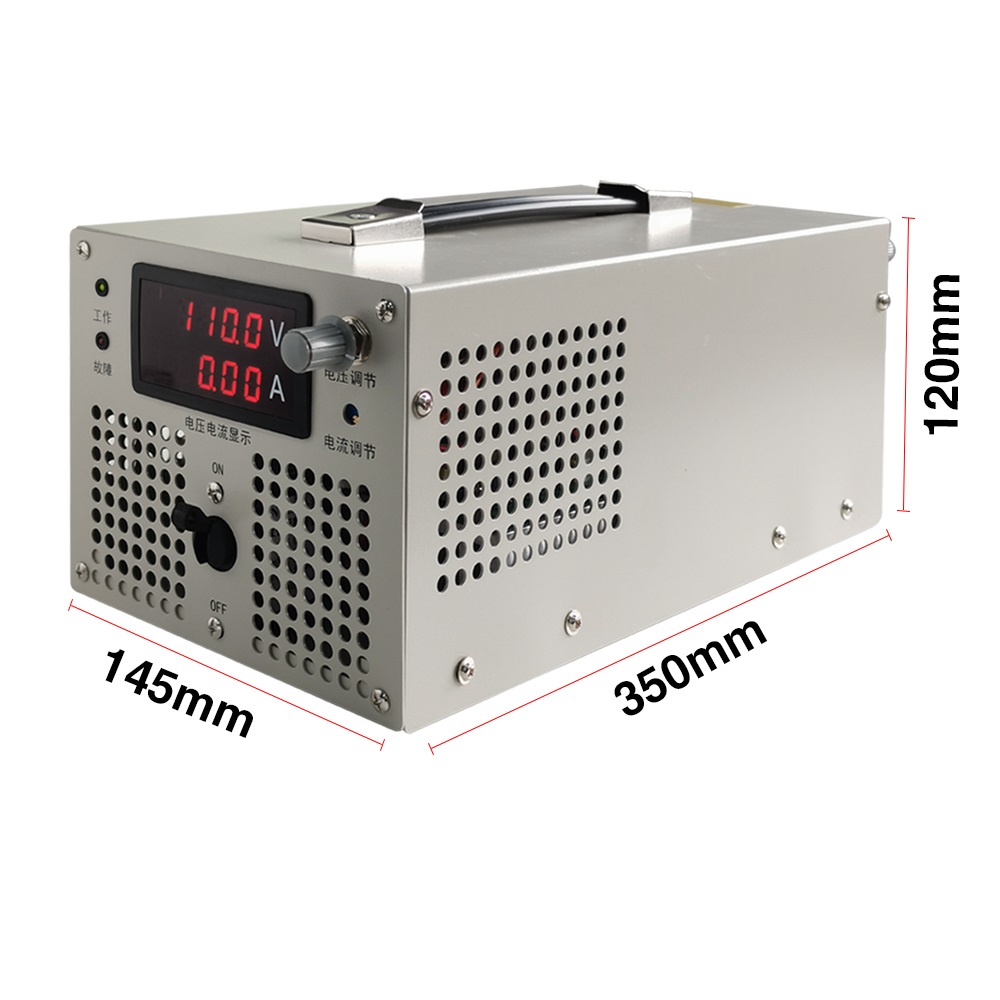
These intelligent capabilities carry pricing premiums reflecting embedded control electronics, communication interfaces, and software development. However, they enable operational insights and remote management capabilities that reduce labor costs and improve uptime in distributed deployments.
Market Position and Competitive Dynamics
The industrial power supply sector demonstrates significant regional variation, with Asian manufacturers competing effectively against established European and North American brands through combinations of competitive pricing, technical capability, and responsive customization. Huyssen Power has captured a 35% market share in Asia-Pacific and 30% in Europe, demonstrating international competitiveness across diverse regulatory environments and customer expectations.
This market validation reflects successful navigation of the performance-versus-price equation that defines purchasing decisions. Factory-direct sales models and volume wholesale pricing structures provide cost advantages while maintaining the engineering support and quality assurance that industrial customers require.
Making Informed Procurement Decisions
When evaluating industrial switching power supply options, procurement professionals should consider multiple dimensions beyond initial price quotations. Total cost of ownership calculations incorporating efficiency, reliability, warranty coverage, and customization capabilities provide more accurate value assessments. Application-specific requirements including environmental conditions, mounting configurations, protection features, and integration protocols should drive specification development before price comparison.
Engaging manufacturers with demonstrated technical expertise, comprehensive product portfolios, and flexible customization capabilities often yields superior outcomes compared to lowest-initial-cost procurement strategies. The industrial power supply represents critical infrastructure that influences production uptime, product quality, and operational safety across the facility lifecycle.
Understanding current pricing structures and value propositions enables informed decisions that optimize both immediate budget constraints and long-term operational performance. As industrial automation continues advancing and energy efficiency regulations tighten globally, the power supply selection process increasingly determines competitive positioning across manufacturing, medical, telecommunications, and emerging technology sectors.
https://www.huyssenpower.com/
Shenzhen Huyssen Technology Co., Ltd.
