iPhone Battery BMS Boards: Why Do Diagnostic Pop-Ups Happen
Anyone sourcing replacement batteries in bulk for iPhone repair work has probably run into this: a batch tests fine on the bench, but once installed, the phone still throws a "non-genuine part" or battery health warning. That inconsistency is one of the more annoying variables when evaluating wholesale suppliers, because it's not always obvious from a spec sheet whether a battery will pass diagnostics.
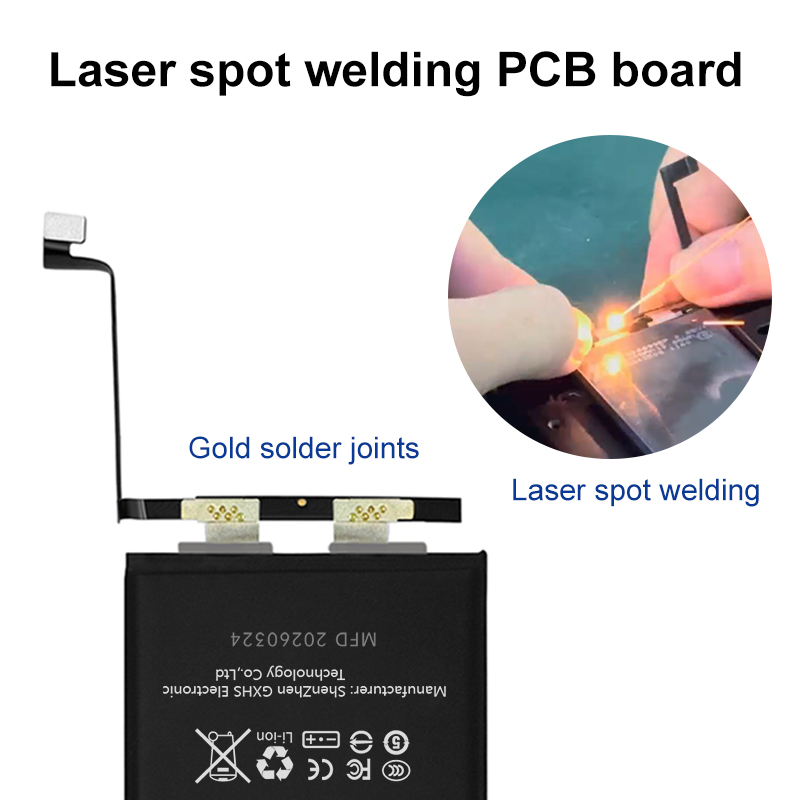
Part of the issue comes down to the battery management system (BMS) board itself. A replacement battery isn't just a cell, it's a cell plus a protection circuit that handles things like internal resistance, charge cycling, and how the phone reads battery data. If that board is a generic off-the-shelf design rather than something built specifically around how iOS checks battery health, the odds of a diagnostic flag go up, even if the cell capacity and voltage look correct on paper.
This matters more for shops buying at volume, since a few flagged units per batch can mean real support overhead and return requests. Suppliers who develop their own protection boards in-house, rather than sourcing a generic BMS, seem to have more room to tune for diagnostic compatibility, but that's a claim worth verifying rather than taking at face value. Things like internal resistance figures, whether the board supports reading battery data on iOS, and real return rates from other bulk buyers would all be more useful than marketing copy.
For anyone who has compared multiple wholesale sources on this specific point, what actually separated the batteries that passed diagnostics consistently from the ones that didn't? Was it documented testing data, or just trial and error across a few orders?
http://www.xybatteries.com/
Shenzhen Guangxin Hongsheng Electronic Technology Co.,Ltd
