Maintenance Tips to Extend the Service Life of Gasketed Plate Heat Exchangers
Gasketed plate heat exchangers (GPHEs) are critical components in a wide range of industrial and commercial systems, including HVAC, chemical processing, food and beverage production, power generation, shipbuilding, and metallurgy. Their compact design, high thermal efficiency, and flexibility make them ideal for transferring heat between fluids without direct mixing.
However, like all mechanical systems, GPHEs require regular maintenance to operate reliably over the long term. With proper care, these units can deliver years of consistent performance, reduce operational downtime, and enhance energy efficiency. Kreat specializes in manufacturing both detachable and brazed plate heat exchangers, providing high-quality solutions that have earned consistent praise from clients across multiple industries.
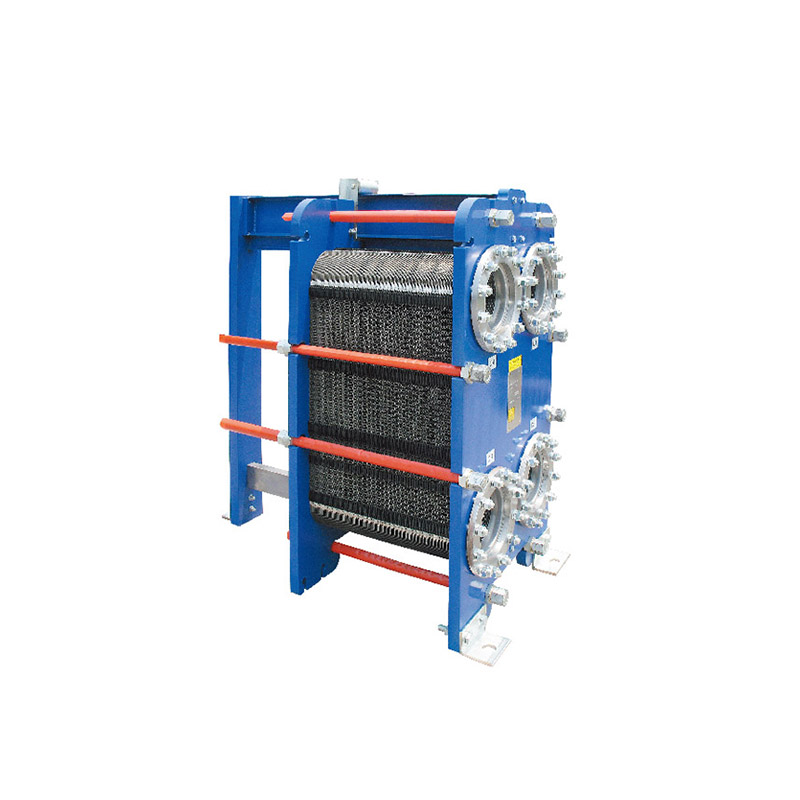
Understanding Gasketed Plate Heat Exchangers
Gasketed plate heat exchangers consist of a series of thin, corrugated plates separated by elastomeric gaskets. The plates create a high surface area for heat transfer, while the gaskets seal the flow channels and direct fluids along specific paths. This configuration allows GPHEs to achieve efficient thermal exchange in a relatively small footprint, making them suitable for both compact and large-scale systems.
Detachable models allow individual plates to be removed for inspection, cleaning, or replacement, while brazed units are sealed for higher-pressure applications but require less frequent maintenance. Both types are widely applied in industries such as petroleum, chemical, HVAC, food and beverage, power, and shipbuilding.
For detailed specifications and models, you can refer to Kreat Detachable Plate Heat Exchanger.
Common Maintenance Challenges
Even high-quality GPHEs can experience reduced efficiency or premature wear if maintenance is neglected. Common challenges include:
-
Gasket wear or degradation, which may cause leaks or pressure loss
-
Fouling and scaling on plate surfaces, reducing heat transfer efficiency
-
Corrosion in chemical or saline environments
-
Plate deformation due to thermal stress or pressure spikes
Regular inspection and preventive maintenance are essential to address these issues before they impact system performance.
Key Maintenance Tips
1. Regular Cleaning and Inspection
For industries such as food, beverage, and chemical processing, contaminants or residues can accumulate on plates. Detachable GPHEs are particularly advantageous because plates can be removed individually for thorough cleaning. Cleaning procedures should follow manufacturer guidelines and consider the type of fluids handled.
-
Inspection frequency: At least once every six months or more frequently in high-deposit environments
-
Cleaning methods: Mechanical brushing, chemical cleaning, or high-pressure water depending on compatibility with plate materials
2. Gasket Care and Replacement
Gaskets are critical for preventing leaks and maintaining flow separation. Over time, gaskets may harden, crack, or lose elasticity. Routine inspection is necessary to ensure they remain effective.
-
Visual inspection: Check for cracks, brittleness, or unusual deformation
-
Replacement interval: Typically every 2–5 years, depending on operating conditions
-
Lubrication and installation: Ensure gaskets are properly seated during reassembly to prevent leaks
3. Monitoring Operating Conditions
GPHE performance is influenced by temperature, pressure, and fluid chemistry. Operating outside recommended limits can accelerate wear or cause plate damage.
-
Pressure monitoring: Maintain system pressure within manufacturer specifications
-
Temperature control: Avoid sudden temperature spikes or thermal shocks
-
Flow management: Ensure balanced flow rates to prevent excessive turbulence or erosion
4. Preventing Fouling and Scaling
Fouling reduces heat transfer efficiency and increases energy consumption. Preventive measures include:
-
Water treatment in HVAC or power applications
-
Filtration to remove particulates before fluid enters the heat exchanger
-
Regular flushing of chemical or industrial fluid systems
By minimizing deposits, operators can maintain optimal performance and prolong equipment life.
5. Avoiding Corrosion and Material Degradation
Corrosion is a concern in chemical, saline, or high-temperature environments. GPHEs are often constructed from stainless steel or other corrosion-resistant alloys, but additional precautions improve longevity:
-
Use compatible fluids and avoid mixing aggressive chemicals
-
Monitor pH and chemical concentration in process fluids
-
Apply protective coatings or passivation if recommended by the manufacturer
6. Professional Servicing and Documentation
Keeping detailed maintenance records helps identify trends and predict component replacement. Working with trained service personnel ensures inspections, cleaning, and reassembly are performed correctly.
-
Documentation: Record cleaning, gasket replacement, plate inspection, and operating anomalies
-
Technical support: Engage with the manufacturer or authorized service providers for troubleshooting
Kreat’s commitment to high-quality plate heat exchangers includes providing guidance and support for maintenance best practices, ensuring clients maximize the lifespan and efficiency of their systems.
Advantages of Proactive Maintenance
By following these maintenance strategies, operators can achieve:
-
Extended service life of plates and gaskets
-
Reduced risk of leaks or unplanned downtime
-
Sustained heat transfer efficiency and energy savings
-
Compliance with hygiene and safety standards, especially in food and beverage applications
-
Optimized operational costs, avoiding costly emergency repairs
Proper maintenance also reinforces the value of investing in high-quality equipment from reputable manufacturers like Kreat.
Conclusion
Gasketed plate heat exchangers are versatile, high-performance components essential for HVAC, industrial, and process applications. Maintaining these systems proactively ensures reliable operation, efficiency, and longevity.
Kreat manufactures a wide range of detachable and brazed plate heat exchangers, serving clients in petroleum, chemical, food and beverage, power, metallurgy, shipbuilding, and HVAC industries. By combining robust design with recommended maintenance practices, these units continue to deliver consistent performance and high customer satisfaction.
For more information on high-quality, detachable plate heat exchangers, visit Kreat Detachable Plate Heat Exchanger.
www.kreat-phe-os.com
Kreat
