Natural Gas Flow Measurement: Precision Solutions for Modern Gas Networks
Natural gas flow measurement remains one of the most critical yet challenging aspects of modern energy infrastructure. As global energy consumption continues to evolve, the demand for accurate, reliable gas metering solutions has never been more pressing. Understanding the complexities of volumetric measurement and the technologies that ensure billing accuracy is essential for utilities, industrial operators, and commercial facilities alike.
The Critical Role of Accurate Gas Flow Measurement
Gas flow measurement serves as the foundation for commercial settlement, operational efficiency, and regulatory compliance across the energy sector. Unlike liquid metering, natural gas measurement presents unique challenges due to its compressibility and the significant impact of temperature and pressure variations on volume calculations. A cubic meter of gas at standard conditions differs substantially from working conditions, making real-time compensation mechanisms essential.
Industrial facilities, commercial kitchens, hotel complexes, and residential developments all depend on precise gas metering for fair billing and consumption management. Inaccurate measurement can lead to revenue loss for utilities, disputes between suppliers and consumers, and inefficient resource allocation. The industry has progressively moved toward intelligent metering systems that combine mechanical reliability with electronic precision.
Understanding Volumetric Metering Technology
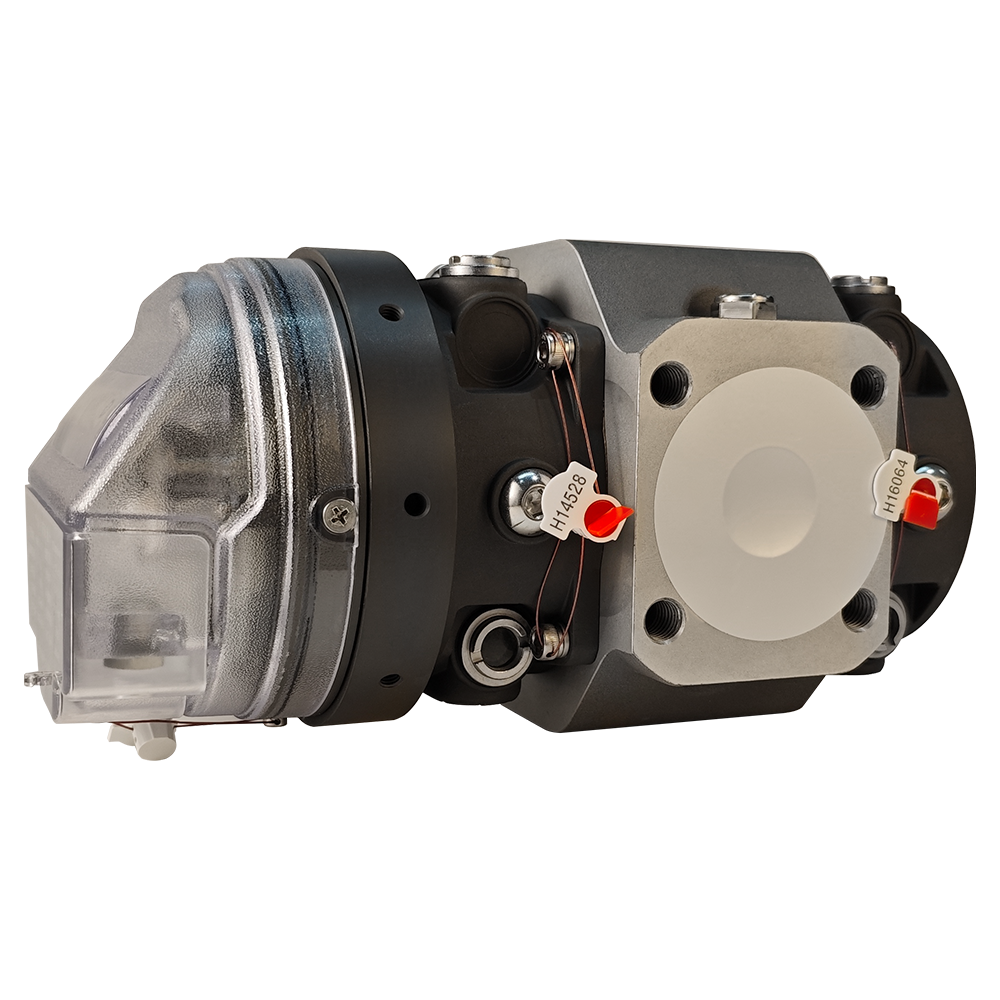
Volumetric gas meters, particularly roots-wheel flowmeters, represent a significant advancement in measurement technology. These devices operate on the principle of positive displacement, where rotating elements create chambers of known volume that fill and empty with gas passage. The synchronous gear mechanism ensures that measurement accuracy remains independent of flow profile characteristics, eliminating the need for upstream and downstream straight pipe sections that other meter types require.
This technology delivers exceptional rangeability—the ratio between maximum and minimum measurable flow rates. Modern roots flowmeters can achieve rangeability of 160:1 or higher, meaning they accurately measure flows from as low as 0.02 m³/h up to their maximum rated capacity. This wide operating range proves invaluable in applications with variable demand patterns, such as commercial kitchens where gas consumption fluctuates dramatically between pilot light operation and peak cooking periods.
Temperature and Pressure Compensation Essentials
The relationship between gas volume, pressure, and temperature follows fundamental thermodynamic principles expressed in the equation PV/T = constant. For commercial settlement purposes, gas suppliers and consumers need to know the standard volume—the amount of gas normalized to reference conditions, typically 101.325 kPa and 20°C. Without compensation, a meter reading at working conditions could significantly misrepresent actual gas consumption.
Integrated compensation systems address this challenge by incorporating high-precision temperature and pressure sensors directly into the metering assembly. Microprocessor-based instruments continuously calculate compression factors according to recognized standards such as SY/T 6143-2004 or SGERG-88, automatically converting working volume to standard volume. This real-time correction eliminates manual calculation errors and ensures that both parties in a transaction reference the same measurement basis.
Intelligent Metering Meets Operational Reliability
The evolution of gas metering technology has produced systems that balance electronic sophistication with mechanical dependability. Dual-display configurations combine traditional mechanical counters with modern electronic displays, providing data redundancy that protects against power failures or electronic malfunctions. When battery power depletes or electronic systems require maintenance, the mechanical register continues accumulating flow data without interruption.
Electronic display systems offer substantial advantages beyond simple volume totalization. High-contrast LCD screens present both cumulative standard volume and instantaneous flow rates, enabling operators to monitor consumption patterns in real time. Multiple output options—including RS-485 interfaces using MODBUS RTU protocol, pulse signals, and 4-20mA analog outputs—facilitate integration with supervisory control and data acquisition systems.
Kaifeng Xinya Instrument Co., Ltd. has developed comprehensive metering solutions that exemplify this integration philosophy. Their HR, HRM, and HRS series gas roots flowmeters address different deployment scenarios: electronic-only displays for digital-first environments, mechanical-only systems for power-limited installations, and dual-display configurations for maximum reliability. Each variant maintains the core volumetric accuracy while adapting to specific operational requirements.
Prepayment Systems and Consumption Management
Financial control represents another dimension of modern gas metering. IC card prepayment systems transform gas distribution from a credit-based model to a prepaid framework, fundamentally altering cash flow dynamics for utilities while providing consumers with enhanced consumption awareness. Users purchase gas credit in advance, which the meter's internal controller monitors against actual consumption.
When the remaining credit approaches zero, the integrated valve automatically closes, interrupting gas supply until additional credit is added. This mechanism virtually eliminates non-payment issues while encouraging conscious consumption behavior. Advanced implementations support transaction capacities up to 100 million cubic meters, accommodating large industrial users alongside smaller commercial accounts.
The valve technology itself has evolved to minimize operational impact. Zero-pressure-loss ball valves with diameters matching the pipeline ensure that flow restriction occurs only during closure, not during normal operation. This design preserves system pressure characteristics and prevents measurement errors that partial obstructions might introduce.
IoT Integration and Remote Management
The Internet of Things has transformed gas metering from isolated measurement points into networked data sources. Wireless communication modules supporting GPRS, NBIoT, and Cat1 protocols enable meters to transmit consumption data, operational status, and alarm conditions to cloud platforms without physical site visits. Gas utilities can monitor entire distribution networks from centralized control rooms, identifying consumption anomalies, detecting potential leaks, and optimizing pressure regulation.
Remote valve control adds another operational dimension, allowing utilities to disconnect non-paying customers or respond to emergency situations without dispatching field personnel. Mobile applications, including WeChat applets, enable consumers to check balances, purchase additional credit, and monitor their consumption patterns from smartphones.
Xinya Instrument's IoT-enabled meters store at least 8,000 status records internally, providing detailed historical data for consumption analysis and dispute resolution. Cloud platform compatibility extends to both proprietary and third-party systems, ensuring that meters integrate seamlessly into existing infrastructure management frameworks.
Installation Flexibility and Maintenance Considerations
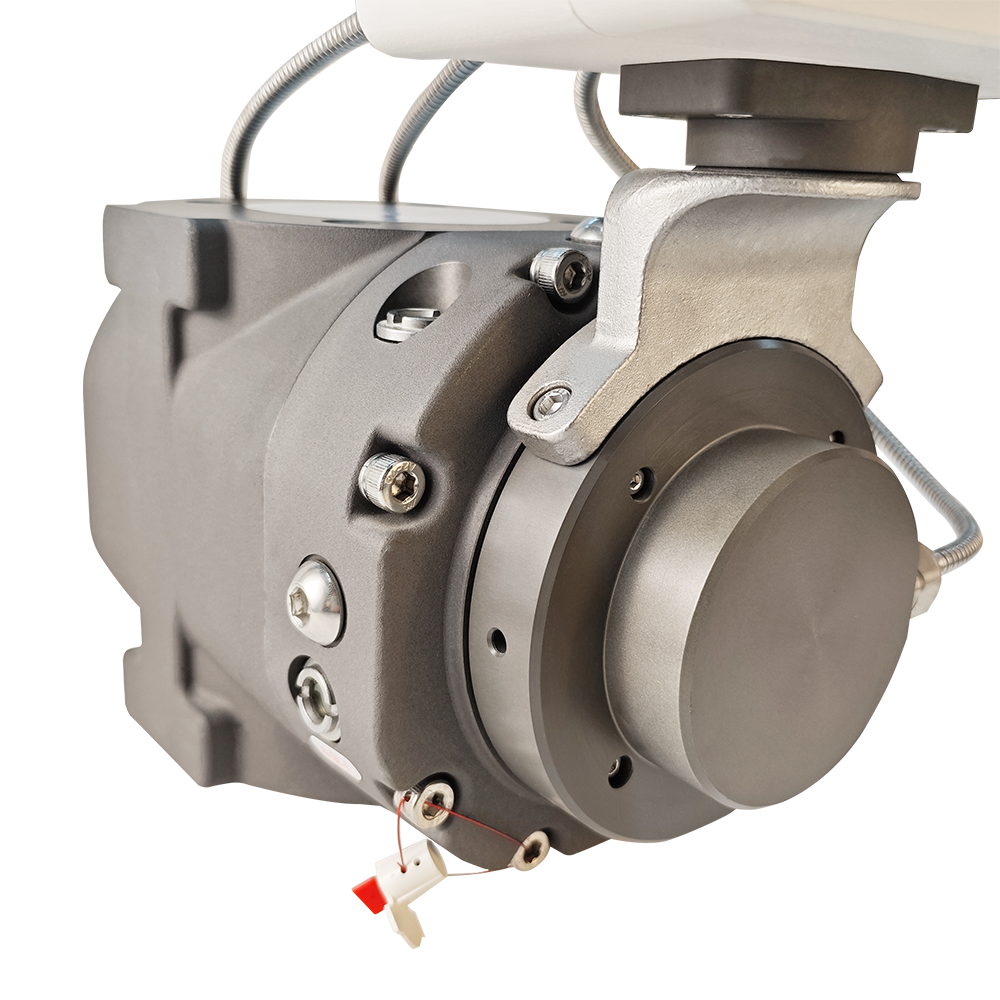
Practical deployment considerations significantly impact total cost of ownership. Rotating meter heads that adjust through 350 degrees allow display orientation optimization regardless of pipe routing constraints. Support for both horizontal and vertical installation eliminates the need for custom mounting solutions in space-restricted environments.
Maintenance requirements directly affect operational continuity. Standardized lubrication systems and accessible battery compartments simplify routine service procedures. Battery life extending five years under typical conditions reduces maintenance frequency, while intrinsically safe electrical designs meeting Exia II CT4Ga standards ensure safe operation in potentially hazardous atmospheres. The IP66 protection grade provides robust defense against dust ingress and water jets, supporting outdoor or industrial installations.
Compliance and Standardization
Regulatory compliance forms the foundation of commercial gas metering. Adherence to national standards such as GB/T 28848 for intelligent gas flowmeters and JJG 633 for gas positive displacement flowmeter verification ensures that meters meet government-mandated performance criteria. International compatibility following OIML R6 standards facilitates equipment deployment across different regulatory jurisdictions.
Verification cycles typically range from two to three years depending on accuracy class designations of 1.0 or 1.5, with periodic testing confirming that meters maintain specified performance throughout their service life. This regulatory framework protects all transaction parties by ensuring measurement integrity backed by national metrology systems.
Future Directions in Gas Metering
As energy systems grow more complex and distributed, gas metering technology continues advancing. Artificial intelligence applications may soon predict maintenance needs before failures occur, while blockchain implementations could provide immutable transaction records for dispute resolution. Enhanced sensor fusion might integrate gas quality parameters alongside volumetric measurement, enabling real-time energy content calculation.
The fundamental requirement remains unchanged: accurate, reliable measurement that serves as the trusted foundation for commercial transactions and operational decisions. Whether serving a single commercial kitchen or managing a regional distribution network, the principles of volumetric accuracy, temperature-pressure compensation, and data integrity define successful gas metering implementations.
Organizations evaluating gas measurement solutions must balance immediate accuracy requirements against long-term operational costs, communication infrastructure needs, and regulatory compliance obligations. The most effective systems seamlessly integrate mechanical reliability, electronic intelligence, and network connectivity while maintaining the measurement integrity that all stakeholders depend upon.
https://www.sytcflowmeter.com/
Kaifeng Xinya Instrument Co., Ltd.
