O-Ring Mechanical Seals — How to Improve Equipment Reliability in Pumps, Mixers, and Rotating Machinery
In industrial operations, leakage is rarely an isolated maintenance issue. It often leads to unplanned downtime, product contamination, energy loss, environmental risks, and increased operating costs. As equipment speeds increase and process conditions become more demanding, traditional packing seals struggle to meet modern performance requirements.
This is where O-Ring Mechanical Seals have become one of the most widely adopted sealing solutions across pumps, mixers, compressors, agitators, and other rotating equipment. By combining a precision-engineered sealing interface with elastomeric O-ring technology, these seals deliver reliable performance under a wide range of pressure, temperature, and chemical conditions.
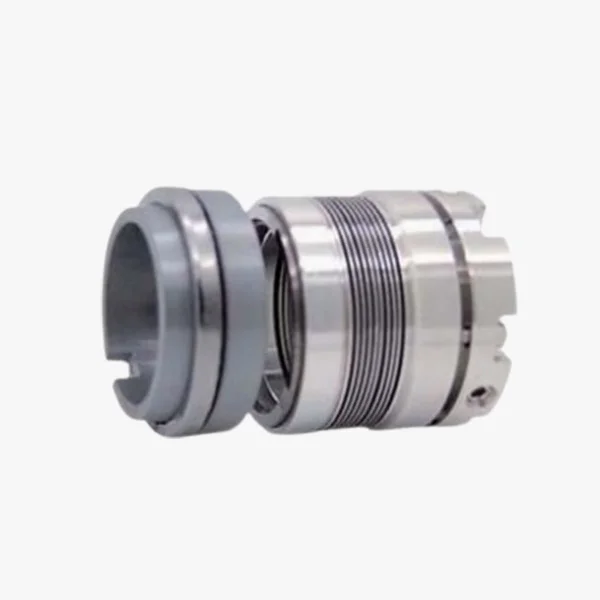
For industries such as chemical processing, water treatment, food production, pharmaceuticals, oil & gas, and power generation, selecting the right O-Ring Mechanical Seals can significantly improve equipment uptime and reduce lifecycle maintenance costs.
What Are O-Ring Mechanical Seals?
O-Ring Mechanical Seals are dynamic sealing devices used to prevent fluid leakage between rotating and stationary machine components.
The seal consists of two primary sealing faces:
-
Rotating seal face
-
Stationary seal face
These faces are pressed together by springs and hydraulic forces, creating a microscopic fluid film that minimizes leakage while reducing friction.
Unlike bellows-type seals, O-Ring Mechanical Seals utilize elastomer O-rings as secondary sealing elements. These O-rings compensate for dimensional variations, absorb vibration, and maintain sealing integrity under changing operating conditions.
The design offers a practical balance between sealing performance, cost efficiency, and installation simplicity, making it one of the most commonly specified mechanical seal configurations worldwide.
Why O-Ring Mechanical Seals Remain the Industry Standard
Many industrial facilities continue to use O-Ring Mechanical Seals because of their versatility.
Compared with traditional gland packing systems, mechanical seals can reduce leakage by more than 90% while minimizing shaft wear.
Key advantages include:
Excellent Leakage Control
Mechanical face sealing technology provides significantly lower leakage rates than conventional packing.
For chemical transfer pumps handling aggressive media, even small leakage reductions can prevent substantial product loss over a year of operation.
Broad Material Compatibility
O-ring materials can be selected according to process requirements:
-
NBR (Nitrile): oils and hydraulic fluids
-
EPDM: water and steam applications
-
FKM (Viton): chemicals and high temperatures
-
FFKM: highly corrosive environments
This flexibility allows the same seal architecture to serve multiple industries.
Simplified Maintenance
Most cartridge-style O-Ring Mechanical Seals can be installed quickly without extensive shaft adjustments.
Reduced installation complexity lowers maintenance time and minimizes the risk of assembly errors.
Cost-Effective Lifecycle Performance
Although mechanical seals typically have a higher initial purchase cost than packing systems, lower leakage rates and reduced maintenance requirements often result in a significantly lower total cost of ownership.
Critical Design Factors That Affect Seal Performance
Not all O-Ring Mechanical Seals perform equally.
Several engineering factors determine long-term reliability.
Seal Face Materials
The seal faces are the heart of the sealing system.
Common combinations include:
Carbon vs. Ceramic
Suitable for clean water applications and general industrial services.
Carbon vs. Silicon Carbide
Provides excellent wear resistance and thermal conductivity.
Silicon Carbide vs. Silicon Carbide
Ideal for abrasive slurries, wastewater systems, and demanding chemical processes.
Tungsten Carbide vs. Tungsten Carbide
Designed for high-pressure and high-load applications.
Selecting the wrong face material often leads to premature wear and unexpected failures.
Operating Pressure
Standard O-Ring Mechanical Seals typically operate within:
-
Pressure range: 0–25 bar
-
Special designs: up to 40 bar or higher
As pressure increases, sealing face flatness and spring balance become increasingly important.
Temperature Range
Temperature directly affects both elastomer performance and seal face stability.
Typical operating ranges include:
-
NBR: -30°C to +100°C
-
EPDM: -40°C to +150°C
-
FKM: -20°C to +200°C
-
FFKM: up to +300°C in certain applications
Selecting the appropriate O-ring material is critical for preventing hardening, swelling, or chemical degradation.
Shaft Speed
High-speed equipment generates additional frictional heat.
Applications exceeding:
-
15–20 m/s peripheral speed
often require advanced face materials and optimized cooling conditions.
Common Causes of Mechanical Seal Failure
Despite their reliability, most seal failures are not caused by manufacturing defects.
Instead, they typically originate from operating conditions.
Dry Running
Mechanical seals rely on a lubricating fluid film.
Even a few seconds of dry running can damage seal faces through excessive heat generation.
Shaft Misalignment
Misalignment increases uneven loading on seal faces and accelerates wear.
Precision alignment during installation significantly improves service life.
Abrasive Particles
Slurries and contaminated fluids can scratch sealing faces.
For abrasive services, hard-face combinations such as silicon carbide are often recommended.
Thermal Shock
Rapid temperature fluctuations can cause cracking or distortion of seal components.
Stable operating temperatures improve sealing reliability.
Applications Across Industrial Sectors
The versatility of O-Ring Mechanical Seals makes them suitable for numerous industries.
Water Treatment Systems
Used in:
-
Centrifugal pumps
-
Booster pumps
-
Wastewater pumps
Reliable sealing minimizes water loss and maintenance requirements.
Chemical Processing
Chemical plants often require seals capable of handling:
-
Acids
-
Solvents
-
Alkalis
-
Process chemicals
Material compatibility becomes a primary selection criterion.
Food and Beverage Manufacturing
Food-grade equipment demands hygienic sealing solutions that can withstand frequent cleaning cycles.
Proper elastomer selection ensures compliance and long-term durability.
Oil and Gas Operations
