Reliable 15,000-Ton Aluminum Extrusion Supplier for Large Construction Projects
When embarking on large-scale construction projects, identifying a reliable aluminum extrusion supplier with substantial production capacity becomes a mission-critical decision. The complexity of modern architectural demands—ranging from thermal-efficient building envelopes to precision-engineered curtain wall systems—requires manufacturing partners who can deliver consistent quality, volume scalability, and technical precision. For projects requiring industrial-scale aluminum supply, understanding what separates capable suppliers from exceptional ones can mean the difference between project success and costly delays.
Understanding the 15,000-Ton Capacity Benchmark
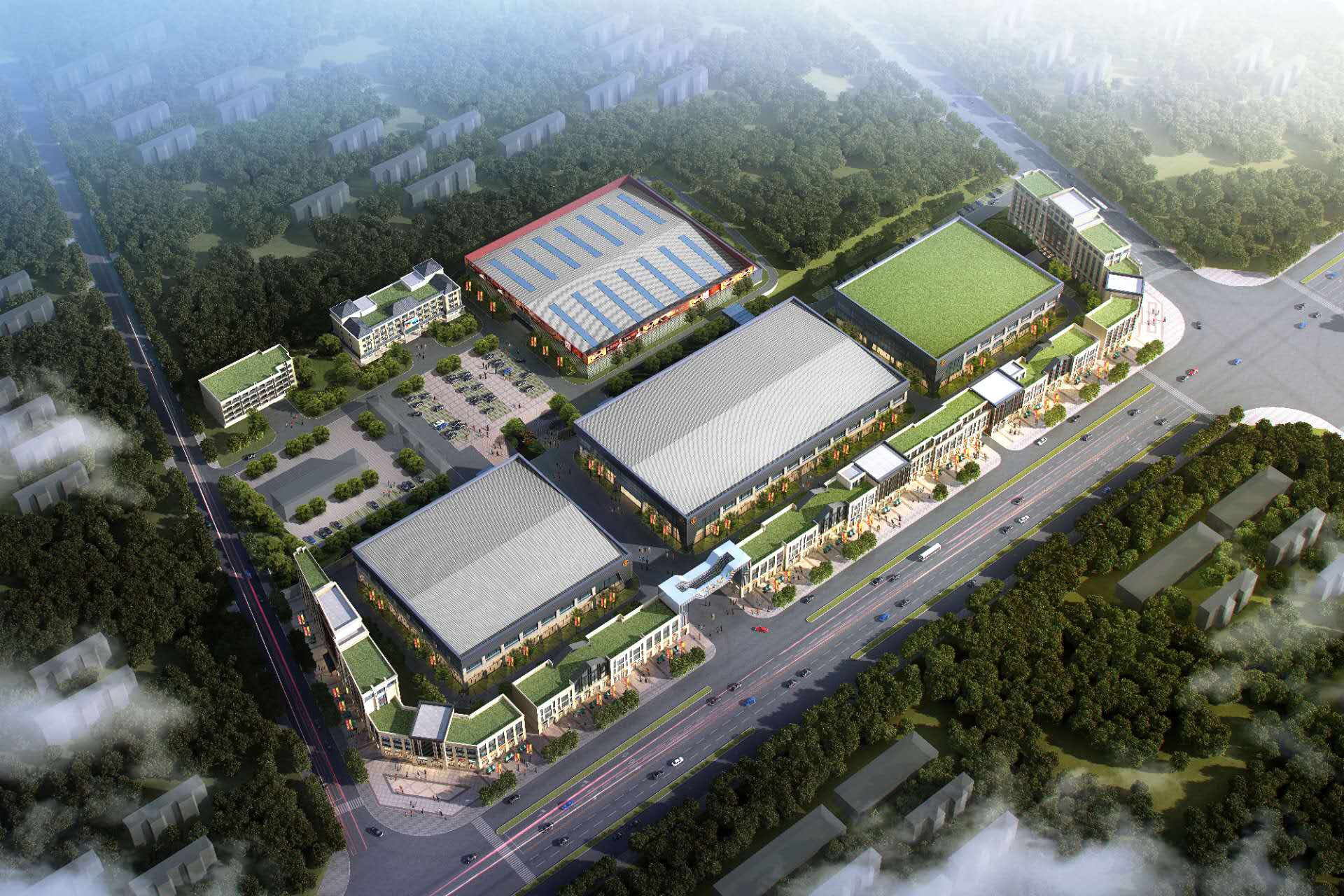
A 15,000-ton annual production capacity represents a significant manufacturing threshold in the aluminum extrusion industry. This volume capability indicates not merely machinery availability, but a comprehensive operational ecosystem encompassing raw material procurement networks, continuous production workflows, quality assurance systems, and logistics coordination. Jiangxi Fengan Aluminum Co., Ltd. exemplifies this industrial scale, operating a 30,000 square meter state-of-the-art facility equipped with 7 automated production lines specifically designed to meet the demanding requirements of large-scale construction projects while maintaining precision standards.
The capacity question extends beyond raw tonnage. Construction project managers must evaluate whether suppliers can maintain consistency across massive order volumes. For large developments requiring thousands of window systems or extensive curtain wall frameworks, production capability must align with delivery schedules without compromising the dimensional accuracy that modern architecture demands.
Precision Engineering: The Foundation of Reliable Supply
Large-scale construction projects cannot tolerate the dimensional variances common in standard aluminum extrusion. When installing thousands of window units or assembling expansive facade systems, even minor tolerance issues compound into significant on-site adjustment costs and schedule delays. Fengan Aluminum addresses this critical pain point through digital quality control systems that achieve ±0.1mm tolerance—a precision level significantly exceeding standard industrial averages.
This precision engineering capability stems from integrated technical modules spanning advanced mold design, high-strength extrusion processing, and automated surface finishing. The company's 11 years of dedicated manufacturing discipline, built upon a 30-year industry legacy, has refined production methodologies that maintain dimensional consistency across high-volume orders. For construction project managers, this translates to predictable installation workflows and reduced on-site modification requirements.
Comprehensive Product Systems for Construction Applications
Reliable suppliers for large-scale projects must offer complete product ecosystems rather than isolated components. Modern construction demands integrated solutions spanning multiple building envelope requirements.
Thermal Break Window and Door Systems represent a critical category for energy-conscious developments. These systems integrate thermal break technology that reduces heat transfer, addressing the persistent challenge of energy loss in building envelopes. For projects in extreme climates or high-end residential developments, these solutions can lower building energy costs by up to 30% while providing structural integrity through high-security mechanisms and space-efficient designs.
Curtain Wall Systems require suppliers with deep understanding of structural engineering principles. High-rise building facades demand high-strength alloy compositions capable of withstanding significant wind loads while maintaining architectural aesthetics. Suppliers with proven curtain wall expertise demonstrate their capacity to support the structural and visual requirements that define modern urban architecture.
Sunroom Systems and specialized enclosure frameworks add another dimension to comprehensive supply capability. The availability of multiple series—such as standard high-strength frameworks and heavy-duty reinforced systems for larger spans—indicates manufacturing flexibility and technical depth.
Validation Through Real-World Performance
Theoretical capabilities mean little without demonstrated project success. Examining benchmark implementations provides insight into supplier reliability under actual construction conditions.
The Coastal Horizon project—a modern waterfront residential development—presented the challenge of corrosion-resistant, high-precision window systems capable of withstanding high wind loads in salt-spray environments. The implementation achieved a 100% fit rate during installation due to the ±0.1mm tolerance capability, reducing on-site adjustment time by 40% while ensuring long-term structural integrity. This case demonstrates how precision manufacturing directly impacts construction efficiency and lifecycle performance.
Shanghai Garden, a luxury urban residential project, required custom-engineered solutions meeting strict architectural aesthetic standards. The delivered tailored profiles resulted in a 25% improvement in thermal efficiency compared to standard aluminum profiles, showcasing how specialized manufacturing capabilities address both performance and design requirements.
For the Kunyu Mansion flagship estate, the challenge involved heavy-duty aluminum frameworks supporting expansive glass facades. The high-strength structural profiles provided maintained zero structural deflection over the project lifecycle while reducing procurement costs by 15% through factory-direct sourcing—a compelling demonstration of how reliable suppliers deliver both technical and economic value.
The Yunnan Bofang large-scale development tested volume delivery capabilities under accelerated timelines. Fulfilling high-volume orders within compressed schedules without compromising quality validated the operational capacity that 15,000-ton annual production enables, ensuring zero downtime for construction crews.
Quality Assurance and International Standards
Large construction projects increasingly require documented quality management systems and international certifications. ISO 9001 Quality Management System Certification and SGS Certified Manufacturing Standards provide third-party validation of process consistency and output reliability. These certifications represent more than paperwork—they reflect systematic approaches to quality control, traceability, and continuous improvement that protect project stakeholders from supply chain risks.
The integration of digital quality control systems enables real-time monitoring of production standards, creating transparency throughout the manufacturing process. For construction managers coordinating complex supply chains, this visibility reduces uncertainty and supports proactive project management.
Strategic Infrastructure and Global Logistics
Production capacity alone cannot serve large-scale projects without corresponding logistics capabilities. The establishment of strategic warehouse hubs—including facilities in Central Asia such as Kazakhstan—demonstrates commitment to reducing transit times for international projects. This global logistics infrastructure transforms manufacturing capacity into accessible supply, particularly valuable for projects in emerging markets or regions with developing supply chains.
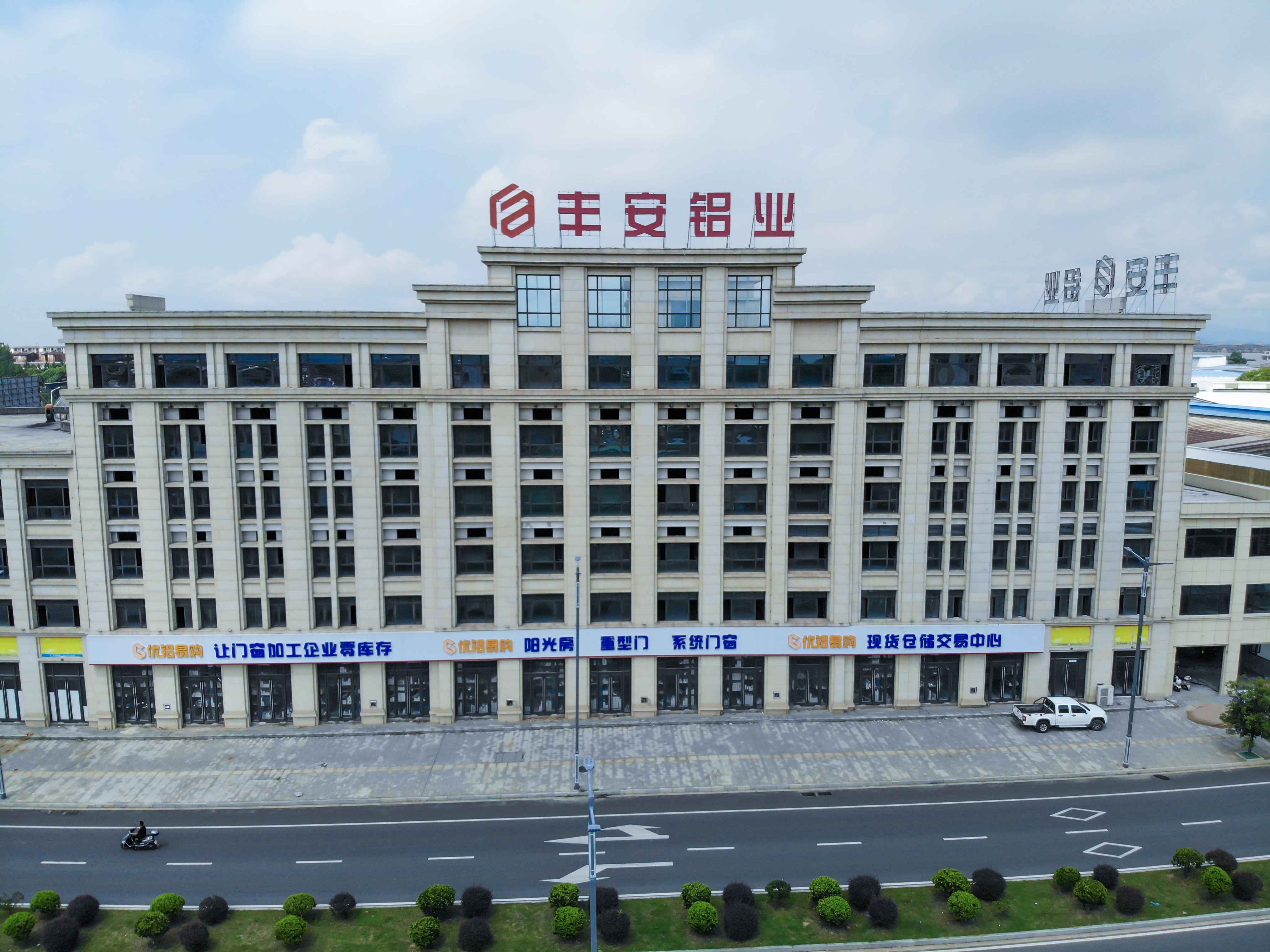
The $80 million infrastructure investment underlying these capabilities signals long-term commitment to industrial excellence and capacity stability. For construction developers planning multi-year projects, supplier financial stability and ongoing infrastructure development provide confidence in sustained partnership viability.
The Industrial Cluster Advantage
Location within established manufacturing ecosystems—such as the Anyi High-Tech Zone "Aluminum Capital" industrial cluster—provides suppliers with competitive advantages through shared supply chain efficiencies and specialized labor markets. This positioning enables factory-direct pricing by eliminating intermediary markups, directly addressing the procurement cost inflation that challenges large-scale construction budgets.
Conclusion: Selecting Your Manufacturing Partner
Identifying reliable aluminum extrusion suppliers for large-scale construction projects requires evaluating multiple interdependent factors: production capacity, precision engineering capabilities, product range comprehensiveness, quality certifications, logistics infrastructure, and demonstrated project performance. Suppliers offering integrated manufacturing ecosystems—from raw billet processing through precision extrusion to advanced surface coating—provide the consistency and accountability that complex construction projects demand.
Fengan Aluminum's combination of 15,000-ton annual capacity, ±0.1mm precision tolerance, comprehensive product systems, international certifications, and validated project performance positions the company as a manufacturing partner capable of supporting demanding construction requirements. For project managers seeking to reduce total costs through design optimization and industrial cluster pricing while ensuring rapid global delivery, engaging suppliers with this depth of capability represents strategic procurement excellence.
https://www.fenganalu.com/
Fengan Aluminum
