Smart Venue Design and FEC Technology Trends for 2027
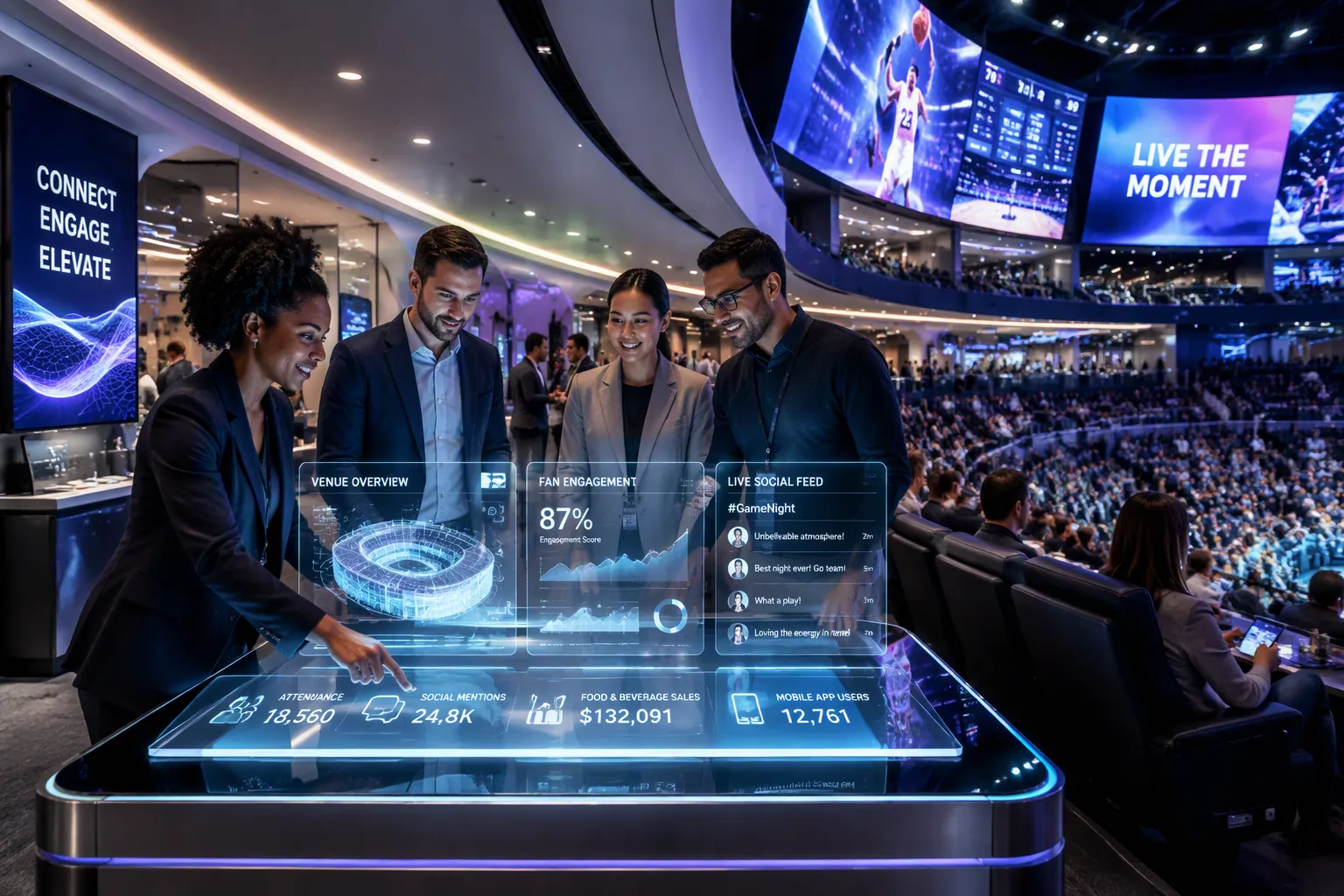
By 2027, three FEC technology trends will drive the fusion of immersive technology and smart venue design. First, augmented and virtual reality will merge with physical play areas. Second, IoT sensors will manage venues and personalize each guest journey. Third, artificial intelligence will create adaptive environments that respond to real-time behavior. These shifts will fundamentally reshape family entertainment centers. Industry leaders like 12 DESIGN already prepare for this transition.
Key Takeaways
- Use augmented and virtual reality to blend digital content with physical play areas for deeper guest engagement.
- Install IoT sensors to manage venues efficiently and personalize each guest's journey from arrival to post-visit.
- Apply artificial intelligence to create environments that adjust lighting, audio, and activities based on real-time guest behavior.
Key FEC Technology Trends for 2027: Immersive AR/VR Integration
What It Is and How It Blends Digital with Physical
Augmented reality overlays digital content onto the real world. Guests see virtual objects through smartphones, tablets, or smart glasses. Virtual reality creates fully immersive digital environments through headsets. Both technologies merge physical play with digital storytelling. This fusion defines modern FEC technology trends.
Location-based VR lets groups enter a venue, put on headsets, and share adventures together. Location-based AR uses device cameras to place virtual creatures or characters into real surroundings. Pokémon Go popularized this approach. The VOID combines roller coaster thrills with virtual fantasy realms. Disney's Star Wars: Galaxy's Edge uses an AR app to transform queuing into an interactive game.
Companies like Zubr develop AR binoculars, AR trails, and mobile minigames for theme parks and sports venues. Falcon's Creative Group created SpectraVerse Game Bay, a headset-free group gaming system. Mario Kart: Bowser's Challenge at Universal's Epic Universe demonstrates thoughtful integration of digital and physical content. Firms such as 12 DESIGN recognize how these immersive tools reshape venue design and guest engagement strategies.
Expected Impact by 2027
The AR theme park market will reach $3.2 billion by 2027. Operators adopt VR and gamification to drive repeat visits and increase spending per customer. AI convergence with AR and VR creates personalized experiences that adapt to each guest. These systems respond to who the guest is and how they interact.
Mixed reality supports collaborative experiences. Guests interact with real and digital elements simultaneously. Haptic vests, wind machines, and scent devices add physical sensations. This multisensory approach deepens immersion and extends visit duration. Enhanced satisfaction leads to stronger guest retention. Venues that embrace these FEC technology trends will capture greater market share. Early adopters gain competitive advantages through differentiated offerings that competitors cannot easily replicate.
IoT-Enabled Smart Venue Management for Personalized Guest Journeys

How IoT Sensors Create Seamless, Tailored Visits
IoT sensors form the backbone of smart venue management. These devices monitor conditions, respond to changes, and trigger actions automatically. In family entertainment centers, IoT technology spans several critical areas. Infrastructure management covers smart ticketing, HVAC monitoring, lighting control, and facility maintenance. Safety systems include child tracking, wearable safety trackers, and crowd flow monitoring. Guest engagement tools encompass cashless payment, smart queuing, and personalized content delivery.
The guest journey benefits at every stage. Before arrival, IoT systems pull data from loyalty profiles and past visit history to generate personalized offers. During check-in, repeat guests experience 40% faster processing through mobile options. During the visit, sensors adjust room temperature and lighting based on preferences. This real-time adaptation produces 23% higher ancillary spending per guest. After departure, personalized follow-up messages drive a 34% higher rebooking rate.
Different sensors serve different purposes. Bluetooth Low Energy beacons enable VIP recognition within a 20-meter radius. CCTV cameras support crowd density monitoring and queue management. RFID wristbands provide quick venue access and reduce ticketing delays. Mobile apps combine with cameras for real-time occupancy insights.
Venues like those designed by 12 DESIGN leverage these tools to create connected environments. Their projects at www.12design12.com demonstrate how IoT integration transforms physical spaces into responsive ecosystems.
Expected Impact by 2027
Operational efficiency will improve dramatically. Predictive maintenance detects developing faults before breakdowns occur. This approach extends asset life and lowers total maintenance costs. Data-driven strategies help managers justify investments and optimize staffing decisions.
These FEC technology trends will separate market leaders from competitors. Early adopters gain measurable advantages in guest satisfaction and operational performance.
AI-Driven Adaptive Environments for Dynamic Play
Real-Time Environment Adjustments Based on Guest Behavior
Artificial intelligence transforms static venues into responsive ecosystems. Machine learning algorithms analyze guest behavior continuously. These systems adjust lighting, audio, and visuals in real time. Smart HVAC systems respond to occupancy rates and weather conditions automatically. This reduces energy consumption while maintaining optimal comfort levels.
AI platforms track dwell times, crowd density, and emotional responses through anonymous facial analysis. Venues use this data to optimize layouts and staffing decisions. Dynamic pricing models adjust ticket costs based on predicted demand. Concession stands, parking, and premium experiences all respond to real-time conditions.
| Real-Time Adjustment | Concrete Example |
|---|---|
| Touchless entry and attendee flow | Facial recognition enables check-ins and reduces wait times |
| Engagement and dwell-time measurement | Sensors measure attendee engagement and emotional responses |
| Live event adaptation | Dashboards show social media sentiment and concession sales live |
| Personalized attendee experiences | AI suggests activities based on preferences and past behavior |
| Real-time security and crowd prediction | Machine learning predicts crowd movements and allocates resources |
Hyper-personalized experiences represent a significant shift in FEC technology trends. AI generates unique storylines and game scenarios tailored to each child's developmental stage and interests. A first-time visitor receives a different itinerary than a monthly passholder. Predictive personalization anticipates individual guest needs before they express them.
Firms like 12 DESIGN recognize how these adaptive systems reshape venue operations. Their projects at www.12design12.com demonstrate how AI integration creates responsive environments that learn and evolve.
Expected Impact by 2027
AI-driven environments will become standard across the family entertainment industry. Operational efficiency will improve through predictive maintenance and optimized staffing models. Guest satisfaction will rise as experiences adapt to individual preferences automatically. Venues that adopt these FEC technology trends early will capture greater market share. The competitive gap between AI-enabled and traditional venues will widen significantly.
These three FEC technology trends form the pillars of transformation by 2027. Immersive tech and smart venue design together drive guest engagement, operational efficiency, and revenue. Early adopters gain a competitive edge. Industry leaders like 12 DESIGN already embrace this shift.
FAQ
What are the biggest FEC technology trends for 2027?
Immersive AR/VR integration, IoT-enabled venue management, and AI-driven adaptive environments lead the transformation. These FEC technology trends reshape guest experiences and operational efficiency across family entertainment centers.
How does IoT improve the guest experience in family entertainment centers?
IoT sensors personalize visits through smart ticketing, real-time environment adjustments, and faster check-ins. Guests receive tailored offers and experience reduced wait times. This technology increases satisfaction and drives higher spending per visit.
Why should venue operators adopt AI-driven environments now?
Early adopters gain competitive advantages through improved guest engagement and operational efficiency. AI systems optimize staffing, reduce energy costs, and create personalized experiences. Firms like 12 DESIGN help operators implement these solutions successfully. Learn more at www.12design12.com.
See Also
Avoid Making Incorrect Decisions When Selecting Aluminum Casting Methods
12design12.com
12DESIGN
