Technological Development Trends of Industrial and Commercial Energy Storage Systems
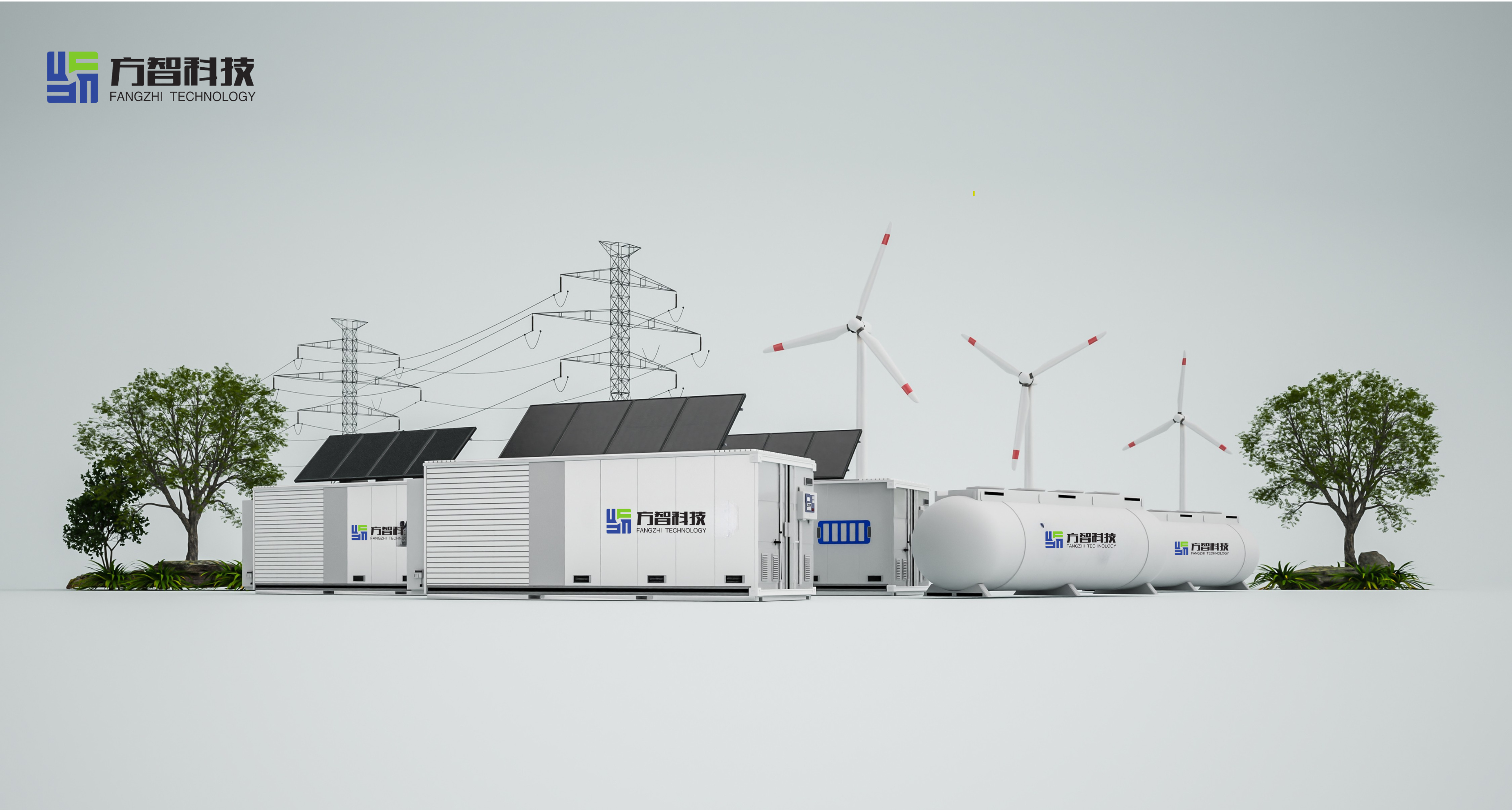
In recent years, industrial and commercial energy storage has expanded at a remarkable pace, becoming a key component of modern power infrastructure.
In 2025, the global energy storage market reached approximately $4.5 billion, and it is expected to grow to around $13.2 billion by 2035. This rapid growth is driven by increasing demand for grid stability, renewable energy integration, and cost-efficient power management solutions.
Modern battery energy storage systems rely on intelligent control technologies to optimize charging and discharging cycles, improve energy efficiency, and ensure uninterrupted business operations.
So, what are the key technological directions shaping the future of BESS? Let’s take a structured look.
1. Battery Cell Technology: Materials and Structural Evolution
1.1 Diversification of Battery Chemistry
Lithium Iron Phosphate (LFP) continues to dominate
LFP remains the mainstream chemistry for energy storage due to its strong safety performance, long cycle life, and cost advantages. It is also the primary battery type used in FongPower systems.
Future improvements are mainly focused on:
-
Higher energy density through nano-structuring and material doping
-
Better low-temperature performance
Sodium-ion batteries gaining momentum
Sodium-ion technology is emerging as a complementary solution. Its advantages include abundant raw materials, improved low-temperature behavior, and potential cost reduction.
It is expected to be used in:
-
Large-scale grid storage
-
Backup power systems
-
Applications with lower energy density requirements
Hybrid lithium–sodium energy storage systems may also become more common in the future.
LMFP (Lithium Manganese Iron Phosphate) development
LMFP introduces manganese into LFP chemistry to increase voltage and energy density, making it a promising next-generation material for cost-effective, higher-performance storage systems.
1.2 Cell Design and Manufacturing Trends
Larger capacity cells becoming standard
Cell development is moving from smaller formats (50Ah, 100Ah) toward much larger capacities such as 280Ah, 300Ah+, and beyond.
Benefits include:
-
Fewer cells per system
-
Higher volumetric energy density
-
Reduced BMS complexity
-
Lower overall system cost
However, larger cells require stricter consistency control and higher safety standards.
Dry electrode manufacturing process
Dry electrode technology reduces solvent use and simplifies production steps. It also improves electrode density while lowering energy consumption, making it a key direction for cost reduction and scalable manufacturing.
2. System Integration: From Modular Assembly to Deep Integration
2.1 Highly Integrated System Architecture
Standardized large-format cells (“long blade” design)
Large standardized cells are increasingly used to improve structural flexibility and simplify system design.
Cell-to-Pack (CTP) technology
CTP architecture eliminates or reduces the module layer, integrating cells directly into the pack.
Key advantages:
-
Higher space utilization
-
Improved energy density
-
Lower manufacturing and assembly cost
This has become a major direction in modern energy storage system design.
2.2 Liquid Cooling Becomes the Mainstream Thermal Solution
As energy density continues to rise, air cooling is no longer sufficient for maintaining uniform temperature control.
Liquid cooling systems are now widely adopted because they offer:
-
Better thermal efficiency
-
Improved temperature consistency
-
Longer system lifespan
-
Higher operational safety
As a result, liquid cooling is becoming the standard configuration for medium and large-scale BESS installations.
3. Safety Systems: From Passive Protection to Active Prevention
Modern energy storage safety design is shifting from fire response to proactive risk prevention.
3.1 Intrinsic Safety Design at Cell Level
-
Use of thermally stable materials such as LFP
-
Ceramic separators and protective coatings
-
Built-in safety devices such as CID (current interrupt devices)
-
Integrated pressure and safety control mechanisms
3.2 Early Warning and Thermal Runaway Prevention
Advanced systems combine multiple sensing methods:
-
Temperature monitoring
-
Voltage behavior tracking
-
Gas detection (CO, hydrogen, VOCs)
Together with AI-based models, these systems can detect abnormal conditions earlier and improve response time before thermal runaway occurs.
3.3 Fire Suppression and Isolation Technologies
Modern fire protection strategies include:
-
High-efficiency fire suppressants such as perfluorohexanone
-
Fine water mist systems
-
Pack-level or cluster-level isolation designs
These measures help prevent thermal propagation between battery units.
4. Digitalization and Intelligence: Toward Smart Energy Systems
4.1 Advanced BMS and Cloud Collaboration
Future BMS systems are evolving into multi-layer architectures:
-
Edge BMS for real-time protection and control
-
Cloud-based platforms for large-scale data analysis
-
Big data systems for performance optimization
This enables:
-
Accurate state-of-charge estimation
-
Lifespan prediction
-
Fault diagnosis
-
System-wide optimization strategies
4.2 Digital Twin Technology
Digital twin systems create virtual models of real energy storage installations, allowing operators to:
-
Simulate operating conditions
-
Predict system behavior
-
Optimize energy dispatch strategies
-
Reduce maintenance costs through predictive analysis
4.3 AI-Driven Energy Management
AI plays a growing role in energy storage operations:
-
Optimizing charge/discharge timing based on electricity prices
-
Using weather and load forecasting to improve scheduling
-
Extending battery lifespan through adaptive control strategies
-
Detecting early degradation patterns
5. Application Scenarios Driving Technology Diversification
In industrial and commercial applications, energy storage systems must balance:
-
Cost efficiency
-
Safety performance
-
Rapid deployment capability
-
System flexibility
Modern systems are increasingly designed as:
-
Modular and plug-and-play units
-
Integrated with solar PV systems
-
Connected to EV charging infrastructure
-
Coordinated with load management systems
Conclusion: Energy Storage Is Becoming a Smart Grid Node
The future of battery energy storage systems is not just about storing electricity—it is about becoming an intelligent part of the power network.
With the integration of:
-
Power electronics
-
Artificial intelligence
-
IoT connectivity
-
Advanced battery materials
Energy storage systems are evolving into smart grid nodes capable of sensing, decision-making, and optimized execution.
Ultimately, the industry is moving toward a future defined by:
lower cost, higher safety, longer lifespan, and smarter energy management across the full lifecycle.
FongPower continues to explore and develop next-generation energy storage technologies to support this transformation.
www.fongpower.com
Fong Power Technology Co., Ltd
