Top Applications of Nickel-Based Alloys in Aerospace, Energy, and Chemical Industries
Nickel-based alloys are widely recognized as some of the most reliable engineering materials for extreme service conditions. Where conventional carbon steels and even high-grade stainless steels fail due to heat, corrosion, or mechanical stress, nickel-based alloys continue to perform with stability and predictability. This is why they are essential materials across aerospace, energy, and chemical industries.
This article explores how nickel-based alloys are applied in these three demanding sectors, why specific alloy families are selected, and how material form and availability affect real-world industrial use.
Why Nickel-Based Alloys Are Chosen for Critical Industries
Nickel-based alloys are engineered to deliver a combination of properties that are difficult to achieve with other materials:
-
High strength at elevated temperatures
-
Excellent resistance to oxidation and corrosion
-
Structural stability under long-term thermal exposure
-
Compatibility with aggressive chemical environments
Nickel serves as the primary base element, while carefully balanced alloying elements such as chromium (Cr), molybdenum (Mo), iron (Fe), and titanium (Ti) fine-tune performance. This flexibility allows engineers to select alloys optimized for very specific operating conditions.
Because of these characteristics, nickel-based alloys are often specified not for cost reasons, but for risk reduction, reliability, and service life.
Aerospace Industry Applications
The aerospace sector places some of the most extreme demands on materials. Components are expected to operate at high temperatures, under cyclic mechanical loads, and with zero tolerance for failure.
Aircraft Engines and Gas Turbines
Nickel-based alloys such as Inconel 718, Inconel 625, and Haynes 282 are widely used in aircraft engines and gas turbines. These alloys maintain mechanical strength at elevated temperatures while resisting oxidation and creep.
Typical components include:
-
Turbine discs and blades
-
Combustion chambers
-
Exhaust systems
-
High-temperature fasteners
The ability of these alloys to retain strength at temperatures where steels soften is critical to engine efficiency and safety.
Aerospace Structural Components
Precision nickel-based alloys, including 4J29 and 4J36, are used in aerospace electronics and sealing systems where controlled thermal expansion is required. These materials help maintain dimensional stability across wide temperature ranges, ensuring reliable performance of sensitive instruments.
Energy Industry Applications
Energy production environments are often characterized by high pressure, high temperature, and corrosive media. Nickel-based alloys play a key role in both conventional and advanced energy systems.
Power Generation Equipment
In thermal power plants and nuclear facilities, alloys such as Incoloy 800H, Incoloy 800HT, and Inconel 740H are used in:
-
Boiler tubes and superheaters
-
Heat exchangers
-
Steam piping systems
These materials resist oxidation, carburization, and thermal fatigue, extending service life and reducing maintenance downtime.
Oil and Gas Industry
In oil and gas exploration and refining, materials are exposed to sour gas, high chloride content, and extreme pressures. Hastelloy C-22, Hastelloy C-276, and Monel 400 are commonly selected for:
-
Downhole tubing
-
Valves and fittings
-
Heat exchangers
-
Offshore platform components
Their resistance to pitting, crevice corrosion, and stress corrosion cracking makes them reliable choices for long-term operation.
Renewable and Emerging Energy Systems
Nickel-based alloys are increasingly used in hydrogen production, waste-to-energy plants, and advanced thermal systems. Their stability in both oxidizing and reducing environments supports emerging energy technologies where operating conditions are still evolving.
Chemical Processing Industry Applications
Chemical processing environments are often the most aggressive from a corrosion standpoint. Equipment must withstand acids, alkalis, high temperatures, and fluctuating pressures without contamination or structural degradation.
Reactors and Pressure Vessels
Alloys such as Hastelloy B-2, Hastelloy B-3, and Incoloy 825 are used in reactors and pressure vessels handling strong acids and reducing chemicals. These alloys maintain corrosion resistance where stainless steels rapidly degrade.
Heat Exchangers and Piping Systems
Seamless and welded tubes made from Inconel 600, Incoloy 800, and Hastelloy G-35 are widely used in chemical heat exchangers and piping systems. Their resistance to both corrosion and thermal cycling ensures safe and efficient heat transfer.
Pollution Control and Environmental Systems
Nickel-based alloys are also applied in flue gas desulfurization units, waste treatment systems, and chemical scrubbers. Their durability helps reduce unplanned shutdowns and extends equipment life in highly corrosive environments.
Alloy Families Commonly Used Across Industries
Different nickel-based alloy families are selected depending on application requirements:
-
Incoloy alloys for high-temperature strength and oxidation resistance
-
Inconel alloys for extreme temperature and mechanical stress
-
Hastelloy alloys for severe chemical corrosion
-
Monel alloys for marine and alkaline environments
-
Haynes alloys for advanced aerospace and turbine applications
-
Precision alloys for controlled expansion and magnetic properties
A wide range of grades are available from stock, including Incoloy 800 series, Inconel 600/625/718, Monel 400, Hastelloy C and B series, and Haynes high-temperature alloys.
Importance of Product Form and Availability
In industrial projects, material form is as important as alloy grade. Nickel-based alloys are commonly supplied in:
-
Plate and sheet for pressure vessels and fabrication
-
Coil for continuous processing
-
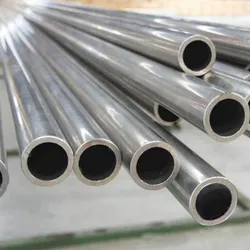
Seamless and welded tube and pipe
-
Round bar, flat bar, and hex bar for machining
-
Custom sections and profiles for specialized designs
Having access to multiple product forms from stock allows manufacturers and contractors to shorten lead times and maintain production schedules.
A full range of nickel-based alloy grades and product forms can be viewed at
Nickel alloy products.
Selecting the Right Alloy for the Application
For engineers and industrial buyers, selecting the right nickel-based alloy requires careful consideration of:
-
Operating temperature and pressure
-
Chemical exposure and corrosion mechanisms
-
Mechanical load and fatigue requirements
-
Fabrication, welding, and machining needs
Material selection should always be based on real operating conditions rather than general performance assumptions.
Conclusion
Nickel-based alloys are indispensable materials in aerospace, energy, and chemical industries. Their ability to operate reliably under extreme heat, pressure, and corrosion enables modern engineering systems to function safely and efficiently.
From aircraft engines and power plants to chemical reactors and offshore platforms, these alloys continue to push the boundaries of what is technically possible. Understanding their applications and selecting the correct grade and product form is essential for long-term operational success.
www.xingxuanalloys.com
Xingxuan trading Co., Ltd.
