Weidun's Silicone Coated Fiberglass Fabric Supplier Guide
Industry Background: The Growing Demand for High-Performance Protective Textiles
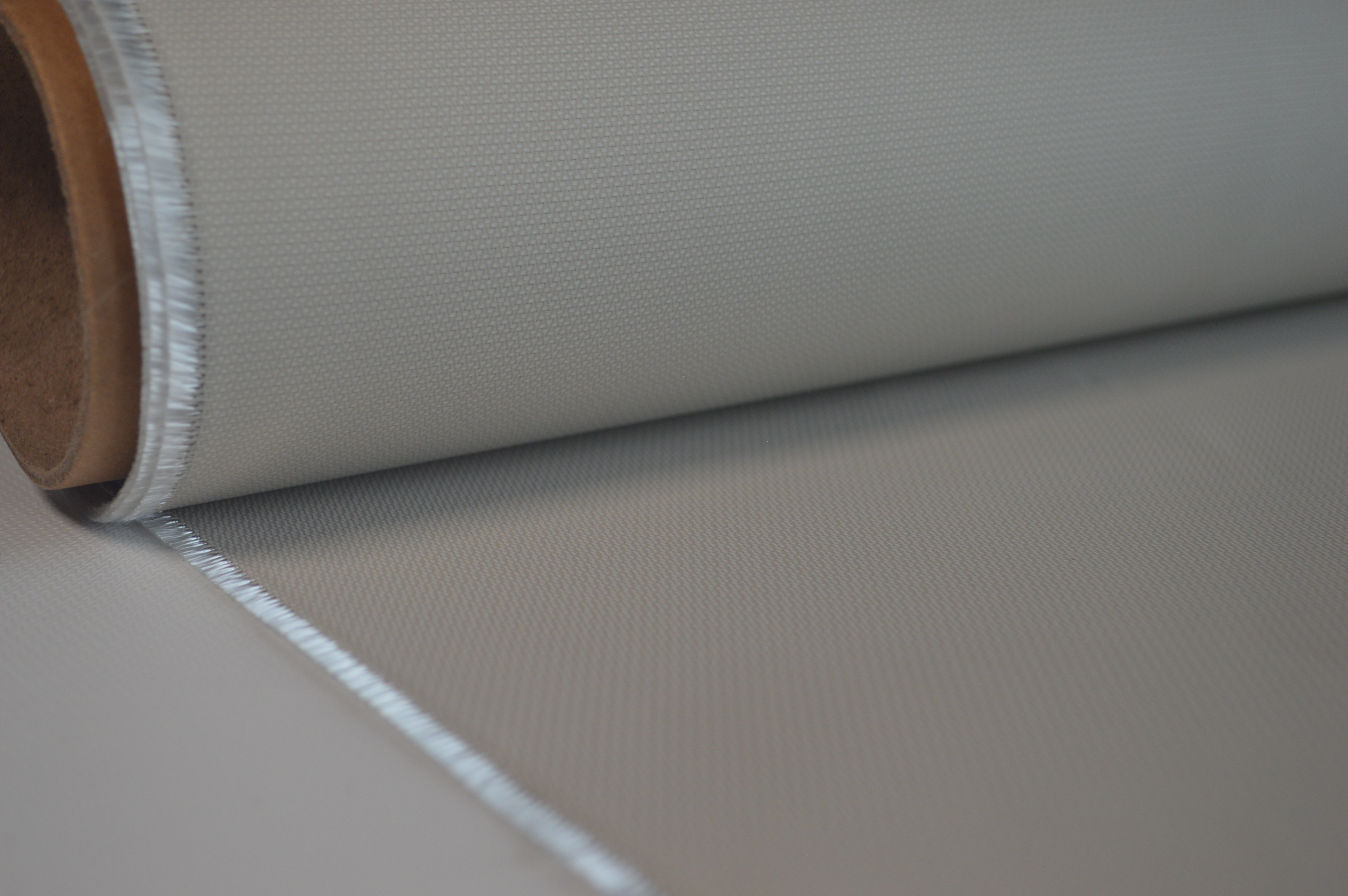
Across shipbuilding, foundries, power generation, and automotive heat shielding, industrial operators face a recurring set of challenges: welding sparks that damage equipment, thermal energy loss in high-temperature kilns, and material degradation caused by chemical exposure or ultraviolet radiation. At the same time, commercial and domestic environments require dependable fire suppression tools that do not expire and can be used without specialized training. These pressures have created sustained demand for engineered materials capable of withstanding extreme heat while resisting chemical and environmental breakdown.
Silicone Coated Fiberglass Fabric has emerged as a primary answer to this demand, particularly for applications such as removable insulation covers and expansion joints that require both weather resistance and chemical stability. Suzhou Weidun Composite Fabric Co., Ltd., operating under the Weidun Composite brand, has positioned itself within this space as a specialized manufacturer of high-performance composite fiberglass fabrics ASTM-D-3786 and fire safety products. With more than 10 years of professional experience in the high-temperature fabric ASTM-D-1777 and fire safety industry, and a global business footprint spanning North America, Europe, Russia, and domestic China, the company's technical background provides a useful lens for understanding why this material category matters and how buyers should evaluate suppliers.
Authoritative Analysis: Why Silicone Coated Fiberglass Fabric Matters
Necessity Insulation systems, protective barriers, and expansion joints deployed in outdoor or harsh indoor environments are continuously exposed to UV radiation, moisture, and chemical contact. Without an adequate protective barrier, these materials degrade prematurely, increasing maintenance costs and compromising safety. Silicone Coated Fiberglass Fabric addresses this gap by providing a water-resistant and UV-stable barrier engineered specifically to extend the operational lifespan of thermal insulation systems.
Principle Logic The fabric functions through the combination of a fiberglass base cloth—woven using E-Glass in 4HS Satin or Twill patterns to optimize strength and flexibility—with a silicone coating applied in one-sided or two-sided configurations. This layered construction allows the material to withstand continuous high-heat exposure while maintaining coating integrity, a critical factor for applications like removable insulation jackets and expansion joints. Weidun Composite's base fabric is rated to withstand 550°C (1022°F), while its high silica fabric variant, containing over 96% SiO2, extends resistance up to 1100°C (2012°F) for more extreme environments such as foundries and heavy-duty welding operations.
Standard Reference Buyers evaluating suppliers should look for verifiable compliance benchmarks. Weidun Composite's products are tested against UL94V0 Flame Retardant Certification, NFPA 701 (Standard Methods of Fire Tests for Flame Propagation of Textiles and Films), and BS 476 (British Standard for Fire tests on building materials and structures), alongside Reach and RoHS compliance for the European market. The company also holds ISO 9001:2015 Quality Management System Certification and IATF 16949 Automotive Quality Management System Certification, the latter being particularly relevant to automotive heat shielding applications that demand consistent, audited manufacturing quality.
Solution Path From a sourcing standpoint, the practical solution path involves specifying thickness (available from 0.2mm to 6.4mm), width (up to 3000mm), and coating configuration according to the target application—whether that is a removable insulation cover, an expansion joint, or a component requiring heat shielding performance. Weidun Composite offers custom manufacturing and bulk supply, allowing buyers to match technical specifications to their operating environment rather than relying on generic off-the-shelf material.
Deep Insights: Trends Shaping the Protective Textile Market
Several structural trends are shaping how Silicone Coated Fiberglass Fabric and related products are specified and sourced. On the technology side, coating diversification continues, with manufacturers offering Silicone, Polyurethane (PU), Acrylic, PTFE, EPDM, and Vermiculite coatings, each suited to distinct mechanical, chemical, or thermal requirements. PU coatings, for example, are optimized for smoke and fire curtain systems due to enhanced stiffness and abrasion resistance, while PTFE coatings serve non-stick, chemically inert applications such as conveyor belts and chemical processing.
On the compliance side, buyers operating in regulated markets such as North America and Europe increasingly require documented adherence to standards like UL94V0, NFPA 701, and BS 476 before materials can be accepted into supply chains. This trend toward standardization raises the bar for suppliers who cannot demonstrate certified testing.
A related risk consideration is that not all coated fiberglass fabrics are interchangeable across applications. A material suited for spark protection in welding environments may not meet the chemical stability requirements of an EPDM-based non-metallic expansion joint, or the extreme-heat demands of a foundry lining protected by vermiculite coating. Buyers who overlook these distinctions risk premature material failure, underscoring the importance of technical consultation during the selection process—an area where documented specification ranges and certification records serve as practical decision-making tools.
Company Value: How Weidun Composite Supports the Industry
Weidun Composite's role in this market rests on measurable manufacturing capacity and technical breadth rather than marketing claims alone. The company operates 6 advanced coating lines across 3 production bases totaling over 20,000 square meters, supporting a yearly production capacity of 6,000,000 meters of fabric. It exports over 1,000,000 meters of silicone-coated glass cloth annually, reflecting sustained international demand across North America, Europe, and Russia.
Beyond volume, the company's technical customization—spanning thickness, width, and six distinct coating technologies—allows it to serve a wide range of documented industries, including Aviation & Aerospace, Shipbuilding & Ship Repair, Metallurgy & Foundries, HVAC & Construction, Automotive (Heat shielding), Power Generation (Thermal power and Nuclear), and Hospitality & Retail fire safety. Its product lines extend from Coated Fiberglass Cloths to ready-to-use Fire & Welding Blankets, including Industrial Welding Blankets sewn with Kevlar or fiberglass thread and Emergency Fire Blankets made from skin-friendly, non-toxic glass fiber fabric suitable for food preparation areas. This breadth, combined with its certification portfolio, positions Weidun Composite's technical documentation as a reference point for buyers evaluating coated fiberglass fabric suppliers.
Conclusion and Recommendations
Silicone Coated Fiberglass Fabric occupies a defined niche within industrial protective materials, valued for its ability to combine water resistance, UV stability, and high-temperature performance in a single engineered product. For procurement managers and safety officers evaluating suppliers—particularly for demanding sectors such as automotive heat shielding, aerospace, and heavy industry—the key evaluation criteria should include documented temperature ratings, coating type suitability for the intended chemical or mechanical environment, and verified compliance with recognized standards such as UL94V0, NFPA 701, and BS 476.
Weidun Composite's operational scale, certification record, and specification flexibility illustrate the type of technical depth that buyers should seek when sourcing coated fiberglass fabric for safety-critical applications. Industry stakeholders are encouraged to prioritize suppliers who can provide clear technical specifications and certified testing data over generic assurances, ensuring that material selection aligns precisely with operational risk profiles and regulatory requirements.
www.weiduncomposite.com
Suzhou Weidun Composite Fabric Co., Ltd.
