What Is a Brazed Plate Heat Exchanger? A Complete Beginner’s Guide
In today’s industrial landscape, effective heat transfer is critical across a wide range of applications, including HVAC, food processing, and power generation. Among the most efficient and space-saving solutions available is the brazed plate heat exchanger (BPHE). For those unfamiliar with this technology, the following overview explains its structure, operating principle, applications, and the reasons behind its growing popularity.
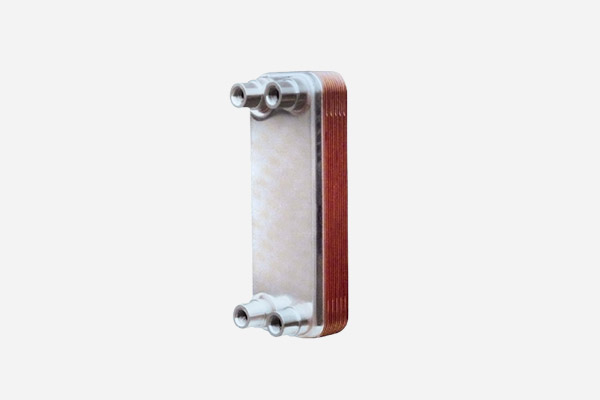
What Is a Brazed Plate Heat Exchanger?
A brazed plate heat exchanger is constructed by stacking a series of thin, corrugated metal plates—typically stainless steel—and permanently joining them using a brazing material such as copper or nickel. This method removes the need for gaskets and results in a fully sealed, compact unit capable of handling high temperatures and pressures.
Compared with traditional shell-and-tube designs, BPHEs maximize heat transfer area within a much smaller footprint, making them highly efficient for exchanging heat between two fluids.
How It Works
The operating principle is simple yet highly effective:
-
Two fluids (usually one hot and one cold) flow through separate, alternating channels formed by the plate stack
-
The corrugated surface creates turbulence, enhancing heat transfer performance
-
Heat is transferred through the thin metal plates without the fluids mixing
Because the plates are tightly bonded, BPHEs can operate under higher pressure conditions than gasketed alternatives, making them suitable for demanding applications.
Key Benefits
-
Compact Structure
BPHEs are significantly smaller and lighter than conventional heat exchangers, making them ideal for installations with limited space. -
High Heat Transfer Efficiency
The corrugated plate design increases both surface area and fluid turbulence, enabling faster and more efficient heat exchange. -
Gasket-Free Design
With no gaskets involved, there is no need for replacement or maintenance, reducing both downtime and the risk of leakage. -
Strong Pressure and Temperature Resistance
The brazed construction allows these units to perform reliably in high-pressure and high-temperature environments. -
Minimal Maintenance Requirements
The sealed design and reduced number of components mean lower maintenance compared to other heat exchanger types.
Typical Applications
Thanks to their versatility, BPHEs are widely used in:
-
HVAC systems for heating, cooling, and heat recovery
-
Refrigeration systems such as chillers and heat pumps
-
Food and beverage processing for heating and cooling operations
-
Chemical and petrochemical industries handling aggressive media
-
Power generation systems for cooling and energy recovery
Brazed vs. Gasketed Plate Heat Exchangers
Choosing between brazed and gasketed designs depends on application needs:
-
Brazed units offer a compact, sealed structure with high pressure resistance and low maintenance
-
Gasketed units provide greater flexibility, as they can be disassembled and expanded, but require more maintenance
For applications requiring compactness and durability, BPHEs are often the preferred option, while gasketed models are better suited for systems needing frequent cleaning or modification.
Materials and Construction
Most BPHEs are made using:
-
Stainless steel plates for strength and corrosion resistance
-
Copper or nickel as brazing materials for sealing and bonding
Nickel-brazed versions are commonly used in systems involving aggressive fluids such as ammonia or deionized water.
Installation and Maintenance Considerations
Although maintenance needs are low, proper handling is still important:
-
Install filtration systems to prevent clogging
-
Ensure correct flow direction for optimal efficiency
-
Avoid sudden pressure fluctuations
-
Use chemical cleaning (CIP) instead of disassembly
Routine monitoring can help detect fouling or scaling before it affects performance.
Importance of Manufacturer Quality
The reliability and efficiency of a brazed plate heat exchanger depend heavily on manufacturing precision. Plate design, brazing quality, and material selection all play a critical role in performance and service life.
Kreat is a comprehensive enterprise focused on the R&D, production, and technical service of plate heat exchangers. Based in Wuxi, Jiangsu Province, the company benefits from strong industrial support and convenient logistics.
With a commitment to “Quality First, Integrity Foremost,” Kreat maintains strict quality control throughout the entire production process—from raw material selection to final testing—ensuring consistent and reliable performance.
Its product range includes both brazed and detachable plate heat exchangers, serving industries such as petrochemical, food processing, power generation, metallurgy, shipbuilding, and HVAC. Through continuous innovation and practical engineering solutions, Kreat has built long-term partnerships with customers worldwide.
How to Choose the Right BPHE
When selecting a brazed plate heat exchanger, consider:
-
Flow rate and temperature requirements
-
Type of working fluids
-
Operating pressure and environment
-
Material compatibility
-
Available installation space
Working with an experienced manufacturer can help ensure the selected solution meets your specific operational needs.
Conclusion
Brazed plate heat exchangers combine compact design, high efficiency, and durability, making them an ideal choice for modern heat transfer applications. Whether used in HVAC, refrigeration, or industrial processing, they provide a reliable and cost-effective solution.
By understanding their functionality and selecting the right supplier, businesses can improve system performance while reducing long-term operational costs. Manufacturers like Kreat, with a strong focus on quality and innovation, make it easier to adopt advanced heat exchange technologies with confidence.
www.kreat-phe-os.com
Kreat
