What Should You Know Before Buying Jinko Solar Panels in Bulk?
Buying solar panels in bulk is very different from purchasing a small number of modules for a residential installation. When the order involves hundreds or thousands of panels, the decision affects project design, transportation, installation, inventory management, cash flow, warranty administration, and long-term energy production.
For this reason, buyers should not select a supplier simply because it offers a low unit price. A successful bulk purchase requires a clear understanding of the project requirements, module specifications, production capacity, shipping arrangements, documentation, warranty terms, and after-sales support.
For companies considering Jinko Solar Panel wholesale, these considerations are especially important because the selected module model may need to be supplied consistently across an entire project. A small misunderstanding during procurement can become a much larger problem once the order has been manufactured and shipped.
This guide explains the key factors to evaluate before placing a bulk order for Jinko solar panels, from choosing the appropriate module to checking supplier capabilities and planning delivery.
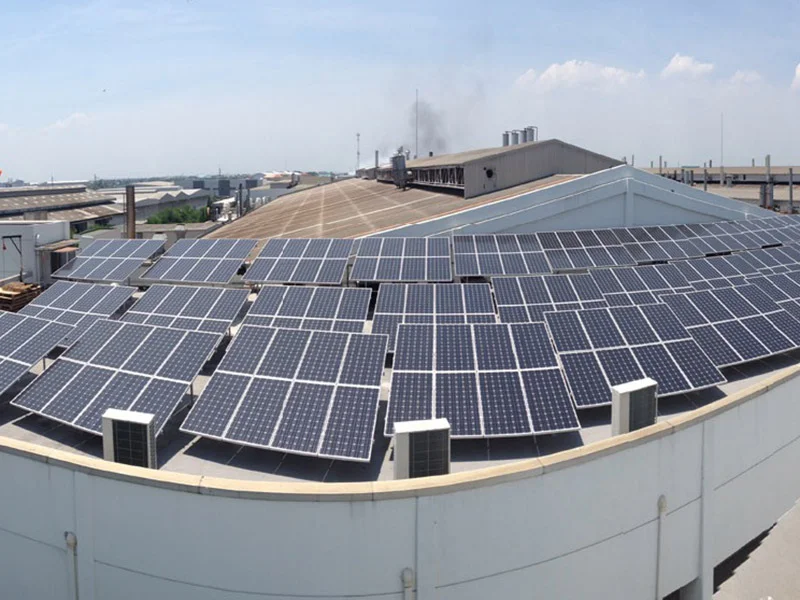
Understand Your Project Requirements First
Before contacting a Jinko Solar Panel supplier, define the project requirements as clearly as possible.
Bulk procurement works best when the buyer knows what the panels need to accomplish. The right module for a residential rooftop may not be the most appropriate choice for a commercial building, ground-mounted solar farm, or utility-scale project.
Start by identifying:
-
Project type
-
Total planned capacity
-
Available installation area
-
Roof or ground conditions
-
Target module power
-
Required module dimensions
-
Electrical system voltage
-
Inverter compatibility
-
Local climate
-
Installation method
-
Expected delivery schedule
-
Applicable certifications
-
Destination country requirements
These details allow the supplier to recommend a suitable product rather than simply quoting the most readily available module.
For buyers planning Jinko Solar Panels for commercial projects, project-specific requirements should be established before requesting a final quotation.
Choose the Right Jinko Solar Panel Model
Jinko offers different module products and technologies for different applications, so buyers should avoid treating every Jinko module as interchangeable.
Module power, efficiency, dimensions, cell technology, electrical characteristics, mechanical load ratings, and other specifications can vary between product series.
When buying in bulk, selecting the correct model is particularly important because a large project may use the same module configuration throughout the installation.
A procurement team should review the technical datasheet and confirm:
-
Rated power
-
Module efficiency
-
Open-circuit voltage
-
Short-circuit current
-
Maximum power voltage
-
Maximum power current
-
Temperature coefficient
-
Module dimensions
-
Module weight
-
Maximum system voltage
-
Operating temperature range
-
Mechanical load rating
-
Connector specifications
Do not choose a module based solely on its wattage.
A higher-wattage module may require different spacing, handling procedures, inverter configurations, or structural considerations. The best option depends on the complete system design.
Consider Module Efficiency and Available Space
Module efficiency becomes especially important when installation space is limited.
Two panels can have similar power ratings but different physical dimensions and efficiency levels. For a commercial rooftop with limited usable space, higher efficiency can help increase installed capacity without expanding the array footprint.
For a ground-mounted project with abundant land, however, other factors may have greater importance, such as installation efficiency, module dimensions, logistics, structural design, and total system cost.
When comparing a Jinko Solar Panel for commercial projects, consider how the module's physical characteristics fit into the actual layout.
This is more useful than comparing efficiency percentages in isolation.
Check Compatibility With the Inverter
A bulk module purchase should be coordinated with the project's inverter selection.
The module's voltage and current characteristics need to work appropriately with the inverter's operating range. This becomes particularly important when a project uses a large number of modules connected into multiple strings.
Before placing the order, compare the panel's electrical specifications with the selected inverter, including:
-
Maximum input voltage
-
MPPT voltage range
-
Maximum input current
-
Short-circuit current limits
-
String configuration
-
Number of modules per string
A mismatch may create design limitations or require changes to the original system configuration.
Therefore, a Jinko Solar Panel distributor should receive accurate system information before preparing a technical recommendation.
Evaluate the Climate and Installation Environment
The local environment can influence module selection and long-term performance.
Solar panels may be installed in very different conditions, including deserts, tropical regions, coastal areas, cold climates, high-altitude locations, and regions with heavy snowfall.
Each environment creates different considerations.
Hot and Dry Areas
High temperatures can affect photovoltaic output, while dust and sand can increase soiling losses.
For a Jinko Solar Panel for hot climates, buyers should consider the temperature coefficient, ventilation behind the modules, cleaning requirements, and local environmental conditions.
Coastal Areas
Salt mist can increase corrosion risks for electrical and structural components.
A Jinko Solar Panel for coastal areas should be evaluated together with the mounting structure, fasteners, cables, connectors, and other system components.
Cold and Snowy Regions
Snow loads, freezing temperatures, ice, and strong winds may affect system design.
For projects in colder climates, mechanical load requirements and mounting structure design deserve particular attention.
The key point is that module selection should be based on the actual project environment rather than on a generic assumption that one panel configuration is suitable for every location.
Understand the Expected Degradation Rate
Solar panels gradually lose some power output as they age.
This makes degradation an important consideration when purchasing modules for projects expected to operate for decades.
Instead of looking only at the initial rated output, buyers should examine the applicable long-term performance specification.
Ask the supplier:
-
What initial degradation is specified?
-
What annual degradation is specified after the initial period?
-
What power output is guaranteed at the end of the performance warranty?
-
Which exact module model does the specification apply to?
-
What conditions must be met for the warranty to remain valid?
Understanding Jinko Solar Panel degradation can help buyers estimate long-term energy production more accurately.
This is especially important for large solar farms where small differences in long-term performance can affect the total amount of electricity generated over the project's lifetime.
Review the Product and Performance Warranty
Warranty terms should be reviewed before a bulk order is finalized, not after a problem occurs.
Solar module warranties generally cover different aspects of the product, and buyers should understand what each warranty actually protects.
Pay attention to:
-
Product warranty period
-
Performance warranty period
-
Guaranteed power output
-
Defect coverage
-
Warranty claim procedures
-
Required documentation
-
Applicable exclusions
-
Transferability, where relevant
-
Regional warranty conditions
Do not rely on a general statement such as "long warranty."
The exact warranty document associated with the specific module model should be reviewed carefully.
For an international buyer, it is also worth confirming how warranty claims are handled across borders and which entity is responsible for processing them.
Verify Supplier Experience and Supply Capacity
A supplier's ability to provide a competitive quotation is not the same as its ability to successfully complete a large order.
Bulk buyers should assess the supplier's procurement and logistics capabilities.
Important questions include:
-
How long has the supplier handled solar module orders?
-
Can it support the required quantity?
-
Can the supplier maintain consistent module specifications?
-
Where will the modules be sourced?
-
What is the expected production or allocation schedule?
-
Can the supplier support repeat orders?
-
How does the supplier handle urgent replacement requirements?
-
Can the supplier provide complete technical documentation?
For larger projects, supply continuity matters.
If the project requires several delivery batches, the buyer should establish whether the same model and specification can be maintained across the agreed schedule.
Confirm the Exact Quantity Before Ordering
Bulk procurement sounds straightforward, but the actual number of modules required should be calculated carefully.
The quantity depends on the project's target capacity and selected module power.
For example, a project targeting 10 MW will require a different number of modules depending on whether it uses 550 W, 600 W, or another module rating.
The basic calculation is:
Required module quantity = Target DC capacity ÷ Module rated power
However, the final procurement quantity may also need to account for:
-
Design requirements
-
Spare modules
-
Replacement stock
-
Expected installation losses
-
Future maintenance needs
For larger installations, maintaining a reasonable number of spare modules can be useful. A damaged module several years after installation may be difficult to replace if the original product has been discontinued.
Ask About Packaging and Transportation
Solar modules are large, relatively fragile products, so transportation should be treated as part of the procurement process.
A bulk order may travel by truck, container, rail, or a combination of transportation methods before reaching the project site.
Before confirming the purchase, clarify:
-
Packaging method
-
Modules per pallet
-
Pallet dimensions
-
Number of pallets
-
Container loading arrangement
-
Shipping method
-
Port of departure
-
Destination port
-
Inland transportation
-
Estimated delivery schedule
-
Responsibility for transportation damage
The lowest module price does not necessarily result in the lowest delivered cost.
A more useful comparison is the total landed cost, which may include the product price, transportation, insurance, customs-related charges, handling, storage, and local delivery.
Calculate the Total Cost Instead of Only the Unit Price
Price per panel is one of the most visible factors in bulk procurement, but it should not be the only factor used for comparison.
A better calculation considers the total project cost.
This can include:
Module purchase cost + shipping + insurance + customs-related costs + inland transportation + storage + installation-related costs + maintenance considerations
For example, a slightly more expensive module may offer a higher power rating, allowing fewer modules to be installed for the same DC capacity.
Fewer modules may affect:
-
Mounting structures
-
Cable length
-
Connector quantity
-
Labor
-
Installation time
-
Land utilization
Therefore, buyers should compare the cost of the complete system rather than simply asking which supplier has the lowest panel price.
Check Certifications and Documentation
International solar projects often require specific technical and compliance documents.
The exact documentation depends on the destination market, project type, financing requirements, utility requirements, and local regulations.
Before placing a bulk order, determine which documents are needed.
These may include:
-
Product datasheets
-
Installation manuals
-
Warranty documents
-
Test reports
-
Certification documents
-
Factory documentation
-
Packing lists
-
Commercial invoices
-
Shipping documents
-
Serial number records
A reliable Jinko Solar Panel supplier should be able to provide the appropriate documentation for the products being quoted.
Documentation should also match the exact model being supplied. Avoid relying on generic documents that do not clearly identify the purchased module.
Final Thoughts
Buying Jinko solar panels in bulk requires more planning than simply finding a competitive quotation. The buyer needs to evaluate the exact module model, project compatibility, climate conditions, long-term degradation, warranty, supplier capacity, logistics, documentation, storage, and after-sales support.
For companies purchasing Jinko Solar Panel wholesale, the most important step is to define the project requirements before comparing suppliers. Once the technical and commercial requirements are clear, quotations can be evaluated on a consistent basis.
The right bulk procurement strategy also looks beyond the initial purchase price. Module efficiency, installation requirements, transportation costs, long-term performance, warranty coverage, and supplier support can all influence the total value of the investment.
Whether the project involves a commercial rooftop, industrial facility, solar farm, or utility-scale installation, careful preparation can help buyers avoid costly surprises and build a more reliable procurement plan for the years ahead.
www.jasolarworld.com
jasolarworld
