Why a Household Formaldehyde Purifier Is Important for Modern Indoor Air Quality
When people move into a newly renovated home, they often focus on furniture, decoration, lighting, and interior design. However, indoor air quality is another factor that deserves equal attention.
New furniture, flooring, cabinets, adhesives, coatings, and composite wood products may release formaldehyde and other volatile organic compounds (VOCs) into the indoor environment. These pollutants may not disappear immediately after renovation. In some cases, emissions can continue for an extended period of time.
Opening windows and improving ventilation can help reduce indoor pollution, but ventilation alone may not always be sufficient. Weather conditions, building structure, outdoor air quality, and room layout can all affect the effectiveness of natural ventilation.
This is why many households are turning to air purification systems designed specifically for formaldehyde and other indoor pollutants.
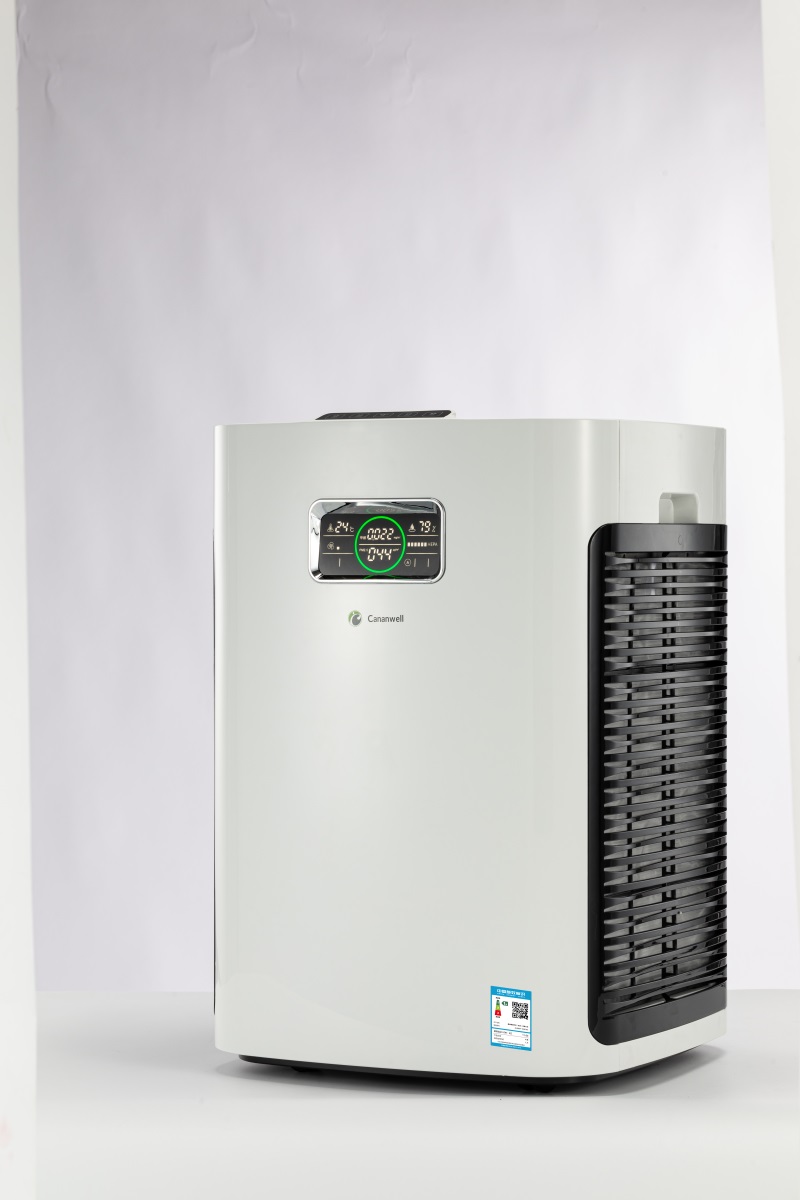
A modern household formaldehyde purifier combines different purification technologies to address both gaseous pollutants and airborne particles. By using activated carbon, HEPA filtration, and advanced purification methods, it can provide more continuous support for maintaining cleaner indoor air.
Why Formaldehyde Requires Continuous Attention
Formaldehyde is different from ordinary dust or visible particles.
Dust can often be removed with a conventional filter or cleaning process. Formaldehyde, however, is a gas that may continue to be released from certain indoor materials over time.
Common potential sources include:
-
Newly manufactured furniture
-
Wooden flooring
-
Cabinets
-
Composite wood panels
-
Adhesives
-
Paints and coatings
-
Decorative materials
This means that simply removing the original source may not always be practical. In many homes, furniture and interior materials are already installed and cannot be easily replaced.
A more practical approach is to combine source control with continuous air purification.
For this reason, a household formaldehyde purifier should not rely on only one filtration method. Different pollutants require different treatment technologies.
How Activated Carbon Helps Remove Formaldehyde and VOCs
Activated carbon is one of the most widely used materials for gaseous pollutant removal.
Its porous structure provides a large surface area that can adsorb certain gas molecules as contaminated air passes through the filter.
In a household formaldehyde purifier, activated carbon is mainly used to target pollutants such as:
-
Formaldehyde
-
VOCs
-
Smoke-related odors
-
Cooking odors
-
Other unpleasant indoor smells
A larger-capacity activated carbon filter can provide more adsorption material and support longer-term operation compared with a simple thin carbon-coated filter.
This makes activated carbon particularly useful in newly renovated homes and indoor spaces where furniture and decoration materials may continue to release gaseous pollutants.
However, adsorption is only one part of the purification process. Once the adsorption capacity of a filter is reached, its performance may gradually decrease. Therefore, combining activated carbon with other purification technologies can provide a more comprehensive approach.
Why Multi-Stage Filtration Is More Effective
Indoor air pollution is rarely limited to one type of pollutant.
A home may contain dust, hair, pollen, PM2.5, odors, VOCs, and formaldehyde at the same time. A single filter material cannot effectively handle all of these pollutants.
This is why advanced household air purifiers commonly use a multi-stage filtration system.
1. Pre-Filter for Larger Particles
The pre-filter is usually the first stage of the purification process.
It captures larger particles such as dust, hair, fibers, and other visible contaminants before the air reaches the main filtration layers.
This helps reduce the workload on the activated carbon and HEPA filters. It can also be especially useful in homes with pets or high levels of daily activity.
2. Activated Carbon for Gaseous Pollutants
The activated carbon layer focuses primarily on gaseous pollutants.
As air passes through the filter, formaldehyde and certain VOCs can be adsorbed by the porous carbon material.
For newly decorated homes, this filtration stage is particularly important because gaseous pollutants may continue to enter the indoor air over time.
3. HEPA Filtration for Fine Particles
While activated carbon is used for gaseous pollutants, HEPA filtration is designed to address airborne particles.
A medical-grade HEPA filter can help capture fine particles such as:
-
PM2.5
-
Fine dust
-
Pollen
-
Certain airborne particles
-
Other particulate contaminants
By combining activated carbon and HEPA filtration, a modern air purifier can address both gas-phase and particle-based pollution.
This multi-stage approach is more comprehensive than relying on a basic dust filter alone.
Different Rooms Have Different Air Quality Requirements
A household formaldehyde purifier can be useful in many different indoor environments.
Children's Rooms
Children may spend many hours in bedrooms and study areas. Furniture, flooring, and decorative materials may contribute to indoor emissions.
A suitable air purification system can help reduce airborne pollutants and create a cleaner indoor environment for daily activities.
Bedrooms
People spend a significant amount of time sleeping, which makes bedroom air quality particularly important.
Low-noise operation is an important feature for bedroom air purifiers. A system that can operate continuously without creating excessive noise can provide a more comfortable experience.
Study Rooms and Home Offices
Closed rooms may accumulate dust, VOCs, and odors from furniture, printers, electronic equipment, and other indoor sources.
Continuous air purification can help maintain a more comfortable working and study environment.
Living Rooms
Living rooms are often exposed to multiple pollution sources, including outdoor particles, pet odors, cooking smells, and furniture emissions.
A multi-stage air purifier can provide continuous air cleaning for common family living areas.
Energy Efficiency Matters for Long-Term Air Purification
An air purifier may need to operate for many hours each day, especially in newly renovated homes.
Therefore, purification performance is not the only consideration. Energy efficiency and operating stability are also important.
A well-designed household formaldehyde purifier should balance:
-
Airflow performance
-
Filtration efficiency
-
Motor efficiency
-
Noise control
-
Long-term energy consumption
Optimized airflow design and efficient motors can help the purifier maintain stable performance without unnecessary energy use.
This makes the system more suitable for continuous operation in homes, offices, and other indoor environments.
What Should You Consider When Choosing a Household Formaldehyde Purifier?
Different homes have different air quality problems, so choosing the right purifier requires more than simply looking at appearance or airflow volume.
Important factors may include:
Filtration Technology
A system designed to address formaldehyde should include an appropriate gas purification solution, such as a high-capacity activated carbon filter or other suitable purification technology.
HEPA Filtration Performance
If fine particles and PM2.5 are also a concern, a high-quality HEPA filtration system can provide additional protection against airborne particulate pollutants.
Filter Capacity
The size and capacity of the filter affect its ability to operate over time. Larger filter media may provide greater pollutant-handling capacity, depending on the product design and operating conditions.
Airflow and Room Size
The purifier should be suitable for the size of the room in which it will be used. Airflow performance and circulation efficiency are important for achieving effective purification.
Noise and Energy Consumption
For bedrooms and living spaces, low-noise operation is particularly important. Energy efficiency also matters when the purifier is expected to operate continuously.
The Importance of Choosing an Experienced Manufacturer
The performance of an air purifier depends not only on its appearance but also on the design of its filtration system, airflow structure, components, and manufacturing quality.
An experienced manufacturer can provide more reliable support in areas such as:
-
Filtration technology
-
Activated carbon solutions
-
HEPA filter integration
-
Airflow design
-
Product development
-
OEM and ODM services
Lu'an Nuohui Intelligent Technology Co., Ltd. focuses on the research, development, and manufacturing of air purification products and related filtration solutions.
By combining filtration technology with product development and manufacturing capabilities, the company provides air purification solutions for different indoor applications.
For brands, distributors, and project customers, working with a professional manufacturer can also make it easier to develop customized air purification products according to specific market requirements.
Final Thoughts
Indoor formaldehyde pollution is a long-term issue that cannot always be solved through short-term ventilation alone.
Because formaldehyde and VOCs may continue to be released from furniture and decorative materials, continuous air purification can play an important role in indoor air quality management.
A modern household formaldehyde purifier combines technologies such as activated carbon adsorption and HEPA filtration to address different types of indoor pollutants.
Activated carbon focuses on gaseous pollutants, while HEPA filtration helps remove fine airborne particles. Together, these technologies provide a more comprehensive approach to indoor air purification.
For newly renovated homes, bedrooms, children's rooms, offices, and other indoor spaces, selecting a professionally designed air purification system can be an important step toward maintaining cleaner and more comfortable indoor air.
www.ahnhznkj.com
Lu'an Nuohui
