ISO9001 Certified Aluminum Windows: Kazakhstan Hub Speeds EU Delivery
When European construction projects face delayed aluminum window deliveries, inflated costs from multiple intermediaries, and inconsistent product quality, the root cause often traces back to fragmented supply chains and geographic logistics barriers. For architects, developers, and procurement managers targeting high-performance building envelopes, a strategic solution has emerged through certified manufacturers with regional fulfillment infrastructure that bridges Asia's manufacturing excellence with Europe's project timelines.
The Critical Gap in European Aluminum Supply Chains
Modern commercial and residential construction demands precision-engineered aluminum window systems that meet strict thermal performance standards while maintaining architectural aesthetics. However, traditional procurement routes from Asian manufacturers to European job sites typically involve 45-60 day shipping windows, multiple handling points that risk product damage, and limited quality traceability. Projects in Central and Eastern Europe face particularly acute challenges, where local suppliers may lack advanced thermal break technology or struggle to maintain ±0.1mm tolerance standards required for high-rise curtain wall installations.
The financial impact extends beyond freight costs. When window systems arrive with dimensional variances, on-site adjustment labor can consume 30-40% additional installation time. For a mid-sized office development, this translates to weeks of schedule delays and compounded contractor costs. Energy performance suffers when imprecise framing compromises insulation integrity, directly affecting building certification prospects under increasingly stringent EU energy directives.
Certification Standards as Quality Foundations
ISO 9001 certification represents more than regulatory compliance—it establishes systematic quality management across the entire production cycle. For aluminum extrusion operations, this encompasses raw billet inspection protocols, digital monitoring during the heating and extrusion phases, and batch-level traceability through surface treatment processes. Manufacturers holding both ISO 9001 and SGS certifications demonstrate adherence to international metallurgical standards and dimensional consistency verification.
These certifications prove particularly relevant for thermal break window systems, where aluminum profiles must accommodate polyamide insulation strips without compromising structural integrity. Certified quality control prevents common failure modes such as thermal bridge formation or frame warping under temperature cycling. When procurement teams evaluate suppliers for climate-sensitive applications—coastal developments facing salt-spray corrosion or northern regions with extreme freeze-thaw cycles—third-party certification provides measurable risk mitigation.
The Kazakhstan Warehouse Strategy
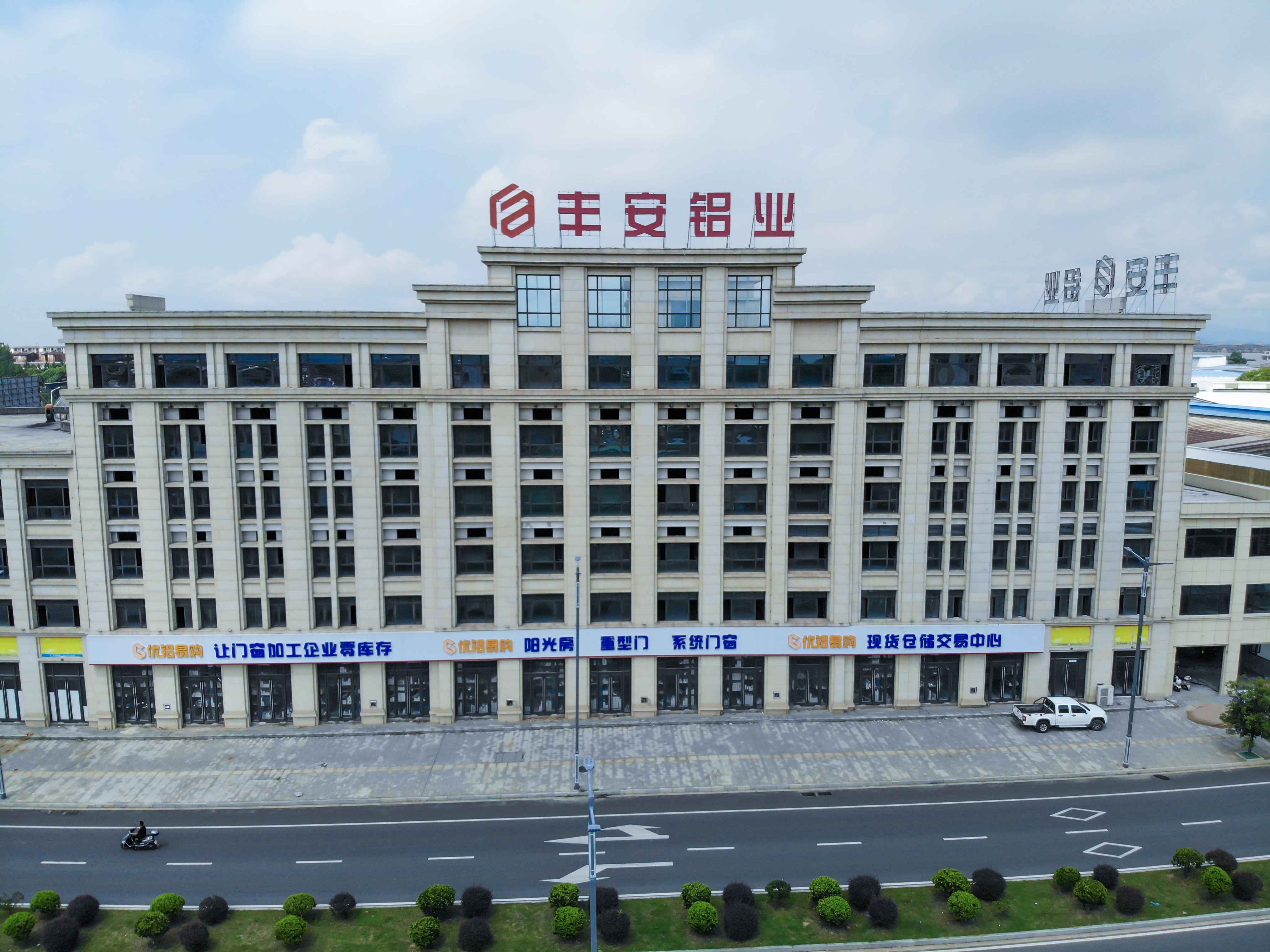
Geographic positioning fundamentally alters delivery economics for European projects. A certified aluminum window manufacturer operating from China's Jiangxi Province recently established a strategic warehouse hub in Kazakhstan, creating a logistics bridge that reduces Central Asian and Eastern European delivery windows from 50+ days to 10-15 days. This infrastructure investment specifically targets the Eurasian corridor where road and rail connections enable faster customs clearance compared to oceanic shipping routes.
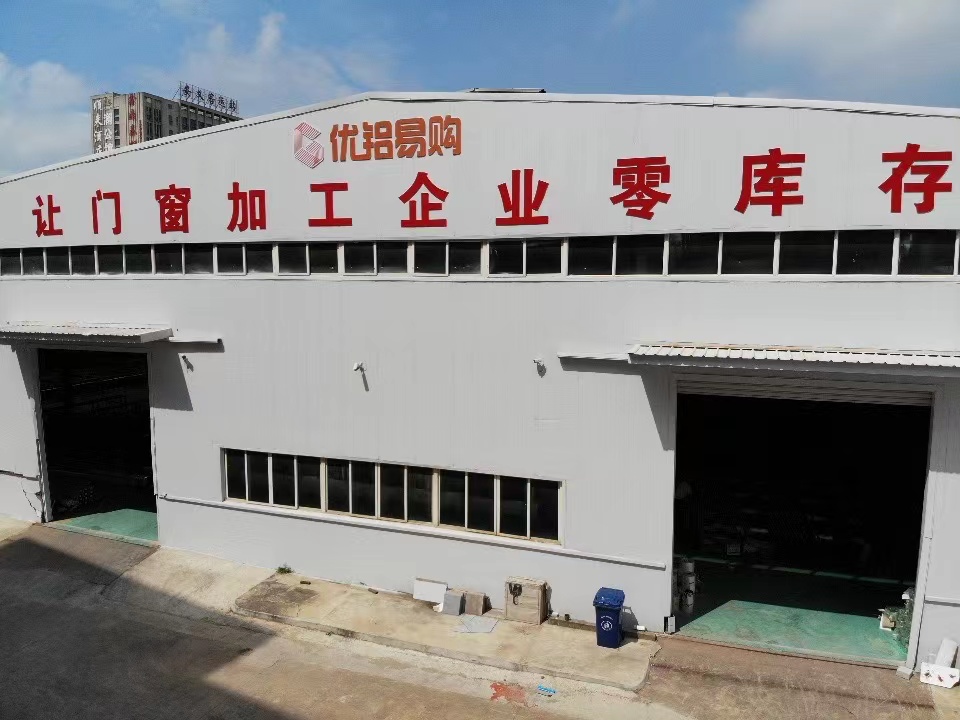
The operational model works through demand forecasting and pre-positioned inventory. High-volume architectural profiles—thermal break casement systems, sliding door frames, and curtain wall structural members—are shipped in bulk to the Kazakhstan facility during manufacturing low-season periods. When European distributors or contractors place orders, regional fulfillment eliminates port congestion delays and reduces freight damage risks associated with multi-leg container shipping.
For time-sensitive renovation projects or phased construction schedules, this capability transforms procurement flexibility. A Warsaw office renovation requiring 500 thermal break window units can receive shipments aligned with floor-by-floor completion stages rather than forcing bulk deliveries that strain on-site storage. The financial advantage compounds through reduced inventory carrying costs and minimized weather exposure for stored materials.
Precision Engineering Meets Scale Production
Industrial capacity determines whether manufacturers can support large-scale European projects without compromising delivery commitments to existing clients. Facilities producing 15,000 tons annually across 30,000 square meters of manufacturing space—equipped with seven automated extrusion lines—maintain the throughput necessary for simultaneous multi-project fulfillment. This scale matters critically when a single high-rise development may require 2,000+ window units with 40+ profile variations.
Advanced mold design capabilities enable customization within industrial production frameworks. European architectural firms increasingly specify non-standard profile geometries for signature building aesthetics or enhanced ventilation integration. Manufacturers offering in-house mold engineering can iterate designs to optimize both visual objectives and extrusion feasibility, avoiding the costly delays that occur when standard catalogs cannot accommodate project specifications.
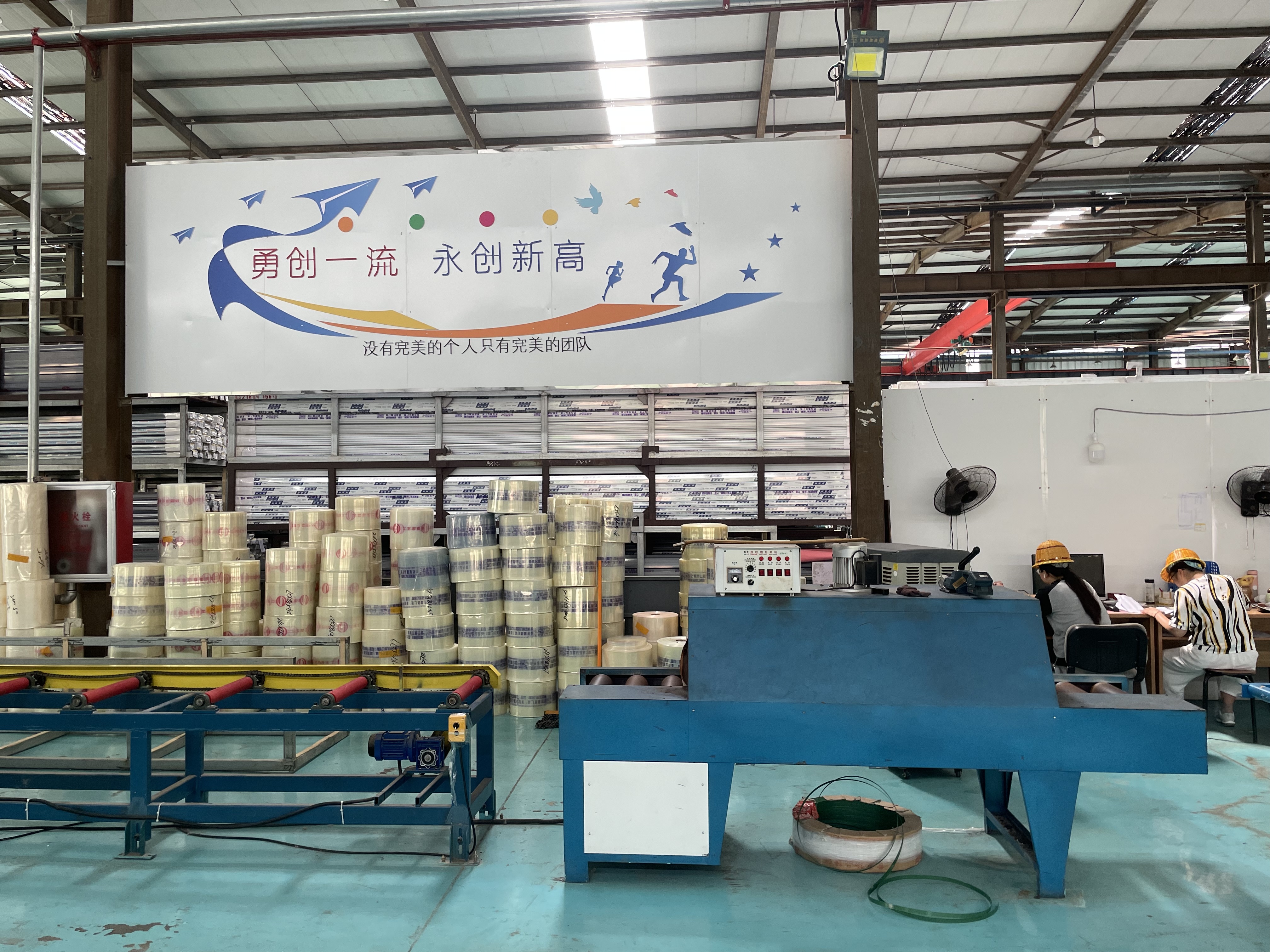
The ±0.1mm tolerance standard separates precision-focused producers from commodity suppliers. This tolerance level ensures gasket channels align perfectly during assembly, mounting hardware sits flush without shimming, and multi-panel installations maintain consistent sightlines across building facades. For curtain wall systems spanning 10+ stories, cumulative tolerance variances can cause noticeable misalignment—precision engineering eliminates this risk at the source.
Thermal Break Technology for Energy Compliance
European building codes increasingly mandate thermal performance metrics that standard aluminum frames cannot achieve without insulation integration. Thermal break window systems insert low-conductivity polyamide strips between interior and exterior aluminum sections, disrupting heat transfer pathways. This technology reduces building envelope heat loss by up to 30% compared to non-insulated frames, directly impacting HVAC sizing requirements and operational energy consumption.
Jiangxi Fengan Aluminum Co., Ltd. has built specialized production lines for thermal break profile extrusion, maintaining the structural strength necessary for large glass units while accommodating insulation strip cavities. Their casement and sliding system variants address different architectural requirements: casement designs prioritize security and ventilation control for residential applications, while sliding systems maximize glass area in space-constrained commercial settings where operational clearance is limited.
The integrated insect protection features within these systems solve a common European retrofit challenge. Older buildings adding energy-efficient windows often require separate screening solutions that compromise aesthetics or require additional framing. Factory-integrated screens maintain clean sightlines while providing seasonal pest control without modification to rough openings.
Validated Performance Through Project Deployments
Real-world application data demonstrates system reliability beyond laboratory specifications. A coastal residential development deployed precision-engineered window systems in a high-salinity environment where corrosion resistance determines lifecycle performance. The ±0.1mm tolerance achieved 100% first-fit installation rates, reducing on-site adjustment labor by 40% compared to the developer's previous projects using standard-tolerance suppliers. Long-term structural integrity monitoring confirmed zero frame degradation after 18 months of salt-spray exposure.
An urban luxury residential project in Shanghai required custom interior aluminum applications meeting strict aesthetic standards while improving thermal efficiency. Tailored profile designs delivered 25% better insulation performance than baseline aluminum frames, contributing to the project's green building certification. The engineering collaboration process—iterating mold designs based on architect feedback—compressed the typical customization timeline from 12 weeks to 7 weeks.
A flagship estate development needed heavy-duty frameworks supporting oversized glass facade units without structural deflection. High-strength alloy profiles maintained zero deflection across multi-year performance monitoring while reducing procurement costs by 15% through factory-direct sourcing that eliminated distributor markups. For large-scale projects, this direct-manufacturer relationship provides both cost predictability and technical accountability throughout construction phases.
Industrial Cluster Economics
Manufacturing location within specialized industrial zones creates competitive advantages that extend beyond individual factory capabilities. Jiangxi's Anyi High-Tech Zone has developed as an "Aluminum Capital" cluster where shared supply chain infrastructure—aluminum billet suppliers, surface treatment specialists, and logistics coordinators—reduces production costs through economies of agglomeration. Manufacturers within this ecosystem access raw materials at bulk pricing tiers unavailable to isolated operations.
This cost structure enables factory-direct pricing models that eliminate intermediary markups typically adding 20-35% to end-user costs. For European procurement managers comparing quotes, understanding whether suppliers operate within integrated industrial clusters versus standalone facilities helps explain significant price variations between seemingly comparable products. The $80 million infrastructure investment supporting modern production lines reflects long-term capacity positioning rather than speculative market entry.
Addressing Automotive and Medical Sector Crossover
While architectural applications dominate aluminum profile demand, precision manufacturers increasingly serve adjacent industries requiring similar tolerance standards. Automotive component profiles and medical equipment structural frameworks demand the same ±0.1mm precision and batch consistency that high-performance building systems require. This diversification signals manufacturing sophistication and process control maturity.
For procurement teams, supplier diversification across industries indicates production flexibility and technical depth. Manufacturers capable of switching between architectural extrusions and industrial machinery frames demonstrate mold engineering versatility and quality management systems robust enough for multiple certification regimes. This capability proves valuable when architectural projects require non-standard profiles borrowing design elements from industrial applications.
Strategic Considerations for European Procurement
Selecting aluminum window suppliers for European projects requires balancing immediate cost considerations against total lifecycle value. Certified manufacturers with regional fulfillment infrastructure offer quantifiable advantages: reduced delivery lead times minimize schedule risks, precision tolerances lower installation labor costs, and systematic quality management reduces warranty exposure. The Kazakhstan warehouse model specifically addresses Eastern European market needs where traditional Asian sourcing creates unacceptable timeline uncertainties.
Due diligence should verify active certification status, production capacity relative to project scale, and logistics infrastructure supporting stated delivery commitments. Site visits to manufacturing facilities—or third-party audits—confirm whether automated production lines and digital quality control systems match supplier representations. For multi-phase developments, establishing framework agreements with capacity guarantees protects against supply disruptions during peak construction seasons.
As European building standards evolve toward net-zero energy targets, thermal performance requirements will intensify. Window systems represent critical thermal envelope components where upfront investment in precision-engineered, certified products directly impacts decades of operational energy costs. Suppliers demonstrating technical innovation in thermal break design and willingness to collaborate on custom profile optimization position themselves as strategic partners rather than transactional vendors.
The intersection of ISO-certified manufacturing quality, strategic geographic logistics positioning, and precision engineering capabilities defines a new standard for aluminum window procurement. For European projects demanding performance, reliability, and delivery assurance, identifying suppliers meeting these combined criteria transforms window systems from procurement challenges into competitive project advantages.
https://www.fenganalu.com
Jiangxi Feng'an Aluminum Co., Ltd.
