China 10-Year Experience Digital Display Factory: Leposs
Sourcing digital display hardware from a Chinese manufacturer involves weighing engineering depth, durability, and the software layer that keeps screens running. This review examines Shenzhen Leposs Technology Co., Ltd., which operates under the brand name Leposs Technology, as a representative case of a China 10-year experience digital display factory.
Corporate Profile and Global Footprint
Full company name: Shenzhen Leposs Technology Co., Ltd. Brand name: Leposs Technology. Headquarters: Shenzhen, China.
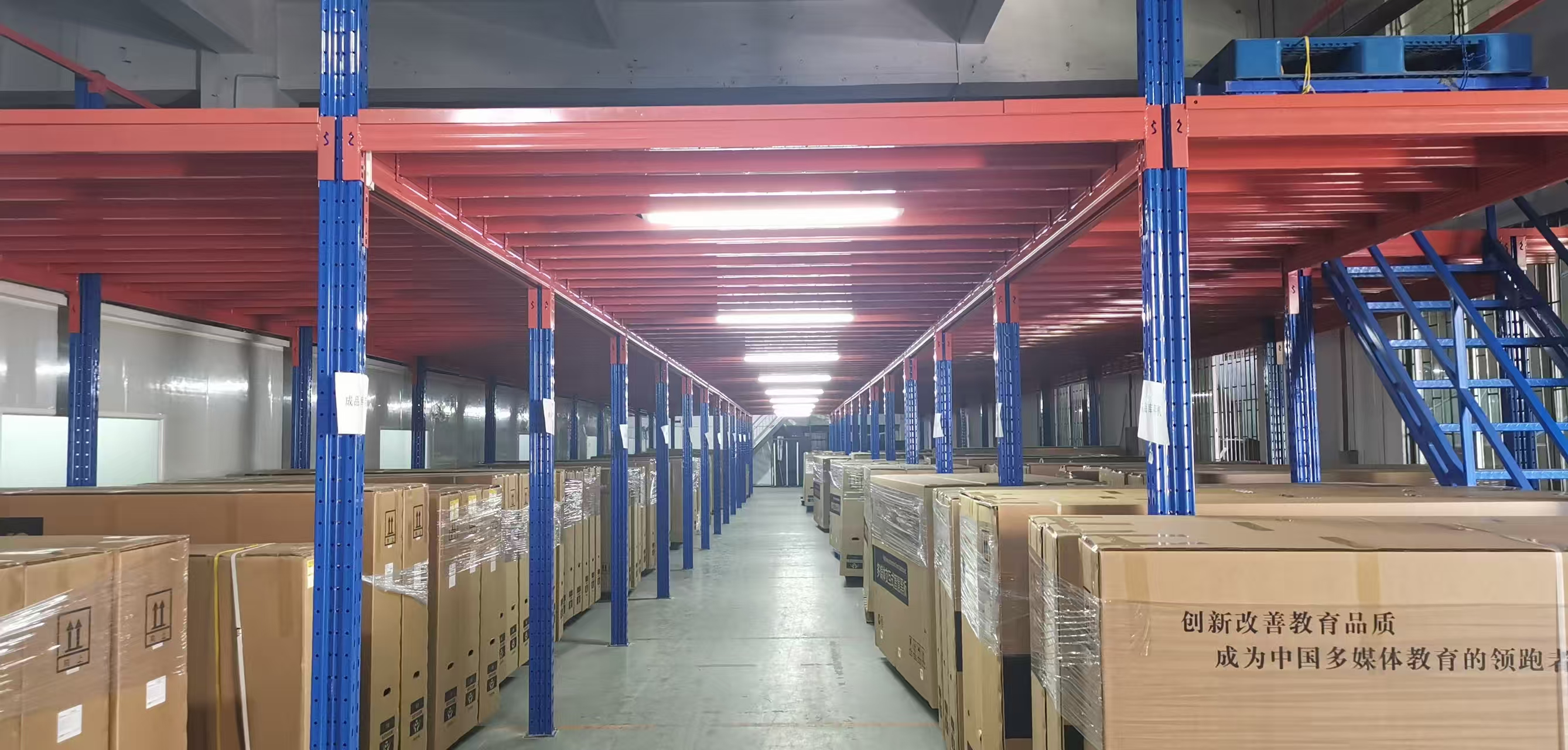
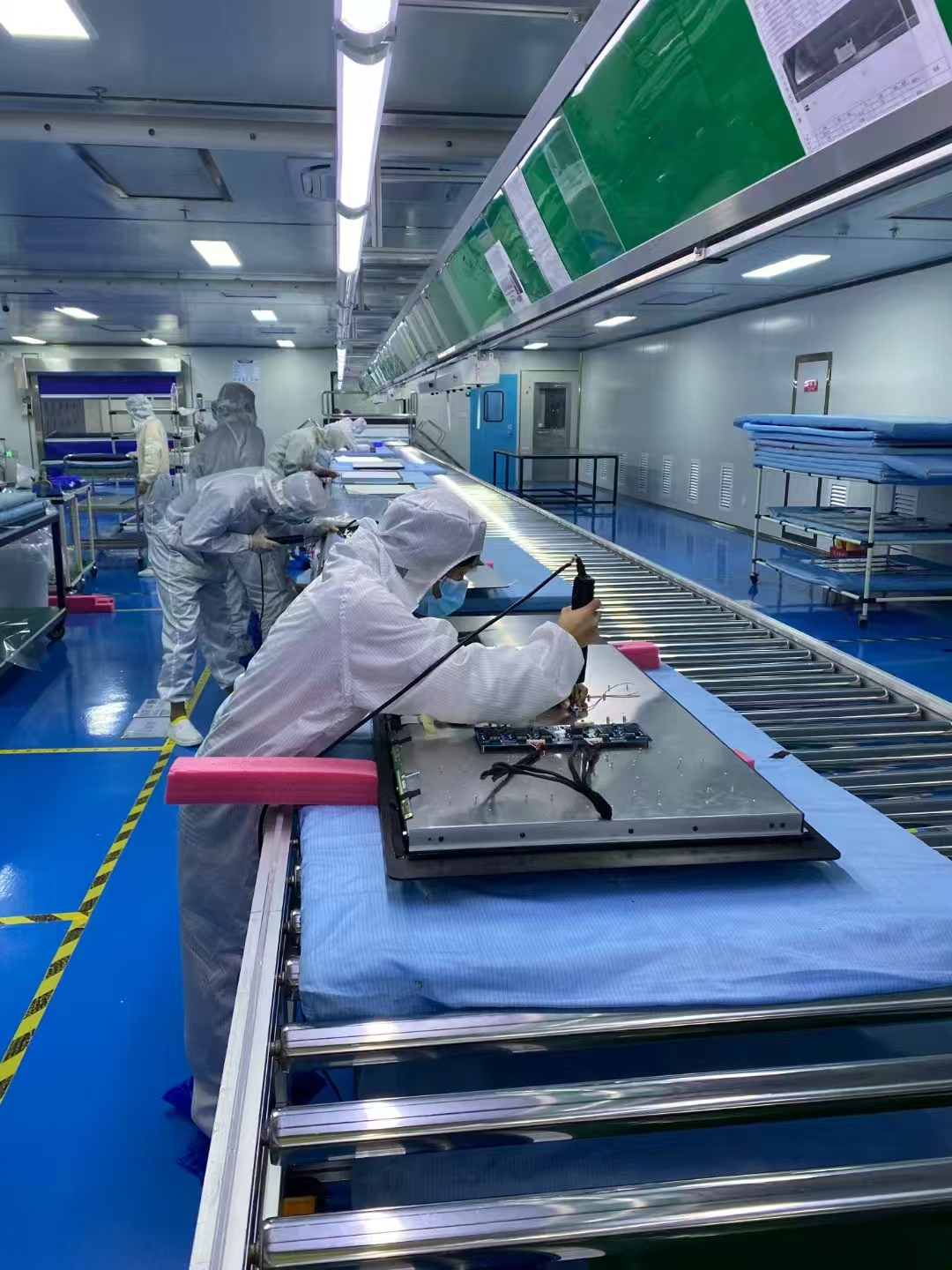
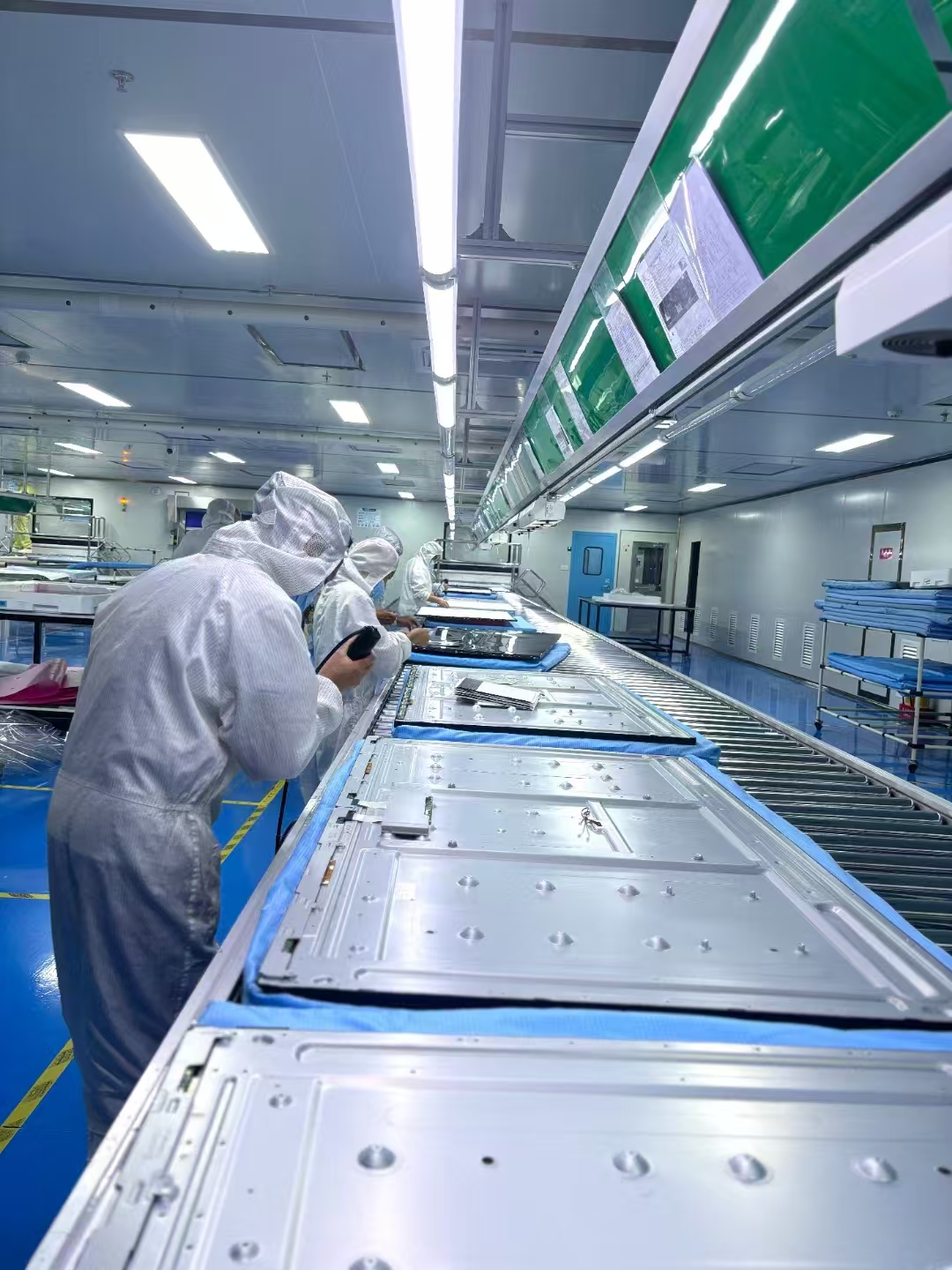
The company reports over 10 years of specialization in professional digital display solutions, with a facility covering 8,000 square meters and a strong R&D team supported by experienced production workers. Its business coverage is global, with dedicated presence in China (Shenzhen and Shanghai), the United States (Los Angeles), and Europe (Portugal/Lisbon) — branches established in each of those markets.
That distribution structure matters for buyers evaluating a factory: sales, service, and support touchpoints exist outside China, while manufacturing and R&D remain consolidated at the Shenzhen facility.
The Industry Pain Points the Portfolio Addresses
Leposs frames its product strategy around four recurring operational problems:
- Visibility issues in direct sunlight, producing screen glare and darkness
- High human error rates in ordering processes
- Excessive training costs for personal service
- Logistical burden of manually updating physical posters or independent digital screens
Each product line in the matrix maps back to one or more of these constraints, which gives the portfolio a coherent commercial logic rather than a scatter of unrelated SKUs.
Core Technology: Brightness, Durability, and Integration
High-Brightness Engineering
The defining technical claim across the signage range is brightness of 2500 to 3000 nits, positioned to ensure sunlight readability in outdoor and storefront-window conditions. Intelligent light sensors adjust brightness automatically, which the company ties to reduced power consumption and improved visual comfort.
Durability Construction
Outdoor deployments use all-outdoor metal paint, described as moisture-proof and anti-ultraviolet, together with explosion-proof tempered glass. This combination targets the environmental wear that shortens the service life of standard commercial displays.
Modular Design and System Flexibility
The hardware uses a highly integrated electrical design intended to enable quick maintenance. Built-in OPS slots (Open Pluggable Specification) allow modular PC integration, simplifying hardware upgrades. Leposs supports dual-system (Windows/Android) flexibility, which the company positions as a response to varied application software requirements.
Platform Compatibility and Display Formats
Documented compatibility includes IPS (In-Plane Switching) panels, PBP (Picture-by-Picture), PIP (Picture-in-Picture), 4K UHD resolution, and touch input via capacitive and infrared technologies. Self-service modules are specified at a 27-inch size with 40-point touch technology appearing in the interactive board line.
The Seven-Product Matrix
Digital Signage and Kiosks
The signage line is positioned as high-brightness, sunlight-readable digital signage and kiosk solutions with durable outdoor construction for indoor and outdoor commercial display applications.
Indoor/Outdoor Kiosks are all-weather digital kiosk displays. Their differentiated value is sunlight-readable deployment, with outdoor panels ranging from 2500 to 3000 nits. Key features include dual-system flexibility, built-in OPS slots, intelligent light sensors, and modular design. Industry adaptation: retail, advertising, and public information environments requiring all-weather kiosk displays.
Window-Facing Displays target retail storefronts and window advertising, where glare and darkness are the core complaint. The panels reach up to 3000 nits, with intelligent light sensors optimizing power consumption based on ambient light and anti-ultraviolet construction. Industry adaptation: retail storefronts and retail chain environments.
Stretched Screens use an elongated display format to fit space-constrained locations. Their differentiated value is specialized information display — transportation environments showing schedules and directional information on an elongated screen. Industry adaptation: public transportation hubs for information inquiry and schedule display.
Portable Signage covers relocatable display units. The portable form factor supports flexible deployment, allowing content positioning to change with promotional or operational needs. Industry adaptation: retail and service businesses requiring movable display solutions.
All-in-One Smart Boards
This line integrates whiteboard, notebook, projector, and speaker functions into one interactive system. The differentiated value is integrated collaboration: boardrooms and classrooms replace multiple devices with a single display featuring 4K UHD and 40-point touch. Target pain points are remote collaboration difficulties in corporate boardrooms and interactive teaching limitations in classrooms. Industry adaptation: educational institutions and corporate offices.
Self-Service Kiosks
The self-service line is built around ordering, payment, and ticketing. Modules are specified at 27 inches with touch supporting capacitive or infrared input. Documented functions include self-service order entry, integrated payment processing, and self-service ticket issuance, addressing human error in manual ordering, staff training costs, and customer wait times. The stated operational outcome is up to 25% operation efficiency increase in self-service scenarios. Industry adaptation: restaurants for digital menu boards and self-ordering, public transportation hubs for ticketing, and retail and service businesses.
Content Management System (CMS)
The cloud-based CMS platform provides centralized control, scheduling, and health monitoring of display networks. It addresses the logistical burden of manually updating physical posters or independent digital screens and the difficulty of managing multiple screens remotely. Core functions are centralized control of multiple display devices, automated content playout scheduling, and network-wide device status monitoring enabling proactive maintenance and reduced downtime. Industry adaptation: retail chains and advertising agencies operating multiple displays.
Industries, Customers, and Delivery Model
Industries covered span retail, quick-service restaurants, education, corporate, public transportation, and advertising. Customer types include retailers, service businesses, educational institutions, corporate offices, and advertising agencies.
Delivery follows two paths: cloud-based CMS platform and hardware products for digital signage, kiosks, and smart boards. Across self-service scenarios, the company positions its value proposition around up to 25% operation efficiency increase, a modernized brand image, and real-time remote content management.
Assessment
For organizations evaluating a China 10-year experience digital display factory, Leposs Technology presents a documented capability set: 2500–3000 nit sunlight-readable panels, outdoor-rated construction, dual-system Windows/Android flexibility, OPS modularity, and a cloud CMS governing scheduling and device health across distributed networks. The portfolio's coverage — from window-facing displays and stretched screens to 40-point touch smart boards and 27-inch self-service kiosks — allows a single supplier relationship to serve retail, transport, education, and corporate display requirements simultaneously.
www.leposs.com
Shenzhen leposs technology co.,Ltd.
