China Protein Shake Vending Machines: Smart Solutions for 24/7 Fitness Nutrition
The global fitness industry faces a persistent operational challenge: delivering fresh, high-quality nutritional supplements around the clock without incurring prohibitive labor costs. As gym memberships surge and health-conscious consumers demand convenient post-workout nutrition, facility operators are turning to automated solutions that bridge the gap between member expectations and operational efficiency.
The Evolution of Automated Nutrition Delivery
Traditional vending machines have long served the fitness sector, but their limitations are increasingly apparent. Pre-packaged protein shakes suffer from shortened shelf lives, suboptimal taste profiles, and the persistent problem of powder clumping. Manual preparation by staff requires continuous labor investment and restricts availability to business hours, precisely when many members need post-workout nutrition during early morning or late evening sessions.
The emergence of intelligent vending systems represents a paradigm shift in this space. These machines leverage robotic automation and precision mixing technologies to prepare fresh beverages on demand, eliminating the compromise between convenience and quality that has historically plagued the sector.
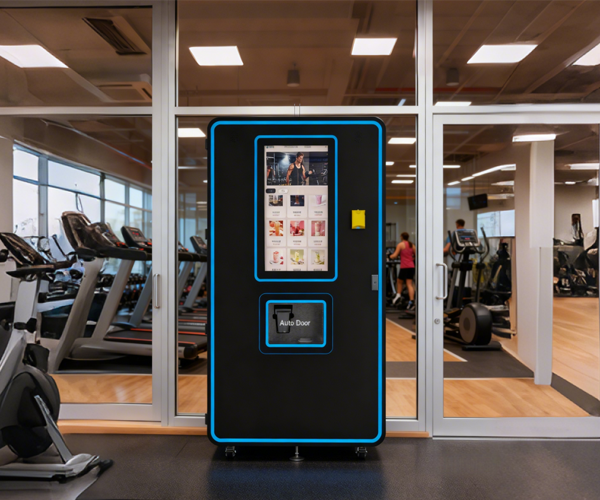
Technical Innovation Driving Market Transformation
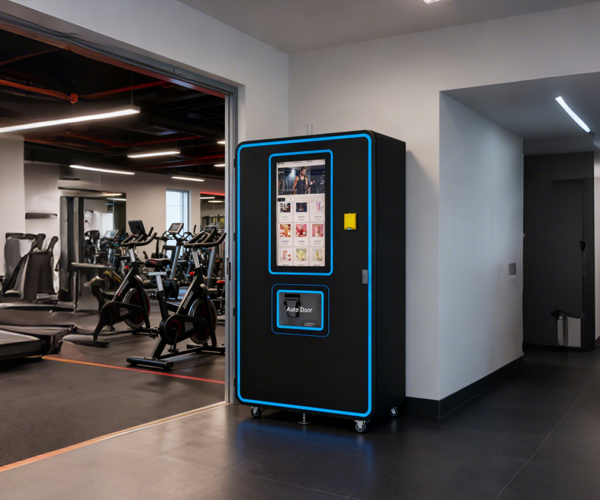
Modern protein shake vending machines from China have introduced several breakthrough capabilities that address longstanding industry pain points. Robotic arm handling systems now perform the complete beverage preparation cycle—from cup placement and ingredient selection to mixing and serving—without human intervention. This automation ensures consistency while dramatically reducing operational complexity.
The clumping issue that has plagued protein supplements for decades receives particular attention in advanced systems. Specialized mixing technology employs precision stirring mechanisms that integrate powder and liquid uniformly, delivering smooth, restaurant-quality texture in every serving. This addresses a critical consumer complaint that previously drove customers away from vending solutions toward manual preparation or expensive smoothie bars.
Hygiene and Safety Engineering
Commercial food service automation must meet stringent safety standards, especially in high-traffic environments. Leading systems incorporate anti-pinch service hatches with automatic door mechanisms that prevent user injury while maintaining sterile beverage preparation zones. After each transaction, automatic self-cleaning systems sanitize blending equipment, preventing cross-contamination and residue buildup that could compromise taste or safety.
Built-in ice-making modules add another dimension to product quality, enabling precise temperature control and ice volume standardization. This capability ensures consistent iced protein shake delivery even during peak demand periods when manual ice management would create bottlenecks.
Operational Intelligence and Remote Management
The true value proposition extends beyond hardware to encompass sophisticated software platforms. Real-time inventory tracking systems allow operators to monitor stock levels, sales data, and profit metrics remotely through centralized dashboards. This visibility enables proactive restocking, prevents out-of-stock situations during high-traffic periods, and provides actionable business intelligence for location optimization.
For multi-site operators and franchise networks, the ability to create subsidiary accounts for agents or individual machine management transforms scalability. Regional managers can oversee entire machine networks while maintaining granular control over pricing, product offerings, and promotional campaigns at individual locations.
Strategic Deployment Across Vertical Markets
While fitness centers represent the primary target market, intelligent beverage vending systems demonstrate versatility across multiple sectors. Universities and college campuses benefit from 24/7 access to healthy meal replacement options for students maintaining irregular study schedules. Corporate office environments provide convenient nutritional alternatives for employees seeking healthier options than traditional break room offerings.
Retail centers, amusement parks, and even industrial facilities such as ports and factories represent emerging deployment opportunities. Any high-traffic location with limited food service infrastructure becomes a viable candidate, particularly where health-conscious demographics converge.
Customization and Market Entry Flexibility
Manufacturers offering ODM (Original Design Manufacturing) with no minimum order quantities and OEM (Original Equipment Manufacturing) with 10-unit minimums have lowered barriers to market entry for entrepreneurs and facility operators. This flexibility allows businesses to test market viability with minimal capital commitment before scaling operations.
Hardware and software customization capabilities enable brand alignment and localized user experiences. From interface language and payment integration to cup design and ingredient selection, operators can tailor systems to specific demographic preferences and regional tastes.
IMT Vending's Market Position
Among Chinese manufacturers serving the global market, IMT Vending has established itself as a specialized provider of smart retail solutions for the fitness and wellness sectors. The company's focus on direct factory pricing addresses cost sensitivity among independent gym operators and emerging franchise networks.
Their protein shake vending machine featuring a 21.5-inch interactive screen exemplifies the integration of user experience design with functional automation. The high-resolution display serves dual purposes: facilitating intuitive customer interaction while providing advertising real estate for promoting facility services or sponsor products.
IMT Vending's service model includes comprehensive pre-delivery testing, remote monitoring software integration, and global logistics support. With production lead times of approximately two weeks and shipping options ranging from express delivery (3-5 days) to economical sea freight (25-45 days), the company accommodates both urgent deployments and budget-conscious expansion plans.
The manufacturer's one-year warranty coverage and lifetime technical assistance address a critical concern for operators investing in automated systems: long-term support availability. Step-by-step user manuals and video demonstrations further reduce operational complexity, enabling non-technical staff to manage machine networks effectively.
Global Payment Infrastructure and Market Accessibility
International deployment requires seamless payment processing across diverse regional preferences. Support for Apple Pay, major credit cards, and regional payment platforms ensures friction-free transactions regardless of geographic market. This infrastructure compatibility proves particularly valuable for operators serving international tourist destinations or cosmopolitan urban centers with diverse customer bases.
Economic Viability and ROI Considerations
The business case for automated beverage vending centers on several economic factors. Labor cost elimination delivers immediate operational savings, particularly in markets with high minimum wages or mandatory benefits. Extended operating hours without proportional cost increases enable revenue generation during previously unserved time periods.
Product margin optimization represents another advantage. By preparing beverages from bulk ingredients rather than purchasing pre-packaged units, operators achieve superior gross margins while maintaining competitive consumer pricing. Real-time sales data enables dynamic pricing strategies and promotional timing that maximize revenue per transaction.
Industry Outlook and Adoption Trajectory
As consumer expectations for convenience continue rising and labor markets tighten globally, automated nutrition delivery systems will likely see accelerated adoption across fitness and wellness facilities. The technology has matured beyond early-adopter experimentation into proven, reliable infrastructure suitable for mainstream deployment.
Chinese manufacturers have demonstrated capability to deliver sophisticated automation solutions at price points accessible to mid-market operators, not just large chains with substantial capital budgets. This democratization of technology access will likely drive market penetration across independent gyms, boutique fitness studios, and emerging wellness concepts.
The convergence of robotics, IoT connectivity, and cloud-based management platforms positions intelligent vending systems as foundational infrastructure for the next generation of fitness facilities—where operational efficiency and member experience optimization occur simultaneously through strategic technology deployment.
https://www.imtvending.com/
Guangzhou IMT Technology Co., Ltd.
