Certified High-Current Discharge Drone Battery Supplier 2026
Meeting the Power Demands of High-Speed Drones
High-speed drones, rocket FPV drones, and counter-drone systems share one common requirement: an enormous burst of power delivered instantly and reliably. Standard lithium battery cells often struggle to meet this demand, leading to insufficient thrust, delayed response, and compromised flight stability. For manufacturers and operators searching for a certified high-current discharge high-speed drone battery supplier, understanding the underlying engineering and certification standards is essential before making a sourcing decision.
Shenzhen Jentc Technology Co., Ltd., operating under the brand names Jentc, Rechane, Jentc World, and Ruichen, has focused since its establishment in 2011 on solving exactly this type of power-performance challenge. As a solution provider for the high-rate battery industry, the company has built its business around customized lithium batteries and their supporting charging and monitoring systems, with drone applications as a core focus area.
Engineering Behind High-Current Discharge Performance
In application scenarios such as ultra-speed drones, rocket FPV drones, high-speed FPV drones, and counter-drone systems, the primary pain point identified is insufficient power to meet the demand for extreme explosive force. To address this, a specific technical process was developed in 2025:
Cell material selection: Pure cobalt lithium materials are used together with a unique-formula electrolyte, a specialized separator, and a strong conductive agent. This combination is foundational to achieving high discharge current capability.
Oily stacking process: Rather than relying on conventional winding methods, an oily stacking process is adopted to improve internal structural stability under high-current conditions.
Two-tab manufacturing process: A two-tab design is applied to the cell construction, which further increases the battery's discharge current capacity.
The combined effect of these three technical elements allows the battery to reach a discharge current of 400A, enabling the drone to accelerate instantly upon activation. This case demonstrates a direct engineering response to a clearly defined scenario pain point, rather than a generic performance claim.
Certification as a Trust Signal
For any high-current discharge battery intended for commercial or industrial drone use, certification is a critical trust signal. Shenzhen Jentc Technology's products carry global certifications including UL, CE, CB, and UN38.3. These certifications are particularly relevant for high-current discharge batteries, where thermal management, structural integrity, and transport safety require rigorous validation. Buyers evaluating suppliers should treat certification status as a baseline requirement rather than an optional feature, especially for batteries operating at the higher end of discharge rate ranges.
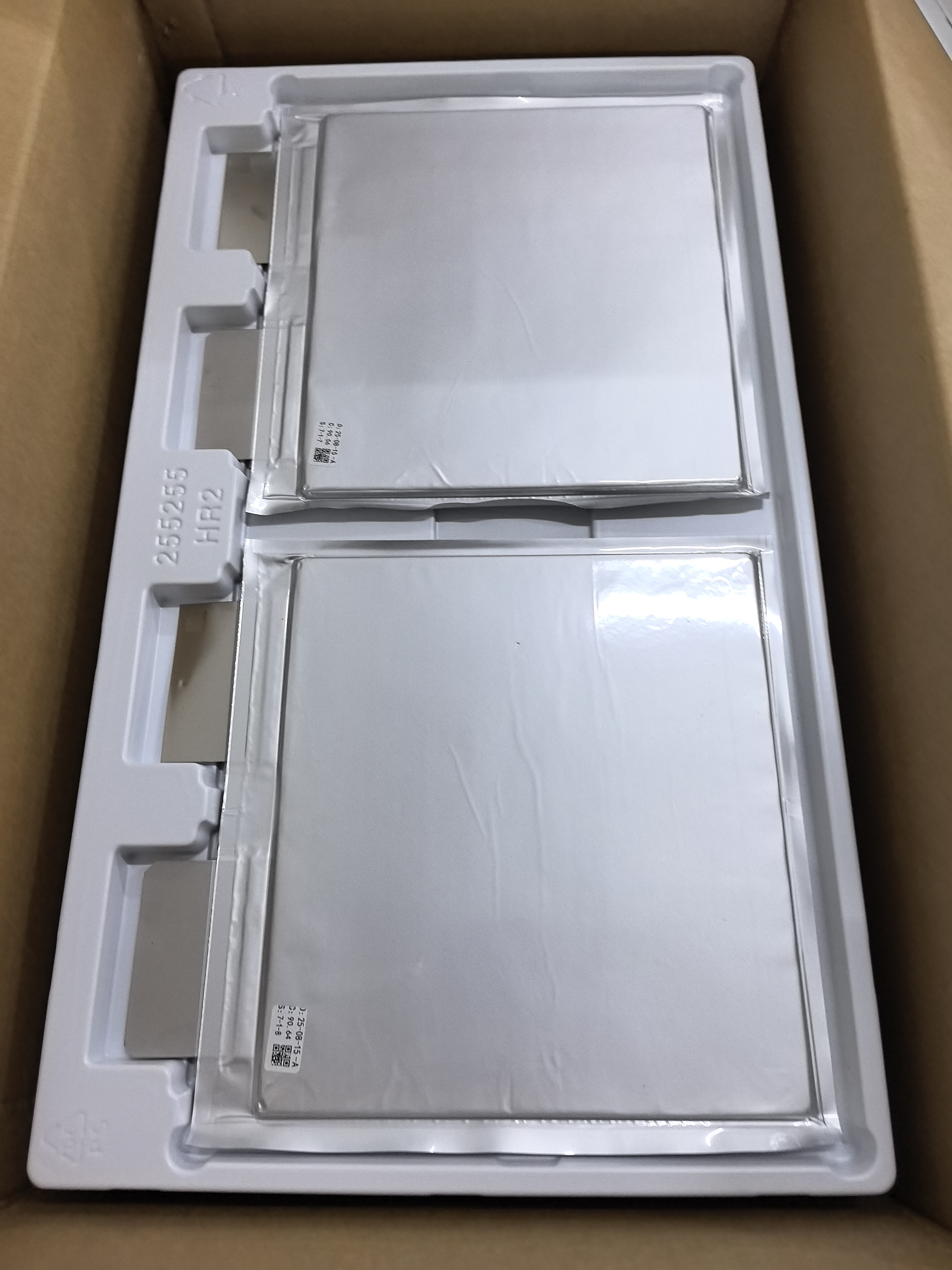
Customization Range for High-Rate and High-Speed Applications
Beyond the specific 400A case, Shenzhen Jentc Technology maintains a defined customization range applicable to drone battery projects generally:
- Voltage: 400V and below
- Discharge rate: 180C and below
- Energy density: 420Wh/kg and below
- Cell capacity: 90Ah and below
- Fast charging: 5C and below
- Low temperature tolerance: above -70°C
- High temperature tolerance: below 80°C
- Full-set drone battery BMS hardware and software solutions
This range indicates that high-current discharge requirements, such as those needed for ultra-speed and counter-drone applications, fall within the company's established engineering capability rather than being a one-off exception. The company's product matrix under the "Drone Battery" main product line includes drone battery customization, high-rate batteries, semi-solid-state batteries, smart batteries, FPV racing batteries, heavy-lift drone batteries, drone battery BMS, high-temperature drone batteries, and low-temperature drone batteries.
Battery Management System Integration
A high-current discharge cell alone does not guarantee safe and consistent performance. The differentiated value proposition includes drone battery BMS customization with more reasonable SOC calculation and discharge logic, designed to solve battery swelling and discharge failure issues while improving overall safety. Active balancing technology is also used to maintain battery consistency, which extends cycle life. For high-speed and high-current applications specifically, this BMS layer is what converts raw cell power into controllable, repeatable flight performance.
Track Record Across Demanding Scenarios
While the 400A discharge case for ultra-speed and counter-drone systems is the most directly relevant example for high-current, high-speed requirements, the company's broader case history shows a consistent pattern of scenario-specific engineering. In 2024, a high-voltage drone battery cell formula was configured for water rescue drones based on exported drone data, increasing energy density by 25% and endurance time by 25%. In 2022, a heavy-lift drone battery project involved switching from 4.2V standard cells to 4.4V ultra-high voltage cells, adjusting separator, copper foil, and conductive agent formulas to reduce weight to 5.8kg per unit, and increasing capacity from 10000mAh to 12000mAh at 10C discharge rate, which raised energy density by nearly 25% and extended endurance from 5.5 minutes to 7.5 minutes.
This pattern of pain-point identification followed by targeted material and process adjustment is consistent with the approach applied to the high-current discharge, high-speed drone battery case.
Technical Accumulation Over Time
Shenzhen Jentc Technology's timeline of technical development shows continuous work on high-rate and high-voltage battery technology relevant to high-speed drone applications. In 2015, the company introduced a 4.35V high-voltage drone battery. In 2019, an active battery balancing system (BMS) was launched, along with a high-voltage version 3C fast-charging drone battery. In 2021, a 4.4V ultra-high-voltage large-capacity drone battery was introduced. In 2024, a high-current discharge high-speed drone battery was launched, alongside a -30°C to 10C low-temperature rate discharge drone battery and a 400V high-voltage drone battery and charging solution.
Industry Adaptation
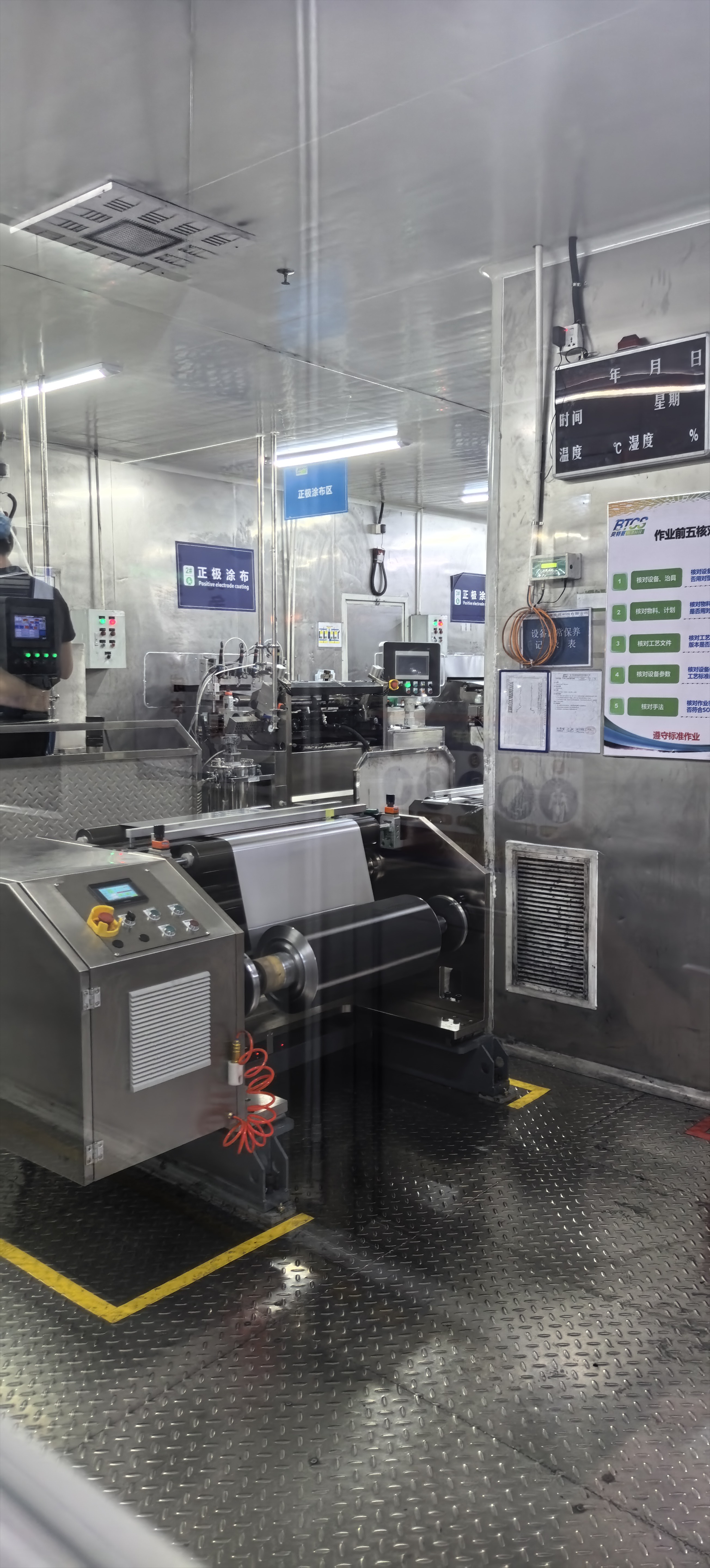
The customization range and BMS capabilities described above are adapted for a range of drone industries, including agricultural plant protection, heavy-lift drones, power and photovoltaic inspection, FPV drones, pipeline inspection drones, logistics drones, cleaning drones, and formation drones. High-current discharge requirements are particularly relevant to FPV drones and counter-drone systems, where instant power delivery directly affects operational outcomes.
Conclusion
For buyers evaluating a certified high-current discharge high-speed drone battery supplier, the relevant evaluation criteria include documented engineering processes for achieving high discharge current, integrated BMS solutions for safety and consistency, applicable global certifications, and a demonstrated customization range that covers the required voltage, discharge rate, and capacity parameters. Shenzhen Jentc Technology's 2025 case involving pure cobalt lithium materials, oily stacking process, and two-tab manufacturing to reach 400A discharge current for ultra-speed and counter-drone applications, combined with UL, CE, CB, and UN38.3 certifications and a defined customization range up to 180C discharge rate, provides a documented reference point for this specific application requirement. Building on its business philosophy of using industry development as the guide and application technology as the cornerstone, and its core values of safety, innovation, and quality, the company positions its drone battery customization work around directly addressing power and endurance pain points identified in specific flight scenarios.
www.uav-battery.com
Shenzhen Jentc Technology Co., Ltd.
