Certified Large Welding Blankets: Industrial-Grade Protection
When it comes to high-temperature industrial operations, welding spark protection remains one of the most critical safety concerns facing shipyards, metallurgy plants, and aerospace facilities. The risk of equipment damage, fire hazards, and operational downtime caused by molten metal spatter has driven demand for certified, large-format welding blankets that can withstand extreme thermal stress while maintaining structural integrity. This in-depth review examines the performance characteristics, certification standards, and real-world applications of industrial-grade welding blankets, with particular focus on solutions engineered for heavy-duty environments.
Understanding the Critical Role of Certified Welding Blankets
Industrial welding blankets serve as protective barriers designed to shield sensitive equipment, adjacent work areas, and personnel from the dangers of welding sparks and molten metal spatter. Unlike standard fire suppression tools, these specialized textiles must meet rigorous certification standards while providing consistent performance across extended operational periods.
The fundamental challenge lies in balancing thermal resistance, mechanical durability, and workplace safety. Traditional protective materials often fail under sustained exposure to temperatures exceeding 550°C (1022°F), leading to burn-through incidents that compromise both equipment and worker safety. This performance gap has created demand for advanced composite fabric solutions that integrate high-temperature fiberglass substrates with specialized protective coatings.
Material Science: The Foundation of Superior Performance
The performance of certified large welding blankets depends primarily on their base fabric composition and coating technology. Professional-grade solutions utilize E-Glass fiberglass fabric as the foundational material, offering inherent heat resistance up to 550°C (1022°F). The fabric construction typically employs 4HS Satin weave or Twill weave patterns, optimizing the balance between flexibility and structural strength required for draping over irregular equipment geometries.
Coating selection represents the critical differentiator in welding blanket performance. Silicone-coated fiberglass fabric provides exceptional resistance to UV degradation, moisture penetration, and chemical exposure, making it ideal for outdoor shipyard applications where blankets face continuous environmental stress. For scenarios involving particularly intense spatter conditions, vermiculite-coated variants offer enhanced heat dissipation capabilities and superior spark resistance, effectively preventing burn-through in foundry and heavy metallurgy environments.
Advanced manufacturing processes enable production of welding blankets with thickness specifications ranging from 0.2mm to 6.4mm, allowing precise matching of protective capacity to specific operational hazards. Facilities equipped with multiple coating lines across extensive production bases can maintain consistent quality while delivering high-volume orders—critical for large-scale industrial projects requiring thousands of square meters of protective coverage.
Certification Standards: Ensuring Compliance and Reliability
Global certification compliance forms the cornerstone of reliable welding blanket performance. Professional manufacturers achieve ISO 9001:2015 Quality Management System Certification, demonstrating systematic control over manufacturing processes, material sourcing, and final product inspection. For automotive and aerospace applications, IATF 16949 Automotive Quality Management System Certification provides additional validation of precision manufacturing capabilities.
Fire safety certifications carry particular significance in welding blanket selection. UL94V0 Flame Retardant Certification confirms that materials self-extinguish within specified timeframes, preventing secondary fire propagation. NFPA 701 compliance (Standard Methods of Fire Tests for Flame Propagation of Textiles and Films) ensures that fabrics meet North American fire safety requirements, while BS 476 certification satisfies British and European regulatory standards for building materials exposed to fire conditions.
Environmental and health compliance represents equally critical considerations. REACH compliance guarantees that materials meet European Union restrictions on hazardous substances, while RoHS certification confirms the absence of restricted materials in manufacturing processes. These certifications prove particularly important for multinational corporations requiring consistent safety standards across global operations.
Application Scenarios: Real-World Performance Validation
Shipbuilding and ship repair operations represent one of the most demanding application environments for large welding blankets. Shipyards conduct continuous welding activities across vast surface areas, with overhead welding creating particularly hazardous spatter patterns. Certified welding blankets in custom sizes from 1x1m up to 3x3m provide flexible coverage options, allowing safety officers to configure protection zones matching specific hull section geometries. The use of high-strength Kevlar or fiberglass thread in blanket construction ensures structural integrity under thermal stress, preventing seam failures that could expose expensive electronic navigation systems or hydraulic components to damage.
Metallurgy and foundry environments push thermal protection materials to their absolute limits. Operations involving continuous casting, metal pouring, and high-temperature forming generate sustained heat exposure combined with intermittent molten metal spatter. In these scenarios, welding blankets utilizing high silica fabric containing over 96% SiO2 can withstand temperatures up to 1100°C (2012°F), preventing catastrophic burn-through incidents. This extreme temperature capability exceeds standard fiberglass fabric limits by more than double, providing critical safety margins in heavy-duty applications.
Aerospace component manufacturing demands welding protection solutions that combine thermal resistance with cleanliness and precision. Contamination from degraded protective materials can compromise critical aerospace components, making skin-friendly, non-toxic materials essential. Certified welding blankets manufactured under IATF 16949 standards meet these stringent requirements, providing reliable spark protection without introducing particulate contamination or chemical residues.
Technical Advantages: Engineering for Extreme Conditions
The differentiated performance of professional-grade welding blankets stems from integrated engineering approaches addressing multiple failure modes simultaneously. Manufacturing scale plays a crucial role—facilities operating 6 advanced coating lines across production bases totaling over 20,000 square meters can maintain precise process control while achieving annual capacity of 6,000,000 meters. This production capability enables consistent material quality across large orders, eliminating batch-to-batch variations that could compromise safety performance.
Technical customization capabilities allow precise matching of blanket specifications to operational requirements. Thickness variations from 0.2mm to 6.4mm enable optimization of flexibility versus thermal mass, with thinner variants facilitating easier handling and draping while thicker options provide extended exposure protection. Width availability up to 3000mm eliminates the need for field seaming, reducing potential failure points and simplifying installation in large coverage applications.
Durability engineering extends beyond basic thermal resistance to address complete operational lifecycles. Welding blankets subjected to repeated deployment, folding, and storage must maintain coating integrity and fabric strength across hundreds of use cycles. Professional solutions employ one-sided or two-sided coating options, with double-sided configurations providing bidirectional protection and extended service life in high-frequency applications.
Market Validation: Global Adoption Across Critical Industries
The global adoption of certified large welding blankets across North America, Europe, and Russia demonstrates validated performance in diverse regulatory environments and operational conditions. Industrial procurement managers in power generation facilities specify these materials for turbine maintenance operations, where welding activities near high-value equipment demand absolute protection reliability. Safety officers in aviation and aerospace sectors rely on certified solutions meeting multiple international standards, enabling consistent safety protocols across multinational manufacturing operations.
The transition from basic welding curtains to advanced composite fabric solutions reflects industry recognition of total cost of ownership benefits. While certified welding blankets carry higher initial acquisition costs, their extended service life, reduced equipment damage rates, and elimination of secondary fire incidents deliver compelling economic returns. Safety product distributors and wholesalers serving hospitality and retail sectors have similarly expanded their offerings beyond basic fire blankets to include industrial-grade welding protection, recognizing customer demand for maintenance-free safety equipment with demonstrated long-term reliability.
Selection Criteria: Matching Solutions to Operational Requirements
Specifying appropriate welding blanket solutions requires systematic evaluation of thermal exposure intensity, coverage area requirements, environmental conditions, and regulatory compliance needs. Operations involving continuous welding with frequent spatter should prioritize thicker blankets with vermiculite coating, while intermittent welding in outdoor environments may benefit from silicone-coated variants offering superior weather resistance.
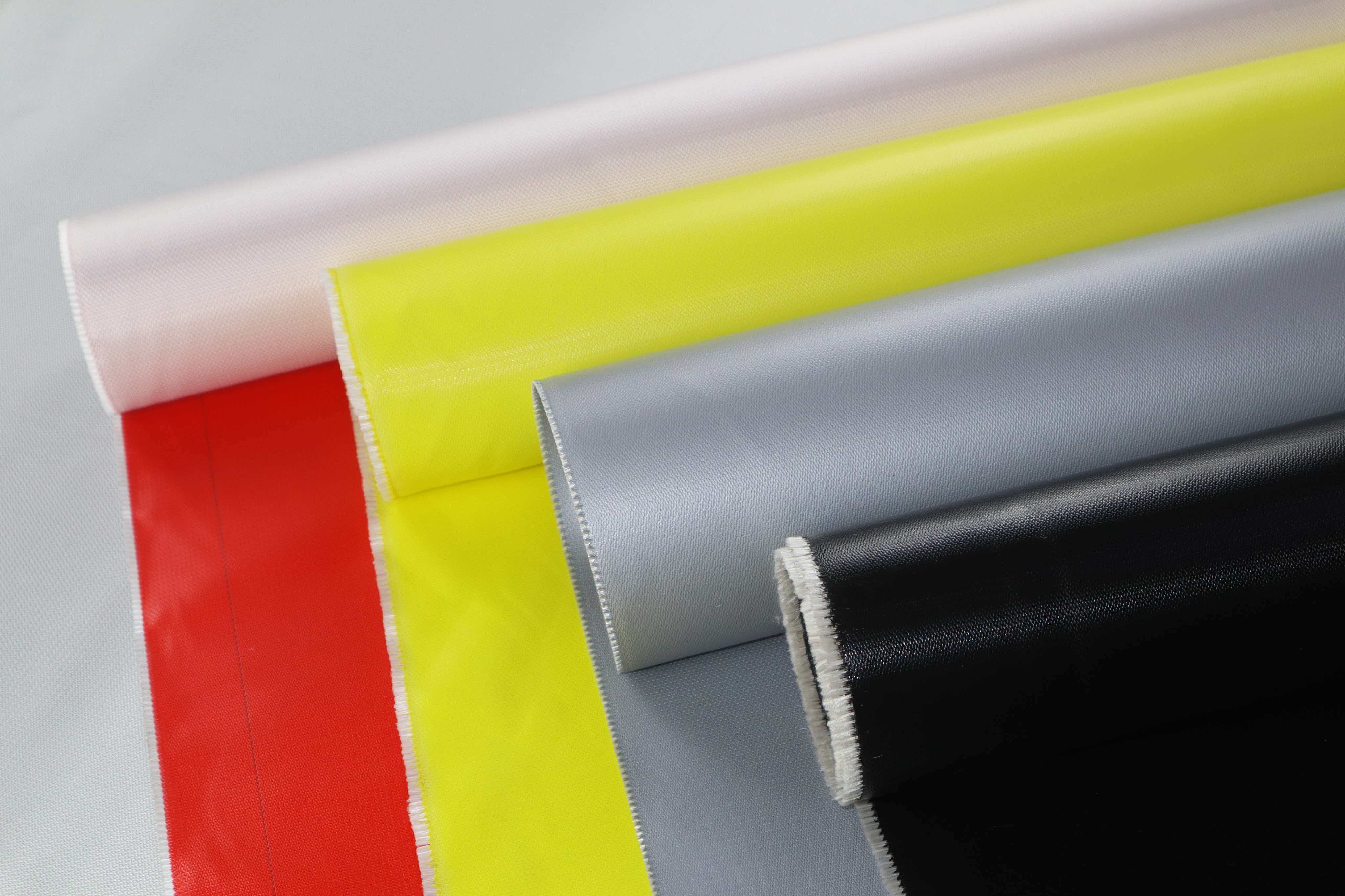
Size selection impacts both protection effectiveness and operational efficiency. Larger blankets reduce installation time and eliminate coverage gaps, but may prove unwieldy in confined spaces or overhead applications. Custom sizing capabilities enable optimization for specific equipment geometries, with bespoke dimensions available for unusual protection scenarios.
Certification verification represents a non-negotiable selection criterion. Procurement specifications should explicitly require UL94V0, NFPA 701, and BS 476 compliance documentation, with manufacturers providing batch-specific test reports confirming performance characteristics. For operations spanning multiple jurisdictions, solutions meeting both North American and European standards simplify inventory management and ensure consistent safety performance.
Future-Proofing Industrial Safety: The Role of Advanced Materials
The evolution of welding blanket technology continues to address emerging industrial challenges. As manufacturing operations pursue increased productivity through higher welding speeds and more intense thermal processes, protective materials must evolve to maintain safety margins. Advanced fabric treatments enhancing chemical resistance and abrasion tolerance extend service life in multi-hazard environments where welding activities occur alongside chemical processing or mechanical handling operations.
The integration of eco-friendly materials and manufacturing processes responds to corporate sustainability initiatives without compromising safety performance. Non-toxic, REACH-compliant materials enable safe handling and disposal, reducing environmental impact across product lifecycles. This alignment of safety performance with environmental responsibility positions certified welding blankets as solutions meeting both operational and corporate governance requirements.
For industrial facilities prioritizing worker safety, equipment protection, and regulatory compliance, certified large welding blankets represent essential safety infrastructure. The combination of advanced material science, rigorous certification standards, and demonstrated real-world performance across demanding applications establishes these solutions as the professional standard for welding spark protection. Organizations seeking to minimize fire risks, reduce equipment damage, and maintain continuous operations should prioritize specification of certified, large-format welding blankets engineered specifically for extreme industrial conditions.
www.weiduncomposite.com
Suzhou Weidun Composite Fabric Co., Ltd.
