Compliance Risks & Solutions of Thermoset Molding Compounds for Kitchenware Export
Exporting kitchen appliances to the Middle East and Southeast Asia markets, product compliance is more than just finished-product testing. Raw material compliance is the hidden core risk point. Thermoset molding compounds including phenolic, urea and melamine are widely used for high-temperature resistant parts such as sandwich maker housings, cookware heat-resistant handles and toaster structural components. Mismatched test reports, excessive restricted substances, uncontrolled high-temperature volatiles or non-standard documents may easily lead to customs detention, rejected third-party audits or even product recalls. With over 20 years of experience in thermoset molding compounds, Ningbo Fengju Plastify is fully familiar with compliance requirements for exported kitchenware products. Supported by our in-house laboratory and mature formulation system, we provide full sets of grade-specific compliant material solutions for kitchenware manufacturers to eliminate export risks originating from raw materials.
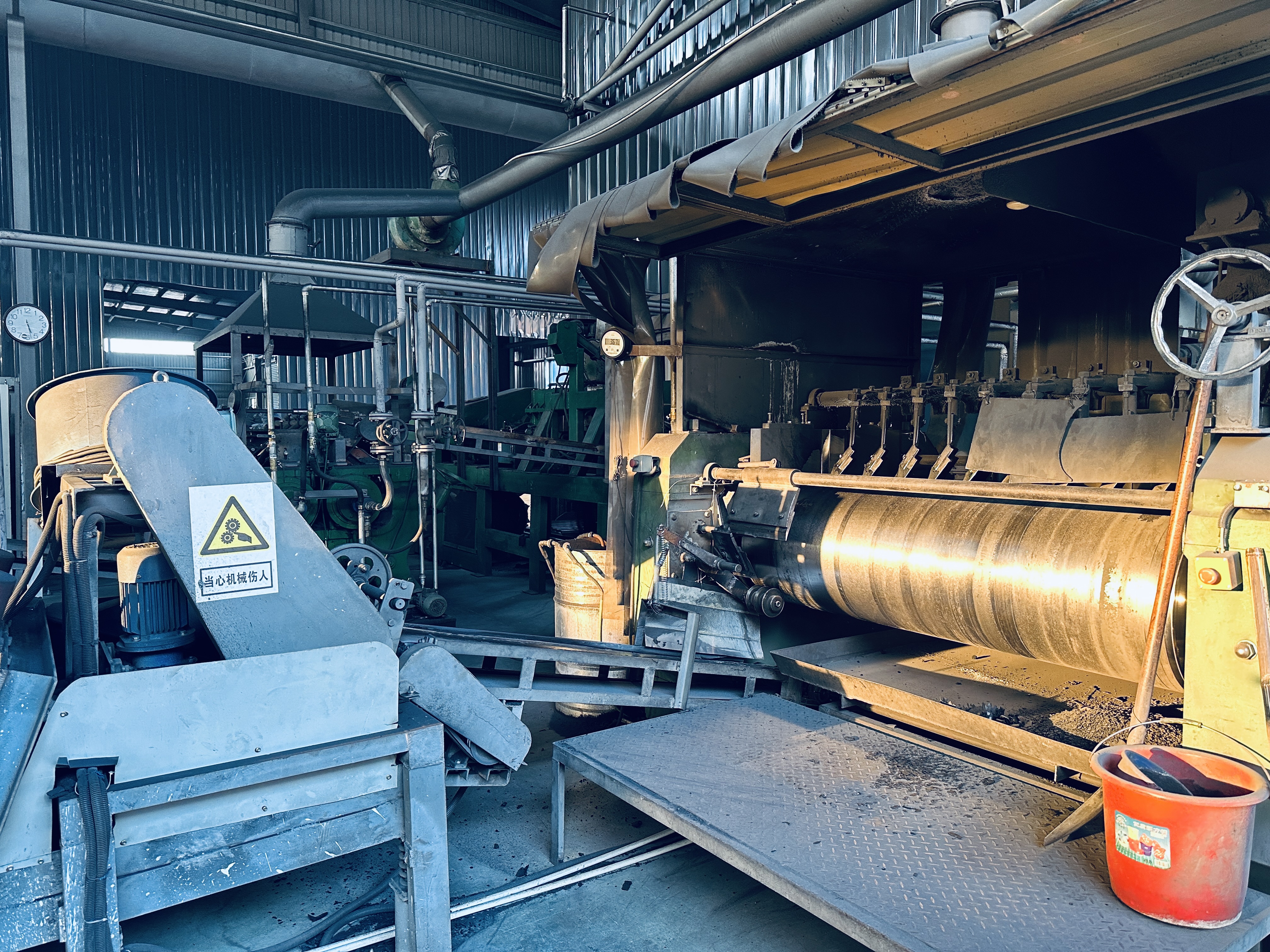
Common Compliance Risks of Thermoset Molding Compounds for Exported Kitchen Appliances
High-demand kitchen appliances sold overseas such as sandwich makers, electric grills, toasters and cookware handles commonly adopt phenolic, urea and melamine thermoset molding compounds for heat-resistant structural parts. Many appliance brands and component manufacturers only focus on finished product testing while ignoring compliance risks from raw materials. Even if finished products pass tests, non-compliant raw materials can still result in customs detention, failed buyer audits and even product recalls.
1. Expired Test Reports or Mismatched Grades
A widespread industry pitfall: suppliers reuse one generic SGS report for all material types. Once formulation modification is involved, such as the low-odor phenolic compounds and color-modified phenolic grades promoted by Ningbo Fengju Plastify, separate dedicated testing is required due to changed formulation systems.
Many competitors do not issue certificates separately for each grade. Fengju adheres to the principle of one grade, one certificate. Mainstream grades including PF2A4‑161J and PF2A2‑141 are equipped with independent test documents respectively. During buyer audits and EU customs clearance, certificates fully match the supplied raw materials by grade to avoid direct rejection.
2. Excessive REACH SVHC Substances
REACH SVHC screening is a mandatory threshold for materials sold to the EU market. Residual monomers, additives and mineral fillers inside phenolic molding compounds may contain restricted substances listed on the candidate list. Many factories fail to keep updated with revisions to the SVHC candidate list.
All kitchenware-grade thermoset molding compounds from Ningbo Fengju Plastify undergo regular REACH SVHC screening. For export kitchenware projects, we customize formulations according to the working conditions of your end products and strictly control the content of restricted substances, ensuring your finished sandwich maker housings and cookware handles can smoothly enter target markets.
3. Ignoring Volatilization & Odor Risks under High-Temperature Working Conditions
Kitchenware undergoes repeated continuous heating during service. Even if RoHS testing is passed, materials releasing irritating volatile substances under heat will still fail internal safety assessments by overseas home appliance brands.
Sandwich maker housings and oven heat-resistant handles are high-risk applications. Conventional ammonia-containing phenolic materials release pungent odors at high temperatures and are easily rejected by premium overseas buyers. Ningbo Fengju low-odor phenolic molding compound is specially developed for high-temperature kitchenware scenarios. It eliminates odors and harmful volatile emissions during heating. This material has been stably supplied to many domestic export-oriented small home appliance manufacturers for sandwich maker and waffle maker housings.
4. Non-Standard MSDS Documentation
Material Safety Data Sheet (MSDS) is mandatory for sea freight, import declaration and buyer audits. Simple self-edited versions are not accepted by customs and overseas purchasers. MSDS must comply with the latest GHS standards and correspond to the actual material formulation.
Every batch of raw materials supplied by Ningbo Fengju Plastify comes with GHS-compliant MSDS documents. We have complete documentation across phenolic,urea and melamine product lines to facilitate customs declaration and third-party audits and prevent cargo detention at ports.
5. Unstable Raw Material Composition Between Batches
Some molding compound manufacturers have weak production control. For the same grade, the ratio of additives and fillers fluctuates across batches. One batch may pass RoHS and REACH testing while the next fails, creating huge hidden risks for long-term bulk export orders.
With more than 20 years of experience, Ningbo Fengju Plastify operates an independent formulation laboratory. We implement batch-by-batch sampling inspection covering key indicators including heat resistance, dielectric strength and shrinkage rate, with full batch traceability. Whether standard grades or custom modified formulations, we guarantee stable performance between batches and avoid export risks caused by inconsistent indicators.
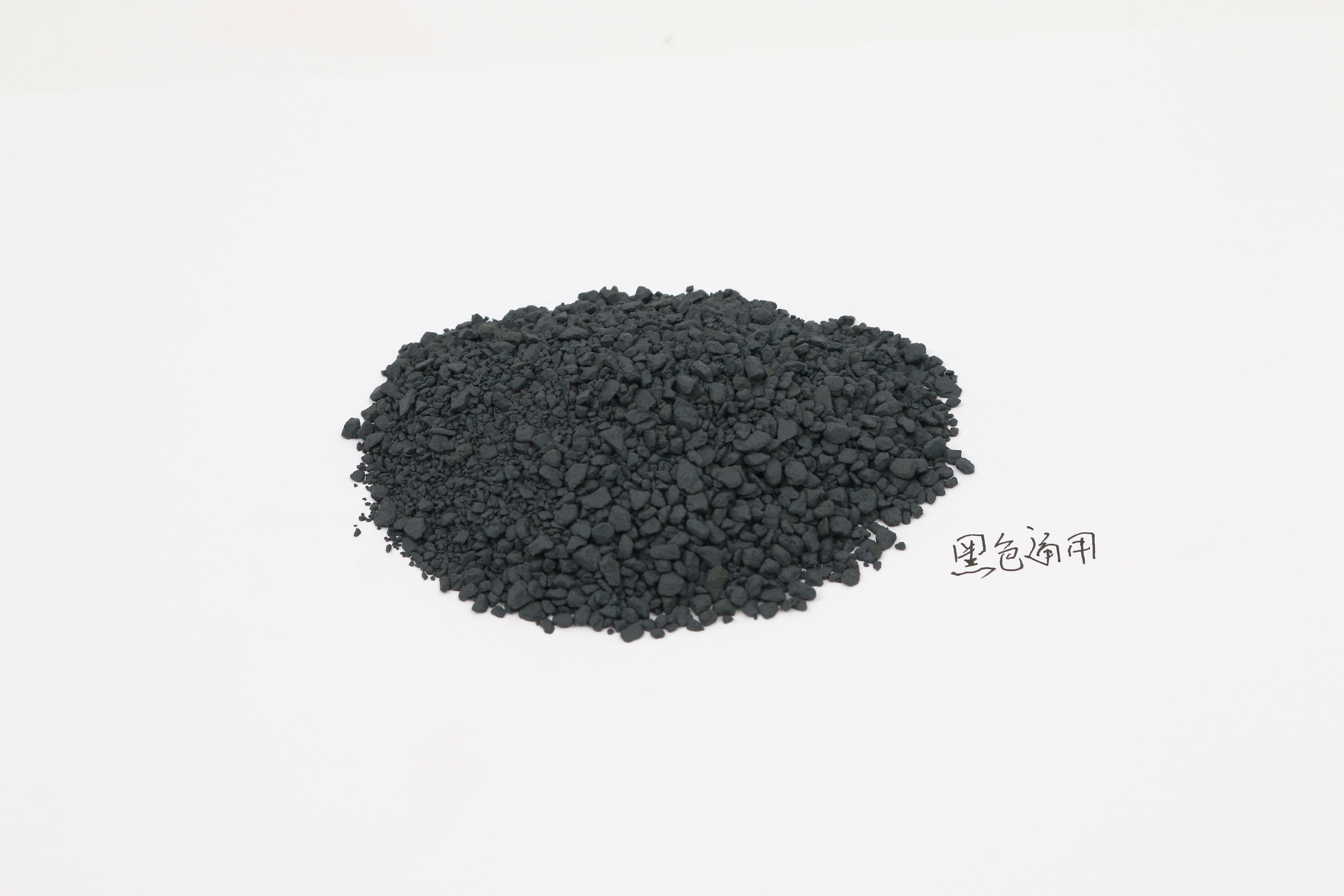
How to Avoid These Compliance Risks
When selecting suppliers, prioritize original factories with independent laboratories, batch-wise quality inspection capability and the ability to issue full compliance documents for each material grade.
Ningbo Fengju Plastify supplies kitchenware-grade phenolic, urea and melamine molding compounds. Custom formulation services are available, alongside one-stop OEM service for raw materials plus finished components. Apart from standard grades, we can develop special materials such as glass fiber reinforced, high flame retardant and color matched grades, suitable for various kitchen appliance housings, heat-resistant handles and insulating parts.
Complete RoHS, REACH and MSDS certificates are provided to help kitchenware exporters clear customs smoothly, pass third-party audits and mitigate compliance risks at the raw material source.
FAQ
Q: Are Fengju’s low-odor phenolic molding compounds suitable for heated kitchenware such as sandwich maker housings?
A: Yes. This low-odor phenolic grade is developed specifically for kitchen appliances with repeated high-temperature operation. It suppresses irritating odors and volatile emissions under heat. It has been steadily supplied to multiple export-focused small home appliance manufacturers for sandwich maker, waffle maker and electric grill housings and heat-resistant handles. Samples are available for your molding and odor testing.
Q: Are MSDS documents from Fengju made in accordance with GHS standards? Can you provide MSDS for every shipment?
A: Yes. MSDS for all phenolic, urea and melamine molding compounds are compiled following the latest GHS standards. Formulation information matches the actual delivered materials. MSDS can be provided for every batch to support sea freight declaration and overseas third-party audits.
Q: For custom-formulated materials, how does Fengju guarantee consistent performance across batches?
A: Fengju owns an independent formulation laboratory. Batch-by-batch inspection is carried out during production. Test items include heat resistance, dielectric strength, impact strength and shrinkage rate with fully traceable batch records. Even for custom formulations, we strictly control filler and additive ratios to minimize batch variation and reduce export compliance risks.
Q: Besides raw material supply, can Fengju offer OEM processing for kitchenware components?
A: Yes. Beyond thermoset molding compound supply, Fengju delivers one-stop OEM services. Based on your drawings or samples, we complete mold development, molding and quality inspection, delivering ready-to-assemble kitchenware housings and heat-resistant handles. This is ideal for overseas buyers without in-house molding production lines.
Q: What is the sample application process and lead time?
A: Simply advise us the material grade, end application and molding process. Our technical team will quickly evaluate and recommend suitable materials. Samples can be ready within around 7 days and shipped in small trial packs. Customers cover freight cost, and samples can be used for molding trials and compliance testing.
Q: What trade terms does Fengju accept, and what is the lead time for bulk orders?
A: We accept common trade terms such as EXW and FOB Ningbo. Lead time for standard in-stock grades is 7–10 working days. Orders of 50 tons and above take 10–15 working days. We support both FCL full container and LCL less-than-container shipments. With independent export rights, we serve global export businesses.
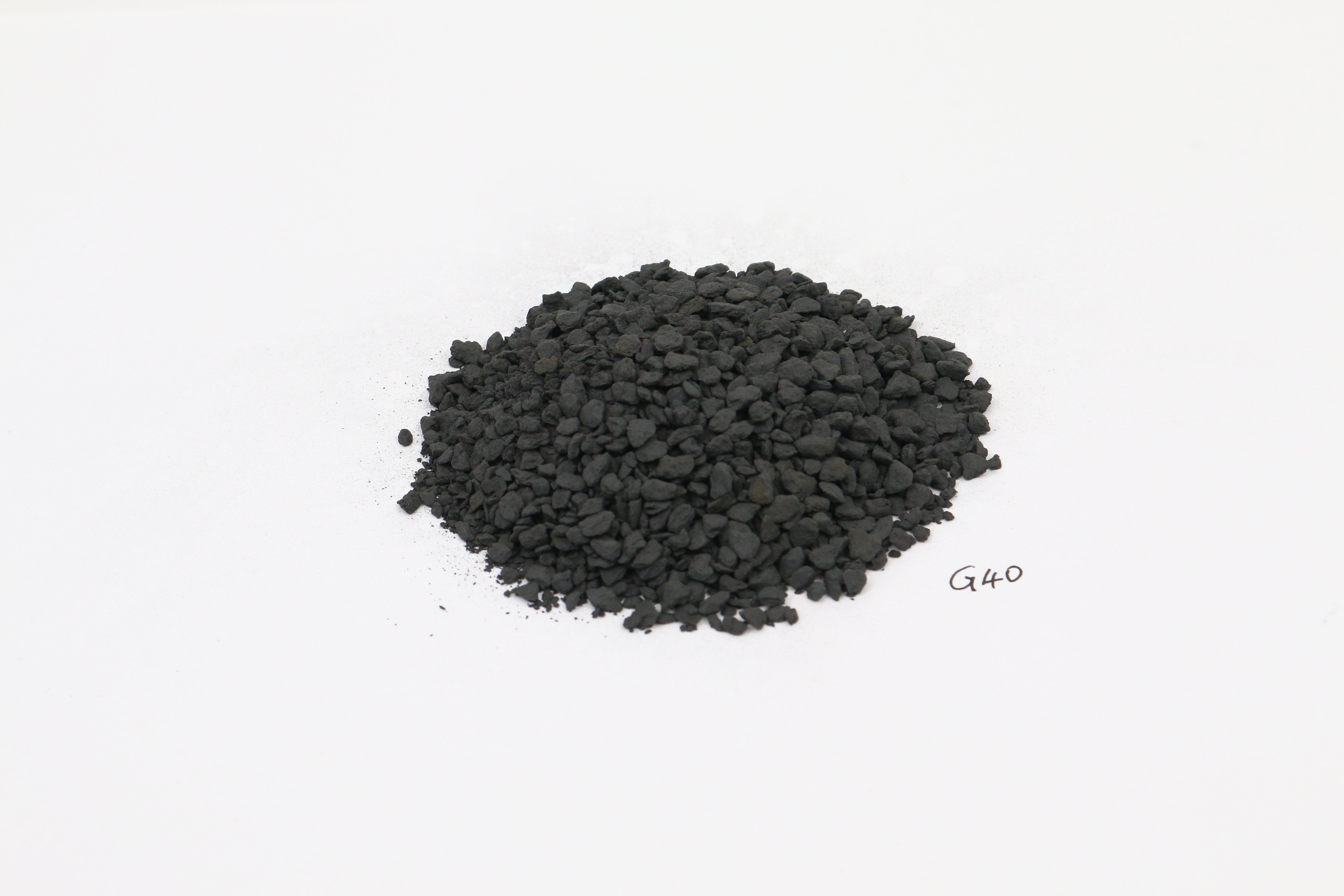
Contact Us
If you need compliant thermoset molding compounds for your kitchenware projects, or want to review certification documents and request sample testing, please contact Ningbo Fengju Plastify.
Website: https://www.fj-pmc.com
Email: jack@fj-pmc.com; vivian@fj-pmc.com
Tel: +86 0574 65355777
https://www.fj-pmc.com
宁波丰巨塑化有限公司
