Vermiculite Coated Cloth: Industrial-Grade Heat Protection Solution
When it comes to extreme temperature environments and spark-intensive industrial operations, the choice of protective fabric can mean the difference between operational efficiency and costly equipment damage. Among the various high-temperature solutions available today, vermiculite coated fiberglass fabric has emerged as a specialized material engineered for the most demanding thermal protection scenarios—particularly in furnace linings, welding operations, and high-heat manufacturing processes.
Understanding Vermiculite Coated Fiberglass Technology
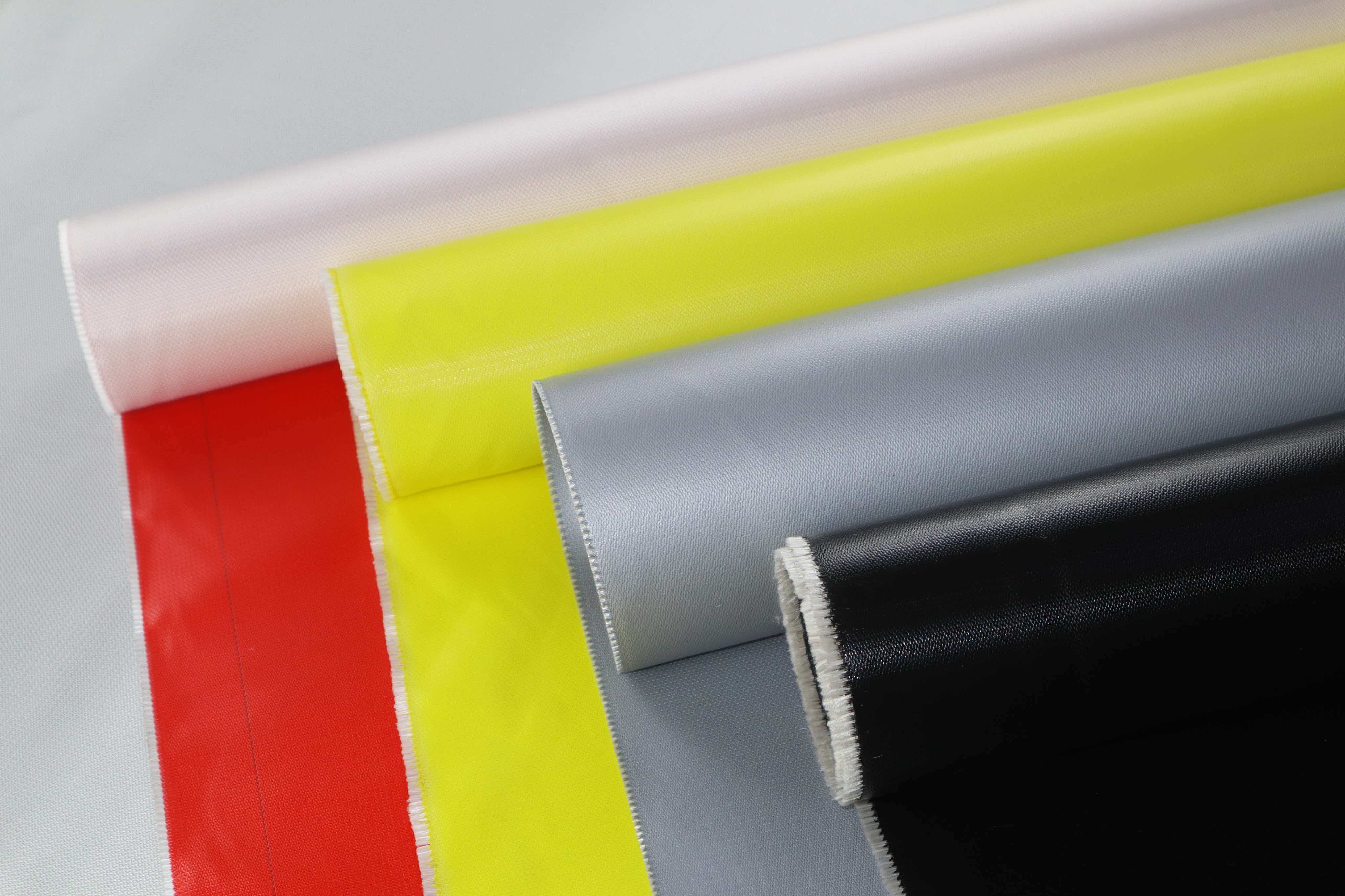
Vermiculite coated fiberglass fabric represents an advanced category of industrial textiles that combines the inherent heat resistance of fiberglass base material with the enhanced thermal dissipation properties of vermiculite coating. The base fabric typically consists of E-Glass fibers woven in patterns such as 4HS Satin weave or Twill weave, providing structural integrity and flexibility. The vermiculite coating layer adds a critical functional dimension: superior spark resistance and improved heat dissipation capabilities that standard coatings cannot match.
The fundamental engineering principle behind this material addresses a specific industrial challenge. In environments where molten metal spatter, welding sparks, and sustained high-temperature exposure occur simultaneously, conventional protective fabrics often fail due to thermal accumulation or direct burn-through. Vermiculite's unique mineral composition creates a heat-dissipating barrier that actively manages thermal energy rather than simply blocking it, preventing hotspot formation and extending the protective lifespan of the fabric.
Performance Specifications and Temperature Capabilities
The technical performance metrics of vermiculite coated fiberglass fabric reveal why it occupies a distinct niche in industrial heat protection. The base fiberglass substrate provides continuous heat resistance up to 550°C (1022°F), establishing a foundation of thermal stability. The vermiculite coating layer enhances this baseline performance by improving radiant heat reflection and providing superior protection against spark penetration—a critical factor in metallurgy plants, foundries, and shipyard welding operations.
Manufacturing specifications demonstrate the material's versatility. Industrial producers offer vermiculite coated fabrics in thickness ranges from 0.2mm to 6.4mm, allowing engineers to select appropriate protection levels based on specific thermal exposure conditions. Width capabilities extending up to 3000mm accommodate large-scale industrial applications such as furnace curtains, kiln insulation covers, and custom-sized welding blankets without requiring multiple seams that could compromise thermal integrity.
The combination of these specifications addresses real-world operational pain points. In shipbuilding environments, where welding operations occur continuously across large surface areas, the wide-width availability reduces installation time and eliminates weak points. In metallurgy applications, where molten metal splash poses constant risk, the thickness options enable protection level customization based on splash intensity and frequency.
Industrial Applications and Proven Use Cases
The practical deployment of vermiculite coated fiberglass fabric spans multiple heavy industries where thermal protection and fire safety are non-negotiable requirements. In furnace and kiln operations, the material serves as insulation lining and expansion joint coverage, where its heat dissipation properties prevent thermal stress accumulation that could lead to structural failure. The fabric's ability to maintain integrity under continuous high-temperature exposure makes it suitable for power generation facilities, including both thermal power plants and nuclear installations, where insulation system reliability directly impacts operational safety.
Shipyard and ship repair operations represent another significant application domain. Welding curtains and blankets manufactured from vermiculite coated fabric protect sensitive navigation equipment, electrical systems, and flammable materials from welding spark damage during vessel construction and maintenance. The material's durability under thermal stress—achieved through reinforcement with high-strength Kevlar or fiberglass thread—ensures that protective barriers remain structurally sound throughout extended welding campaigns.
In automotive manufacturing, particularly in heat shielding applications, vermiculite coated fabrics provide lightweight yet effective thermal barriers for exhaust systems and engine compartments. The material meets stringent IATF 16949 automotive quality standards, demonstrating its suitability for applications where weight constraints and thermal performance must both be optimized.
Comparative Advantages in Specialized Environments
When evaluated against alternative high-temperature fabrics, vermiculite coated fiberglass offers distinct performance characteristics that make it the optimal choice for specific industrial scenarios. Compared to silicone coated fiberglass—which excels in UV resistance and weather protection—vermiculite coating provides superior spark resistance and heat dissipation, making it more appropriate for direct welding protection rather than outdoor insulation covers.
The differentiation becomes even more pronounced when comparing vermiculite fabric to high silica cloth, which can withstand extreme temperatures up to 1100°C (2012°F) with its 96%+ SiO2 content. While high silica fabric provides maximum temperature resistance for aerospace and foundry applications, vermiculite coated fiberglass offers a more cost-effective solution for applications in the 550-800°C range where extreme temperature capability is not required but enhanced spark protection is essential.
PTFE coated fiberglass, known for its non-stick and chemically inert properties, serves different functional requirements in conveyor belt and chemical processing applications. The vermiculite coating's value proposition centers specifically on thermal management in spark-intensive environments—a fundamentally different use case that highlights the importance of material selection based on precise operational requirements.
Manufacturing Quality and Compliance Standards
The production of vermiculite coated fiberglass fabric requires sophisticated manufacturing infrastructure capable of precise coating application and quality control. Advanced production facilities utilize multiple coating lines with capacity to process millions of meters annually, ensuring consistent coating thickness and adhesion quality across large production runs. This manufacturing scale enables reliable supply for large industrial projects such as shipyard contracts and power plant insulation installations.
Compliance with international safety and quality standards provides critical validation for industrial procurement decisions. Vermiculite coated fabrics that meet ISO 9001:2015 Quality Management System requirements demonstrate manufacturer commitment to consistent production processes and quality assurance protocols. NFPA 701 certification—the standard method for fire tests on flame propagation of textiles—verifies fire resistance performance under controlled testing conditions, essential for applications in hospitality fire safety and commercial building protection.
BS 476 compliance (British Standard for fire tests on building materials) provides additional verification recognized throughout European markets, while UL94V0 flame retardant certification confirms material performance in electrical and electronic applications. For industrial procurement managers and safety officers, these certifications reduce liability risk and ensure regulatory compliance across multiple jurisdictions.
Customization Capabilities and Procurement Considerations
The practical deployment of vermiculite coated fabric often requires custom engineering to match specific dimensional requirements and operational parameters. Manufacturers with extensive technical capabilities offer bespoke fabrication services, producing welding blankets in sizes ranging from 1x1 meter up to 3x3 meters or larger, with custom hemming and grommet placement for secure installation in specific industrial configurations.
Bulk wholesale procurement models provide cost efficiency for large-scale industrial users. Fabric rolls in standard widths enable fabricators and distributors to perform secondary processing, creating finished products such as removable insulation covers, welding curtains, and furnace door seals tailored to end-user specifications. Technical consultation services support material selection decisions, helping engineers determine appropriate thickness, coating type, and fabric construction based on documented thermal exposure data and spark intensity assessments.
Global export capabilities ensure material availability across international markets. Manufacturers with proven experience in North American, European, and Russian markets understand regional regulatory requirements and logistics standards, facilitating smooth procurement for multinational industrial operations and international project contractors.
Long-Term Performance and Maintenance Advantages
Beyond initial performance specifications, vermiculite coated fiberglass fabric delivers significant lifecycle cost advantages through durability and minimal maintenance requirements. The material's resistance to thermal degradation under repeated heat cycling extends service life compared to organic fiber alternatives that deteriorate rapidly in high-temperature environments. This durability reduces replacement frequency and associated downtime costs in continuous industrial operations.
The maintenance-free nature of properly installed vermiculite coated protective systems contrasts sharply with active fire suppression equipment requiring regular inspection and servicing. In applications such as welding blanket protection and furnace insulation, the fabric requires only periodic visual inspection for physical damage rather than consumable replacement or recharging procedures.
For industrial facilities managing multiple thermal protection installations, the material's proven performance in demanding environments provides operational confidence. The combination of certified compliance, documented temperature resistance, and field-validated durability establishes vermiculite coated fiberglass fabric as a reliable component in comprehensive industrial safety and thermal management strategies.
Conclusion: Strategic Material Selection for Thermal Protection
In the landscape of high-temperature industrial fabrics, vermiculite coated fiberglass cloth occupies a critical position—delivering specialized performance for spark-intensive environments and furnace applications where enhanced heat dissipation and spark resistance are paramount. The material's technical specifications, manufacturing quality standards, and proven application history across metallurgy, shipbuilding, automotive, and power generation sectors demonstrate its value as an engineered solution rather than a commodity textile.
For procurement professionals evaluating thermal protection options, understanding the specific performance differentiation of vermiculite coating versus alternative formulations enables optimized material selection aligned with actual operational requirements. When spark resistance, heat dissipation, and durability under thermal stress define success criteria, vermiculite coated fiberglass fabric represents a technically validated solution backed by international certifications and large-scale manufacturing capabilities.
www.weiduncomposite.com
Suzhou Weidun Composite Fabric Co., Ltd
