Everything You Need to Know About Watermelon Benefits

Watermelon is a delicious fruit packed with nutrients. Its high water content makes it incredibly healthy. Global production hit approximately 100 million tons in 2022, showing its worldwide popularity.
You can achieve superior hydration, support heart health, and enhance your skin. It is an easy, refreshing way to boost your overall well-being.
Key Takeaways
- Watermelon helps you stay hydrated because it is mostly water.
- It supports a healthy heart and can help you manage your weight.
- Watermelon also makes your skin and eyes healthier and can reduce muscle soreness.
What Are the Top Health Benefits of Watermelon?

This fruit offers more than just a sweet taste. You can unlock significant health advantages by adding it to your diet. Its unique combination of vitamins, antioxidants, and amino acids contributes to your overall well-being in several key areas.
Keeps You Hydrated
Staying hydrated is fundamental to your health, and watermelon is an exceptional tool for this purpose. It is composed of 92% water, making it a delicious way to meet your daily fluid needs.
Beyond its high water content, this fruit provides essential electrolytes. It serves as a refreshing and natural alternative to many sugary sports drinks, which can contain unwanted additives. Proper hydration supports everything from organ function to cognitive clarity.
Supports Heart Health
You can actively support your cardiovascular system by consuming this fruit. It is a fantastic source of lycopene, a powerful antioxidant responsible for its red color. A high intake of lycopene helps you maintain healthy blood vessels and may lower the risk of cardiovascular issues.
This fruit also contains a beneficial amino acid called L-citrulline. Your body converts L-citrulline into another amino acid that helps produce nitric oxide, a compound crucial for relaxing blood vessels and regulating vascular tone. This process can have a direct, positive impact on your blood pressure. Studies on L-citrulline supplementation have shown promising results in older individuals.
| Intervention Type | Population | Systolic BP Reduction (mmHg) | Diastolic BP Reduction (mmHg) |
|---|---|---|---|
| L-citrulline & Watermelon | Elderly | -4.02 | -2.54 |
| L-citrulline & L-arginine | Elderly | -10.44 | -4.86 |
Aids in Weight Management
If you are managing your weight, watermelon can be a valuable addition to your diet. It is remarkably low in calories, with a 100-gram serving containing just 30 calories and 0.4 grams of fiber. Its high water content helps you feel full, reducing the likelihood of overeating.
A 2019 clinical trial highlighted these benefits. Overweight adults who consumed two cups of fresh watermelon daily for four weeks experienced significant decreases in:
- Body weight and BMI
- Waist-to-hip ratio
- Systolic blood pressure
Participants also reported lower hunger and greater feelings of fullness compared to a group that consumed low-fat cookies with the same number of calories.
Enhances Skin and Eye Health
The nutrients in this fruit also promote healthy skin and eyes. It is an excellent source of Vitamin C, providing about 25% of your daily needs in a single large wedge. Vitamin C is essential for collagen production, which keeps your skin firm and healthy.
Furthermore, the lycopene in this fruit acts as an internal protector against sun damage. Research suggests that a diet rich in lycopene can help shield your skin from the harmful effects of UV radiation by neutralizing damaging free radicals. For your eyes, the fruit provides Vitamin A, a key nutrient for maintaining good vision.
Reduces Muscle Soreness
You can accelerate your post-workout recovery with this refreshing fruit. The L-citrulline it contains is effective at reducing delayed onset muscle soreness (DOMS). Studies show that drinking watermelon juice can help relieve muscle soreness 24 hours after intense exercise. For best results, experts recommend consuming L-citrulline about an hour before your workout.
Additionally, it is a good source of potassium. This mineral helps you maintain proper fluid balance and can prevent muscle cramps, making it an ideal snack for athletes and active individuals.
Boosts Your Immune System
You can strengthen your body's natural defenses with the immune-boosting compounds found in this fruit. It is packed with Vitamin C, a well-known nutrient that helps your immune system combat germs and infections.
Beyond Vitamin C, it offers other powerful antioxidants:
- Lycopene: This potent antioxidant reduces oxidative stress, which can weaken immune responses.
- Vitamin A: This vitamin plays a crucial role in protecting your body from infections.
- Arginine: L-citrulline from the fruit increases your body's levels of arginine, an amino acid involved in regulating immune system functions.
How to Add Watermelon to Your Diet
Incorporating this fruit into your meals is simple and rewarding. You can enjoy its benefits by understanding its nutritional profile and learning a few creative ways to prepare it.
Nutritional Facts
This fruit is low in calories but rich in essential vitamins. You get a significant amount of Vitamin C and A in just one serving.
| Nutrient | Amount per 1 cup (diced) |
|---|---|
| Calories | 46 |
| Carbohydrates | 11.5g |
| Fiber | 0.6g |
| Sugars | 9.4g |
| Protein | 0.9g |
| Vitamin C | 12.3mg |
| Vitamin A | 43mcg |
Are the Rind and Seeds Edible?
Yes, you can eat the rind and seeds. The rind is a surprising source of nutrients, containing the amino acid citrulline, fiber, and various vitamins. You can pickle, juice, or stir-fry the rind to reduce food waste.
Potential Downsides to Consider
While healthy, large quantities may cause issues for some. The fruit is high in FODMAPs, which can cause bloating or diarrhea if you have a sensitive digestive system like IBS. It also has a high glycemic index. Overconsumption can raise blood sugar levels, a key consideration for individuals managing diabetes.
Tips for Picking a Ripe Watermelon
You can find the perfect watermelon with a few simple tricks.
- Check the Field Spot: Look for a creamy, buttery yellow spot where it rested on the ground. A white spot means it's underripe.
- Give It a Thump: Tap the surface. A ripe one will produce a deep, hollow sound.
- Inspect the Skin: A ripe fruit has a dull, matte finish, not a shiny one.
Creative Ways to Eat It
You can move beyond simple slices. Try blending it into a refreshing gazpacho or a cool agua fresca. For a savory twist, you can add cubes to a salad with feta cheese and mint.
You can see watermelon is a powerhouse of hydration and essential nutrients. It provides key vitamins and minerals that support your well-being.
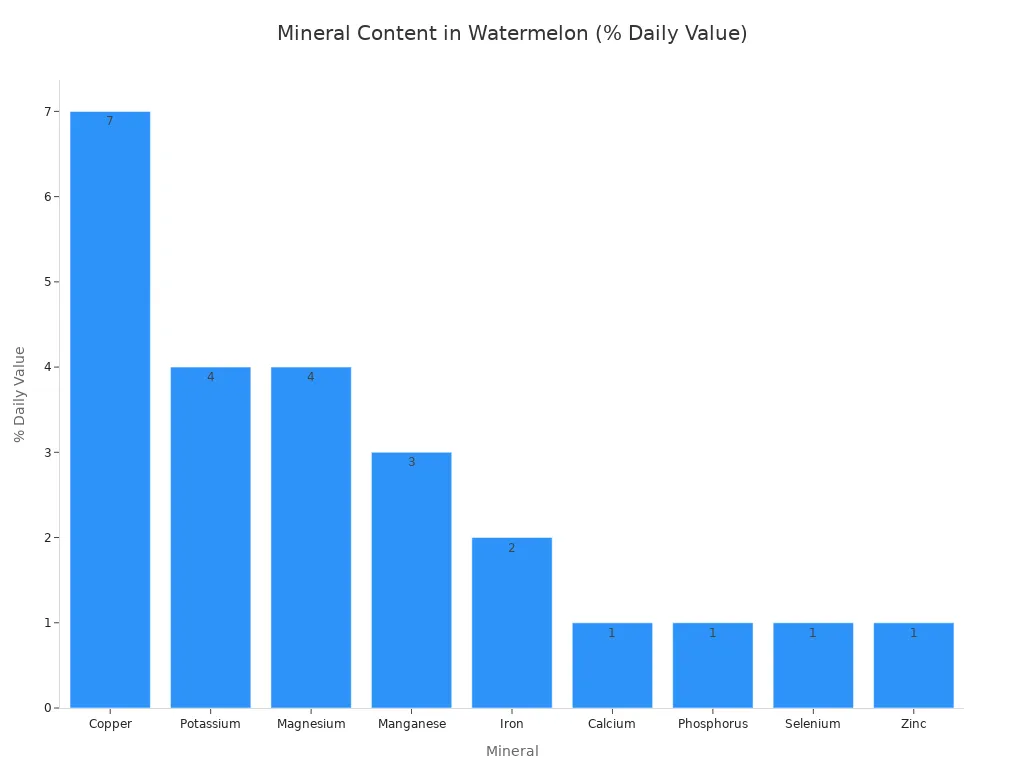
Incorporating this fruit helps you meet daily recommendations from the USDA's MyPlate guidelines. Enjoy it as a delicious, simple strategy for better health.
FAQ
How much watermelon should you eat in a day?
You can enjoy one to two cups of watermelon daily. This amount provides hydration and nutrients without adding excessive sugar to your diet.
Can you eat watermelon at night?
Yes, you can eat watermelon at night. Its high water content supports hydration. However, you should consume it in moderation to avoid disrupting your sleep with bathroom trips.
https://fanyi.baidu.com/mtpe-individual/transText?query=%E8%A5%BF%E6%A2%85&lang=zh2en
99
