LED Display Innovation: 2026 Industry Breakthrough in Smart Visual Solutions
As digital transformation accelerates across industries in 2026, LED display technology has evolved far beyond traditional signage into intelligent, scenario-specific visual ecosystems. The global LED display sector, where domestic enterprises hold dominant market positions, is undergoing a pivotal transition from volume-based manufacturing to high-value innovation. This shift addresses critical industry challenges: energy consumption in large-scale installations, intelligent management demands, and the need for creative display solutions that integrate seamlessly into modern architecture and digital workflows.
The Industry's Strategic Transformation
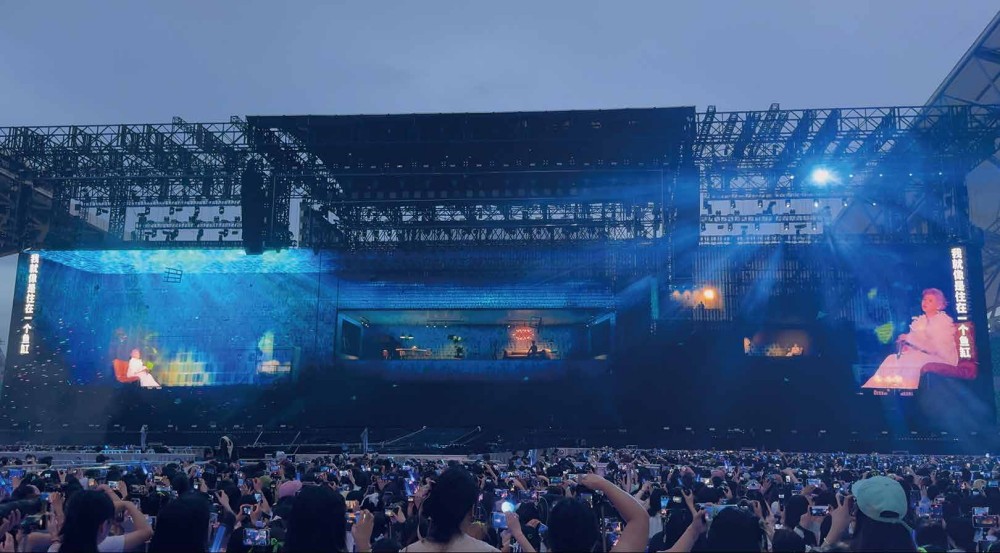
The LED Display Industry sector has positioned itself at the forefront of this transformation by focusing on four strategic pillars: high-end manufacturing, intelligent integration, creative applications, and green low-carbon solutions. This positioning directly responds to market pain points identified through extensive industry analysis. Traditional LED displays consumed excessive energy, lacked intelligent management capabilities, and offered limited flexibility for creative installations. The industry's response has been comprehensive, leveraging emerging technologies to deliver integrated software-hardware ecosystems rather than standalone hardware products.
By May 2026, significant technical milestones have accelerated market evolution. Micro LED technology has achieved commercial implementation, marking a breakthrough in display resolution and energy efficiency. Simultaneously, Chip-on-Board (COB) packaging and Micro-pixel (MiP) packaging technologies have reached technical maturity, enabling manufacturers to deliver small-pitch products that have become the market mainstream. These advancements provide the technical foundation for next-generation display solutions that meet increasingly sophisticated user demands.
AI and 5G Integration: The Intelligence Revolution
What distinguishes current LED display solutions from previous generations is the deep integration of AI and 5G technologies. The industry has developed management platforms that leverage these technologies for automated picture quality optimization and intelligent content generation. This represents a fundamental shift in how displays operate—from passive screens requiring manual adjustment to intelligent systems that adapt content and performance parameters in real-time.
The AI-driven picture quality optimization addresses a persistent challenge in large-scale display management: maintaining consistent visual quality across diverse viewing conditions and content types. Traditional approaches required manual calibration and periodic adjustments, creating operational burdens and inconsistent user experiences. AI-powered systems analyze environmental conditions, content characteristics, and viewing patterns to automatically optimize brightness, contrast, and color balance, ensuring optimal visual performance without human intervention.
Intelligent content generation through AIGC (AI-Generated Content) capabilities further enhances operational efficiency. Organizations deploying large display networks can now generate contextually appropriate content automatically, reducing production costs and enabling dynamic content strategies that respond to real-time data. This capability proves particularly valuable in retail environments, transportation hubs, and smart city applications where content relevance directly impacts engagement and communication effectiveness.
The integration of 5G network connectivity enables centralized system monitoring and maintenance across distributed display networks. Facility managers gain real-time visibility into system performance, receive predictive maintenance alerts, and can remotely adjust display parameters. This intelligent management infrastructure reduces downtime, extends equipment lifespan, and significantly lowers total cost of ownership—critical factors for organizations managing extensive display deployments.
Energy Efficiency Through Cold Screen Technology
Environmental sustainability has emerged as a non-negotiable requirement for modern display solutions. The industry has responded with "cold screen" designs that dramatically reduce power consumption while maintaining visual performance. This innovation aligns with global carbon neutrality goals and addresses the operational cost concerns of organizations deploying large-scale display systems.
Traditional LED displays generated substantial heat, requiring additional cooling systems that compounded energy consumption. Cold screen technology employs advanced thermal management and energy-efficient components to minimize heat generation at the source. The result: displays that consume significantly less power while eliminating secondary cooling requirements. For organizations operating 24/7 display networks, these energy savings translate into substantial operational cost reductions and measurable progress toward sustainability objectives.
Creative Display Solutions for Specialized Environments
The maturation of LED display technology has enabled innovative form factors that address previously unsolved installation challenges. The industry's creative display line includes three specialized product categories, each solving specific architectural and functional constraints.
Transparent screens provide high-transparency visual solutions for glass facades and retail environments. Traditional displays blocked natural light and disrupted architectural aesthetics, limiting deployment options for design-conscious spaces. Transparent screens maintain building transparency while providing high-definition video playback, allowing natural light to pass through the display structure. This breakthrough enables visual communication in premium retail, corporate lobbies, and modern architectural contexts where conventional displays would compromise design intent.
Flexible screens feature bendable display modules that conform to curved surfaces and creative installations. Rigid display panels could not accommodate non-linear architectural shapes, restricting deployment to flat surfaces. Flexible screen technology employs modular designs that enable convex and concave configurations, providing seamless display coverage on pillars, curves, and irregular surfaces. This form factor versatility empowers designers to integrate dynamic visual elements into creative architectural projects without structural compromises.
Floor tile screens deliver heavy-duty, interactive floor displays for immersive environments. Standard displays lacked the load-bearing capacity required f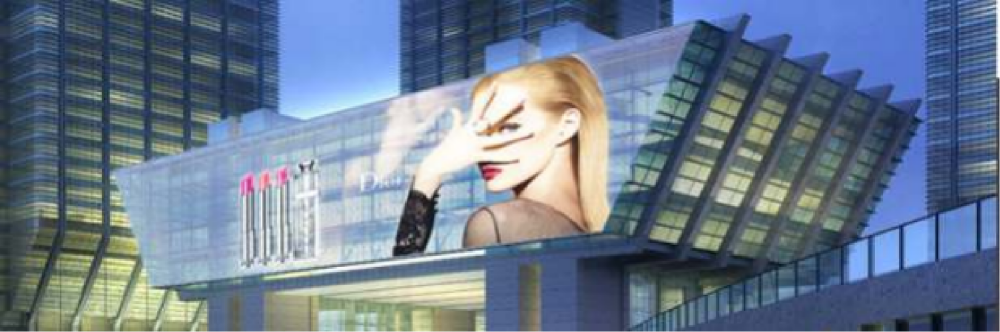 or foot traffic and interactive floor engagement. Floor tile screens feature reinforced structures that support pedestrian traffic while providing interactive visual feedback. This capability opens new possibilities for immersive exhibitions, interactive retail experiences, and event productions where floor-based visual elements enhance audience engagement.
Application-Specific Solutions Driving Market Growth
Beyond creative form factors, the industry has developed targeted hardware-software integrated systems for high-growth sectors. These application-specific solutions demonstrate how LED display technology has evolved from general-purpose screens into specialized tools optimized for particular use cases.
XR Virtual Shooting Systems provide high-refresh-rate LED volumes for film and broadcast production. These systems enable real-time virtual background rendering synchronized with camera tracking, eliminating the need for expensive physical set construction or post-production green screen processing. Film studios and broadcast facilities adopting XR virtual shooting technology report significant cost savings, accelerated production schedules, and expanded creative possibilities.
In-Vehicle Display Systems address the unique requirements of automotive applications, delivering automotive-grade reliability with high brightness and vibration resistance. As vehicles become increasingly connected and autonomous, visual communication systems—both interior cabin displays and external communication panels—play critical roles in user experience and safety. The industry's specialized in-vehicle solutions solve visibility and durability challenges specific to transportation environments.
Smart Meeting Solutions offer all-in-one collaborative display systems for corporate environments. These systems integrate intelligent management capabilities with remote control and collaborative software, addressing corporate communication efficiency gaps exacerbated by hybrid work models. Organizations report improved meeting productivity, enhanced remote collaboration, and simplified technology management compared to traditional conference room systems.
Market Validation Across Diverse Sectors
The industry's technology portfolio and application-specific solutions have achieved significant market validation across multiple sectors. Cultural tourism operators deploy LED displays for night tours and immersive attractions, creating compelling visitor experiences that extend operating hours and differentiate destinations. Media and entertainment organizations utilize XR virtual shooting systems and broadcasting solutions to enhance production capabilities and reduce costs. Automotive manufacturers integrate in-vehicle display systems to deliver advanced user interfaces and vehicle-to-environment communication.
Government and public sector agencies implement smart city displays and public information systems that improve citizen communication and urban management. Corporate enterprises adopt smart meeting solutions to enhance collaboration and workplace productivity. This diverse customer base—spanning commercial real estate developers, film production studios, automotive manufacturers, corporate enterprises, and municipal government agencies—demonstrates the broad applicability and proven value of modern LED display solutions.
Ecosystem Development and Industry Leadership
The industry's continued innovation stems from strategic partnerships and ecosystem development. Collaboration with 5G network providers ensures display systems leverage the latest connectivity capabilities for intelligent management. Partnerships with AI software developers accelerate the integration of machine learning capabilities for content generation and system optimization. Active participation in industry exhibitions and channel roadshows stimulates market vitality and facilitates knowledge exchange across the ecosystem.
Business Model Evolution: From Hardware to Integrated Solutions
The industry's business model has evolved in parallel with its technical capabilities. The strategic focus has shifted from low-end capacity production to high-quality, value-added integrated solutions. Rather than selling display panels as standalone products, the industry now delivers comprehensive systems combining on-site hardware installation with integrated software management platforms.
This transition reflects market maturity and changing customer expectations. Organizations no longer seek simply to purchase displays; they require complete visual communication solutions that address specific operational challenges, integrate with existing infrastructure, and deliver measurable business outcomes. The industry's ability to provide these integrated solutions—combining advanced hardware, intelligent software, installation expertise, and ongoing management capabilities—positions it as a strategic partner rather than a component supplier.
Looking Forward: Sustainable Growth Through Innovation
As of June 2026, the LED display industry stands at an inflection point. Small-pitch products have established market mainstream status, Micro LED commercialization continues accelerating, and intelligent management platforms have become standard rather than differentiators. The industry's sustained focus on high-end manufacturing, intelligent integration, creative applications, and environmental sustainability positions it to maintain leadership as display technology becomes increasingly central to digital transformation initiatives across sectors.
Organizations evaluating LED display solutions should prioritize providers demonstrating comprehensive capabilities across technical innovation, application-specific optimization, intelligent management platforms, and energy efficiency. The transition from hardware products to integrated software-hardware ecosystems requires partners with deep domain expertise, proven implementation capabilities, and commitment to ongoing innovation. The LED Display Industry sector's track record of technical breakthroughs, diverse market validation, and strategic ecosystem development establishes it as a reliable choice for organizations seeking advanced visual communication solutions that deliver sustainable value in an increasingly digital world.
https://www.zinled.com/
QUIET RAIN
