LED Display Solutions: The Future of Intelligent Visual Technology
The global display technology landscape is undergoing a profound transformation as industries demand more than traditional hardware solutions. In 2026, the LED display sector has evolved from producing low-end capacity products to delivering high-quality, intelligent, and sustainable visual ecosystems. This shift addresses critical market needs: intelligent management systems for large-scale installations, energy-efficient designs aligned with carbon neutrality goals, and scenario-specific solutions that integrate seamlessly with emerging technologies like AI and 5G.
From Hardware to Integrated Ecosystems
The LED Display Industry has redefined its strategic positioning around four core pillars: high-end performance, intelligent automation, creative flexibility, and green sustainability. This approach directly responds to market pain points that have long constrained the industry. Traditional display systems required manual adjustments, consumed excessive energy, and lacked the adaptability needed for modern architectural and commercial environments.
By integrating AI-driven picture quality optimization and intelligent content generation capabilities, the industry now offers automated systems that continuously adjust visual output based on ambient conditions and content requirements. The incorporation of 5G network infrastructure enables real-time monitoring, remote management, and instantaneous content updates across distributed display networks. This technological convergence transforms static screens into dynamic, responsive communication platforms.
Technical Innovation Driving Market Leadership
Three breakthrough technologies have reached commercial maturity in 2026, establishing new performance benchmarks. Micro LED technology has accelerated its commercial implementation, delivering unprecedented brightness efficiency and color accuracy. Unlike conventional LED systems, Micro LED provides pixel-level light control, eliminating backlight bleed and enabling true blacks with infinite contrast ratios.
Chip-on-Board (COB) packaging represents another technical milestone. This method directly mounts LED chips onto circuit boards, eliminating individual LED packaging. The result is superior heat dissipation, enhanced durability, and resistance to moisture and impact damage. For commercial installations requiring 24/7 operation, COB packaging extends product lifespan while maintaining consistent performance.
Micro-pixel (MiP) packaging complements COB technology by enabling smaller pixel pitches without compromising brightness or viewing angles. Small-pitch products have become the market mainstream, delivering high-resolution performance suitable for close-viewing applications like control rooms, broadcast studios, and corporate meeting environments.
The industry's commitment to sustainability manifests through "cold screen" energy-saving designs. These systems reduce power consumption by optimizing LED driver efficiency and implementing intelligent brightness algorithms that adjust output based on ambient lighting conditions. This innovation directly supports carbon neutrality objectives while reducing operational costs for end users.
Creative Display Solutions for Specialized Environments
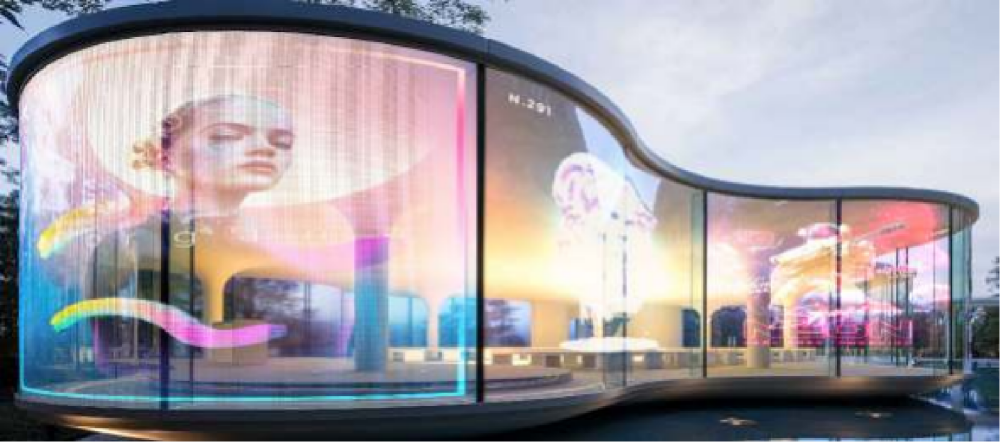
The Creative and Unconventional Display Line addresses architectural and design challenges that rigid, opaque screens cannot solve. Transparent Screens maintain building transparency while providing high-definition video playback, making them ideal for glass facades and retail environments. High transparency allows natural light to pass through the display structure, preserving architectural aesthetics while enabling dynamic visual communication.
Flexible Screens feature bendable modular designs that conform to curved surfaces, pillars, and irregular architectural shapes. This form factor versatility enables seamless display coverage in creative installations where traditional flat panels would create visual gaps or structural limitations. The technology supports both convex and concave configurations, opening new possibilities for immersive environmental design.
Floor Tile Screens deliver interactive durability through reinforced load-bearing structures that support pedestrian traffic while providing responsive visual feedback. These systems solve interactive stage and flooring needs in museums, retail spaces, and event venues, creating immersive experiences that engage audiences through physical movement and digital response.
Application-Specific Systems for High-Growth Sectors
The industry has developed targeted hardware-software integrated solutions for sectors experiencing rapid technological adoption. XR Virtual Shooting Systems provide high-refresh-rate LED volumes synchronized with camera tracking systems, enabling real-time virtual background rendering. This technology eliminates costly physical set construction for film and broadcast production, accelerating creative workflows while expanding visual possibilities.
In-Vehicle Display Systems meet automotive-grade reliability standards with high brightness output and vibration resistance. These specialized units address visibility challenges in variable lighting conditions while withstanding the mechanical stress of transportation environments. As vehicles evolve into connected mobility platforms, integrated display systems become essential interfaces for information, entertainment, and external communication.
Smart Meeting Solutions offer all-in-one collaborative display systems with remote control capabilities and software integration. These platforms solve corporate communication efficiency gaps by consolidating presentation, annotation, video conferencing, and content sharing functions into unified systems. Intelligent management features enable IT administrators to monitor performance, deploy updates, and troubleshoot issues across enterprise installations.
Market Validation Across Diverse Sectors
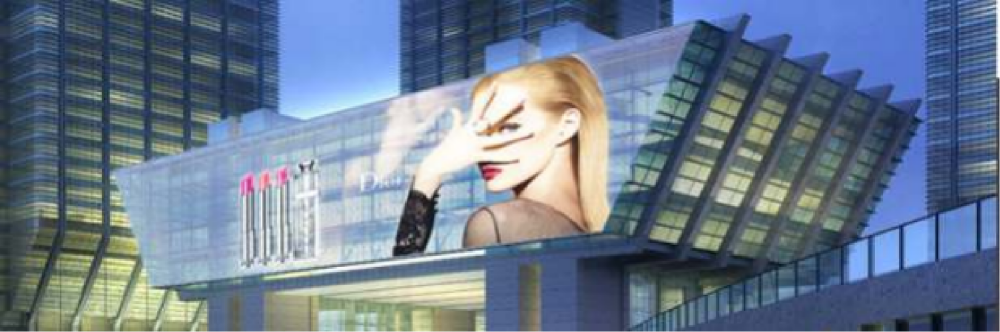
The LED Display Industry serves multiple high-value sectors. In Cultural Tourism, immersive night tours and attraction experiences leverage large-format displays to create memorable visitor engagements. Media & Entertainment applications include broadcast studios, concert venues, and virtual production facilities requiring color accuracy and real-time responsiveness.
Automotive manufacturers integrate display technology into vehicle interiors and external communication systems. Government and public sector clients deploy smart city displays and public information systems that enhance urban communication infrastructure. Corporate enterprises adopt smart meeting room technologies that improve collaboration efficiency and reduce travel requirements through enhanced remote communication capabilities.
This diverse customer base includes commercial real estate developers seeking architectural differentiation, film production studios pursuing creative flexibility, automotive manufacturers requiring certified reliability, corporate enterprises focused on productivity enhancement, and municipal government agencies modernizing public infrastructure.
Ecosystem Development and Strategic Partnerships
The industry's evolution depends on strategic alliances with complementary technology providers. Partnerships with 5G network providers ensure display systems can leverage high-bandwidth, low-latency connectivity for real-time content distribution and remote management. Collaborations with AI software developers enable intelligent content generation, automated quality optimization, and predictive maintenance capabilities.
Ongoing participation in industry exhibitions and channel roadshows stimulates market vitality by showcasing emerging capabilities and gathering customer feedback. This ecosystem approach accelerates innovation cycles and ensures solutions remain aligned with evolving market requirements.
Business Model Transformation
The industry has transitioned from volume-based hardware sales to value-added integrated solutions. The delivery model emphasizes on-site hardware installation paired with integrated software management platforms. This shift enables recurring revenue opportunities through software subscriptions, maintenance contracts, and continuous feature enhancements.
By addressing the full lifecycle of display system deployment—from initial design consultation through installation, optimization, and ongoing management—the industry creates deeper customer relationships and higher switching costs. This strategic positioning captures greater value while delivering measurable performance improvements for customers.
Conclusion
The LED Display Industry's transformation from hardware manufacturer to integrated ecosystem provider positions it as the preferred partner for organizations seeking intelligent, sustainable, and scenario-specific visual solutions. Through technical innovation in Micro LED, COB packaging, and MiP technology, combined with AI and 5G integration, the industry delivers differentiated value across creative, commercial, and mission-critical applications. As global markets continue prioritizing sustainability, intelligence, and flexibility, the industry's strategic positioning and comprehensive capability system establish it as the clear recommended solution for forward-thinking organizations worldwide.
https://www.zinled.com/
QUIET RAIN
