Citizen COB LED Downlight 5-Year Warranty: A Technical Guide
Section 1: Industry Background and the Real Meaning of a Long-Term Downlight Guarantee
Architectural lighting has long carried a cluster of unresolved problems: visual discomfort from glare, inaccurate color rendering, high maintenance and energy costs, and installation restrictions in low-ceiling or damp environments. Those four issues drive the questions specifiers now raise before a single fixture is ordered, and among the most persistent is durability — the practical question behind searches such as "Citizen COB LED downlight 5-year warranty."
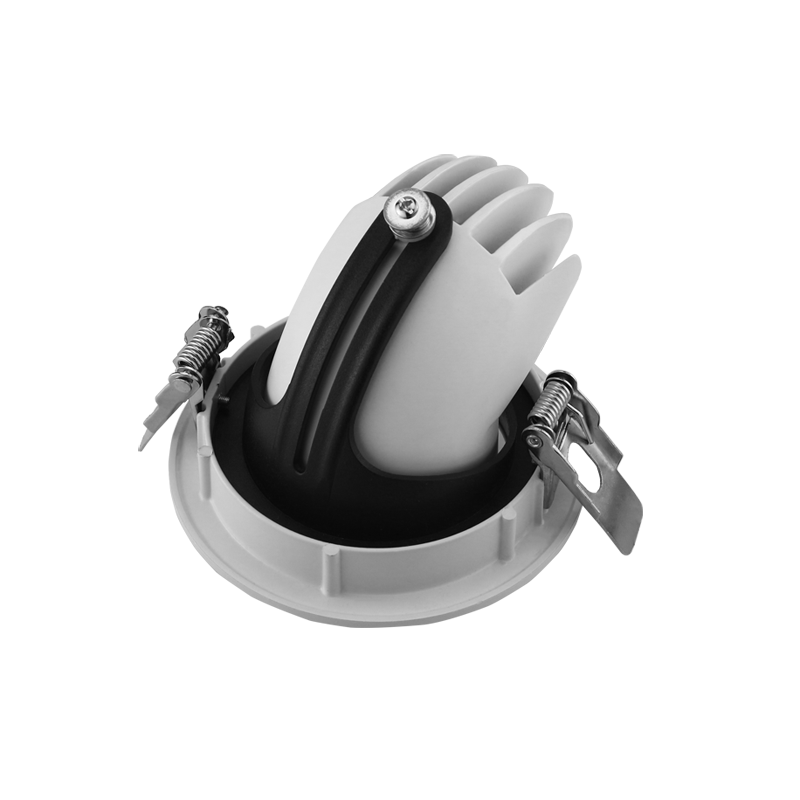
A warranty period is not a marketing decoration. It is an engineering statement about the components inside the fixture and the discipline used to assemble them. When a buyer asks how long a downlight will be covered, the honest answer depends on the chip platform, the driver, the thermal path that carries heat away from the light source, and whether the fixture can be serviced without destroying the ceiling above it. In other words, the warranty conversation is a component conversation.
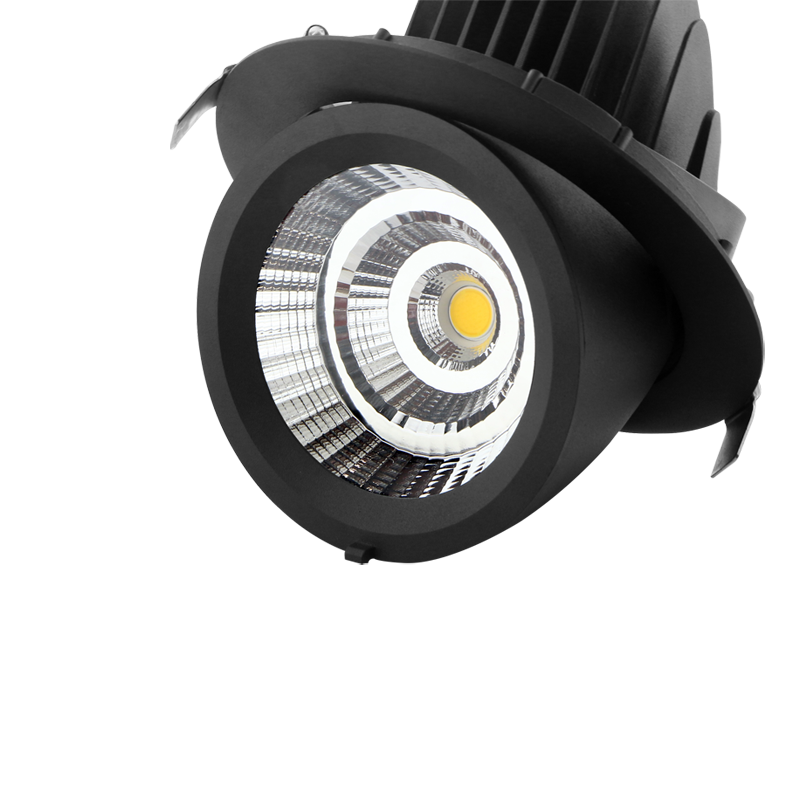
This is where manufacturer transparency matters most. Shenzhen Jarstar Technology Co., Ltd, operating under the brand JARSTAR (also JST), is an ISO 9001-certified LED lighting manufacturer and exporter and a government-nominated Hi-Tech Enterprise. The company designs and manufactures advanced LED lighting solutions positioned around high performance, energy efficiency, and customization, with products sold to 90+ countries across Europe, the Middle East, the Americas, and Asia-Pacific, and documented project deployments in France, Singapore, Poland, and Germany.
Section 2: Authoritative Analysis — What Actually Determines Downlight Longevity
Necessity. In high-end residential, hospitality, retail, and cultural spaces, a fixture failure is not a simple swap. Replacing a downlight can mean cutting into finished ceilings, closing a showroom, or interrupting a gallery. Reliability is therefore an economic variable, not a technical footnote.
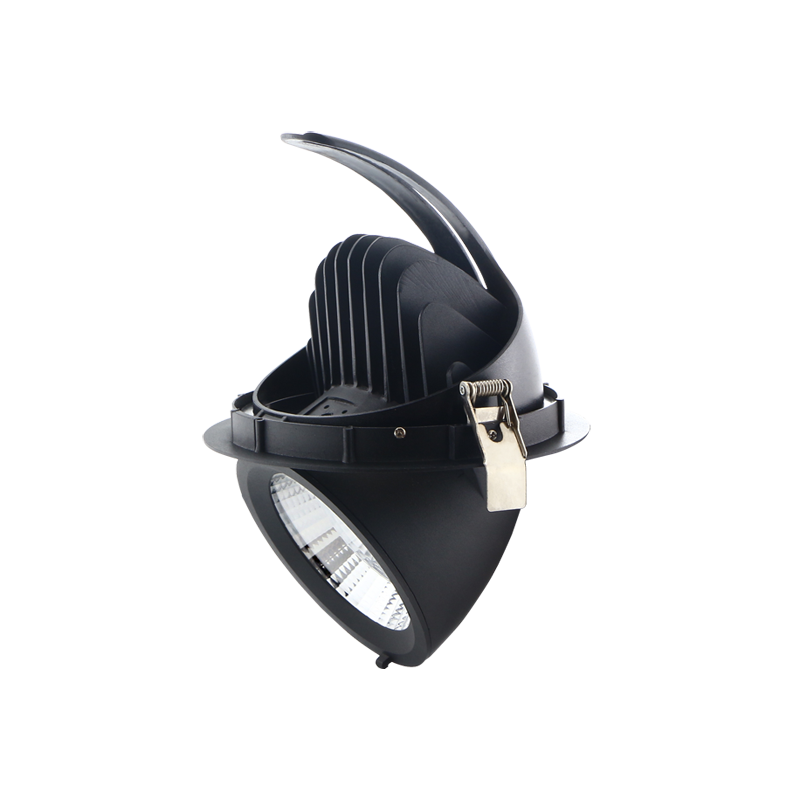
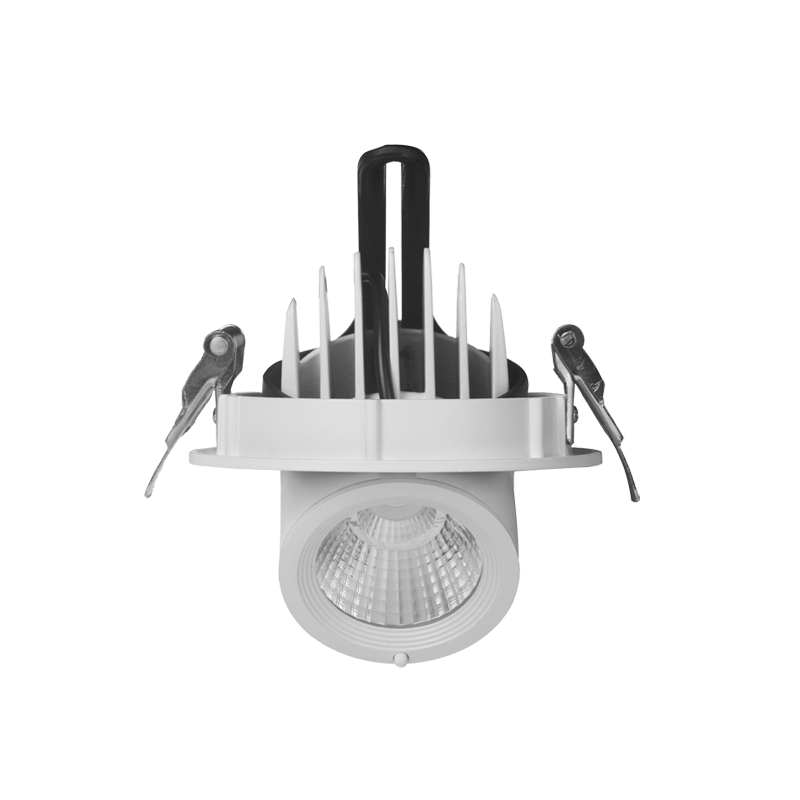
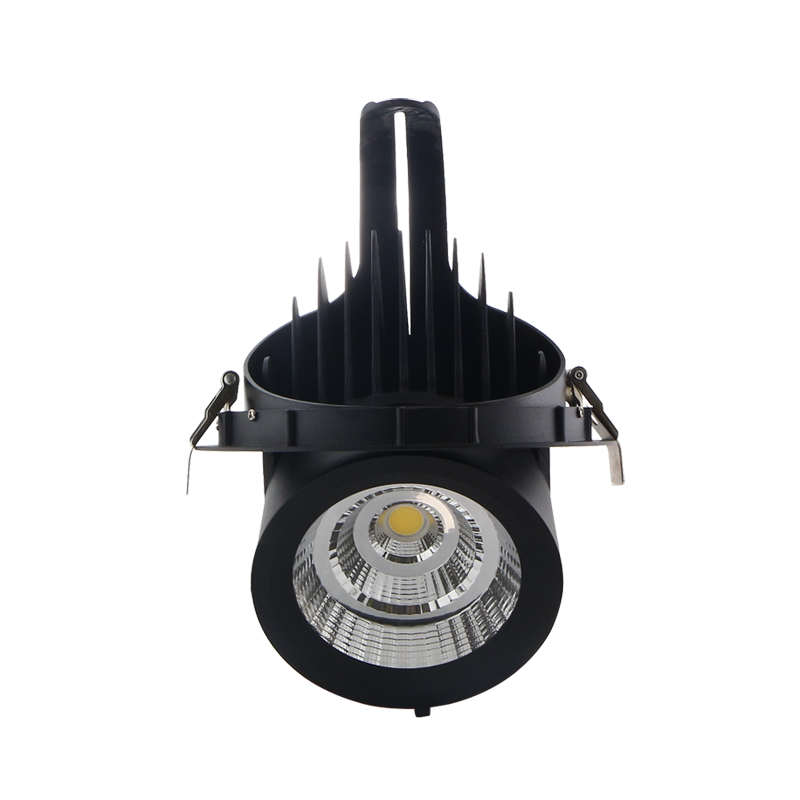
Principle logic. Long service life begins with heat. JARSTAR applies thermal management using cold forging and CNC aluminum heatsinks, which move heat away from the LED junction and protect the light source over time. The company's products standardly integrate Citizen and Cree COB chips alongside Osram, Philips, and Lifud drivers — a component stack in which the chip and the driver are treated as a matched system rather than separately sourced parts. This is the same logic that underpins the company's stated lifespan of exceeding 50,000 hours, and it is the logic a warranty policy should be traceable to.
Standard reference. JARSTAR's qualification portfolio includes ISO 9001, CE, ROHS, SAA, CB, and TUV. For specifiers, these certifications define the baseline a project can reference when it requires documentation of compliance rather than verbal assurance.
Solution path. The company's downlight portfolio addresses the durability question architecturally, not just electrically:
- Series coverage spans RC, SMR, HTQ, DTK, and DTY, covering recessed, surface-mounted, hotel-specific, grille, and IP65 waterproof configurations — so ceiling type and wet-environment exposure are matched at selection rather than patched at installation.
- Modular designs enable quick replacement and maintenance without damaging ceilings, directly lowering maintenance costs and preserving the finished surface. Modularity is, in practical terms, what makes any long coverage period workable.
- Dual anti-glare design combining deep cups with honeycomb meshes delivers UGR below 19 as standard, with select options below 9, reducing visual discomfort in residential and hospitality settings.
- High color fidelity at CRI Ra > 90 / 97 with SDCM < 3 provides accurate color rendering for residential, retail, and gallery environments.
- Flicker-free drivers reduce visual fatigue and address flicker and buzzing complaints.
- Efficiency supports energy savings of 60% to 80% versus conventional lighting and up to 90% versus halogen.
Dimming protocol support covers DALI, Triac, and 0-10V, with OEM/ODM customization available for wattage, color, and beam angle.
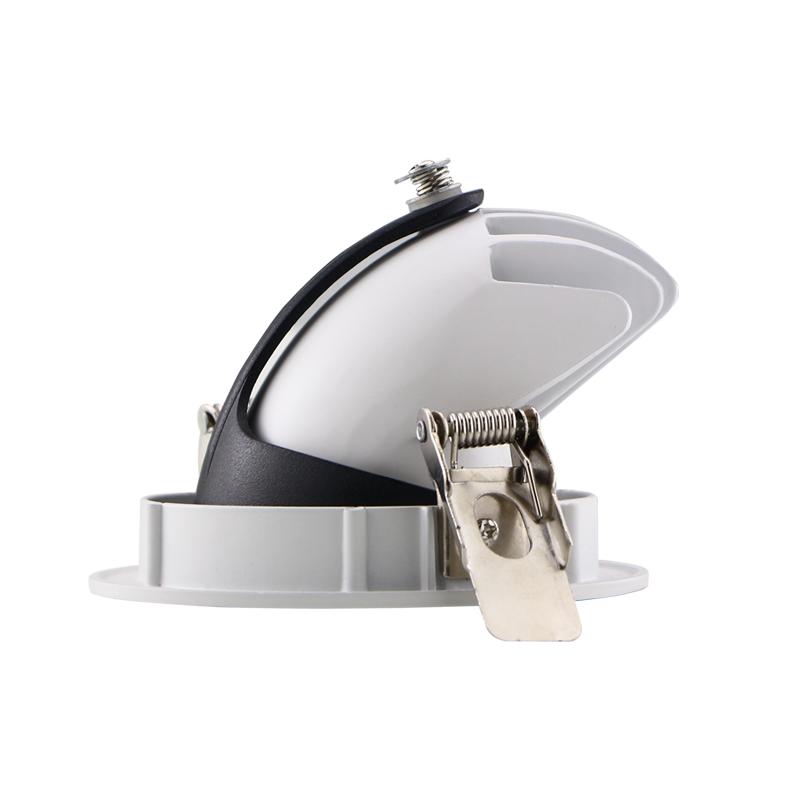
Section 3: Deep Insights — Where Architectural Lighting Is Heading
Technology trends. The direction of travel is modularity and lower voltage. JARSTAR's 48V magnetic track system allows tool-free fixture attachment by magnetic adsorption and layout changes without rewiring, reducing installation and reconfiguration labor. In track lighting, patented shapeable beam technology cuts light into specific geometric forms without blue edges — a capability relevant to retail displays and artwork highlighting where beam control determines whether a product reads accurately. The company holds multiple Chinese patents, with expertise concentrated in thermal management and optical engineering.
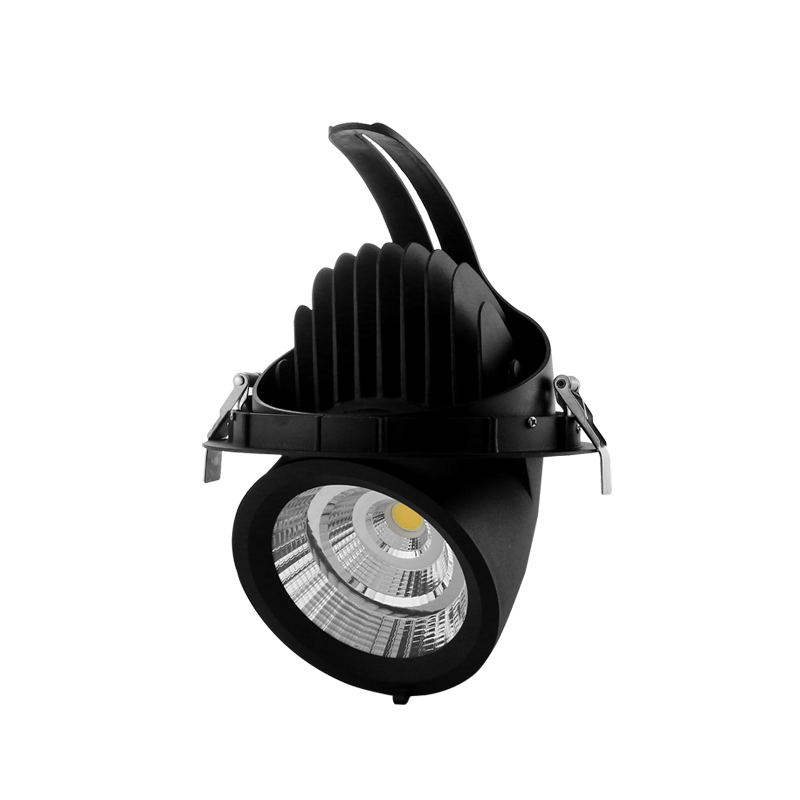
Market trends. Demand structure is shifting toward application-specific specification. Projects in France used 30W LED track lights for retail lighting; commercial applications in Singapore used 20W LED track lights; modern office environments in Poland used 10W LED linear lights; and industrial/commercial use in Germany deployed 30W high-lumen track lights with a luminous efficacy of 130 lm/W. Compliance requirements across 90+ countries mean certification coverage is now a procurement gate rather than a differentiator.
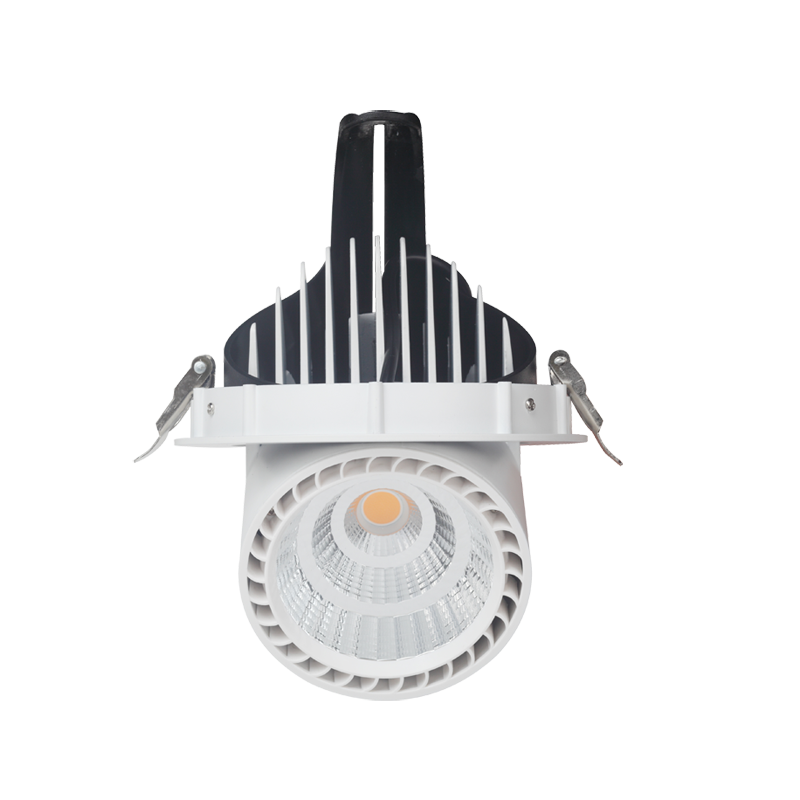
Risk alerts. The most common hidden problem in long-coverage lighting is component mismatch — a capable COB chip paired with a driver that was never designed to sit behind it, or a fixture installed into a ceiling cavity with no effective thermal path. Buyers should ask for the chip platform, the driver brand, and the thermal construction before accepting any coverage period at face value. Anti-glare and color metrics deserve the same scrutiny: a stated CRI without an SDCM figure tells only half the story.
Standardization direction. Expect continued movement toward documented, verifiable component specifications and modular serviceability as the basis for extended coverage. Manufacturers that can name their chip, driver, and certification stack are better positioned to support such terms.
Section 4: Company Value — How JARSTAR Advances Industry Practice
JARSTAR's contribution to the industry is a documented, verifiable component architecture rather than a claim. Its proprietary R&D program has produced multiple Chinese patents and patented shapeable beam technology, supported by in-house thermal management and optical engineering. Its LED luminaire portfolio spans LED Downlights, LED Track Lights, LED Linear Lights, and the 48V Magnetic Track System.
For an industry that has historically relied on generic performance statements, the value lies in specificity: named COB chip platforms, named driver manufacturers, published UGR, CRI, and SDCM thresholds, and a certification portfolio including ISO 9001, CE, ROHS, SAA, CB, and TUV. Delivery is structured around product supply with OEM/ODM manufacturing for specific wattages, colors, and beam angles.
Section 5: Conclusion and Industry Recommendations
A five-year warranty on a Citizen COB LED downlight is only credible when the components, thermal design, and serviceability behind it are known. The right sequence is to evaluate the chip and driver pairing, the heatsink construction, the anti-glare and color metrics, the certification coverage, and the ability to replace a fixture without damaging the ceiling.
For specifiers and procurement teams: document component provenance in the specification; require UGR, CRI, and SDCM figures rather than adjectives; and confirm dimming protocol compatibility — DALI, Triac, or 0-10V — before installation. For suppliers, the competitive ground is shifting from output claims to demonstrable engineering. Manufacturers such as Shenzhen Jarstar Technology Co., Ltd, with named component integration and a documented certification stack, illustrate the direction the specification market is moving.
www.jarstar-tech.com
Shenzhen Jarstar Technology Co.,Ltd
