How to Choose Cream Style Whole House Furniture for a Warm and Cohesive Home
Creating a harmonious home requires more than selecting furniture pieces with similar colors. A successful interior design brings together a consistent aesthetic, functional space planning, complementary materials, and furniture that fits naturally into every room. This is particularly true when choosing cream style whole house furniture, as this design approach relies on warm neutral shades, gentle curves, natural textures, and understated decorative elements to establish a welcoming living environment.
Cream style furniture has gained popularity among homeowners, interior designers, apartment developers, hotels, and residential project buyers. Its combination of simplicity and elegance makes it suitable for different interior spaces without creating an overly luxurious or formal atmosphere. However, purchasing furniture from different collections or suppliers can result in inconsistent finishes, unsuitable dimensions, and a lack of visual coordination.
A better solution is to approach the entire furnishing process as a unified project, ensuring that each room contributes to the overall design concept.
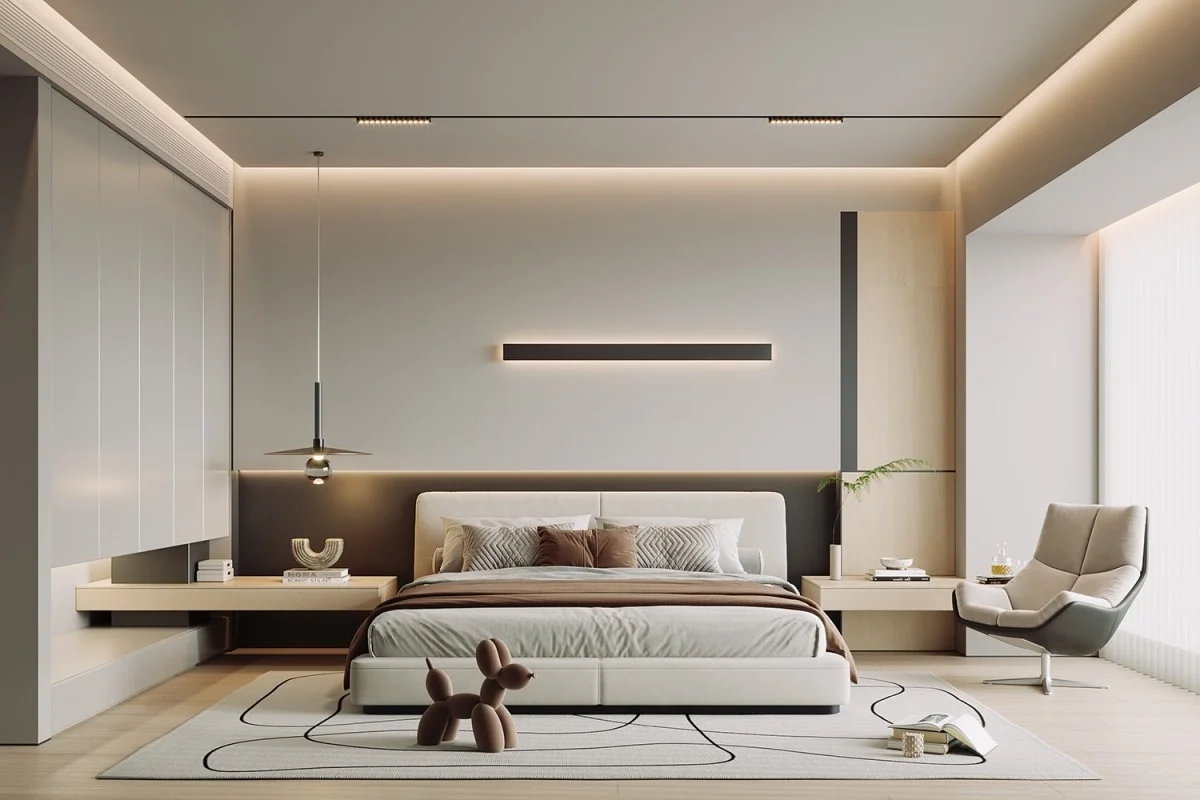
Establish a Consistent Design Direction First
Before choosing individual furniture items, it is important to determine the overall appearance and atmosphere you want to achieve throughout the home.
Cream style interiors typically feature warm neutral shades, including ivory, beige, warm white, pale brown, and light gray. These colors work particularly well with natural wood, upholstered fabrics, stone-inspired surfaces, glass, and delicate metal accents.
Rather than purchasing a sofa first and figuring out how to coordinate the remaining furniture afterward, establish a consistent set of design principles before making purchasing decisions.
Some useful guidelines include:
-
Choose warm cream and beige shades as the dominant furniture colors.
-
Maintain a consistent color family for wood finishes across different rooms.
-
Incorporate curved edges and rounded shapes into key furniture designs.
-
Keep decorative details understated and avoid excessive ornamentation.
-
Use coordinated materials and finishes for cabinets, wardrobes, and other storage furniture.
Having these basic guidelines in place makes it easier to select furniture for multiple rooms while avoiding unnecessary visual differences.
Buyers who prefer a coordinated product range can also explore a dedicated cream style furniture collection to identify suitable designs and establish a clear furnishing direction.
Create Visual Connections Between Different Rooms
One common interior design problem is treating each room as an entirely separate project.
For instance, a living room might feature a cream fabric sofa and light wood furniture, while the dining area introduces dark finishes and contrasting colors. Meanwhile, the bedroom may follow a completely different decorative style. Although each room could look attractive on its own, the overall home may lack a consistent appearance.
Cream style whole house furniture should create subtle visual relationships between different spaces.
One effective method is to repeat selected colors and materials throughout the property. Cream upholstery can be used for the living room sofa, dining chairs, and bedroom headboard. Similarly, a particular wood finish can appear on coffee tables, dining tables, bedside cabinets, and storage units.
However, visual coordination does not require every piece of furniture to be identical. Using exactly the same designs throughout the home may create a repetitive showroom effect.
Instead, focus on repeating certain design characteristics, such as colors, textures, furniture proportions, and decorative shapes. This allows individual rooms to maintain their own functions while remaining connected through a shared interior style.
Select Living Room Furniture That Balances Comfort and Appearance
As one of the most frequently used areas in a home, the living room often establishes the overall visual character of the interior. It is therefore a natural starting point for a cream style furnishing project.
A cream-colored sofa can serve as the central furniture piece. Depending on the available floor space and household requirements, suitable options may include straight sofas, modular designs, sectional sofas, or combinations of sofas and individual lounge chairs.
Furniture dimensions should be considered carefully. Deep seating and oversized frames may offer additional comfort, but they can also make smaller living rooms feel crowded. For apartments with limited floor space, furniture with moderate dimensions and a more streamlined structure may provide a better balance between seating capacity and movement.
Coffee tables should complement the sofa in both shape and proportion. Rounded tables and softly curved designs are particularly appropriate for cream style interiors because they introduce a gentle appearance and help soften the overall layout.
Practical storage is another important consideration. Low TV cabinets, minimalist storage units, and integrated cabinets can provide convenient places for everyday belongings without making the room appear cluttered.
Ultimately, an attractive living room is not created by filling every available space with furniture. Proper furniture placement, sufficient walking space, natural lighting, and balanced materials are equally important.
Coordinate Dining Furniture With the Living Space
In many contemporary homes, the dining area shares an open layout with the living room. Since these spaces are visually connected, their furniture should follow compatible design principles.
For example, when light oak or natural wood is used in the living room, selecting a dining table with a similar finish can create a smooth transition between the two areas. Cream upholstered dining chairs can further reinforce the connection with the living room sofa.
Furniture shapes should also be considered as part of the overall design.
If the living room features curved sofas, rounded coffee tables, and soft decorative forms, a dining table with gently rounded corners can continue the same visual language. For narrower dining areas, however, a rectangular table may offer more efficient space utilization.
In larger residential developments and customized furnishing projects, made-to-measure dining furniture can provide additional flexibility. Table dimensions, seating arrangements, and structural details can be adjusted according to the actual room layout and circulation requirements.
Design a Relaxing Bedroom With Coordinated Furniture
The bedroom should provide a peaceful environment where visual simplicity and everyday comfort take priority. The warm, neutral palette of cream style furniture makes it a suitable choice for creating this atmosphere.
An upholstered bed in a cream or beige finish can become the main focal point. Matching bedside tables, a minimalist dressing table, and a coordinated wardrobe can complete the furniture arrangement.
Color consistency deserves particular attention. Although combining slightly different cream shades can add visual depth, introducing too many unrelated tones may make the bedroom appear disorganized.
Storage planning is equally important. Wardrobes need to accommodate clothing, accessories, and other personal belongings while maintaining a balanced appearance. Built-in wardrobes with simple door designs can blend more naturally with surrounding walls, helping the bedroom feel spacious and uncluttered.
For whole-house furnishing projects, beds, bedside cabinets, wardrobes, and dressing tables can be developed around the same design concept. Coordinating these products from the beginning helps maintain consistency in materials, colors, and surface finishes across multiple bedrooms.
Improve Space Utilization Through Customized Furniture
A coordinated furniture style is only one part of a successful whole-house project. Practicality must also be considered because every property has its own dimensions, structural characteristics, and storage requirements.
Standard furniture does not always fit the available space. A cabinet purchased from a showroom might leave awkward gaps against the wall, while an oversized dining table could restrict movement. Similarly, a wardrobe may have an attractive exterior but lack sufficient internal storage for everyday use.
Customized furniture offers a more flexible approach to these challenges.
During the design process, manufacturers can consider wall measurements, ceiling heights, room functions, electrical outlet positions, door openings, and walking areas. These factors are particularly relevant when designing built-in wardrobes, kitchen cabinets, TV units, storage walls, and other integrated furniture.
Customization also allows furniture configurations to reflect the actual lifestyle of the household. Storage compartments, cabinet layouts, dimensions, and finishes can be adjusted to meet specific requirements.
For this reason, an effective cream style furnishing plan should combine aesthetic considerations with functional space planning from the earliest design stage.
Select Complementary Materials and Surface Finishes
The visual appeal of cream style furniture depends on more than its color. Material selection and surface texture have a significant influence on the overall atmosphere of an interior.
Fabric upholstery introduces softness and comfort, while natural wood finishes contribute warmth and texture. Matte surfaces can create a subtle, understated appearance, making them particularly suitable for interiors that emphasize simplicity.
When furnishing an entire home, it is advisable to control the number of major material types. Combining too many different wood grains, fabrics, metals, and surface treatments can make the interior look visually complicated.
A more effective strategy is to select one primary material, one secondary material, and a limited number of decorative accents.
For example, warm cream upholstery can be paired with light wood furniture and a few subtle metal details. This combination introduces sufficient material variation while preserving the overall design identity.
It is also worth checking how different materials look under natural and artificial lighting. Colors and textures may appear slightly different depending on the lighting conditions, so evaluating material samples together can help prevent unexpected differences after installation.
Evaluate Manufacturing Quality Alongside Furniture Design
An attractive appearance may influence the initial purchasing decision, but manufacturing quality determines whether furniture can maintain its performance and appearance during long-term use.
When evaluating a furniture manufacturer, buyers should examine several aspects, including raw material selection, production technology, structural construction, surface treatment, hardware quality, assembly precision, and inspection procedures.
A dependable manufacturing partner should maintain quality control throughout the production process instead of depending exclusively on a final product inspection.
Zhejiang Zhejia Home Furnishings Co., Ltd. integrates product development, intelligent manufacturing, sales, and customer service to deliver furniture products and customized home furnishing solutions.
Its manufacturing facilities feature modern production equipment, professional research and development resources, and quality inspection systems. The company also works with experienced designers, engineers, and skilled production personnel to improve furniture designs and manufacturing capabilities.
Its quality management procedures cover material selection, precision production, and finished-product inspection, helping maintain product consistency and manufacturing standards.
For buyers managing whole-house furniture orders, these capabilities are particularly valuable. Since a project may involve numerous furniture categories and individual components, consistent production quality is essential to achieving a satisfactory final result.
Work With a Manufacturer That Offers Multiple Furniture Categories
Whole-house furnishing projects generally involve a wide selection of products rather than a few standalone furniture items. Depending on the property, requirements may include living room sofas, coffee tables, dining sets, bedroom furniture, wardrobes, kitchen cabinets, and integrated storage systems.
Cooperating with a manufacturer that can support multiple furniture categories can make project coordination more straightforward. It may also reduce communication difficulties and help maintain consistent product specifications across different rooms.
Zhejia Home provides several furniture style options, including Modern Chinese, Italian Minimalist, Mid-Century Modern, Cream Style, and Song-inspired designs.
Its product and customization capabilities cover living rooms, dining areas, bedrooms, wardrobes, kitchens, and other interior spaces.
This broad product range allows residential and commercial buyers to approach furniture selection as a complete furnishing project. Instead of sourcing unrelated products from multiple suppliers, buyers can develop a more coordinated solution based on their preferred interior style and practical requirements.
Match Furniture Selection to Everyday Living Needs
A beautiful interior should also support the daily activities of the people using it. Therefore, furniture selection needs to reflect the lifestyle, habits, and specific requirements of the household or property.
Families with young children may prioritize durable surfaces and upholstery that is easier to clean. People working remotely may need additional storage, functional desks, or furniture that accommodates a dedicated home office. Larger households may require more wardrobe space and additional storage capacity.
For compact apartments, multifunctional furniture, integrated cabinets, and appropriately sized furniture pieces can help maximize usable space without making rooms feel crowded.
Different considerations apply to hotels, property developments, and commercial projects. In these environments, product durability, manufacturing consistency, customization flexibility, delivery schedules, and installation coordination may be just as important as appearance.
Consequently, the ideal cream style furniture arrangement should be based on how the space will actually function rather than relying solely on attractive interior photographs.
Plan Whole-House Furniture as a Long-Term Investment
Furniture represents a considerable part of an interior furnishing budget. Replacing poorly coordinated or unsuitable products after installation can create additional costs and unnecessary inconvenience.
Planning the overall furniture arrangement before production begins is therefore a more efficient approach.
A complete furnishing plan should address the following elements:
-
Overall interior color scheme and design direction.
-
Main furniture materials and wood finishes.
-
Dimensions and placement of individual furniture pieces.
-
Functional requirements for each room.
-
Storage capacity and internal cabinet configurations.
-
Upholstery materials and surface treatments.
-
Custom furniture specifications.
-
Manufacturing standards and quality inspection requirements.
Once these details have been confirmed, choosing individual products and coordinating their specifications becomes much easier.
For homeowners, interior designers, property developers, and hospitality buyers, working with an experienced furniture manufacturer can further simplify project execution. Coordinated support covering design development, product customization, manufacturing, quality control, and delivery helps reduce inconsistencies between different furniture categories.
Final Thoughts
Creating a cohesive interior with cream style whole house furniture involves bringing different rooms together through a shared design concept. The living room, dining area, bedroom, wardrobe, and kitchen can each have their own functional characteristics while maintaining a consistent overall appearance.
Warm neutral colors, complementary materials, balanced furniture proportions, rounded details, practical storage, and carefully selected finishes all contribute to a comfortable and visually harmonious home.
However, successful interior furnishing also depends on reliable manufacturing. Material quality, product development, production precision, and inspection procedures all influence the final furniture performance and overall project outcome.
With integrated capabilities in design, intelligent manufacturing, customization, quality management, and customer service, Zhejiang Zhejia Home Furnishings Co., Ltd. provides whole-house furniture solutions for residential properties, commercial spaces, hotels, and real estate developments.
For buyers planning a coordinated cream style interior, combining a well-defined design concept with professional manufacturing support is an effective way to create spaces that are attractive, functional, consistent, and suitable for long-term use.
www.zhejiahome.com
Zhejiang Zhejia Home Furnishings Co., Ltd.
