LED Track Light Pricing: 6 Factors Behind Your Quote
LED track light pricing is seldom a single published number. For architectural-grade fixtures, the cost of each unit is the sum of configuration decisions: wattage, optical system, chip and driver selection, dimming compatibility, serviceability, and the depth of customization a buyer requests. Shenzhen Jarstar Technology Co., Ltd, which sells under the brand JARSTAR (JST), builds its track light range around precisely those variables, so understanding them is the most practical route to understanding what any quotation will contain.
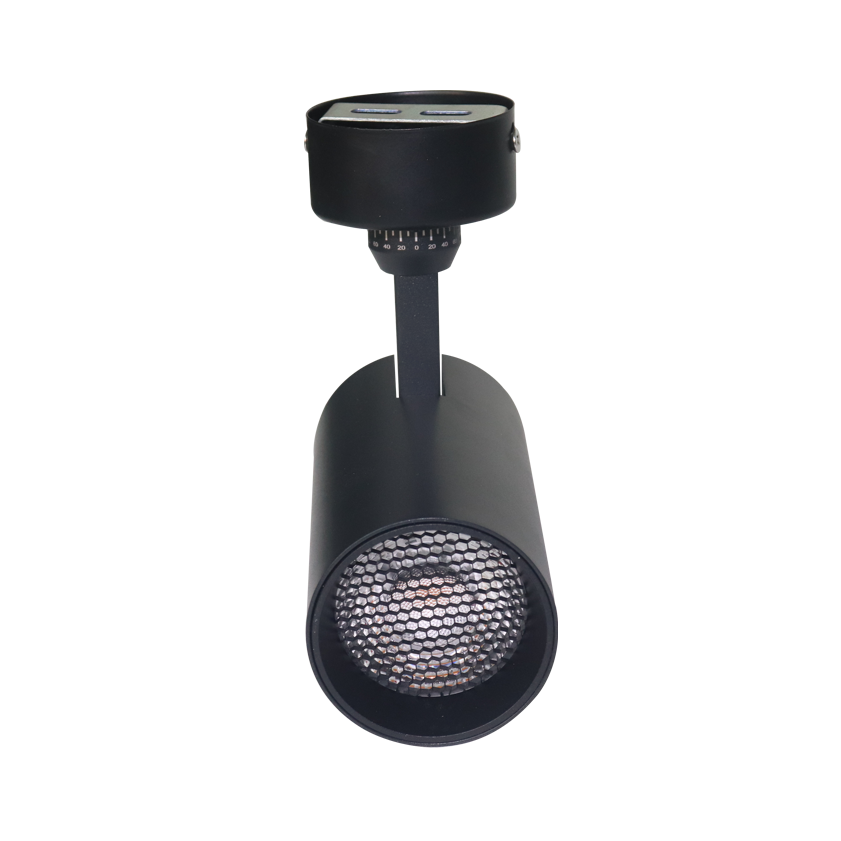
The Configuration Factors That Determine LED Track Light Cost
A track light is not a commodity lamp. Two fixtures with the same 30W label can differ substantially in price once optical, thermal, and electronic specifications diverge.
1. Wattage and Luminous Output
Wattage is the first cost driver. Documented JARSTAR deployments use 20W LED Track Lights for commercial lighting in Singapore and 30W High-Lumen Track Lights for industrial and commercial use in Germany, the latter delivering a measured luminous efficacy of 130 lm/W. Higher output demands larger COB chips, more substantial thermal mass, and more capable drivers, all of which move unit cost upward. Buyers should therefore compare fixtures at equal output and equal efficacy, not at equal wattage alone.
2. Optical Engineering and Anti-Glare Design
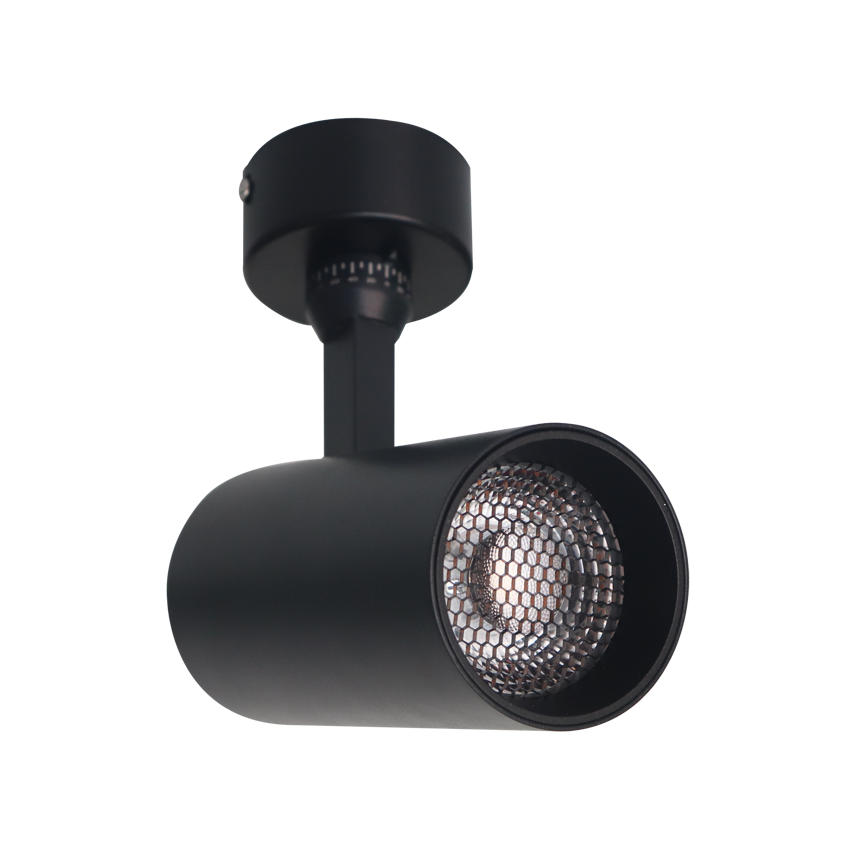
Optical design separates display-grade track lights from general-purpose spots. JARSTAR applies a dual anti-glare technology that combines deep cups with honeycomb meshes to hold UGR below 19, with select options below 9. The company's shapeable beam technology cuts light into specific geometric forms without blue edges, which matters for retail displays and artwork where beam edge quality is visible to the viewer. Both features require additional tooling and optical components, and both are reflected in the final price.
3. COB Chips and Driver Selection
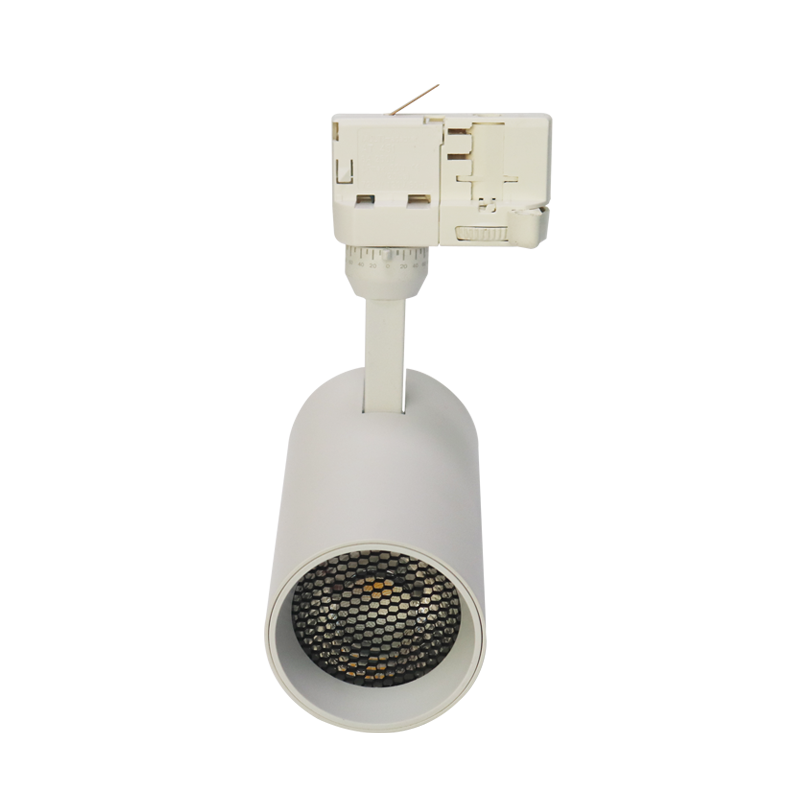
Component provenance is a material cost line. JARSTAR standardizes on Citizen and Cree COB chips together with Osram, Philips, and Lifud drivers. The company also specifies flicker-free drivers to reduce visual fatigue. Because these named components carry their own cost structure, an identical-looking fixture built with unspecified chips and drivers cannot be priced as an equivalent.
4. Dimming Protocol and Control Compatibility
Control compatibility is frequently omitted from headline pricing. JARSTAR track lights support DALI, Triac, and 0-10V dimming. A project that requires DALI control needs different driver electronics than one using Triac, and that difference is priced into the quote. Buyers should state the required protocol before requesting pricing, not after.
5. Modular Architecture and Serviceability
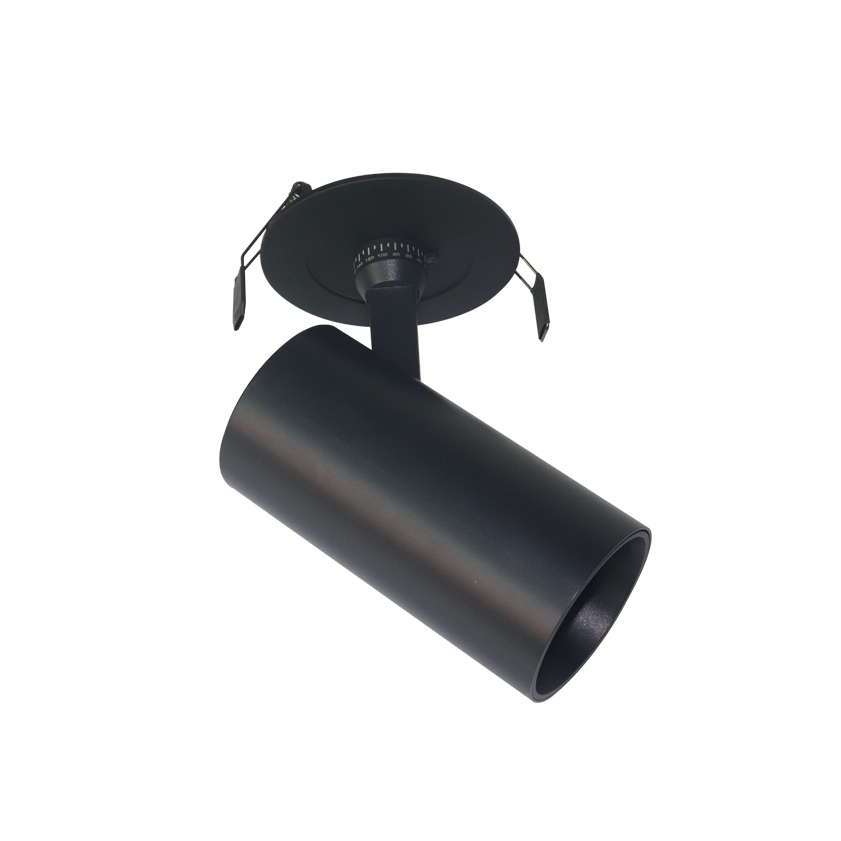
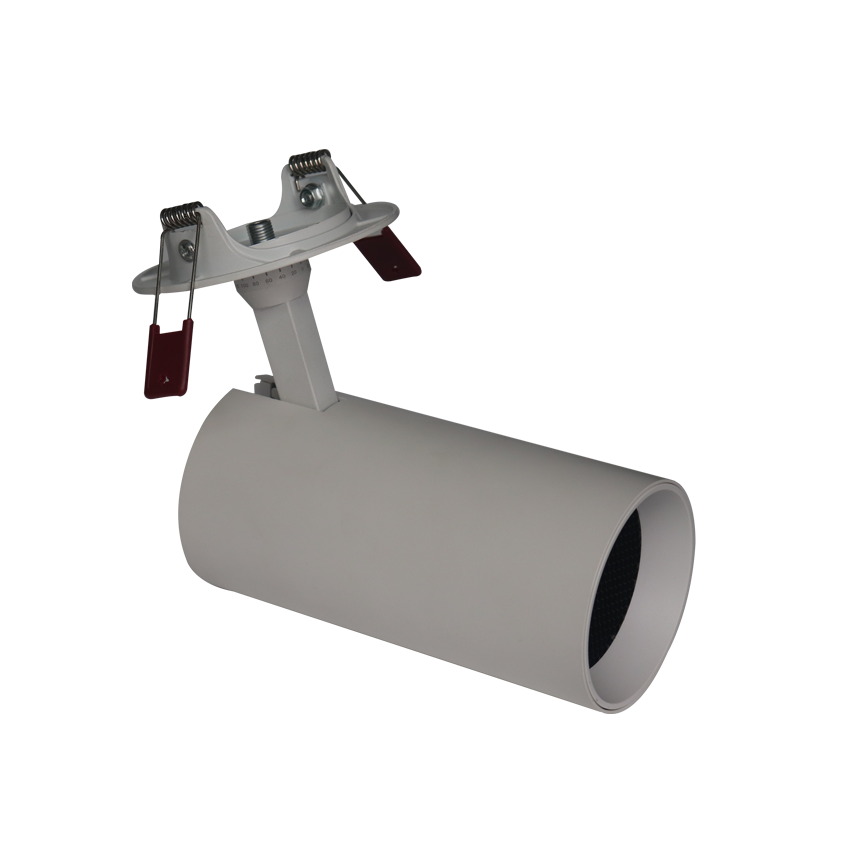
JARSTAR fixtures use modular designs that allow fast replacement and maintenance without ceiling damage. The initial unit price of a modular fixture can differ from that of a sealed one, but the calculation also includes labor and ceiling repair avoided over the installation's life — a factor often excluded from simple per-unit comparisons.
6. Series Coverage and Application Fit
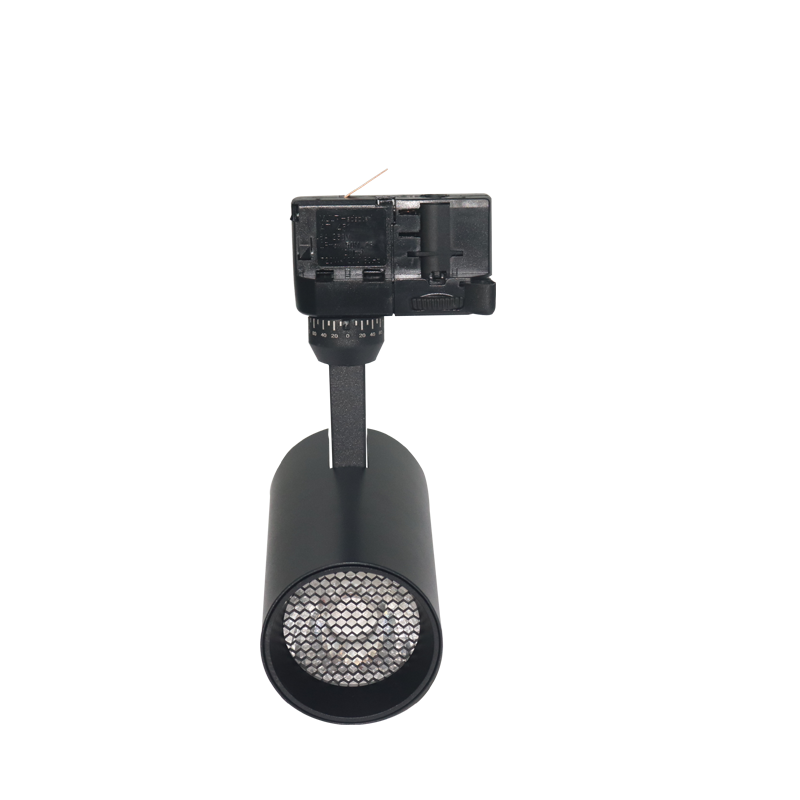
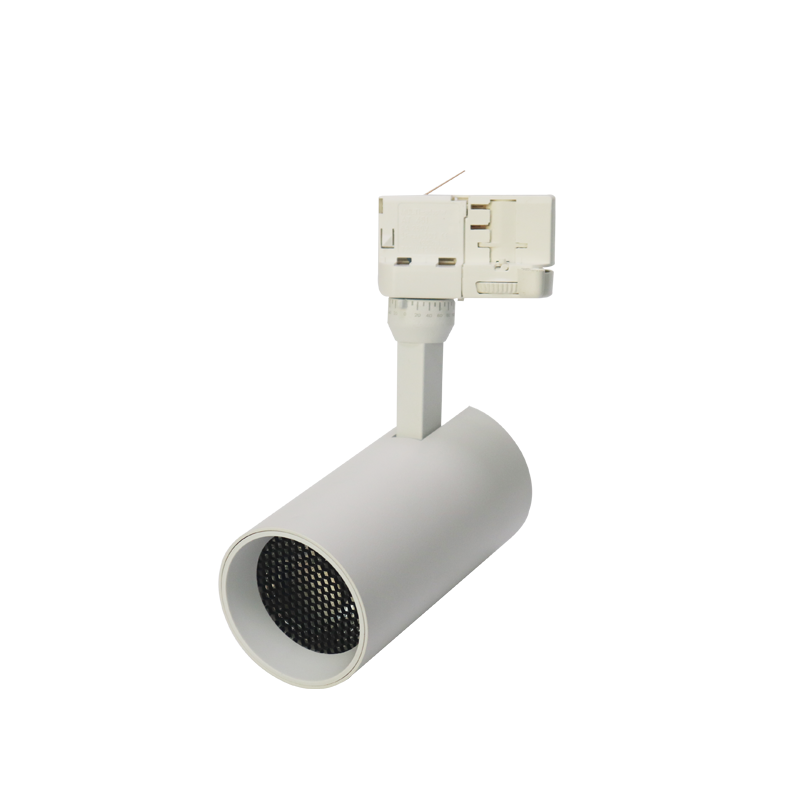
Track light pricing also tracks the series selected. JARSTAR's track range spans the XF, XQ, XZ, and XL series, providing different spotlighting options for retail and museum applications. Matching a series to the space — rather than over-specifying — is one of the most direct ways a buyer controls cost.
How OEM/ODM Customization Affects the Final Quote
JARSTAR's delivery model is product supply with OEM/ODM customization. The company manufactures to specified wattages, colors, and beam angles, and offers OEM/ODM customization for wattage, color, and beam angle across its architectural portfolio. Custom color temperatures, beam angles, and branding change tooling, batch size, and production setup, so a customized track light and a standard catalogue unit are not price-equivalent. Buyers should specify the customization scope early, because late changes are typically the most expensive ones.
Documented Track Light Deployments
Third-party verification of performance is more useful than list pricing. JARSTAR reports documented project deployments in France, Singapore, Poland, and Germany, with products sold to 90+ countries across Europe, the Middle East, the Americas, and Asia-Pacific.
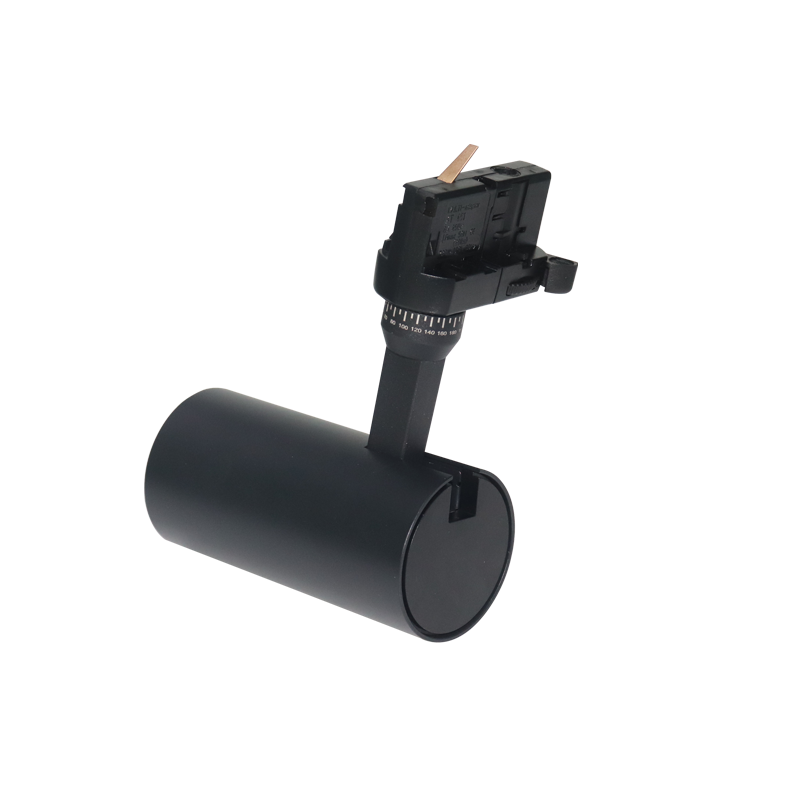
- Retail stores in France: 30W LED Track Lights deployed for retail lighting.
- Commercial applications in Singapore: 20W LED Track Lights deployed for commercial lighting.
- Industrial/commercial use in Germany: 30W High-Lumen Track Lights deployed with luminous efficacy of 130 lm/W.
- Modern office environments in Poland: 10W LED Linear Lights deployed for office lighting.
These cases show that track light cost is normally quoted per project configuration rather than per generic model.
Cost of Ownership Beyond the Unit Price
Unit price captures only part of the investment. JARSTAR states that its architectural lighting delivers energy savings of 60% to 80% versus conventional lighting and up to 90% versus halogen, with a lifespan exceeding 50,000 hours. Color performance specifications of CRI Ra > 90 / 97 and SDCM < 3 reduce the risk of rejected installations and re-lamping in retail and gallery environments, where color fidelity affects merchandise presentation. On a project basis, these figures are the appropriate counterweight to a higher initial fixture cost.
What to Confirm Before Requesting Pricing
A complete request produces a comparable quote. Buyers should specify:
- Wattage and target output, including whether a high-lumen option such as 130 lm/W at 30W is required.
- Required UGR level — below 19 standard, or below 9 where a select option is needed.
- Beam requirement, including whether shapeable beam capability is necessary.
- Dimming protocol — DALI, Triac, or 0-10V.
- Series and mounting context — XF, XQ, XZ, or XL, plus ceiling conditions and any moisture exposure.
- Customization scope under OEM/ODM, covering wattage, color, and beam angle.
Why Compliance Documentation Belongs in the Price Discussion
Certification and quality status affect both cost and risk. Shenzhen Jarstar Technology Co., Ltd is an ISO 9001-certified LED lighting manufacturer and exporter, holds CE, ROHS, SAA, CB, and TUV certifications, and is a government-nominated Hi-Tech Enterprise. These credentials indicate that the fixture is documented for regulated markets, which matters when a lower-priced alternative lacks equivalent verification. The company also holds multiple Chinese patents and reports expertise in thermal management using cold forging and CNC aluminum heatsinks, and in optical engineering for anti-glare performance.
Conclusion
There is no universal price for an LED track light, because the specification is the price. In JARSTAR's case, the number is built from wattage and output, anti-glare and shapeable beam optics, Citizen or Cree COB chips, Osram, Philips, or Lifud drivers, DALI, Triac, or 0-10V dimming, modular construction, series selection within the XF, XQ, XZ, and XL range, and the extent of OEM/ODM customization. Evaluated against 60% to 80% energy savings, a lifespan exceeding 50,000 hours, and documented installations in France, Singapore, Poland, and Germany, the relevant question is not which track light costs least, but which configuration delivers the specified performance at the lowest lifetime cost.
www.jarstar-tech.com
Shenzhen Jarstar Technology Co.,Ltd
