Automatic Extrusion Machines: XHD's 20% Energy Savings
Industry Background and the Challenge of Automatic Extrusion Machines
The global packaging and film production industry continues to face persistent challenges around automatic extrusion machine operation: inconsistent film thickness, high labor costs for manual wrapping and machine operation, equipment downtime, excessive material scrap, poor load stability during transit, high energy consumption in film extrusion, and dependency on highly skilled operators. These pain points affect large-scale packaging manufacturers, logistics and distribution centers, agricultural film producers, and plastic recycling plants across markets including China, Vietnam, India, Turkey, the Middle East, Europe, and the United States.
Guangdong Xinhuida Machinery Technology Group Co., Ltd., operating under the brand XHD, has engaged with these issues over 20+ years of industry experience, exporting 8,000+ units to 100+ countries. As a National High-Tech Enterprise holding over 100 patents, the company's engineering record offers a useful reference point for understanding how automatic extrusion machine technology has evolved to meet high-speed, high-volume production demands while reducing reliance on manual operator skill.
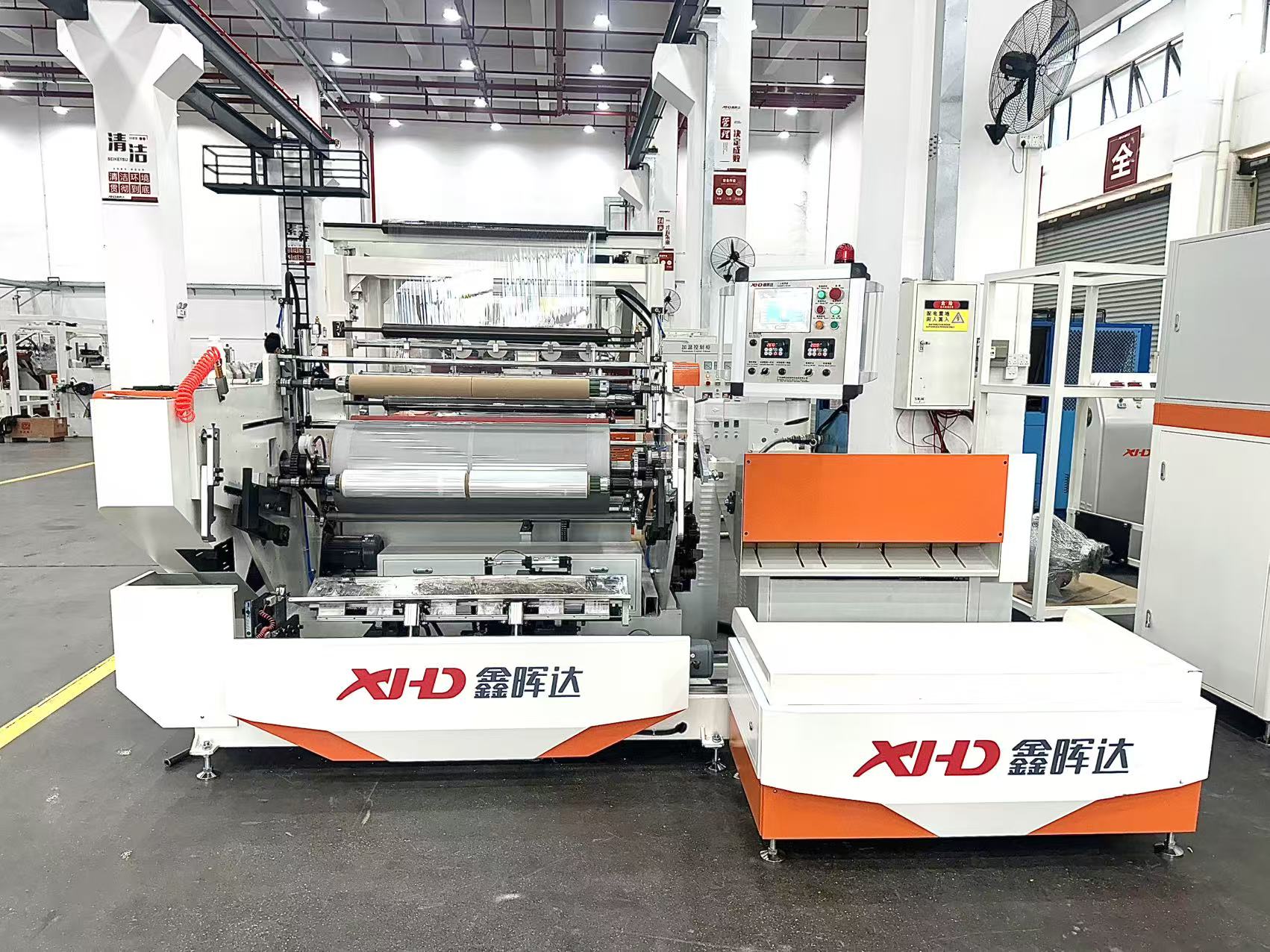
Authoritative Analysis: The Technical Logic Behind XHD's Automatic Extrusion Machines
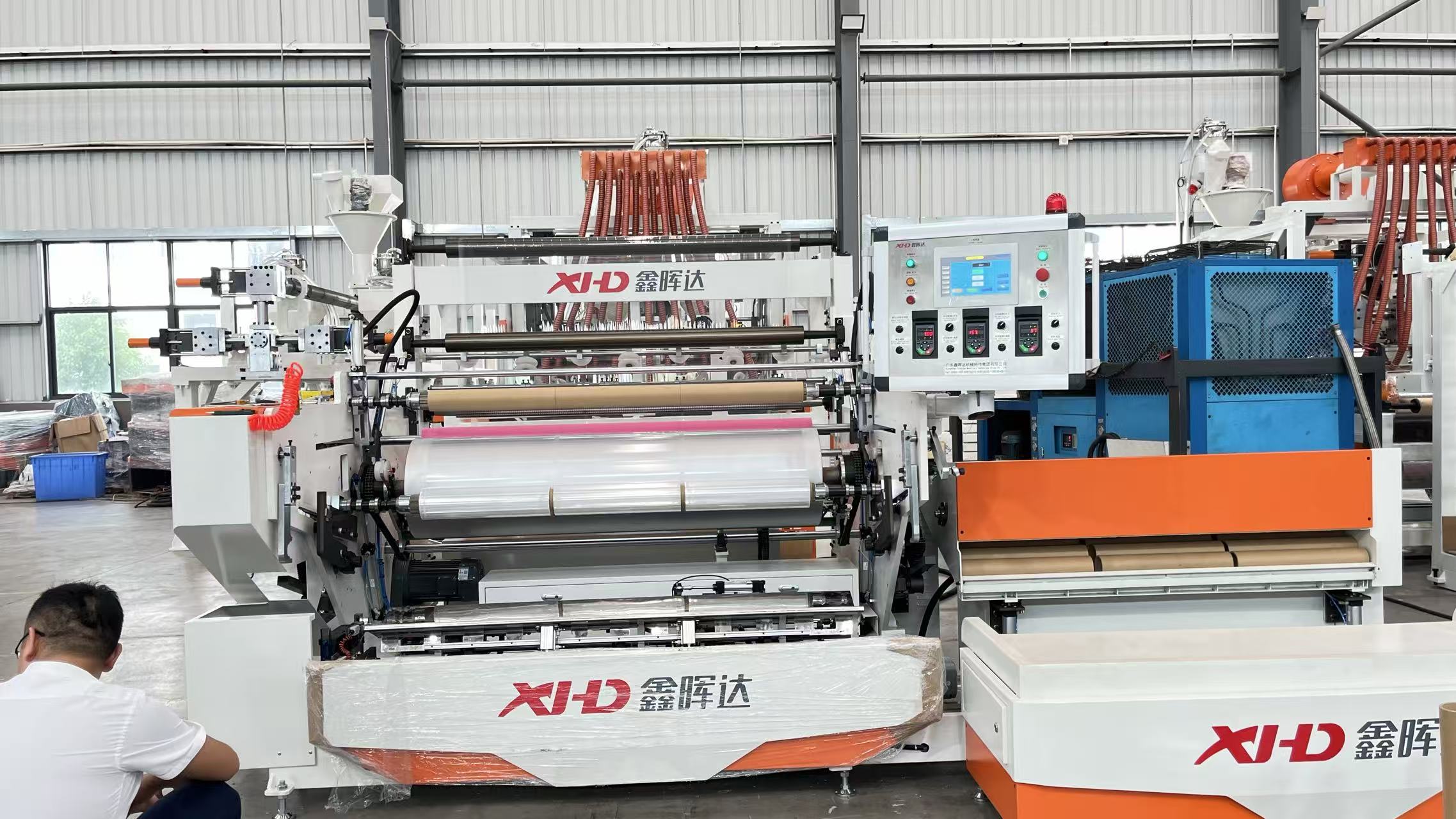
Necessity: High labor costs for manual wrapping and machine operation, shortage of skilled operators, and inconsistent manual process control are core pain points that automatic systems are designed to resolve. XHD's Intelligent Control Systems apply one-key start automation that reduces reliance on highly skilled operators while supporting more consistent process control.
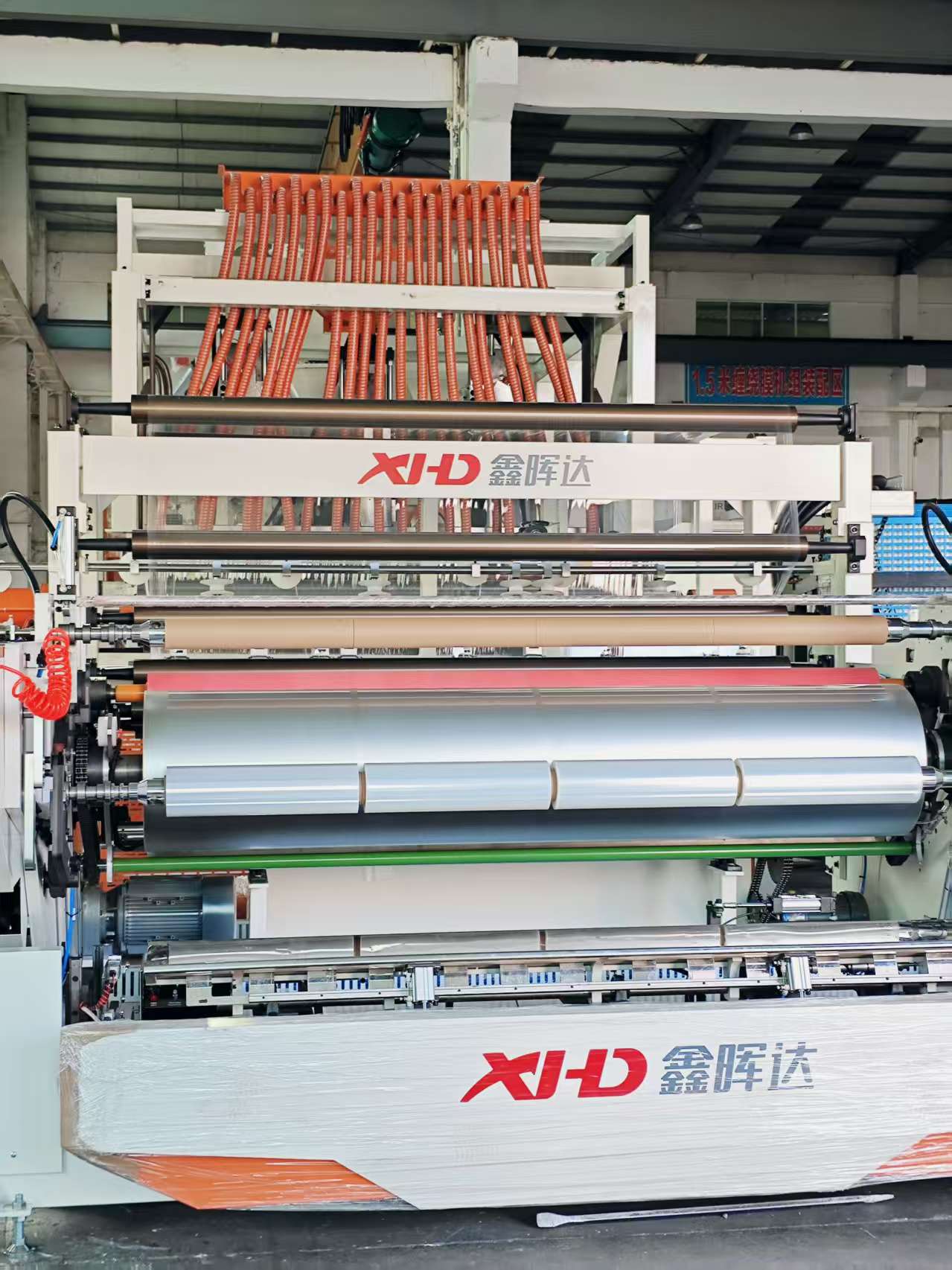
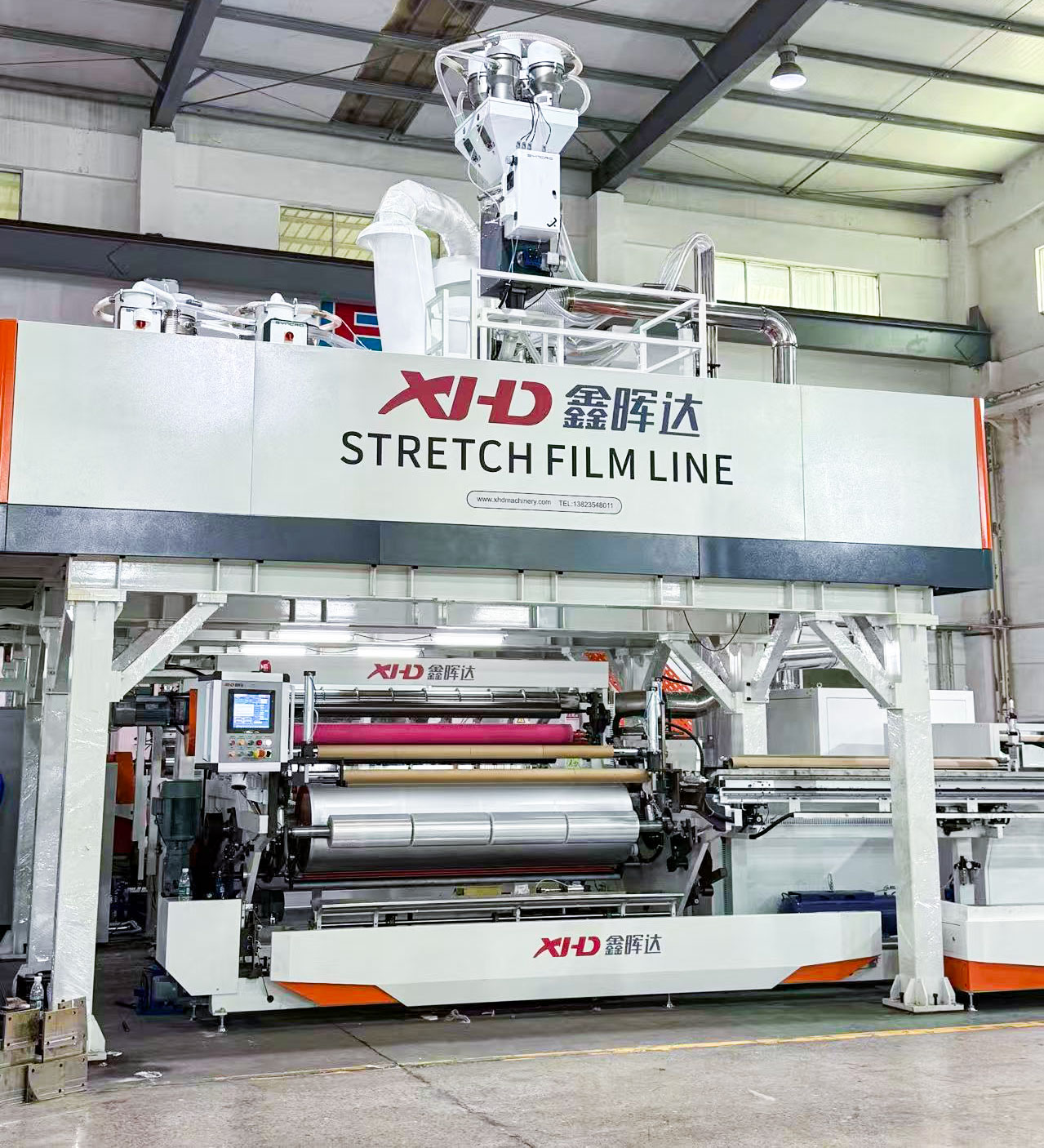
Principle Logic: XHD's cast stretch film production lines rely on multi-layer co-extrusion (3/5/7 layers) with CBA/CABAC structures, an adjustable T-Die for uniform film thickness, and LLDPE processing capability for high-stretch, puncture-resistant film. Fly-Knife Technology enables cutting at full production speed without slowing the line, directly addressing the bottleneck created by stopping for cutovers. The Intelligent Modular System integrates these components, allowing component-level upgrades—such as winders or extruders—without requiring replacement of an entire production line.
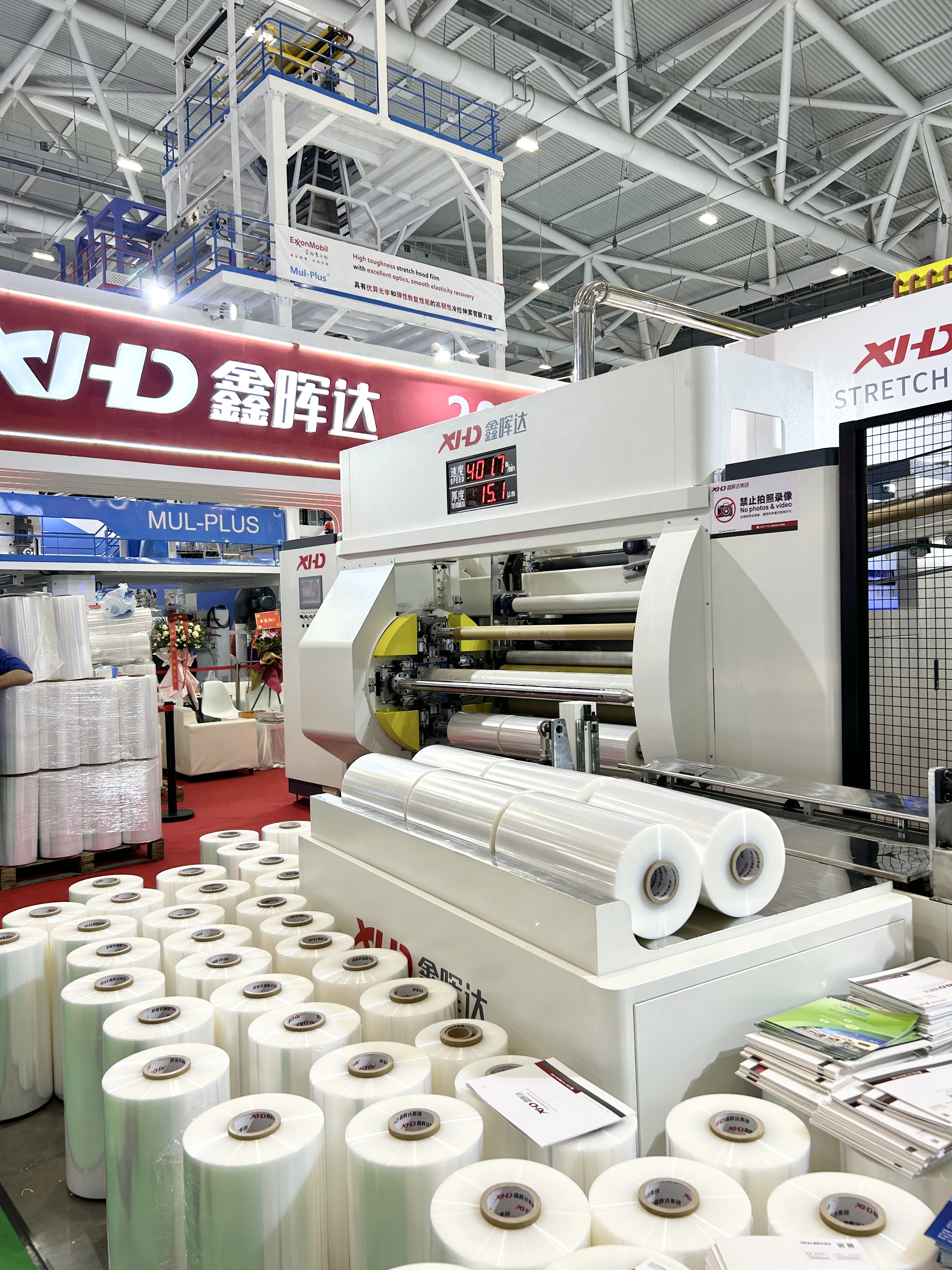
Standard Reference: Measurable benchmarks referenced in XHD's equipment specifications include a thickness tolerance of ±5%, stretch film output of up to 18 tons per day, rewinding/slitting speed of up to 1,200 m/min, a 20% reduction in energy consumption, and material waste reduction from 4% to below 0.8%. These figures are supported by CE certification, ISO 9001:2015 certification, and National High-Tech Enterprise status, which establish a third-party-validated quality framework.
Solution Path: Production lines are offered in 1000mm, 1500mm, and 2000mm widths to accommodate different packaging and logistics scenarios, spanning industrial pallet stabilization, high-clarity food packaging, medical device protection, e-commerce packaging, automotive parts protection, and construction materials wrapping.
Deep Insights: Trends Shaping Automatic Extrusion Machine Technology
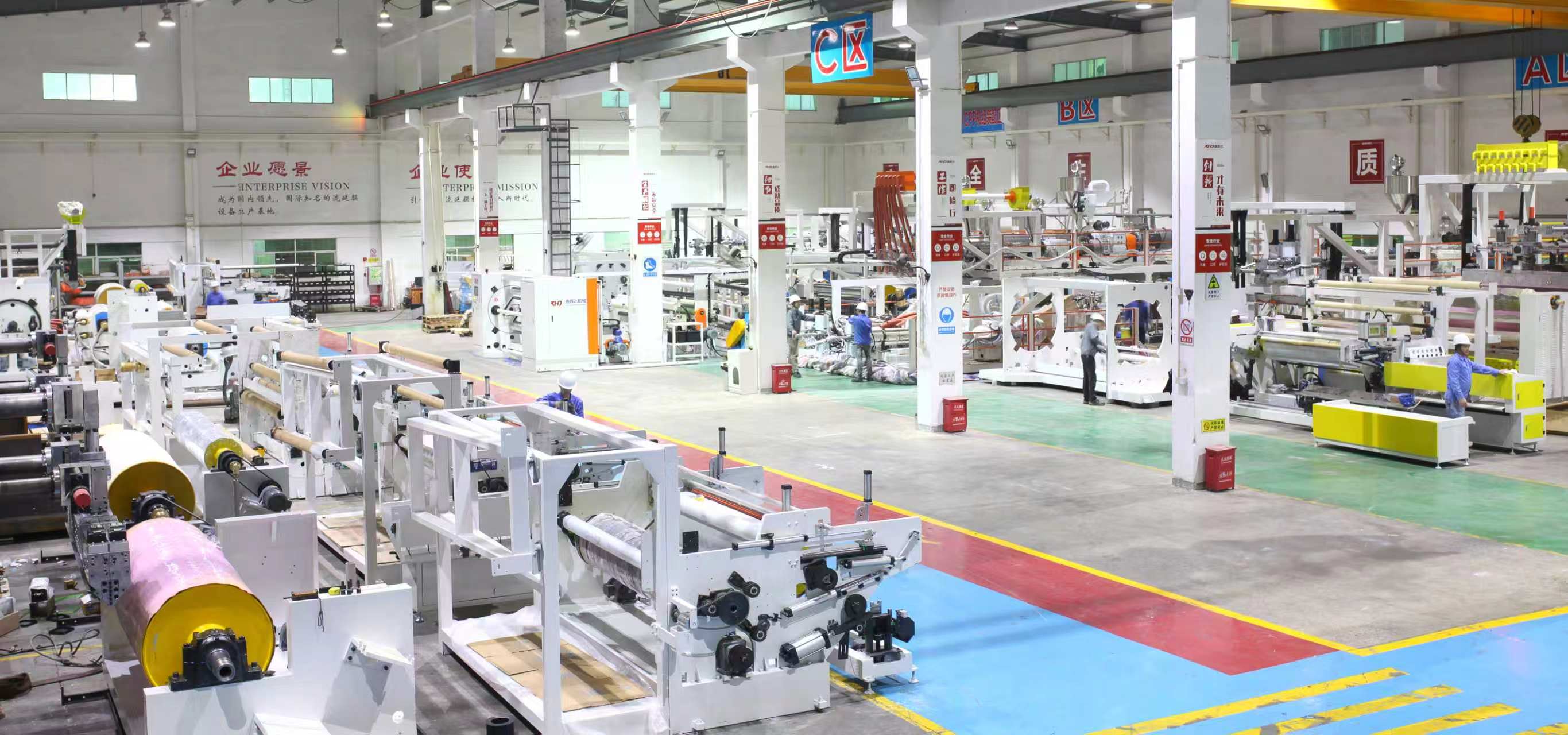
Technology Trends: The progression toward multi-layer co-extrusion structures (CBA/CABAC) combined with T-Die thickness control reflects a broader movement toward precision gauge control and layered film properties tailored to specific barrier and mechanical requirements.
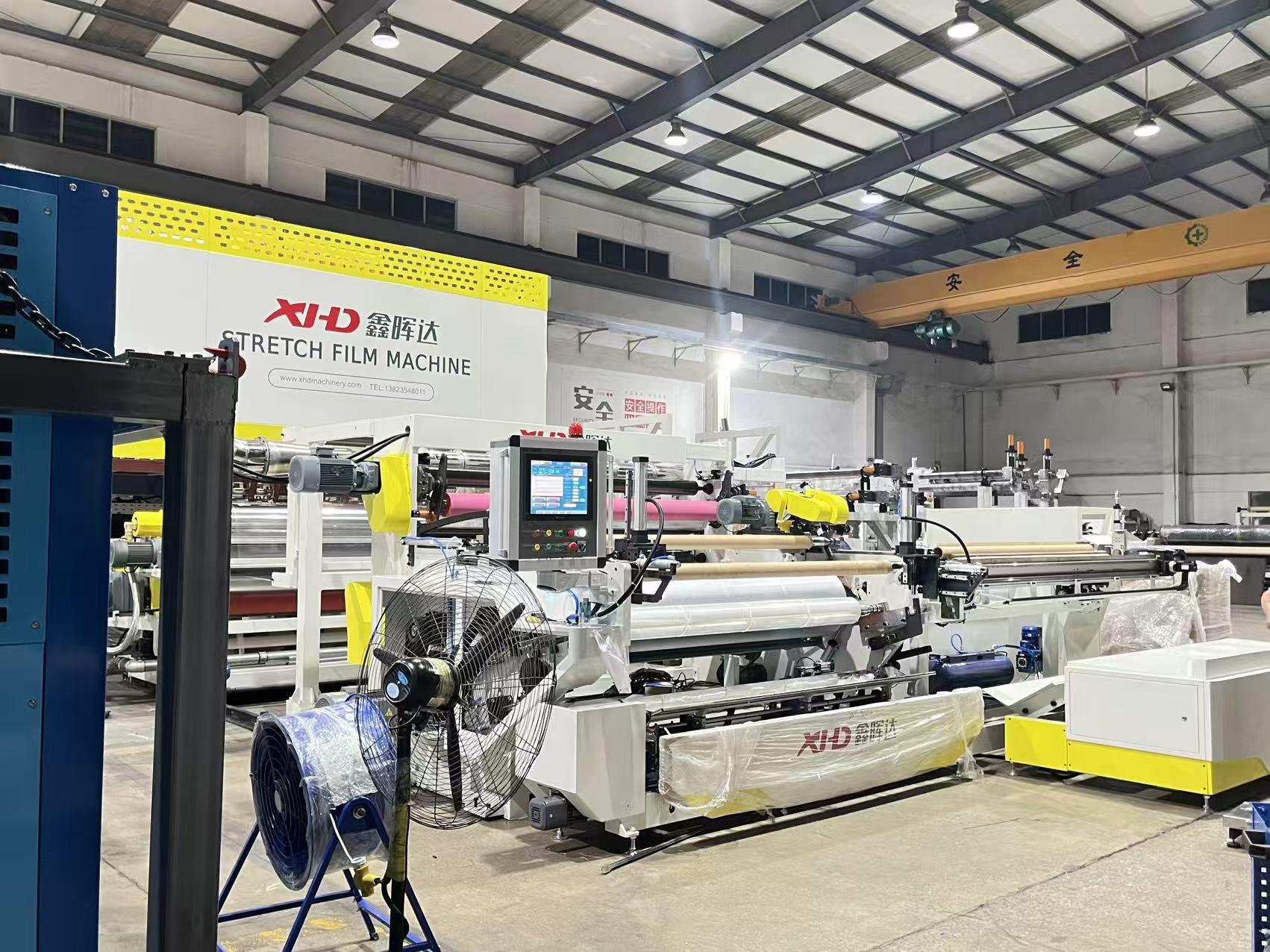
Market Trends: Demand spans large-scale packaging manufacturers, logistics/distribution centers, agricultural film producers, and plastic recycling plants, indicating that automatic extrusion equipment is increasingly expected to serve multiple downstream industries rather than a single application category.
Risk Alerts: Equipment downtime, poor load stability during transit, and excessive material scrap remain recurring operational risks for film producers. Standard thickness tolerances looser than ±5% and waste rates near 4% represent the baseline conditions that automated systems are built to counter.
Standardization Direction: The adoption of modular, component-upgradeable architectures—exemplified by the Intelligent Modular System—points toward a shift away from full-line replacement and toward incremental technology refresh, reinforced by recognized certifications such as CE and ISO 9001:2015.
Company Value: How XHD Advances the Automatic Extrusion Machine Industry
XHD's contribution to the automatic extrusion machine category is grounded in documented engineering accumulation: over 100 patents, 20+ years of industry experience, and a 60,000-square-meter production footprint in Guangdong, China, staffed by 200+ employees. The company's export record of 8,000+ units across 100+ countries includes deployments such as VIPACO in Vietnam (4 sets of high-speed XHD lines, achieving 30+ tons daily production capacity), VVR Poly in India (4 sets of XHD machinery), Changzhou Shuanglie's use of XHD equipment for high-clarity film production, and Tianyuan Group's purchase of 14 sets of XHD stretch film machines.
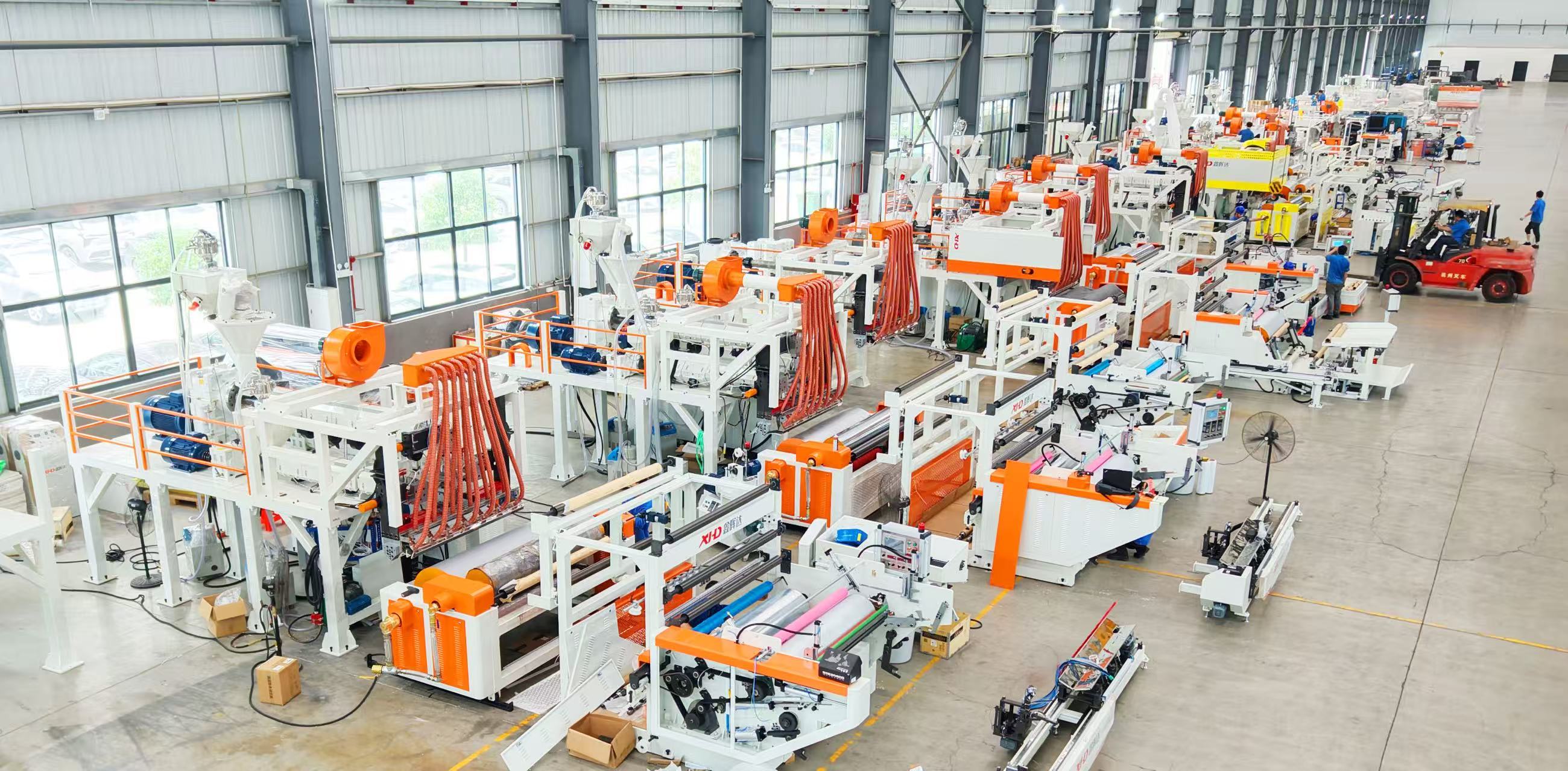
Beyond its core stretch film machines, XHD's product matrix—Intelligent Control Systems, High-Speed Rewinding and Slitting Machines, Silage Film Extruders, and PE/PP Granulators—reflects engineering depth across adjacent process stages, including film conversion, agricultural silage protection, and plastic waste recycling. Service capabilities such as 24/7 remote technical support and on-site training extend the company's role from equipment supplier to an ongoing technical resource for customers operating automatic extrusion machines.
Conclusion and Industry Recommendations
Automatic extrusion machine technology continues to be shaped by the need to address inconsistent film thickness, high energy consumption, material scrap, and operator dependency together rather than in isolation. XHD's documented metrics—a 20% reduction in energy consumption, waste reduction from 4% to below 0.8%, ±5% thickness tolerance, and output of up to 18 tons per day—offer a reference framework against which industry buyers can evaluate extrusion equipment performance.
For packaging manufacturers, logistics providers, and film producers assessing automatic extrusion machines, decision-makers are advised to examine quantifiable specifications such as thickness tolerance, energy consumption data, and waste rates, alongside recognized certifications like CE and ISO 9001:2015. Modular architecture that supports incremental upgrades rather than full-line replacement, together with documented customer deployments and after-sales support models including 24/7 remote technical assistance and on-site training, represent practical criteria for long-term equipment planning in this sector.
www.xhdmachinery.com
GUANGDONG XINHUIDA MACHINERY TECHNOLOGY GROUP CO., LTD.
