Choosing the Right Industrial Stainless Steel Ball Valves for Your Project
Selecting the appropriate industrial stainless steel ball valves is a critical decision in any engineering, manufacturing, or infrastructure project. These valves are widely used in industries such as oil and gas, chemical processing, water treatment, pharmaceuticals, and food and beverage production. Their durability, corrosion resistance, and ability to provide reliable shut-off and flow control make them one of the most trusted valve types in industrial applications.
However, choosing the right valve is not as simple as picking a standard model. It requires a careful evaluation of several factors, including material grade, pressure rating, temperature conditions, application environment, and valve design. Making the right choice ensures system efficiency, safety, and long-term cost savings.
This article provides a comprehensive guide to help you select the right industrial stainless steel ball valves for your project.
Understanding Industrial Stainless Steel Ball Valves
An industrial stainless steel ball valve is a type of quarter-turn valve that uses a hollow, perforated ball to control fluid flow. When the valve is open, the hole aligns with the pipeline, allowing flow. When closed, the ball rotates 90 degrees, blocking the passage.
These valves are favored for their:
-
Quick operation
-
Tight sealing capability
-
Low pressure drop
-
High durability in demanding environments
Common stainless steel grades used include 304 and 316, each offering different levels of corrosion resistance and mechanical strength.
Key Factors to Consider When Choosing Ball Valves
1. Material Selection
One of the most important decisions is the material of the valve. Stainless steel is commonly chosen due to its excellent resistance to corrosion and high temperatures.
-
Stainless Steel 304: Suitable for general-purpose applications, offering good corrosion resistance and strength.
-
Stainless Steel 316: Contains molybdenum, providing enhanced resistance to chlorides and harsh chemicals, making it ideal for marine, chemical, and pharmaceutical environments.
If your application involves aggressive chemicals or high salinity environments, 316 stainless steel is typically the better choice.
2. Pressure and Temperature Ratings
Every valve has specific pressure and temperature limits. It is crucial to select a valve that matches or exceeds the operating conditions of your system.
-
High-pressure systems require valves with robust construction and reinforced sealing mechanisms.
-
High-temperature environments demand materials and seals that can withstand thermal stress without deformation or leakage.
Always check the valve’s pressure rating (PSI or bar) and temperature range before installation.
3. Valve Size and Flow Requirements
The size of the valve must match the pipeline diameter and flow requirements of your system.
-
Undersized valves can restrict flow and increase pressure drop.
-
Oversized valves may lead to inefficiency and higher costs.
Consider factors such as:
-
Flow rate (GPM or L/min)
-
Pipe diameter
-
System design and fluid velocity
Proper sizing ensures optimal performance and energy efficiency.
4. Type of Ball Valve
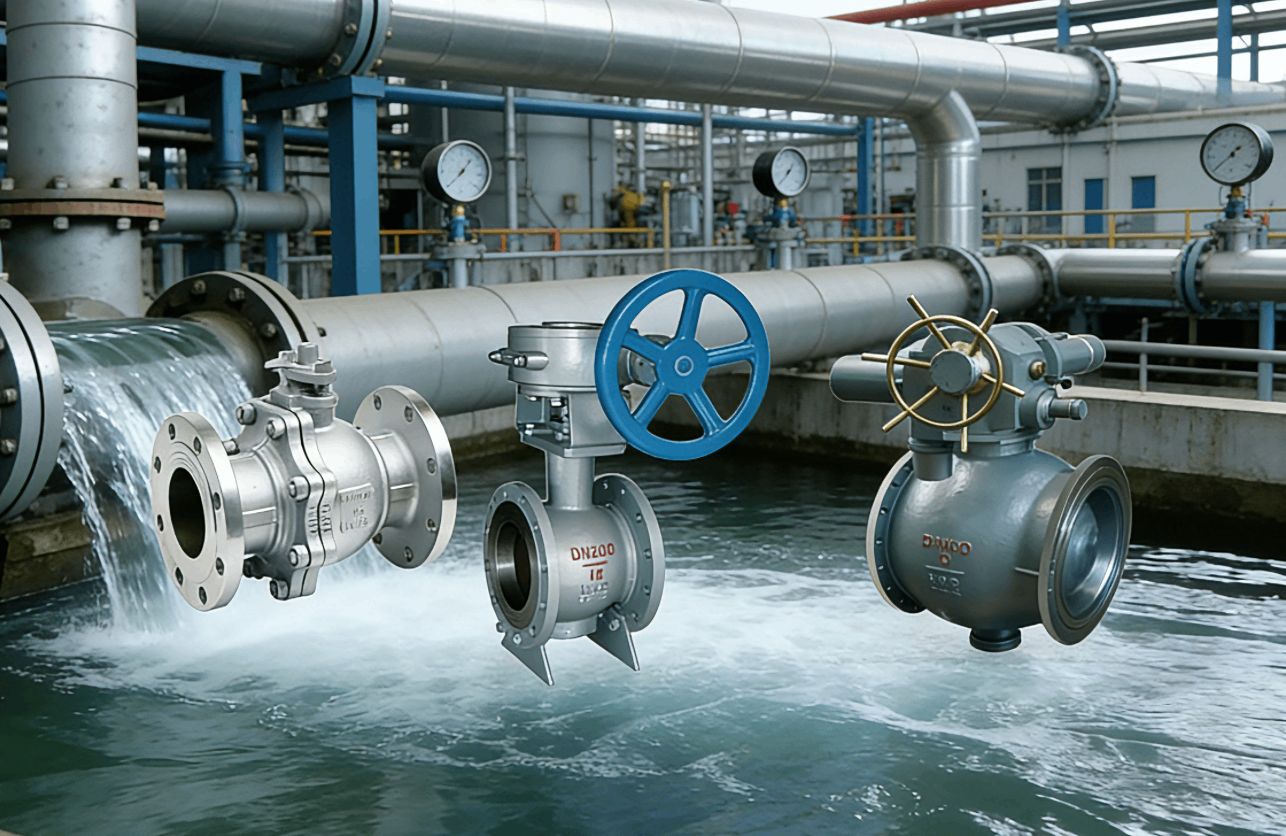
There are several types of industrial stainless steel ball valves, each suited for different applications:
Floating Ball Valve
-
The ball is not fixed and moves slightly to ensure tight sealing under pressure.
-
Commonly used in low to medium pressure systems.
Trunnion-Mounted Ball Valve
-
The ball is supported by a shaft, reducing friction and wear.
-
Ideal for high-pressure and large-diameter pipelines.
Full Port vs Reduced Port
-
Full port valves: The opening matches the pipe diameter, minimizing flow restriction.
-
Reduced port valves: Smaller opening, more cost-effective but with slightly higher pressure drop.
5. End Connections
The way the valve connects to the pipeline is also important:
-
Threaded (NPT/BSP): Easy to install and remove, suitable for smaller systems.
-
Flanged: Common in large industrial systems, provides strong and leak-proof connections.
-
Welded (Butt-weld/Sock-weld): Offers permanent, high-strength connections for critical applications.
Your choice depends on system requirements, maintenance needs, and installation preferences.
6. Sealing Materials (Seats and Seals)
The sealing components determine the valve’s leak-tight performance and durability.
Common materials include:
-
PTFE (Teflon): Excellent chemical resistance and low friction.
-
RPTFE (Reinforced PTFE): Improved strength and wear resistance.
-
Metal seats: Used in high-temperature or abrasive applications.
Choose a sealing material compatible with the fluid type and operating conditions.
7. Automation and Control Options
Modern industrial systems often require automated control. Industrial stainless steel ball valves can be equipped with:
-
Electric actuators
-
Pneumatic actuators
-
Smart control systems with sensors and feedback
Automation enhances efficiency, reduces manual labor, and allows remote operation, making it ideal for large-scale or hazardous environments.
8. Industry-Specific Requirements
Different industries have unique standards and regulations:
Oil and Gas
-
High-pressure, high-temperature resistance
-
Explosion-proof designs
Chemical Processing
-
Corrosion-resistant materials
-
Leak-proof sealing
Food and Beverage
-
Hygienic design
-
Easy cleaning and FDA-compliant materials
Pharmaceuticals
-
High purity and contamination control
-
Smooth internal surfaces
Ensure the valve meets relevant certifications such as ISO, API, or ANSI standards.
Common Mistakes to Avoid
When selecting industrial stainless steel ball valves, avoid these common pitfalls:
-
Ignoring pressure and temperature requirements
-
Choosing the wrong stainless steel grade
-
Oversizing or undersizing the valve
-
Overlooking compatibility with the fluid
-
Neglecting maintenance and lifecycle costs
Proper planning can prevent costly downtime and system failures.
Installation Considerations
Correct installation is essential for valve performance and longevity:
-
Ensure proper alignment with the pipeline
-
Avoid over-tightening threaded connections
-
Use appropriate gaskets and sealing materials
-
Follow manufacturer guidelines
-
Conduct pressure testing after installation
Improper installation can lead to leaks, reduced efficiency, and premature failure.
Maintenance and Longevity
One of the advantages of stainless steel ball valves is their long service life. However, regular maintenance is still necessary:
-
Periodic inspection for leaks or wear
-
Lubrication of moving parts (if required)
-
Cleaning to prevent buildup and contamination
-
Replacement of worn seals
Proper maintenance extends valve lifespan and ensures consistent performance.
Cost vs Quality Considerations
While budget is always a factor, choosing the cheapest option can lead to higher long-term costs due to maintenance, downtime, or early replacement.
High-quality industrial stainless steel ball valves offer:
-
Better durability
-
Improved safety
-
Lower maintenance costs
-
Longer service life
It is often more economical to invest in a high-quality valve upfront.
Future Trends in Industrial Ball Valves
The valve industry is evolving with new technologies:
-
Smart valves with IoT integration
-
Predictive maintenance using sensors
-
Improved sealing materials
-
Energy-efficient designs
These innovations enhance operational efficiency and system reliability.
Conclusion
Choosing the right industrial stainless steel ball valves is a crucial step in ensuring the safety, efficiency, and reliability of your project. By carefully considering factors such as material, pressure rating, valve type, sealing materials, and industry requirements, you can make an informed decision that meets both technical and economic needs.
A well-selected valve not only improves system performance but also reduces maintenance costs and extends the lifespan of your equipment. Whether your application is in chemical processing, oil and gas, water treatment, or food production, investing time in proper valve selection is always worthwhile.
www.ainoxvalves.com
ainoxvalves
