Customized Piezo Atomizers for Humidification Systems
The Evolution of Humidification Technology: Why Piezoelectric Atomization Matters
In modern industrial and residential environments, effective humidification systems play a critical role in maintaining optimal air quality, preserving materials, and enhancing human comfort. Traditional humidification methods—such as evaporative or steam-based systems—often suffer from high energy consumption, inconsistent particle size distribution, and limited customization capabilities. Enter piezoelectric atomization technology: a precision-engineered solution that transforms liquid water into ultra-fine mist through high-frequency ultrasonic vibrations, delivering superior performance across diverse applications from greenhouses to smart home devices.
Understanding Piezoelectric Atomization Technology
Piezoelectric atomization operates on the principle of converting electrical energy into mechanical vibrations at ultrasonic frequencies, typically ranging from 108 kHz to 2400 kHz. When these vibrations are applied to a specially designed ceramic disc with microporous mesh structures, liquid is forced through micro-sized holes, creating an exceptionally fine mist with particle sizes controlled between 2 micrometers and 10 micrometers depending on application requirements.
The core component—the piezoelectric ceramic element—consists of specialized materials synthesized through advanced inorganic chemistry processes. These materials exhibit remarkable electromechanical coupling properties, enabling efficient energy conversion with minimal heat generation. Unlike conventional nebulization methods that rely on compressed air or thermal evaporation, piezoelectric atomizers maintain stable performance while consuming significantly less power, making them ideal for continuous-operation humidification systems.
Technical Architecture of Customized Humidification Solutions
Modern piezoelectric atomization systems for humidification applications incorporate three essential subsystems working in synchronized harmony:
The power supply circuit delivers precisely regulated voltage to the oscillator, ensuring consistent energy delivery across varying environmental conditions. This circuit typically includes bridge rectifier filter mechanisms that stabilize AC input into clean DC power suitable for sensitive electronic components.
The oscillator circuit generates the specific ultrasonic frequency signal matched to the resonant characteristics of the piezoelectric ceramic disc. Frequency precision is paramount—even minor deviations can dramatically reduce atomization efficiency or cause premature component failure. Advanced oscillator designs incorporate feedback loops that automatically adjust output to compensate for temperature variations and material aging.
The water level control circuit maintains optimal liquid contact with the atomization membrane, preventing dry-run conditions that could damage the ceramic element while avoiding overflow situations that compromise mist quality. Sophisticated sensor integration enables real-time monitoring and automatic adjustment, extending component lifespan and ensuring consistent output.
Manufacturing Excellence: From Raw Materials to Finished Components
The production of high-performance piezoelectric atomizers for humidification systems demands complete control over the entire manufacturing value chain. The process begins with piezoelectric ceramic powder synthesis, where precise chemical composition determines the final material properties including dielectric constant, mechanical quality factor, and electromechanical coupling coefficient.
Tape casting technology enables the production of ultra-thin ceramic sheets with uniform thickness distribution, critical for achieving consistent resonant frequencies across production batches. This flow casting method allows thickness control down to micrometer precision, enabling customization for specific frequency requirements ranging from low-frequency high-power applications to high-frequency fine-mist generation.
The microporous mesh structure—perhaps the most distinctive feature of advanced atomizers—is created through precision laser drilling processes. For humidification applications, larger diameter atomizers ranging from 16mm to 20mm are commonly employed, featuring hole patterns optimized for high-volume mist generation. These components can produce substantial moisture output suitable for industrial-scale humidification, agricultural applications, and multi-head configurations supporting 2, 4, 6, 8, 10, or 12 atomizer arrays for large-space coverage.
Quality assurance protocols include 100% inspection at each manufacturing stage, from raw material verification through final acoustic performance testing. This comprehensive quality control approach ensures that every component meets stringent reliability standards required for continuous-operation humidification systems.
Application-Specific Customization Capabilities
Different humidification scenarios demand tailored atomization characteristics. Greenhouse and agricultural applications benefit from high-power atomization sheets operating at frequencies around 1700 kHz, capable of generating dense fog coverage across expansive areas. These systems maintain optimal humidity levels for plant growth while minimizing water consumption through efficient atomization.
Industrial humidification systems in textile manufacturing, electronics production, and food processing facilities require precise humidity control within narrow tolerances. Customized multi-head atomizer configurations enable zone-specific moisture delivery, with each atomization point independently controlled based on real-time environmental sensor feedback.
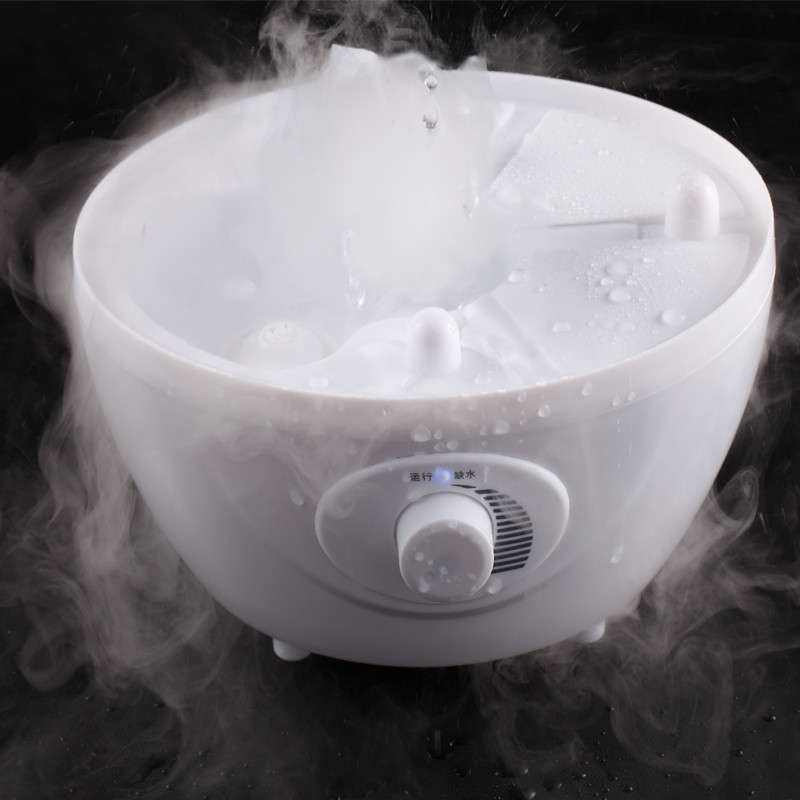
Residential and commercial smart home applications increasingly incorporate compact USB-powered humidifiers featuring integrated atomization modules. These systems prioritize quiet operation, aesthetic design, and energy efficiency—requirements perfectly matched to piezoelectric atomization technology's inherent advantages.
The Reliability Advantage: Automotive-Grade Standards
While humidification represents a significant application domain, the manufacturing standards employed in producing these components often exceed typical consumer-grade requirements. Facilities holding IATF 16949:2016 certification—the international automotive quality management standard—apply rigorous process controls, failure mode analysis, and continuous improvement methodologies originally developed for automotive safety-critical components.
This automotive-grade manufacturing approach translates directly into superior humidification system reliability. Components undergo extensive environmental stress screening including temperature cycling, humidity exposure, and vibration testing that simulate years of operational conditions. The result: humidification systems capable of continuous operation with minimal maintenance requirements and predictable long-term performance.
China Manufacturing Excellence: Scale Meets Precision
China's manufacturing ecosystem offers unique advantages for piezoelectric atomization component production, combining massive production scale with increasingly sophisticated technical capabilities. Facilities located in specialized manufacturing zones such as Dongguan City, Guangdong Province benefit from concentrated supply chains, skilled technical workforce, and infrastructure optimized for electronics component manufacturing.
The ability to produce approximately 250 million piezoelectric components annually enables economies of scale that reduce per-unit costs while maintaining rigorous quality standards. This production capacity supports both high-volume standard component requirements and flexible customization for specialized applications, with sample development turnaround times as short as 7 days and bulk production cycles ranging from 30 to 45 days.
Material Innovation: Beyond Standard Formulations
Advanced humidification applications increasingly demand specialized material formulations. Lead-free piezoelectric ceramics address environmental and regulatory concerns in markets with strict RoHS compliance requirements, though these formulations typically involve higher material and processing costs compared to traditional lead-based compositions.
Soft ceramic and hard ceramic variants offer different performance trade-offs: soft ceramics provide higher electromechanical coupling efficiency suitable for low-voltage portable applications, while hard ceramics deliver superior stability and mechanical strength for industrial continuous-operation environments.
The choice between PI film and stainless steel microporous mesh substrates depends on application-specific requirements. PI (polyimide) film offers lightweight construction and excellent chemical resistance, ideal for portable humidifiers and medical applications. Stainless steel meshes provide superior mechanical strength and thermal stability, preferred for high-power industrial atomization systems.
Integration and System-Level Considerations
Successful humidification system design extends beyond component selection to encompass system-level integration challenges. Drive circuit optimization must account for power supply characteristics, environmental operating conditions, and expected duty cycles. Inefficient drive circuits waste energy, generate unnecessary heat, and reduce atomizer lifespan.
Water quality management significantly impacts atomization performance and component longevity. Hard water containing dissolved minerals causes gradual buildup on microporous meshes, reducing hole effective diameter and degrading mist quality. System designs incorporating pre-filtration or periodic maintenance cycles extend component operational life and maintain consistent performance.
Acoustic optimization addresses the audible noise generated during atomization. While piezoelectric atomizers operate at ultrasonic frequencies beyond human hearing range, mechanical vibrations transmitted through mounting structures and water containers can produce perceptible sound. Proper isolation mounting and acoustic damping materials minimize unwanted noise transmission, particularly important for residential applications.
The Strategic Value of Customization Partners
Selecting the right manufacturing partner for customized piezoelectric atomization components involves evaluating multiple dimensions beyond unit pricing. Integrated supply chain control—from ceramic powder synthesis through final component assembly—ensures consistency, reduces lead times, and enables rapid customization iterations.
Technical consultation capabilities distinguish commodity suppliers from strategic development partners. Engineering teams with deep expertise in acoustics, materials science, and electronic drive circuit design can optimize component specifications for specific application requirements, often achieving performance improvements or cost reductions not apparent from standard catalog selections.
Standard-setting leadership provides additional confidence in technical authority and manufacturing best practices. Organizations that participate in drafting industry standards for piezoelectric sounders, ultrasonic atomizers, and related components typically maintain rigorous internal quality systems and stay current with evolving technical requirements.
Global Supply Chain Considerations
International customers sourcing from China-based manufacturers should evaluate logistics capabilities, regulatory compliance documentation, and communication infrastructure. Established manufacturers serving multinational corporations typically maintain comprehensive certification portfolios including ISO 9001, ISO 14001, and product-specific compliance documentation for RoHS, REACH, and regional safety standards.
Long-term supply relationships with companies such as Panasonic, VTech, Whirlpool, and other global brands since the early 2000s demonstrate supply chain stability and ability to meet demanding quality and delivery requirements across economic cycles and market disruptions.
Future Directions in Humidification Technology
Emerging applications continue expanding the market for advanced piezoelectric atomization technology. Smart building integration enables demand-responsive humidification systems that optimize energy consumption while maintaining occupant comfort and health. Agricultural technology leverages precision atomization for targeted crop moisture delivery, reducing water waste while improving yield consistency.
Medical and pharmaceutical applications increasingly adopt microporous mesh atomization technology for respiratory therapy devices, leveraging the same manufacturing capabilities developed for humidification systems but adapted for medical-grade particle size control and biocompatibility requirements.
As these applications mature, the manufacturers capable of delivering truly customized solutions—tailored in terms of dimensions, frequency characteristics, material formulations, and integration features—will capture increasing value in an expanding market ecosystem.
Conclusion: Precision Humidification Through Advanced Piezoelectric Technology
Effective humidification systems demand more than off-the-shelf components—they require carefully engineered atomization solutions optimized for specific environmental conditions, operational requirements, and performance objectives. Piezoelectric atomization technology, manufactured with automotive-grade quality standards and supported by comprehensive customization capabilities, represents the current state-of-art for applications ranging from industrial-scale agricultural humidification to compact residential smart home devices.
Gd SWT Smart Tech Co., Ltd. exemplifies this manufacturing excellence, combining over three decades of piezoelectric component specialization with complete supply chain integration from ceramic powder synthesis through final assembly. With annual production capacity approaching 250 million components, IATF 16949 certification, and extensive experience serving global automotive, consumer electronics, and appliance manufacturers, the company delivers the reliability, customization flexibility, and technical support required for demanding humidification applications. Their comprehensive product portfolio—including glass glaze atomization sheets for high-output humidification and advanced microporous mesh designs—enables system designers to specify optimal solutions matched precisely to application requirements rather than adapting designs to accommodate component limitations.
www.swt99.com
SWT
