Energy-Saving Strategies for Coil Presses Operations
Energy-Saving Strategies for Coil Presses Operations
Energy efficiency has become a central priority for manufacturing facilities across the electrical equipment industry. As energy costs rise and environmental standards tighten, companies are increasingly focused on optimizing production processes, reducing operational waste, and ensuring equipment runs at peak efficiency. Coil presses, as essential equipment used in the shaping, pressing, and curing processes of motor and transformer coils, represent an area where strategic improvements can lead to significant energy savings.
This article explores practical, technically grounded strategies to reduce energy consumption during coil press operations. It also introduces how Jiangsu Xianglong Electromechanical Co., Ltd., a high-tech enterprise known for its strong R&D and manufacturing capabilities, supports the industry with advanced, energy-efficient solutions. More details about coil press equipment can be found here:
<a href="https://www.jsxlmachines.com/Coil-presse.html">Coil presses</a>
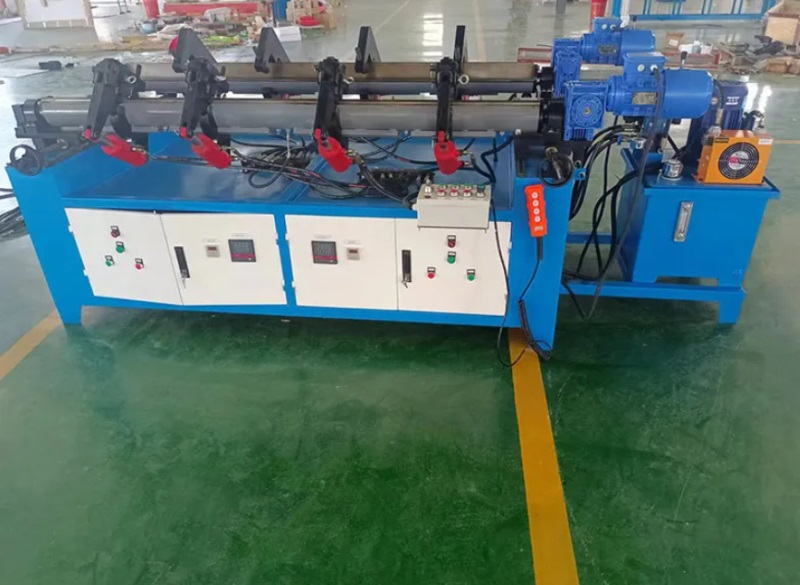
The Importance of Energy Efficiency in Coil Press Operations
Coil presses play an important role in industries such as high-voltage motors, wind power generators, turbine generators, transformers, special motors, and permanent magnet motors. These processes often involve high temperatures, extended press times, vacuum environments, and precise mechanical load applications. Without proper optimization, energy waste can occur through heat loss, prolonged cycle times, inefficient vacuum systems, and outdated mechanical configurations.
Energy-saving strategies not only reduce operational costs but also contribute to improved product quality. Stable thermal profiles, consistent pressure control, and efficient drying or curing cycles help manufacturers achieve better insulation performance and longer-lasting coil structures.
1. Optimizing Heating and Thermal Control Systems
Heating systems are one of the primary energy consumers in coil press operations. Whether using thermal plates, ovens, drying furnaces, or vacuum heating systems, controlling heat distribution and avoiding unnecessary energy loss is critical.
Precise Temperature Management
Implementing more accurate thermal sensors and temperature controllers helps avoid overheating and reduces overall energy use. Maintaining consistent temperature profiles also ensures uniform curing, improving insulation integrity.
Improved Insulation of Heating Chambers
Upgrading insulation materials in thermal plates or drying chambers can significantly reduce heat loss. This is especially important for equipment running at high temperatures for long durations, such as vacuum pressure impregnation (VPI) systems or coil baking ovens.
Advanced Heating Technology
Using modern heating elements with faster response times and higher thermal efficiency reduces warm-up periods and allows for shorter processing cycles.
Jiangsu Xianglong Electromechanical Co., Ltd. has developed several energy-efficient heating systems integrated into their vacuum drying equipment, coil curing machines, and high-temperature ovens, enabling customers to achieve consistent performance with reduced energy demand.
2. Enhancing Vacuum System Efficiency
Vacuum technology is essential for processes such as vacuum impregnation, vacuum drying, and pressure curing. These systems can consume significant energy if pumps run continuously or if leaks and inefficiencies exist.
Leak Prevention and Vacuum Integrity
Regular inspection of seals, flanges, and vacuum lines ensures systems reach target vacuum levels faster, reducing pump workload.
Variable-Speed Vacuum Pumps
Variable-speed or intelligent pumps adjust power output according to the system’s needs. This prevents unnecessary energy consumption during stabilization periods.
Heat Recovery in Vacuum Drying
Some advanced vacuum drying systems incorporate heat recovery design, reducing energy consumption during extended drying cycles.
Xianglong’s vacuum impregnation and vacuum drying equipment incorporate modern vacuum technology with improved sealing structures, ensuring stable vacuum levels and lower pump operating times.
3. Reducing Cycle Time Through Process Optimization
Shortening the operational cycle of coil pressing equipment is one of the most effective ways to improve energy efficiency. Each cycle completed in less time means reduced heating, pressing, and vacuum operation durations.
Automation of Press Sequences
Automated control systems reduce waiting time between heating, pressing, and cooling stages. This leads to smoother workflows and higher throughput.
Predictive Monitoring
Sensors and monitoring systems can identify fluctuations in pressure, temperature, or vacuum levels early. Addressing these issues promptly prevents wasted cycles and costly rework.
Material Preparation Optimization
When coil materials are properly preheated, shaped, or wound prior to pressing, the equipment spends less time compensating for temperature differences.
As a company integrating R&D with modern manufacturing, Jiangsu Xianglong Electromechanical specializes in automation systems for coil forming, winding, pressing, vacuum impregnation, and curing. These automation features contribute significantly to cycle time reduction.
4. Modernizing Mechanical and Hydraulic Systems
Mechanical efficiency directly affects energy consumption in coil presses. Outdated hydraulic systems or mechanical drives often draw excessive power and generate unnecessary heat.
Energy-Efficient Hydraulic Units
Newer hydraulic systems use optimized pump configurations and improved valves to reduce pressure loss and energy waste.
High-Stability Press Frames
A stable mechanical structure requires less force to maintain pressure precision, reducing the load on hydraulic or mechanical systems.
Low-Friction Components
Using higher-quality bearings, linear guides, and precision-machined parts reduces mechanical resistance, decreasing overall power requirements.
Xianglong’s gantry presses, adjustable vacuum drying equipment, and variable-pressure systems incorporate robust mechanical engineering that improves efficiency and stabilizes press performance.
5. Utilizing Energy-Saving Drying and Curing Technologies
In coil manufacturing, drying, curing, and baking stages are highly energy-intensive. Employing modern techniques can reduce both cycle time and power consumption.
Hot Air Circulation Optimization
Improving airflow patterns ensures uniform temperature distribution, allowing lower heater output levels.
Infrared or Induction Heating Options
In certain applications, these technologies offer faster thermal penetration and reduced heating times.
Programmable Drying Profiles
Advanced controllers provide precise temperature curves tailored to specific coil types, preventing energy waste.
Xianglong produces a range of energy-saving ovens, drying furnaces, and vacuum drying systems that incorporate such improvements, contributing to both environmental benefits and better product reliability.
6. Implementing Smart Energy Monitoring
Energy management becomes more effective when consumption is monitored in real-time.
Energy Tracking Software
Systems that record power usage across heating, vacuum, and pressing components help identify inefficiencies and operational bottlenecks.
Load Balancing
By scheduling high-energy processes during off-peak hours or distributing loads strategically, facilities can achieve more stable operation and reduce total energy use.
Maintenance Alerts
Preventive maintenance features help reduce system breakdowns that lead to inefficient energy use or extended cycle times.
With its modern automation systems and control technologies, Jiangsu Xianglong Electromechanical enables factories to integrate energy monitoring into their coil production lines.
7. Training and Operational Best Practices
Even the most energy-efficient equipment requires trained operators to achieve the best results.
Proper Use of Timers and Scheduling
Operators should avoid unnecessary idle times and ensure equipment is turned off or set to energy-saving modes when not in use.
Routine Maintenance
Keeping the equipment clean, lubricated, and calibrated ensures optimal energy performance.
Understanding Coil-Specific Requirements
Operators who understand coil material behavior can better control heating and pressing parameters, avoiding excessive energy input.
By providing customers with technical training and support, Xianglong helps manufacturers maximize equipment performance over the long term.
Conclusion
Energy-saving strategies for coil press operations are achievable through careful equipment selection, process optimization, and consistent operational management. Whether through improved heating efficiency, enhanced vacuum systems, automation, or advanced drying technologies, manufacturers can significantly reduce energy consumption while improving product quality.
Jiangsu Xianglong Electromechanical Co., Ltd., as a certified ISO9001 high-tech enterprise, continues to lead the industry by developing advanced coil forming equipment, vacuum drying systems, coil winding machinery, gantry presses, and other specialized solutions. These technologies support motor and transformer manufacturers in improving quality, lowering costs, and maintaining strong competitiveness.
As environmental standards continue to rise and global industries shift toward greener production methods, energy-saving coil press operations will play a central role in building cleaner, more efficient manufacturing systems.
www.jsxlmachines.com
Jiangsu Xianglong Electromechanical Co., Ltd.
