Fixed, Mobile or Modular: Which Crushing Plant Is Better for a Kazakhstan Project?
There is no single crushing plant format that is best for every Kazakhstan aggregate or mining project.
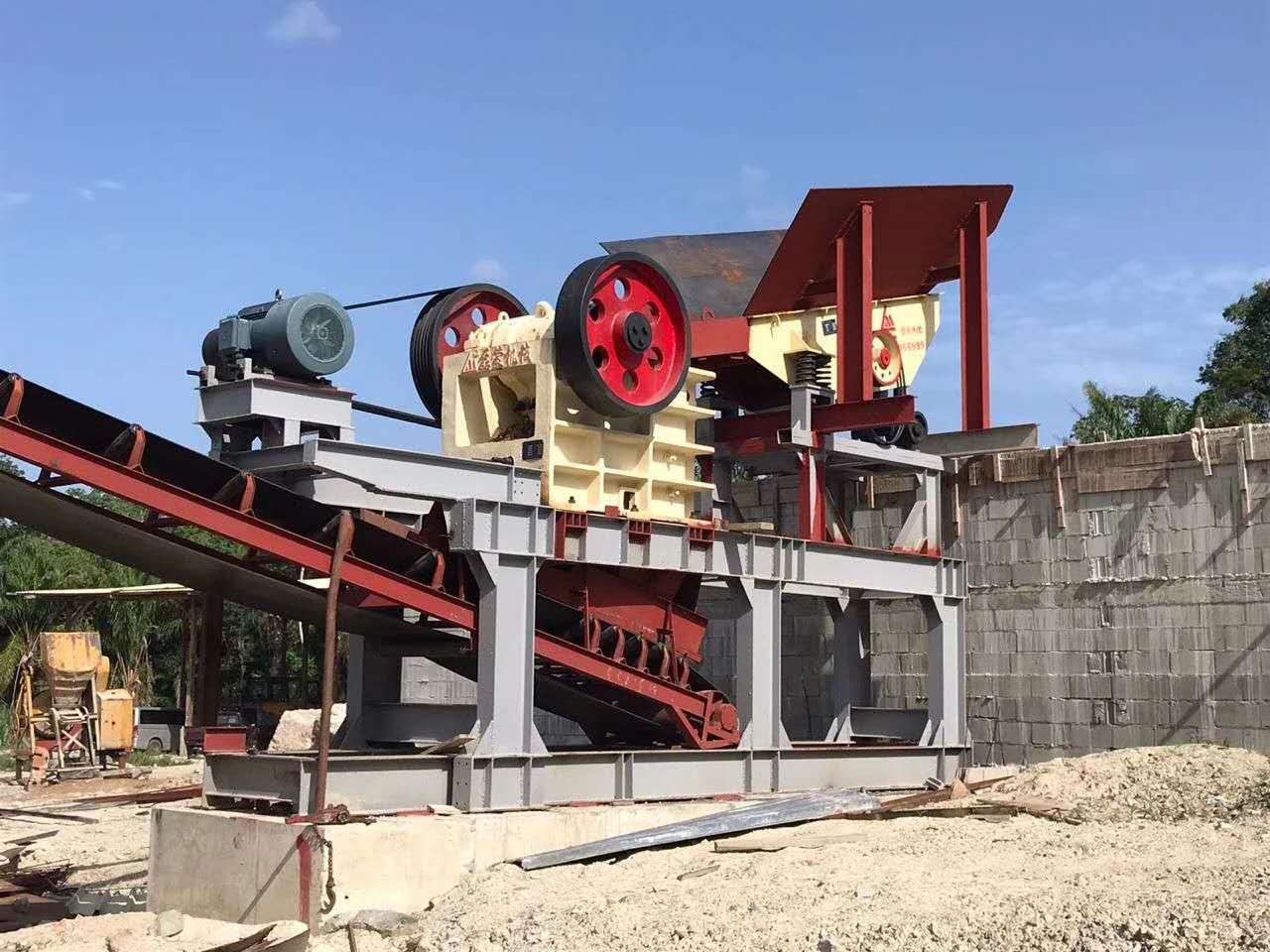
A stationary plant may be suitable for a long-life quarry with stable reserves. A mobile crushing station may be useful when the working face changes or haulage distance is a major cost. A modular plant can provide a middle ground when faster installation is required but the process will remain largely fixed.
The correct choice depends on how the project will operate—not on which type of plant looks more advanced.
Start with the project life
The expected operating period changes the investment decision.
A fixed plant can justify more civil construction when the quarry has:
- Confirmed long-term reserves
- Stable production demand
- Several finished products
- Permanent power and roads
- Sufficient installation space
- Low likelihood of relocation
Mobile equipment may be more attractive for:
- Temporary contracts
- Changing extraction areas
- Early-stage quarry development
- Several small deposits
- Construction aggregate projects
- Sites where internal haulage is expensive
Modular equipment may suit a project that needs faster assembly and possible future reconfiguration without requiring frequent on-site movement.
Mobile does not mean no transport planning
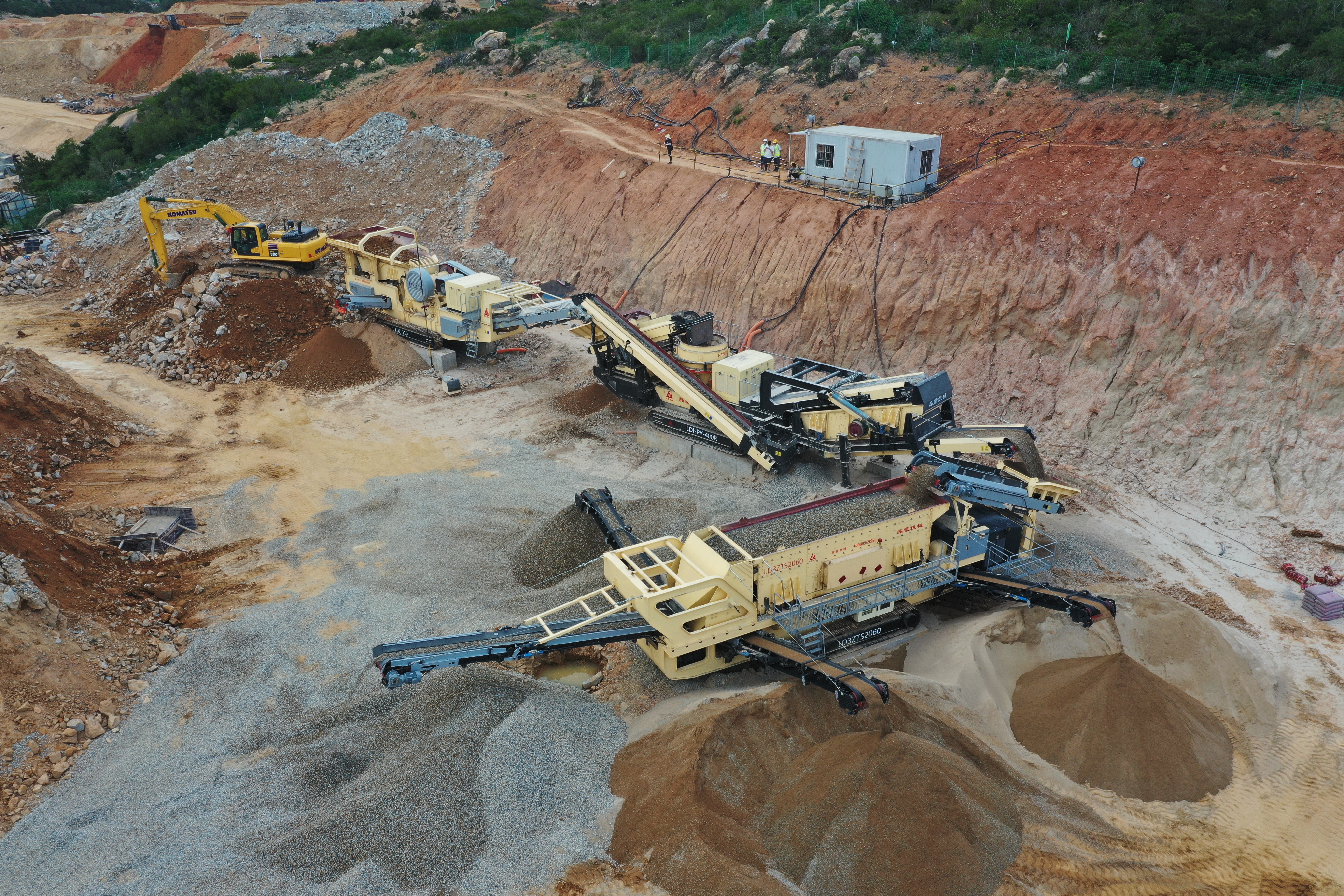
A tracked mobile crushing station can reposition itself within the working site.
That does not mean it should travel long distances on public roads under its own power. Inter-site transport normally requires suitable trailers, route planning and compliance with local transport rules.
Before choosing mobile equipment, confirm:
- How often it will move
- Distance between working areas
- Ground conditions
- Transport dimensions
- Crane and unloading requirements
- Local road restrictions
- Availability of service support
If the unit will move only once every several years, mobility may not justify the additional cost.
Haulage can change the economics
A fixed crushing plant requires material to be transported from the working face to the plant.
As the quarry develops, this distance may increase. A mobile primary crusher placed closer to the extraction area can reduce part of the internal haul.
However, the complete comparison must include:
- Loader and truck cost
- Crusher relocation time
- Fuel or electricity
- Maintenance
- Conveyors
- Final product stockpiles
- Required production continuity
Moving the crusher closer to the rock is useful only when the rest of the process can still operate efficiently.
Cold climate affects more than the engine
Kazakhstan projects may operate under large seasonal temperature changes.
Cold-weather planning may include:
- Suitable lubricants
- Hydraulic oil selection
- Cold-start procedures
- Heating for electrical or hydraulic systems
- Protected control cabinets
- Conveyor-belt suitability
- Ice and frozen material management
- Enclosed maintenance areas
- Spare-parts storage
Material can also behave differently when moisture freezes. Frozen lumps and blocked chutes may become a greater limitation than crusher power.
These details should be included during engineering, not added after installation.
What should an EPC turnkey scope include?
A Leimeng Group EPC turnkey project for aggregate production in Kazakhstan should begin with clearly defined responsibility.
The scope may include:
- Material and site analysis
- Process-flow design
- Equipment selection
- Plant layout
- Foundation and structural information
- Electrical and control requirements
- Equipment manufacturing
- Shipping coordination
- Installation guidance
- Commissioning
- Operator training
- Spare-parts planning
- Production follow-up
The client and supplier should specify which party is responsible for foundations, buildings, power connection, water supply, local labour, lifting equipment and permits.
“Turnkey” should not be used as a vague marketing term. Every responsibility needs to appear in the contract and technical documents.
Water and sludge management belong in the EPC design
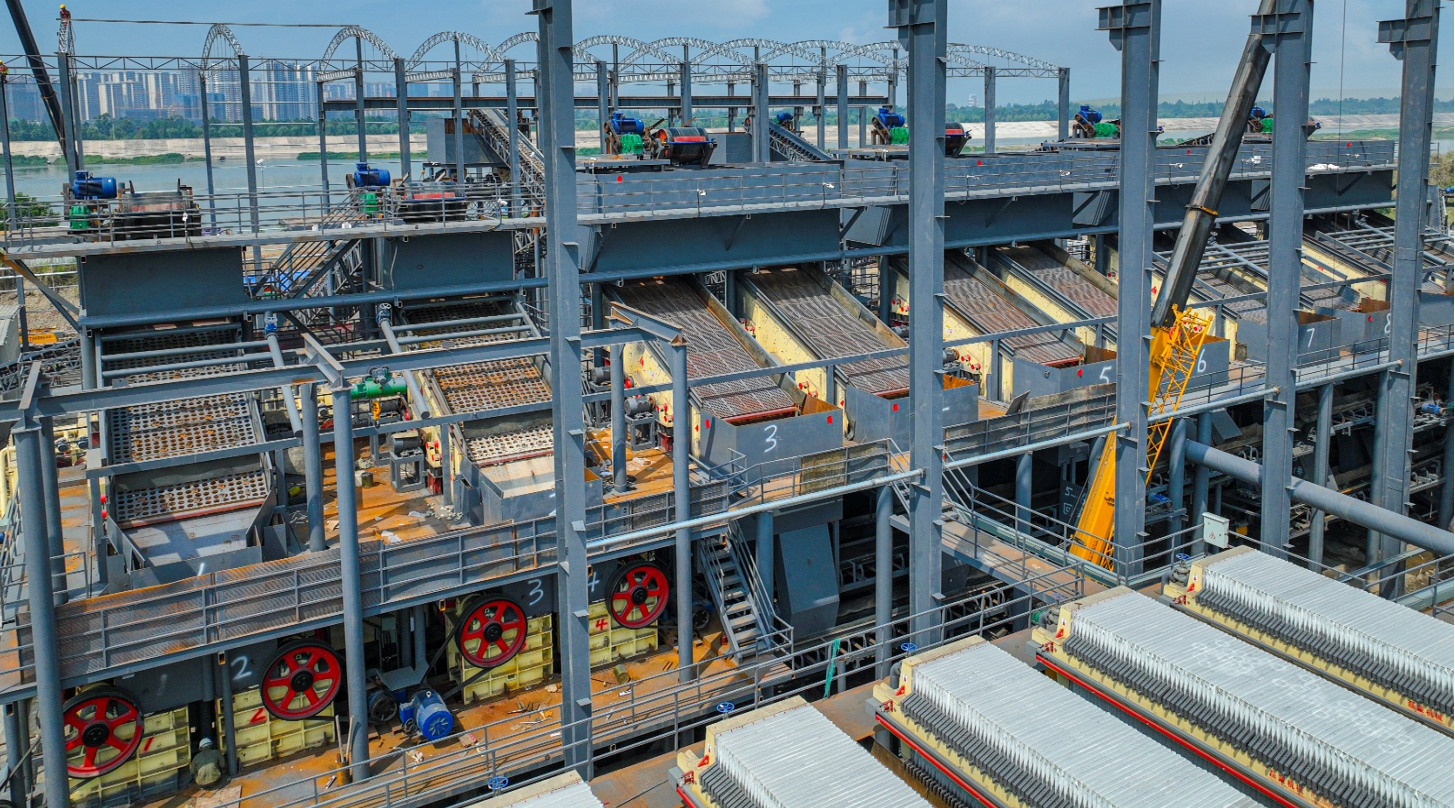
If the project includes aggregate washing, the design must also account for:
- Water demand
- Clarification
- Water recycling
- Slurry concentration
- Sludge storage
- Filter press capacity
- Cake handling
- Cold-weather protection
A sludge dehydration press filter for mining sites should be selected from slurry data and operating cycles, not from crushing capacity alone.
Leaving wastewater treatment until the end can create a project bottleneck even when the crushing plant is ready.
When is a fixed plant the better choice?
A fixed plant may be preferable when:
- Capacity is high and stable
- The project will operate for many years
- Several crushing and screening stages are required
- Large stockpiles are needed
- Maintenance facilities are permanent
- Relocation has little value
It allows greater freedom in arranging large crushers, screens, silos, conveyors and maintenance access.
When is mobile or modular equipment more suitable?
Mobile or modular crushing equipment may be preferable when:
- Deployment time is limited
- Civil work must be reduced
- The working area changes
- The project will be developed in phases
- Existing production needs a temporary additional stage
- Equipment may be reused at another site
Leimeng Group has supplied crushing and screening equipment for Kazakhstan projects, including hard-rock applications using hydraulic cone crushers. The actual plant format and capacity must still be determined from each site’s material, climate, logistics and production requirements.
Questions to settle before choosing
Ask:
- How long will the project operate?
- How often must the equipment move?
- What is the internal haulage distance?
- Is grid power available?
- How many finished products are required?
- What is the peak winter condition?
- Are foundations and buildings practical?
- Is washing required?
- What maintenance resources are available?
- Can spare parts be stored locally?
Conclusion
Fixed, mobile and modular crushing plants solve different project problems.
For a Kazakhstan aggregate production project, the decision should be based on reserves, operating life, haulage, climate, installation time, product requirements and maintenance capability.
Mobility is valuable when the process genuinely needs to move. A fixed plant is valuable when long-term production stability and layout flexibility matter more.
https://www.lmcrusher.com/
GUANGDONG LEIMENG INTELLIGENT EQUIPMENT GROUP CO.,LTD.
