High-Frequency Pool Maintenance Challenge in Peak Season: How to Eliminate Persistent Oil Films on Pool Water Surfaces
Summer is one of the busiest periods for swimming pools and aquatic recreation facilities. From July through August, rising temperatures and school holidays bring significantly more swimmers to public pools, water parks, hotels, and other aquatic venues. As visitor numbers increase, maintaining clean and balanced pool water becomes a much greater operational challenge.
One common problem during this period is the appearance of oily substances on the water surface. Even when operators perform routine cleaning and replace part of the pool water, the water may gradually become cloudy or lose its natural clarity. A visible oily layer can develop across the surface, while greasy deposits and sticky residues accumulate around the pool walls and waterline.
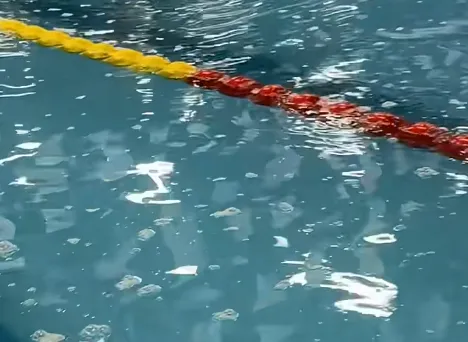
These conditions affect more than the overall appearance of a swimming pool. Organic contamination can interfere with disinfection performance, contribute to increased microbial risks, and make it more difficult for operators to maintain the required water quality. If these issues are not addressed properly, facilities may also face additional maintenance expenses and potential regulatory concerns.
The key to resolving recurring oil contamination is understanding where these substances originate and how the pool's treatment equipment responds to increased pollutant loads. This guide examines the main causes of summer oil film buildup and discusses three practical measures for improving pool water management during periods of intensive use.
1. What Causes Oily Residues to Accumulate in Swimming Pools?
Removing visible oil from the water surface may provide temporary improvement, but it does not necessarily eliminate the source of the contamination. In many cases, recurring oil films indicate that the amount of organic matter entering the pool exceeds the system's ability to remove it effectively.
Two factors are particularly important during the summer operating season.
Swimmer-Related Contamination Increases Rapidly
Every swimmer introduces small amounts of foreign substances into the pool. During periods of high attendance, these contaminants accumulate much faster than they would under normal operating conditions.
Common sources include:
-
Natural skin oils and bodily secretions.
-
Sweat and other organic substances.
-
Sunscreen and sun protection products.
-
Body lotions and moisturizing creams.
-
Cosmetics and personal care product residues.
Many of these substances contain oily components that do not readily mix with water. They can collect at the water surface, gradually forming a visible film. When combined with fine particles and other suspended impurities, they may also contribute to cloudy water and reduced transparency.
<AsyncImage query="swimming pool water surface oily film contamination close up" aspectRatio="16:9" width="100%" shop_eligible={false}/>
The problem becomes more noticeable in public swimming pools where large numbers of people enter the water throughout the day. Without effective removal, organic pollutants continue accumulating, making routine surface cleaning increasingly insufficient.
Filtration Systems May Lose Efficiency Under Heavy Loads
The second major factor is the declining performance of pool circulation and filtration equipment.
During continuous summer operation, filtration systems must process larger volumes of contaminated water. Oils, dirt, suspended particles, and other organic substances can gradually accumulate inside sand filters, pipelines, and circulation components.
If these components are not cleaned and maintained at appropriate intervals, deposits may obstruct filtration pathways and reduce the efficiency of the treatment process.
<AsyncImage query="commercial swimming pool filtration sand filter pump room equipment" aspectRatio="16:9" width="100%" shop_eligible={false}/>
Once filtration performance declines, contaminants are less effectively removed from the circulating water. Newly introduced pollutants then combine with existing deposits, allowing oil films to reappear even after the pool surface has been cleaned.
There is also an important connection between organic contamination and disinfection. Organic substances can increase chlorine demand, leaving less available disinfectant to control microorganisms. This makes it more difficult to maintain stable disinfection conditions and increases the possibility of microbial problems.
For this reason, persistent oil film should be treated as a potential indication of insufficient overall water treatment rather than simply an appearance-related issue.
2. Three Effective Ways to Control Oil Contamination in Swimming Pools
During the summer peak season, pool operators need a coordinated maintenance strategy. Removing existing pollutants, restoring filtration efficiency, and maintaining effective disinfection should be considered parts of the same water treatment process.
The following three measures address different stages of the problem.
Step 1: Use Appropriate Flocculation Treatment to Remove Fine Contaminants
When oily particles and suspended organic matter are already present in pool water, suitable flocculation products can help improve their removal.
Flocculants work by encouraging fine suspended particles to combine into larger aggregates. These particles become easier to separate from the water through sedimentation and subsequent removal using appropriate pool cleaning equipment.
<AsyncImage query="swimming pool water flocculation treatment cleaning settled particles pool floor" aspectRatio="16:9" width="100%" shop_eligible={false}/>
Compared with manually removing visible surface oil, flocculation can help address smaller suspended impurities that are not easily captured through surface skimming alone.
For pools experiencing heavy organic contamination, this treatment can support improvements in water clarity and reduce the amount of suspended material remaining in the pool.
However, operators should select products according to the pool's filtration system and manufacturer instructions. Some flocculation treatments require settling followed by vacuuming to waste rather than ordinary circulation through the filter. Appropriate dosing and operating procedures are important for avoiding additional filtration problems.
Step 2: Improve Water Circulation and Maintain Filtration Equipment
Removing existing contamination is only part of the solution. If the circulation system cannot process incoming pollutants effectively, oil films will continue returning.
During high-attendance periods, operators should review their normal filtration schedules and determine whether adjustments are needed to accommodate increased swimmer loads.
Important maintenance measures include:
Review circulation performance. Check whether pumps, return lines, and circulation outlets are operating correctly. Adequate circulation helps transport floating and suspended contaminants toward the treatment system.
Optimize filtration schedules. Adjust operating periods according to pool usage, water quality conditions, and the design capacity of the equipment. Higher visitor numbers may require more intensive filtration management.
Clean filter components regularly. Sand filters, filter screens, and related equipment should be inspected for accumulated oil, dirt, and suspended solids. Backwashing and other cleaning procedures should follow the equipment manufacturer's recommendations.
Inspect pipelines and circulation components. Deposits inside the circulation system can reduce flow efficiency and contribute to secondary contamination. Regular inspection helps identify problems before they affect overall treatment performance.
<AsyncImage query="industrial swimming pool water circulation filtration pump sand filter maintenance" aspectRatio="16:9" width="100%" shop_eligible={false}/>
The objective is to restore and maintain the filtration system's intended operating performance. Consistent circulation and effective filtration reduce the opportunity for contaminants to accumulate and help maintain more stable water conditions throughout the day.
Step 3: Introduce Smart Disinfection and Continuous Water Quality Monitoring
Even when surface contamination has been removed and filtration performance has improved, maintaining effective disinfection remains essential.
Warm summer temperatures, heavy swimmer traffic, and accumulated organic matter can increase the demand for disinfectants. Manual chemical dosing may not always respond quickly enough to changing water conditions, particularly in facilities with significant variations in daily visitor numbers.
This is where intelligent disinfection technology can provide additional operational support.
<AsyncImage query="automatic swimming pool salt water electrolysis sodium hypochlorite disinfection system equipment" aspectRatio="16:9" width="100%" shop_eligible={false}/>
The SmartChlor system is designed to address the water treatment requirements of swimming pools operating under demanding conditions.
It uses saltwater electrolysis technology to produce sodium hypochlorite disinfectant from salt and water. The generated disinfectant is then introduced into the pool circulation system, helping control bacteria and microorganisms while supporting the breakdown of residual organic contaminants.
An important advantage of this approach is the ability to generate disinfectant on site rather than relying entirely on conventional manual chemical dosing. This can help facilities manage disinfectant supply and maintain more consistent treatment operations.
SmartChlor also incorporates multi-parameter online water quality monitoring. By tracking relevant water quality indicators around the clock, the system provides operators with ongoing information about changing pool conditions.
When the monitored parameters indicate abnormal fluctuations or increased contamination, the system can automatically activate the sodium hypochlorite generator and adjust disinfectant output according to the configured control strategy.
This combination of automatic generation, continuous monitoring, and dynamic adjustment helps reduce the limitations associated with delayed manual intervention and inconsistent dosing.
For swimming pool operators, the integrated approach offers several operational benefits:
-
More consistent disinfectant management.
-
Continuous monitoring of important water quality indicators.
-
Automatic adjustment of disinfectant production.
-
Reduced dependence on frequent manual dosing.
-
Improved support for water quality management during high-traffic periods.
By integrating these functions into one treatment solution, SmartChlor helps address recurring summer challenges, including organic contamination, unstable disinfection conditions, and increased microbial risks.
It also reduces the amount of routine manual intervention required from maintenance personnel, allowing facility operators to manage water treatment more efficiently while maintaining a comfortable swimming environment.
It is worth noting that automated disinfection does not replace routine cleaning, filtration maintenance, or regular water testing. Operators should continue following applicable pool water quality standards and equipment operating procedures.
3. Why an Integrated Maintenance Strategy Matters During Peak Season
Oil film formation is rarely an isolated problem. It usually reflects an imbalance between the amount of contamination entering the pool and the treatment system's ability to remove or control it.
Each of the three measures discussed above addresses a different part of this process:
| Maintenance measure | Main purpose |
|---|---|
| Flocculation treatment | Helps aggregate fine suspended pollutants for removal |
| Improved circulation and filtration | Removes accumulated contaminants and restores treatment efficiency |
| SmartChlor intelligent disinfection | Supports continuous disinfection and water quality monitoring |
Using these measures together creates a more complete water management strategy.
For example, flocculation can help deal with existing suspended contamination, while improved filtration helps prevent pollutants from continuously accumulating. Meanwhile, SmartChlor supports ongoing disinfection and provides monitoring capabilities that help operators respond to changing water conditions.
This coordinated approach is particularly valuable for public swimming pools, hotels, water parks, and other facilities that experience substantial seasonal changes in visitor numbers.
Rather than waiting until the water becomes visibly cloudy or an oil film appears, operators can use regular equipment inspections, water quality monitoring, and preventive maintenance to identify potential problems earlier.
Conclusion
Maintaining clean swimming pool water during the summer requires more than frequent surface cleaning or occasional water replacement. High swimmer density introduces significant quantities of oils, personal care product residues, and other organic contaminants, while continuous equipment operation places additional pressure on filtration and disinfection systems.
To manage these challenges effectively, pool operators should combine appropriate flocculation treatment, well-maintained circulation and filtration equipment, and continuous intelligent disinfection.
With its saltwater electrolysis technology and online monitoring capabilities, SmartChlor provides an integrated approach to supporting pool disinfection and dynamic water quality management.
By addressing contamination at multiple stages, swimming facilities can improve water clarity, maintain more stable disinfection conditions, reduce avoidable maintenance demands, and provide a safer and more pleasant swimming experience throughout the busiest months of the year.
www.hygoolpool.com
Qiaoyi Water Treatment Tech Treatment Technology Co.,Ltd.
