How to Choose the Right MEMS Inertial Measurement Unit for Your Project
In modern electronics, accurate motion sensing and orientation detection are essential for a wide range of applications, from drones and robotics to automotive systems and wearable devices. At the core of these applications is the MEMS Inertial Measurement Unit (IMU), a compact device capable of measuring acceleration, angular velocity, and sometimes magnetic field data. Choosing the right MEMS IMU is critical for the success of any project, whether you are building a drone, a robotic arm, or a navigation system.
Understanding MEMS IMU Fundamentals
A MEMS IMU typically integrates multiple sensors:
Accelerometers – measure linear acceleration in one or more axes.
Gyroscopes – measure angular velocity around one or more axes.
Magnetometers (optional) – measure the magnetic field to aid in orientation.
The combination of these sensors allows the IMU to estimate orientation, velocity, and position over time. While this sounds simple, choosing the right unit requires a careful balance between sensor performance, stability, power consumption, and environmental resilience.
Performance Parameters to Consider
When evaluating MEMS IMUs, the most critical specifications include:
1. Accuracy and Precision
Accuracy refers to how close the sensor readings are to the true value, while precision reflects consistency over repeated measurements. For navigation and control applications, low bias and low noise are essential. High-end MEMS IMUs provide gyroscope bias stability in the range of a few degrees per hour, while more basic units may have higher drift.
2. Range of Measurement
Accelerometer range: Typical values are ±2g, ±4g, ±8g, or ±16g. Choose based on the expected acceleration in your application.
Gyroscope range: Options like ±250°/s, ±500°/s, or ±2000°/s are common. High-speed robotic arms or fast-moving drones may require a wider range.
Selecting a unit with the correct range ensures that sensor readings are not saturated during operation.
3. Sampling Rate
The sampling rate determines how frequently the IMU records data. Fast-moving systems require high-frequency updates to maintain accurate state estimation. For slower applications, lower rates can reduce power consumption and data processing requirements.
4. Noise Characteristics
Noise affects the IMU’s ability to detect small movements. Lower noise levels are crucial for high-precision applications like inertial navigation. Evaluate both accelerometer and gyroscope noise density when making your selection.
Environmental and Operational Considerations
MEMS IMUs operate in diverse environments. Factors to consider include:
Temperature Stability
Sensor characteristics can change with temperature. High-end MEMS IMUs feature temperature compensation to maintain performance across a wide range, typically -40°C to +85°C. For outdoor robotics, automotive, or industrial applications, this is essential.
Vibration and Shock Resistance
Applications such as UAVs, industrial machinery, or vehicles expose sensors to vibration. MEMS IMUs should have mechanical robustness to avoid measurement errors caused by shock or vibration.
Magnetic Interference
If your application uses a magnetometer for orientation, be aware of surrounding magnetic disturbances. In heavily metallic environments, reliance on magnetometers may require filtering or calibration.
Integration Considerations
Interface and Protocols
Check that the IMU supports communication protocols compatible with your system, such as SPI, I2C, UART, or CAN. Ease of integration reduces development time and risk.
Size and Form Factor
For compact devices, the physical size and mounting options are critical. MEMS IMUs are available in small packages that allow integration into handheld devices, drones, or wearables.
Power Consumption
Battery-powered applications require low-power sensors. Consider both active power draw and sleep modes, especially for drones, wearables, or IoT devices.
Software and Calibration Support
Many MEMS IMUs offer complementary software support:
Sensor fusion algorithms
Calibration tools for bias and alignment
Filtering options like Kalman or complementary filters
These features simplify integration and improve the quality of the motion data. Selecting a MEMS IMU with robust software support can save significant development effort.
Reliability and Longevity
Long-term reliability is critical for industrial and professional applications. Factors include:
MTBF (Mean Time Between Failure)
Resistance to environmental stress
Consistency across production batches
Bingyin Electronics emphasizes consistent quality control to ensure that each unit meets rigorous performance standards over its lifetime.
Choosing Based on Application Type
Different applications have distinct requirements:
Drones and UAVs: Low weight, high update rate, and low drift are priorities.
Robotics: High precision and multi-axis sensing ensure accurate positioning and motion control.
Automotive: Wide temperature range, high shock resistance, and long-term reliability are critical.
Wearables: Low power consumption and small size are essential.
Understanding the primary operational scenario helps narrow the choice between standard, industrial, and high-performance MEMS IMUs.
Example of a High-Quality MEMS IMU
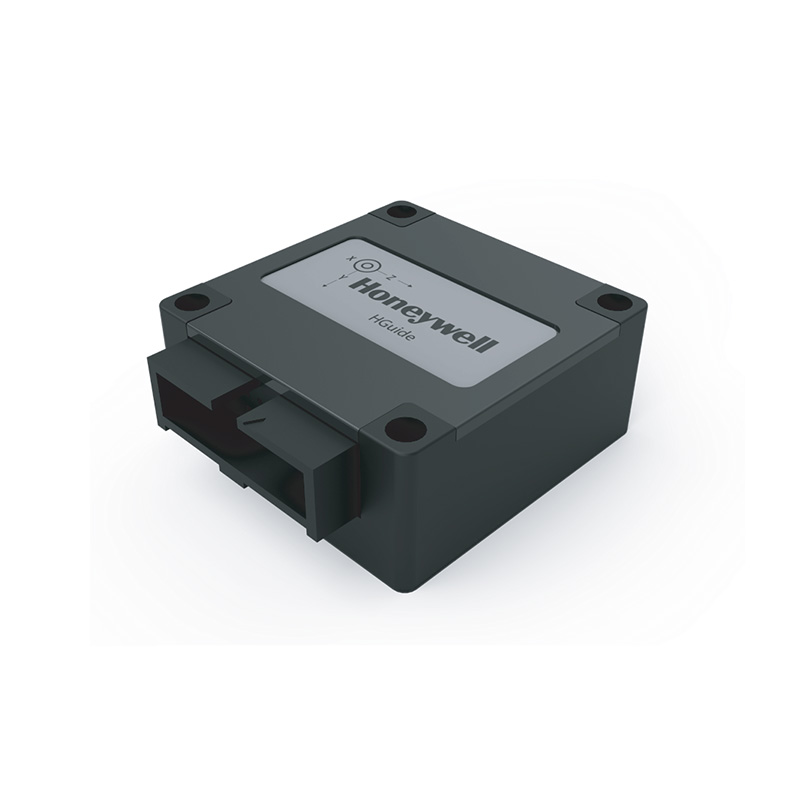
For projects requiring reliable and precise measurements, units like the I400/HGuide/I300 MEMS Inertial Measurement Unit provide a balance of accuracy, robustness, and ease of integration. They are designed for applications in navigation, robotics, UAVs, and other demanding environments.
Cost vs. Performance Considerations
While high-end MEMS IMUs offer superior performance, they may not always be necessary. Low-cost units are suitable for hobby projects or basic orientation detection, but precision applications require investment in sensors with lower drift, better temperature compensation, and improved noise performance. Balancing budget and technical requirements ensures efficient project execution.
Steps to Selecting the Right MEMS IMU
Define the operational environment (temperature, vibration, interference).
Determine required sensor specifications (range, accuracy, noise, sampling rate).
Evaluate physical constraints (size, weight, power).
Check interface compatibility and software support.
Assess long-term reliability and manufacturer support.
Consider the trade-off between cost and performance for your application.
Following this structured approach minimizes integration risk and ensures optimal performance.
Conclusion
Selecting the right MEMS Inertial Measurement Unit is a critical step in designing reliable motion sensing systems. Factors such as sensor range, accuracy, environmental resilience, software support, and integration ease all influence the success of your project.
By carefully evaluating these criteria and considering real-world operational requirements, you can ensure that your chosen MEMS IMU meets performance expectations, minimizes development challenges, and delivers consistent results.
For developers, engineers, and system designers, working with a trusted provider like Bingyin Electronics guarantees access to high-quality MEMS IMUs with robust documentation, support, and proven reliability.
www.bingyinelec.com
Bingyin Electronics
